




Gold End Table
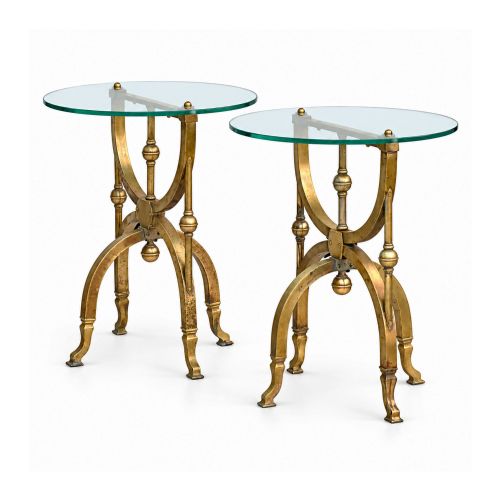
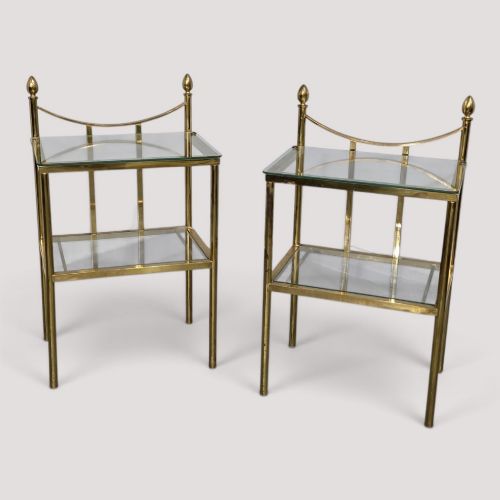
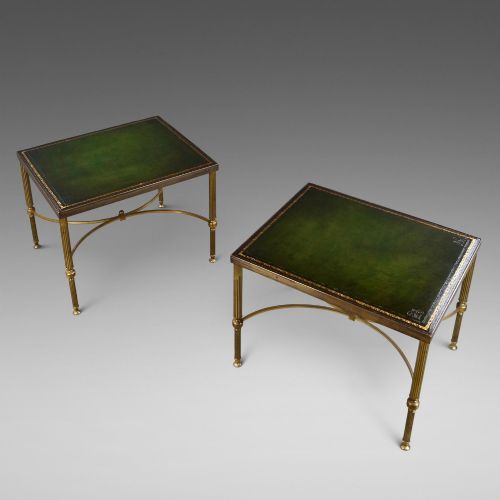
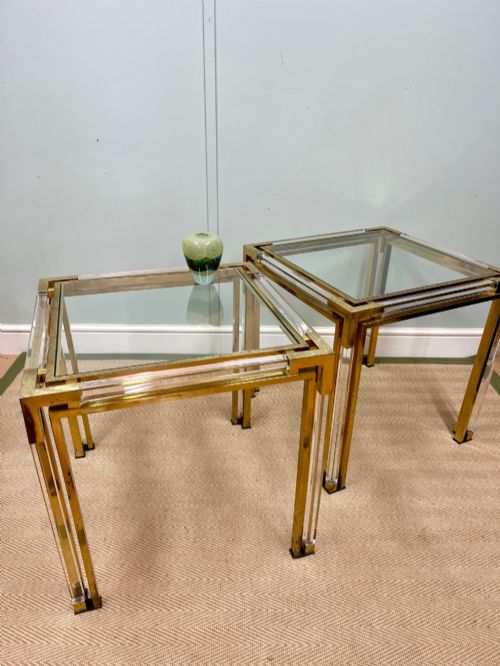
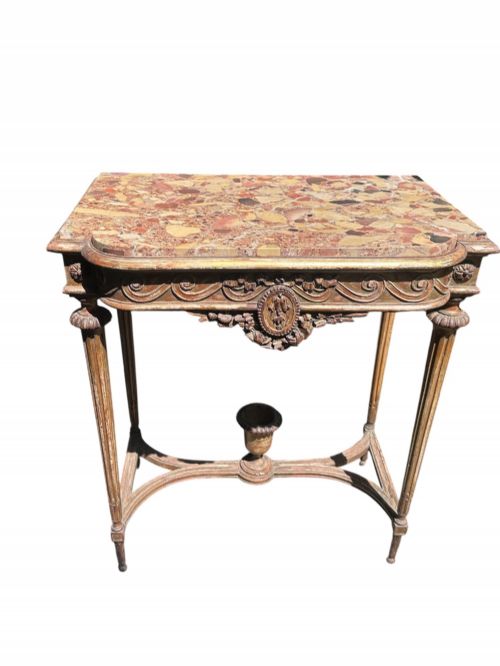
A gold end table brings warmth and reflective surface to a room, ranging from gleaming twentieth-century brass to nineteenth-century parcel-gilt woodwork.
Gold End Table
When searching for a gold end table, buyers encounter a variety of compact occasional surfaces designed to sit beside seating or against walls. The selection spans distinct periods from the eighteenth century through the twentieth century, with strong representation from the nineteen-twenties and nineteen-thirties.
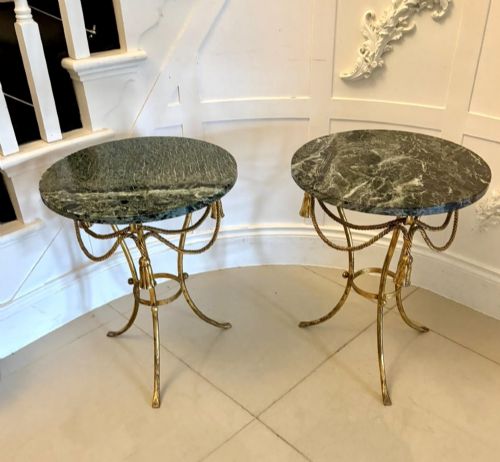
Forms include side tables, lamp tables, diminutive étagères, and nests of tables. Many examples incorporate glass or marble tops paired with metal frames or gilded wooden structures.
Origins stretch across European workshops, including English, French, Italian, and Spanish pieces. Styles range from Hollywood Regency and Art Deco to Chinoiserie, Neoclassical, and Victorian designs.
How they were made
Construction relies heavily on metals such as brass and gilt bronze, often combined with transparent glass or heavy marble inserts. Frames are assembled with precise structural joints suited to supporting lamps and decorative objects.
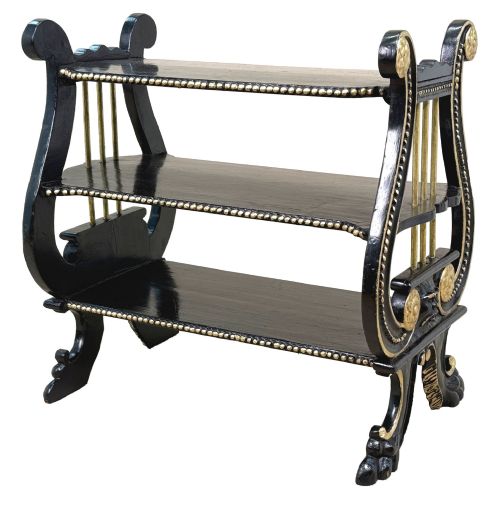
Woodworking traditions utilise lime wood, satinwood, ebonised timber, and painted surfaces finished with gold leaf or parcel-gilding. Artisans applied thin sheets of metal leaf by hand over prepared bole to achieve the characteristic reflective finish.
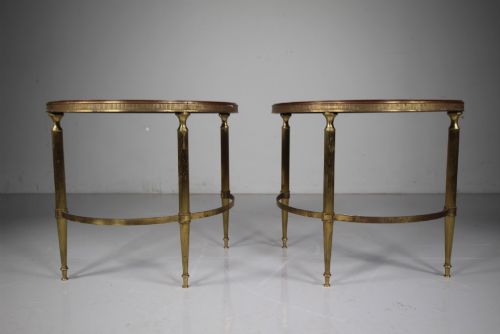
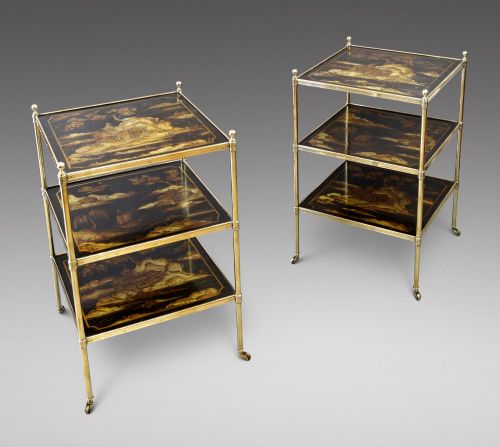
Form variations on this page include nest of tables, étagères, display counters, and demi-lune side surfaces.
What varies in quality
The standard of a gold end table rests upon the crispness of the casting in metal frames and the depth of the gilding on wooden elements. Superior examples display clean joinery, well-weighted bases, and genuine marble or bevelled glass inserts.
Hand-applied gilding and painted decoration show individual artisan skill through controlled brushwork and subtle burnishing. Pieces retaining original surface patination demonstrate greater integrity than later repainted or heavily restored items.
Peter Ghyczy·Whytock and Reid·E. Daligny·Maple and Co
The Gold End Table Glossary
- Giltwood
- Wood that has been coated with gold leaf or powder. This finish provides a bright metallic sheen to carved mouldings and frames.
- Étagère
- A set of open shelves for displaying small objects or books. These tiered pieces often feature slender uprights in brass or painted wood.
- Demi-lune
- Half-moon shaped furniture designed to stand flush against a wall. Such tables offer a compact footprint while maintaining surface utility.
- Parcel-gilded
- Partially covered in gold leaf while other areas show contrasting wood or painted colour. This technique highlights specific carved details rather than coating the entire object.
- Verde marble
- A dark green ornamental stone with pale veining. It appears frequently as a contrasting top insert on period lamp tables.
Gold End Table: Frequently Asked Questions
How are gold end tables cleaned?
Dust surfaces regularly with a soft, dry cloth to prevent accumulation in carved or joined areas. Avoid chemical polishes on gilded or plated surfaces, as abrasive agents strip thin metallic layers.
Use a slightly damp cloth for glass or marble tops, drying them immediately to prevent moisture seeping into adjacent wood or metal joints.
Where should a gold end table go?
These compact pieces function well beside armchairs, sofas, or beds where surface space is needed for lighting and small items. Their reflective finishes bounce light into darker corners or narrow hallways.
Keep them away from direct sunlight and excessive moisture to protect delicate gold leaf and polished marble surfaces over time.
Are these tables sturdy enough for daily use?
Period occasional tables are designed to support lamps, books, and cups rather than heavy loads. Metal frames and solid wood structures provide reliable stability for everyday domestic placement.
Care should be taken when moving them, lifting the frame rather than pulling by upper decorative edges or attached marble slabs.
How do I identify the period of a table?
Examine construction methods, fastener types, and decorative motifs characteristic of specific design eras. Twentieth-century pieces often favour clean geometric lines in brass and glass, whereas nineteenth-century items display heavier carved wooden frames and traditional gilding.
Comparing materials like ebonised wood or satinwood against known historical styles helps narrow down the manufacturing decade.