




Gold Diamond Clasp
Gold diamond clasp pieces unite fine metalwork with sparkling stones, securing necklaces, bracelets and brooches across several distinct historic periods.
Gold Diamond Clasp
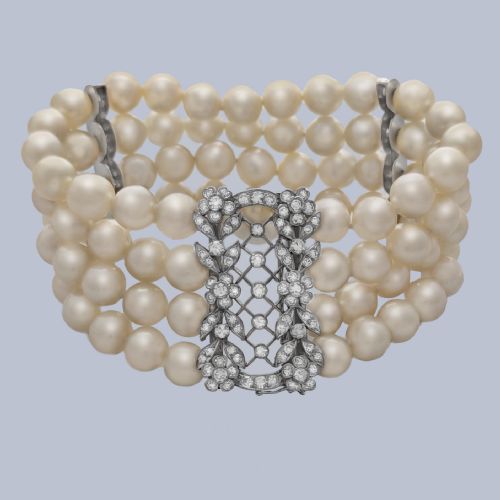
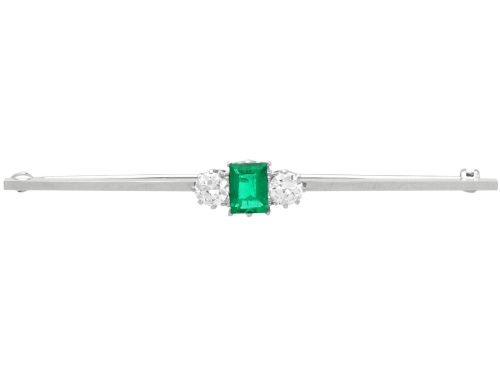
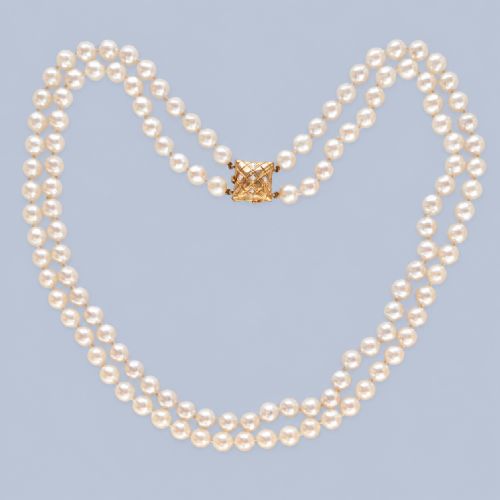
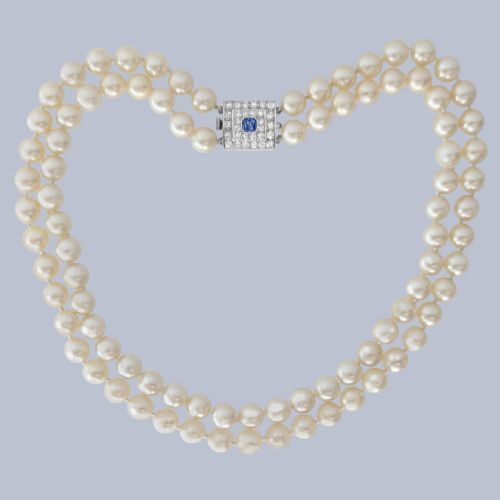
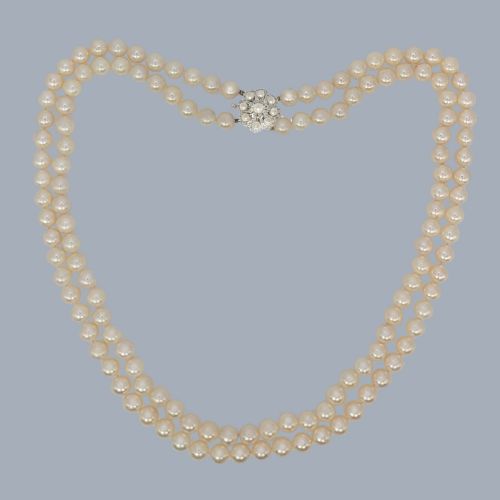
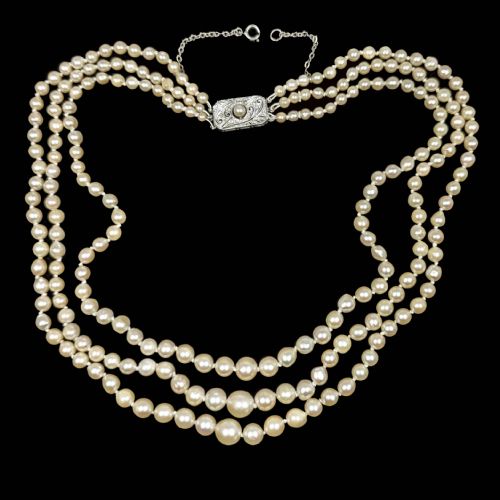
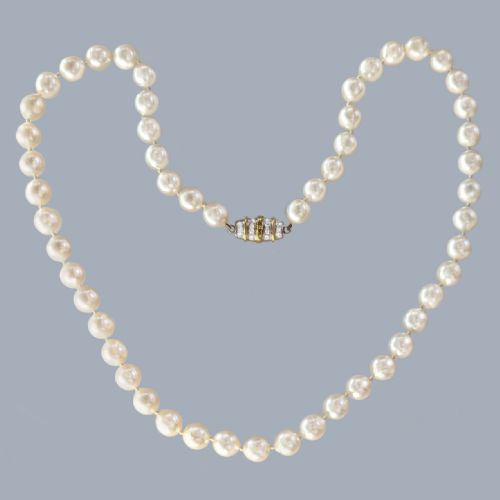
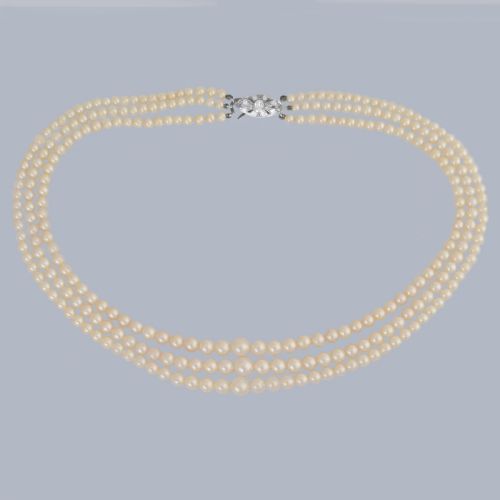
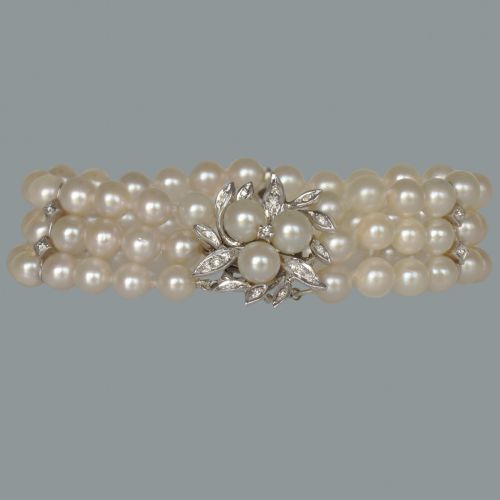
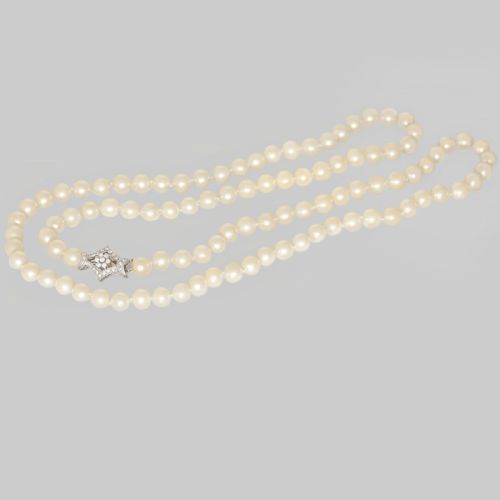
A gold diamond clasp most frequently appears as the functional yet decorative centrepiece on multi-strand pearl necklaces dating from the mid-twentieth century. These fasteners also secure bracelets, pendants, brooches and cigarette cases originating from the Victorian, Edwardian, Art Deco and Mid-Century eras.
Makers designed these clasps to be worn at the nape of the neck or displayed proudly at the front of the piece, often incorporating floral, foliate or geometric motifs. The selection spans single strand designs up to complex six strand configurations set with precious gems alongside diamonds.
Origins stretch from British workshops bearing hallmarks from London and Birmingham to French ateliers producing platinum and yellow gold mounts. The materials pair white and yellow gold with cultured or natural saltwater pearls.
How They Were Made
Goldsmiths worked in nine-carat, fourteen-carat, fifteen-carat and eighteen-carat gold, alongside platinum, shaping metal into intricate foliate, daisy and padlock forms. Stones including old cut and rose cut diamonds were securely claw or bezel set into the mounts.
Pearls were threaded in single, double, triple or multi-strand arrangements, often secured with specialised safety catches on the clasps to prevent loss during wear. Hallmarks stamped into the gold indicate assay offices in London and Birmingham alongside continental French marks.
Gold Diamond Clasp Retail Price Guide 2026
Typical asking prices for gold diamond clasp among the pieces listed under this phrase on Sellingantiques today, from the lower quarter to the upper quarter. They describe what is for sale here now, not the wider market.
A nineteenth-century golden padlock charm pendant opens to hold secrets, proving that security can be entirely charming.
What Varies in Quality
Quality rests upon the stone grading, the weight and purity of the gold, and the intricacy of the metalwork. Hand-set diamonds and certified natural saltwater pearls elevate pieces above standard cultured alternatives.
The sophistication of the clasp design dictates overall merit, ranging from simple geometric boxes to sculptural floral and foliate motifs. Hallmarks and maker marks add provenance, whilst the uniform grading and matching of the pearl strands complete the composition.
Cartier
The Gold Diamond Clasp Glossary
- Old cut diamond
- An early form of diamond cutting featuring a small table, high crown and large culet, hand-faceted before modern brilliant cutting standards were established.
- Rose cut diamond
- A traditional diamond shape with a flat base and a domed crown consisting of triangular facets that resemble an unopened rosebud.
- Cultured pearl
- A pearl created by introducing an irritant into an oyster or mollusc under human supervision, forming pearl layers over time.
- Natural saltwater pearl
- A pearl formed organically in marine molluscs without human intervention, highly prized for its natural origin and scarcity.
- Hallmark
- An official mark stamped onto precious metal items to guarantee the purity of the gold or platinum, often indicating the assay office and year of testing.
Gold Diamond Clasp: Frequently Asked Questions
How do I wear a pearl necklace with a decorative clasp?
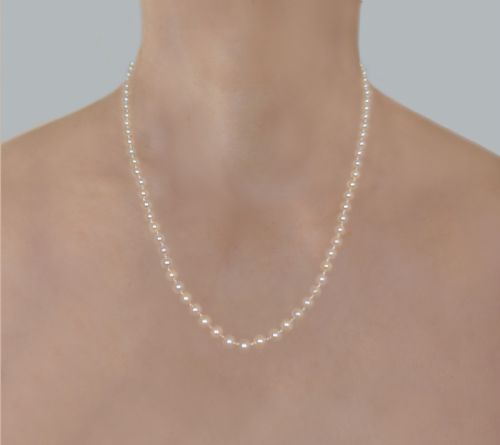
While these fasteners traditionally sit at the back of the neck, many designs featuring diamonds and coloured stones are robust enough to be rotated and displayed at the front.
Pairing a multi-strand pearl choker or necklace so the clasp acts as a pendant adds versatility to evening and formal attire.
What periods do these pieces come from?
The selection spans from the late nineteenth century through the Edwardian and Art Deco eras, extending into the mid-twentieth century.
Mid-Century examples from the nineteen-fifties and nineteen-sixties appear frequently, particularly on multi-strand pearl necklaces.
How can I tell natural pearls from cultured pearls?
Natural pearls formed without human intervention inside saltwater molluscs possess organic growth structures that differ from cultured varieties.
Official laboratory reports, such as those from AnchorCert, provide scientific verification of pearl origins and authenticity.
Are these clasps hallmarked?
Many gold mounts feature official assay office hallmarks indicating the town and year of testing, with London and Birmingham appearing across British pieces.
Continental items, particularly those originating from France, carry distinct regional maker and metal purity stamps.