



Gold Damask Accent Chair
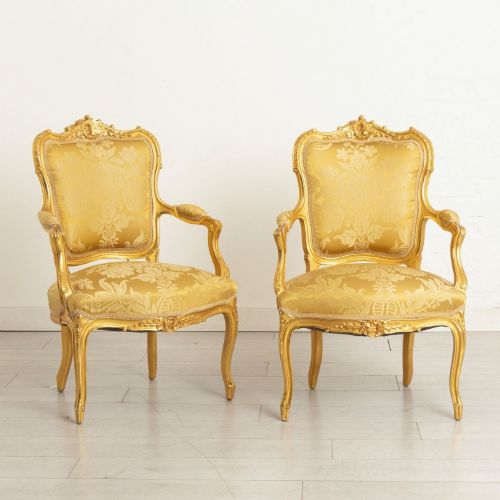
A gold damask accent chair brings pattern and presence to a room, combining carved timber frames with woven textile upholstery across several periods.
Gold Damask Accent Chair
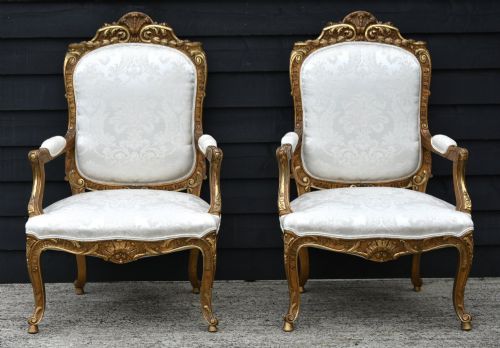
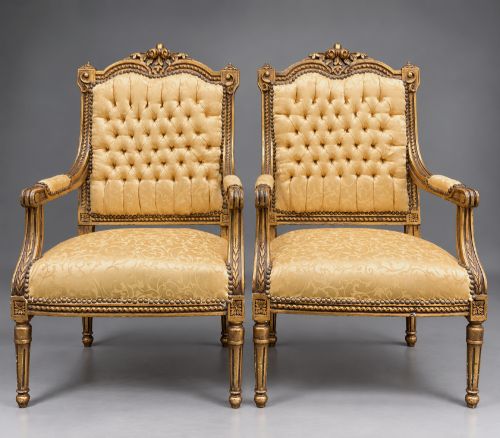
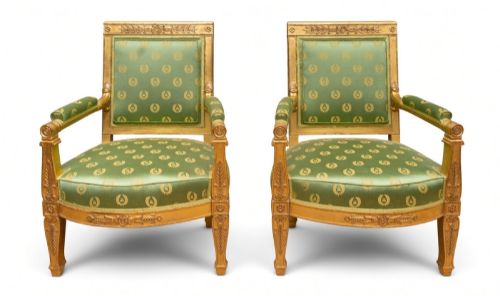
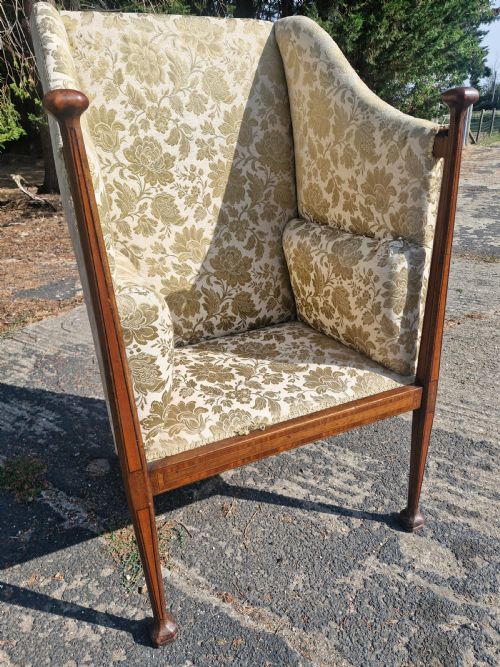
A gold damask accent chair unites seating forms from the eighteenth, nineteenth and early twentieth centuries with metallic and patterned textiles.
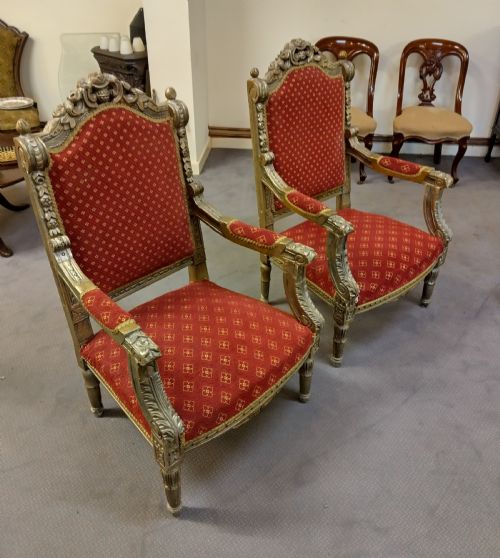
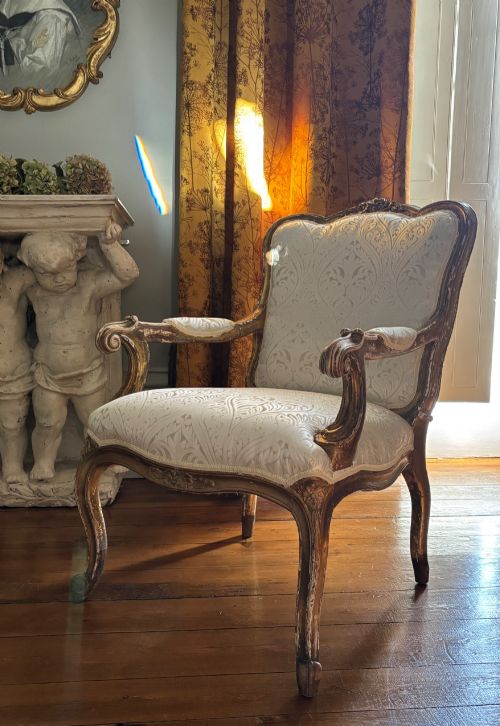
The selection here encompasses various seating shapes, including large salon chairs, open armchairs, slipper chairs and nursing chairs.
Most examples originate from French and English workshops, spanning styles from Georgian and Victorian to Louis XVI revival and Edwardian.
How they were made
Frames rely on hardwoods such as mahogany, walnut and giltwood, shaped through joinery and detailed woodcarving.
Upholstery employs damask and silk damask fabrics, often secured to frames incorporating brass details.
Low slipper chairs wait patiently in bedrooms, once built short so ladies could lace their shoes without tumbling.
What varies in quality
The refinement of the carved wooden ornament dictates the distinction between standard production and master craftsmanship.
The integrity of the structural timber and the precision of the textile weave define the enduring standard of each piece.
Jacob-Desmalter·Blaise Maucuy·Howard and Sons
The Gold Damask Accent Chair Glossary
- Damask fabric
- A reversible figured fabric with patterns formed by contrasting warps and wefts. This textile provides the characteristic sheen seen on these chairs.
- Giltwood
- Timber coated with gold leaf or gilt finish. This material creates the bright metallic frames typical of many salon chairs.
- Bergère
- An enclosed upholstered armchair with wooden framing around the sides and back. These French seats often feature exposed carved woodwork.
- Fauteuil
- An open-arm armchair with padded armrests and an exposed wooden frame. This form originated in France during the seventeenth century.
- Slipper chair
- A low-seated bedroom chair originally designed for ladies to sit upon while putting on shoes. These pieces possess short legs and upholstered frames.
Gold Damask Accent Chair: Frequently Asked Questions
Where should I place a gold damask accent chair?
These chairs suit reception rooms, drawing rooms or bedrooms where a strong decorative focal point is required.
They work well paired opposite a sofa or positioned alone as a reading seat.
Are these chairs comfortable for daily use?
Many include generous padding and upholstered armrests designed for relaxation.
Period seating ergonomics differ from modern lounge furniture, offering upright support rather than deep slouching.
How do I care for silk damask upholstery?
Protect the fabric from direct sunlight to prevent fading of the metallic and gold tones.
Gentle surface cleaning by a specialist textile conservator preserves the woven pattern.