
Georgian Cabriole Leg Chair
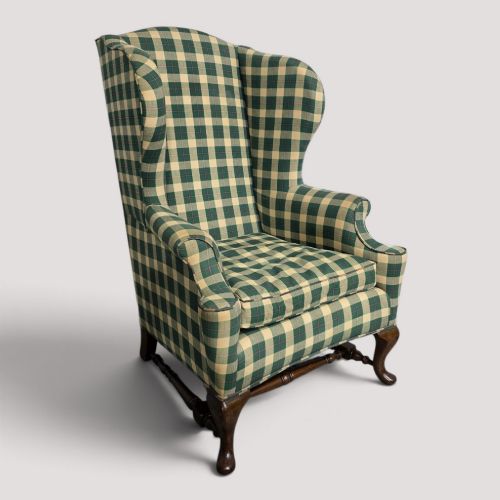
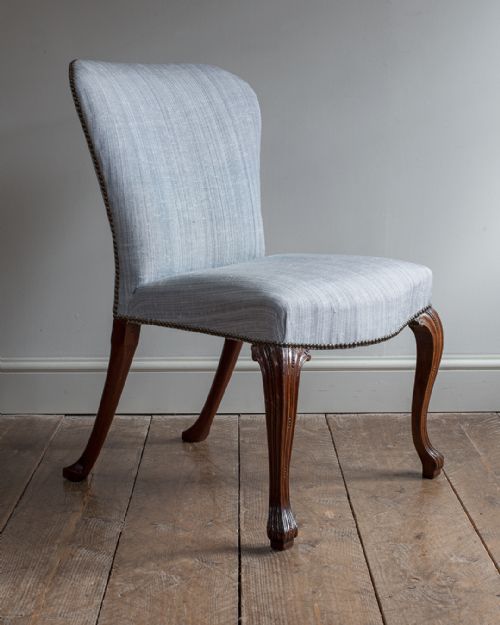
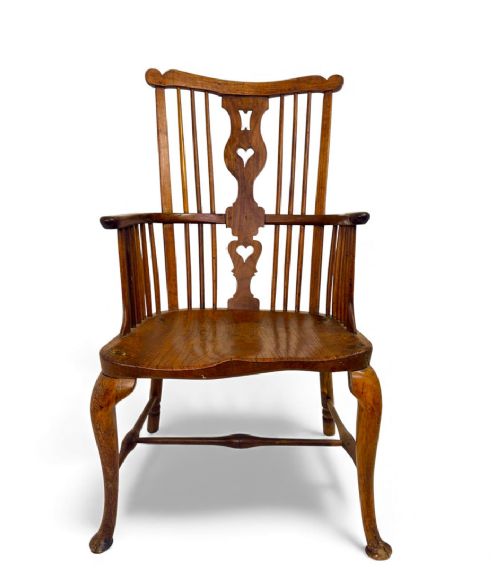
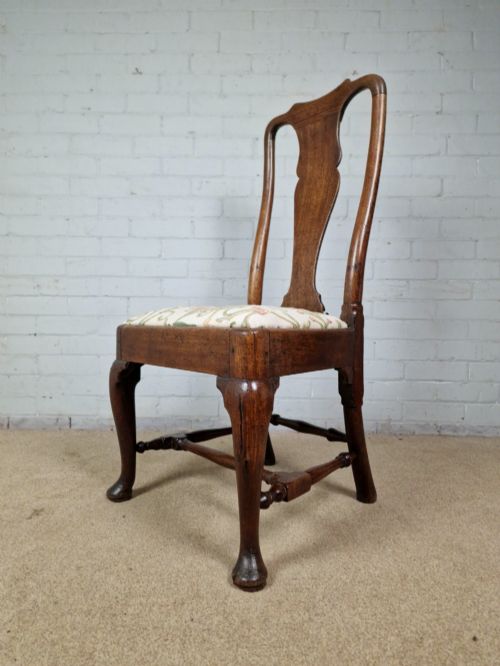
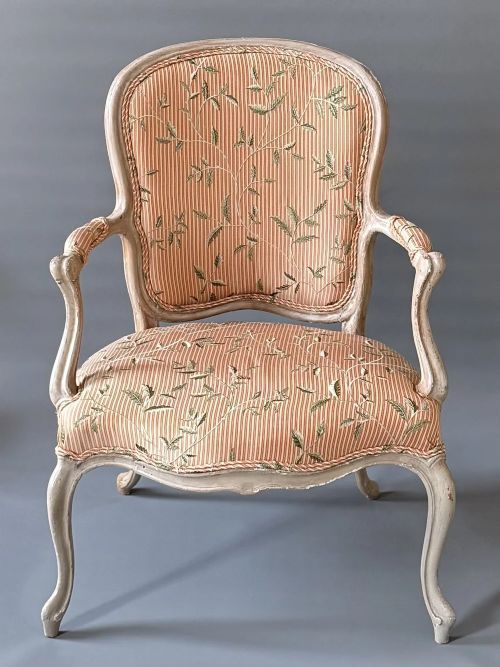
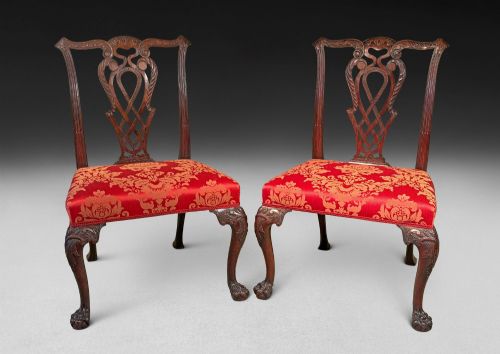
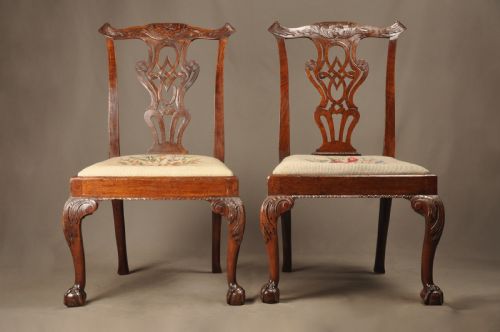
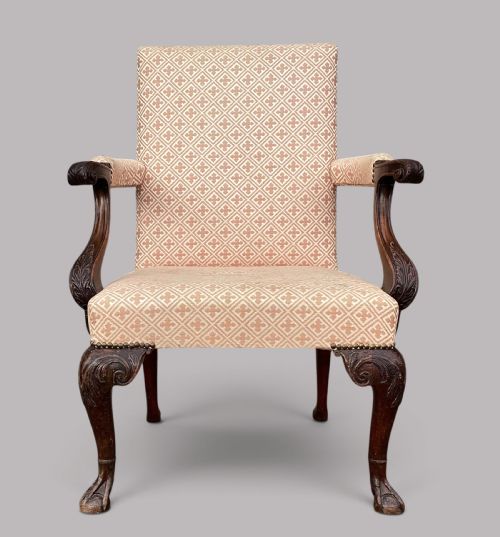
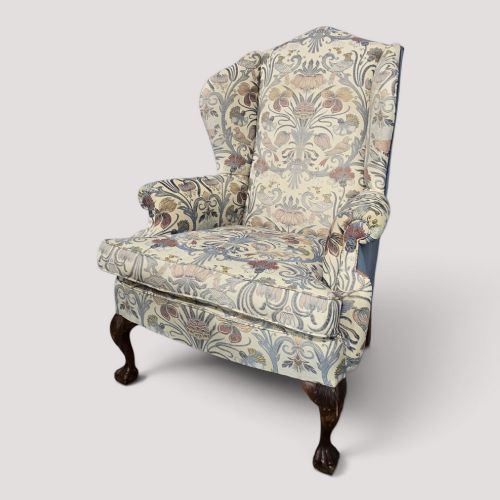
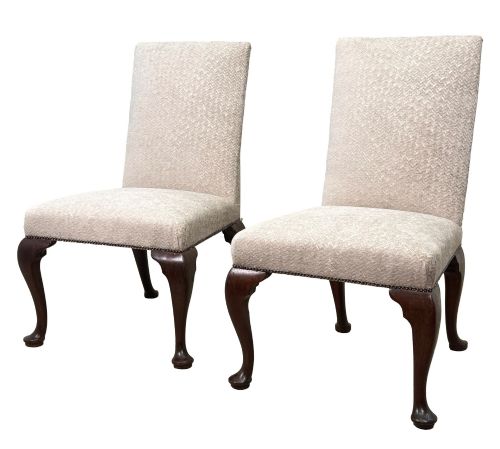
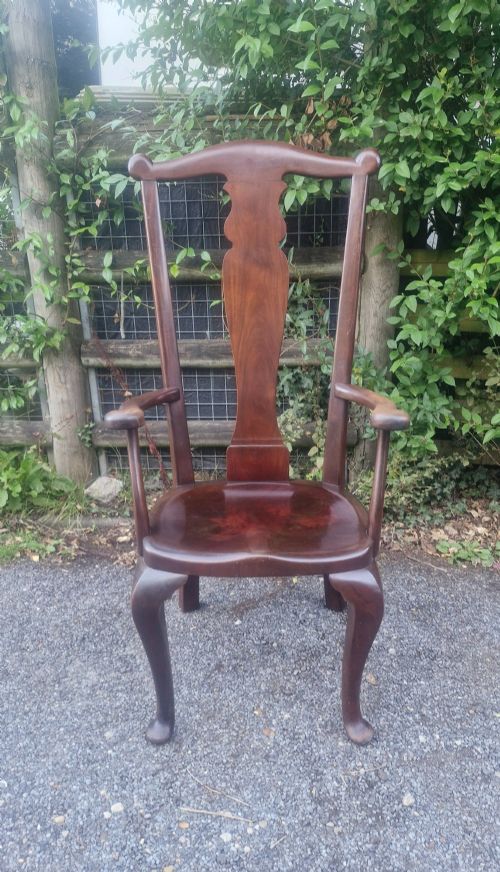
These georgian cabriole leg chair examples bring curved walnut and mahogany framing into domestic spaces.
Georgian Cabriole Leg Chair
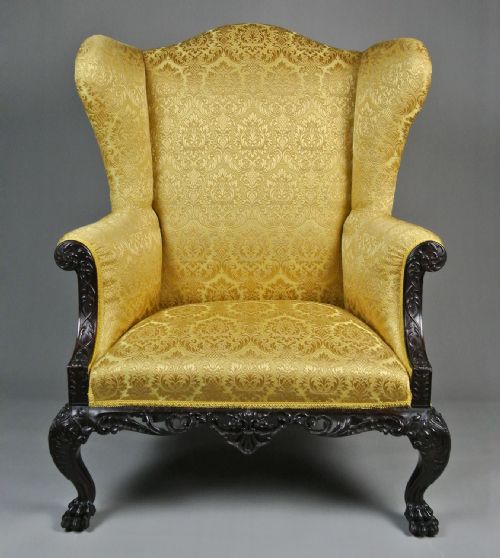
A georgian cabriole leg chair is a seating form defined by its sinuous, curving supports that swell outwards at the knee and taper down to pad or claw-and-ball feet. Buyers searching this phrase look for seating that bridges the periods of Queen Anne, George II, and later revival movements spanning into the twentieth century.
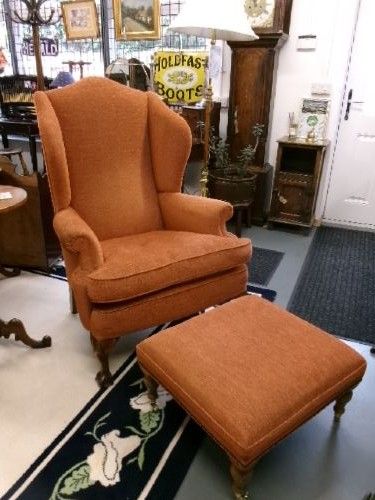
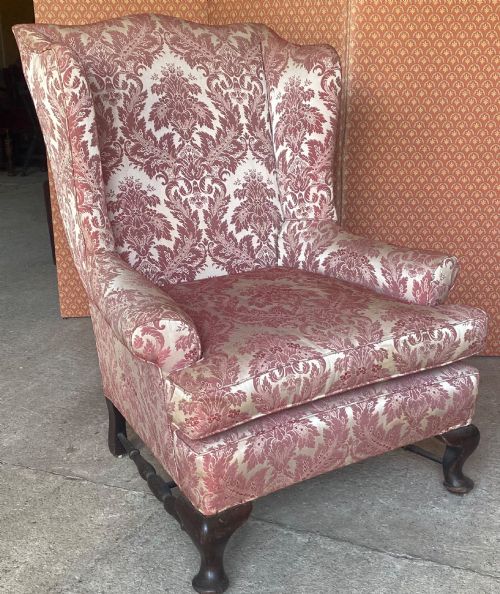
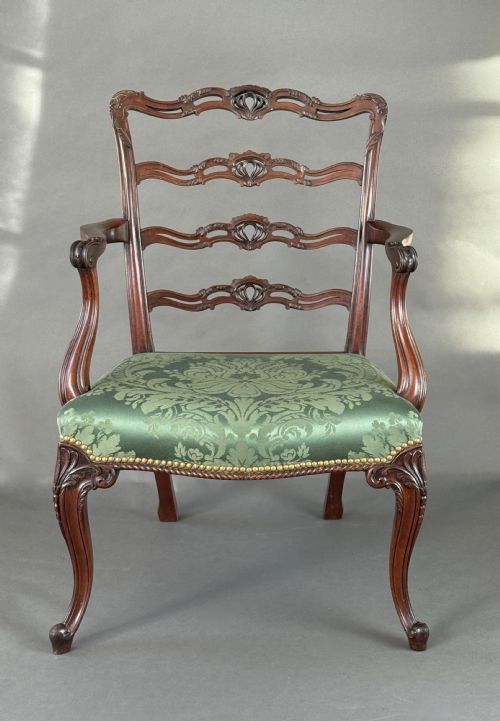
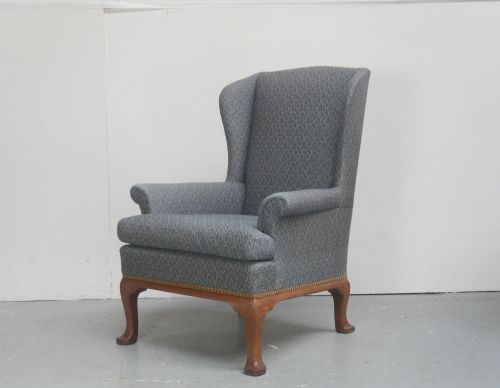
The versions most commonly met on this page include walnut and mahogany side chairs, dining chairs, and armchairs originating from the eighteenth century or constructed during later revival periods. These pieces range from simple red walnut side chairs to carved library armchairs and wingbacks upholstered in leather, fabric, or silk.
Makers and manufacturers across different eras adopted the signature cabriole profile for various forms, including corner chairs, desk armchairs, and twin chair back sofas. The selection encompasses both authentic eighteenth-century survivals and Edwardian or interwar interpretations designed in specific historical styles.
How a georgian cabriole leg chair was made
The primary timbers recorded in these listings are walnut, mahogany, and oak, selected for their structural grain and suitability for carved ornamentation. Craftsmen shaped the signature cabriole profile from solid wood blocks, often integrating pad feet, scroll feet, or carved knee details directly into the lower leg structure.
Upholstered variants incorporate drop-in seats, webbed foundations, and traditional stuffing materials covered in leather, velvet, brass-tacked textile, or silk. Frame construction frequently relies on tenons and dowels to join seat rails to upright back posts and curved stiles.
Listings feature oak, walnut, and mahogany timbers alongside velvet, leather, and silk upholstery fabrics across multiple centuries.
What varies in quality
Quality rests on the crispness of carved details on the knees and splats, the integrity of the timber joints, and the fidelity of the proportions. Examples with robust walnut or mahogany frames retain their structural balance and visual weight without appearing clumsy.
The distinction between original eighteenth-century items and later revival interpretations lies in the handling of the wood, the maturity of the patina, and the precision of the joinery. Superior pieces display seamless integration between the curving legs and the seat rail, showing careful hand-tooling rather than mechanical smoothing.
Whytock And Reid
The Georgian Cabriole Leg Chair Glossary
- Cabriole leg
- A furniture leg that curves out at the knee and tapers inward toward the foot, imitating an animal limb. This form originated in ancient China and became a defining feature of eighteenth-century design.
- Drop-in seat
- A removable wooden frame upholstered separately and dropped into a recess in the chair seat rail. This construction method allows for easy reupholstery without dismantling the main frame.
- Wingback
- An armchair featuring protective side panels attached to the armrests, originally designed to shield the sitter from draughts. These upholstered forms frequently incorporate cabriole supports.
- Corner chair
- A seating form designed to fit into room angles, featuring a diagonal seat plan and a continuous curved armrest supported by multiple legs. One leg stands directly at the front.
Georgian Cabriole Leg Chair: Frequently Asked Questions
How do I spot a true eighteenth-century chair?
Examine the construction marks, timber density, and hand-tooling on internal rails where modern machinery was absent. Genuine early pieces display natural oxidation and wear patterns consistent with centuries of use.
Compare the joinery techniques and proportions against documented examples from the Queen Anne and George II periods. Differences in wood shrinkage and tool marks help separate period survivals from later revivals.
What is the difference between walnut and mahogany?
Walnut was the favoured timber during the early eighteenth century, offering a rich grain that accepts mellow patination over time. Mahogany gained prominence later in the century, providing greater tensile strength for intricate carving.
Walnut pieces generally date closer to the Queen Anne and early Georgian eras, while mahogany chairs often align with mid-century George III or Chippendale styles.
How should I care for leather upholstery?
Keep antique leather conditioned with appropriate balms to prevent cracking while avoiding direct sunlight and excessive heat sources. Gentle dusting with a dry cloth maintains the surface without stripping historical finishes.
Inspect the tension of the underlying webbing periodically to ensure the weight of the seat distributes evenly across the frame. Avoid chemical cleaners that can alter the colour or texture of vintage hides.
Can I use these chairs for daily dining?
Many solid mahogany and walnut dining chairs retain the structural integrity required for regular daily use. Checking the stability of the leg joints and seat frames ensures safe seating.
Lighter side chairs and fragile antique forms suit decorative placement or occasional use better than heavy family dining. Assess the weight capacity and frame tightness before committing older seating to daily service.