
Gold Crest Wall Mirror
A gold crest wall mirror brings architectural weight and reflective light to a room, drawing the eye with carved ornamentation.
Gold Crest Wall Mirror
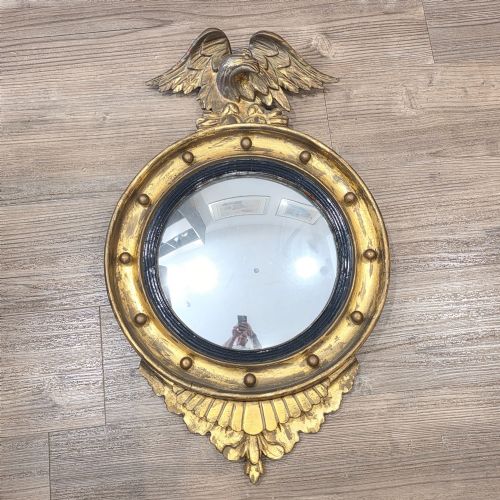
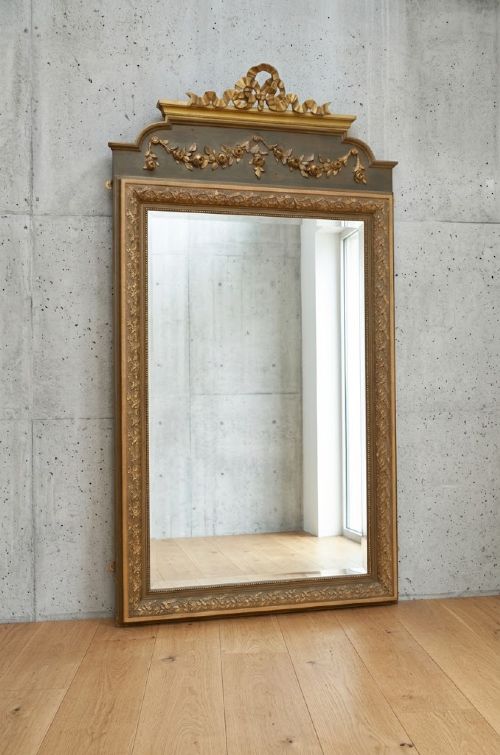
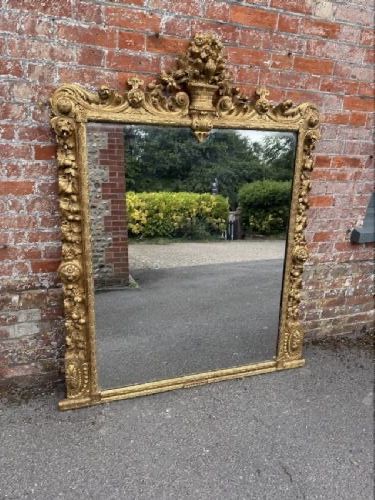
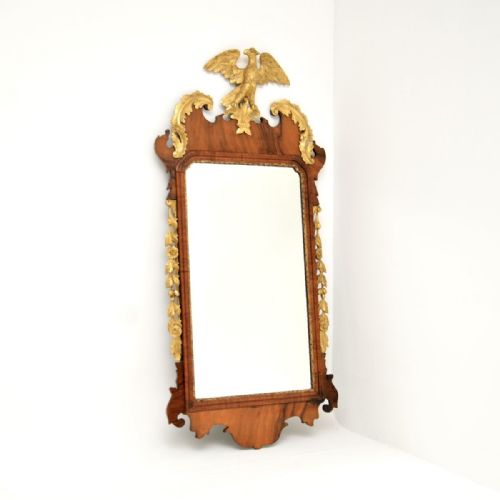
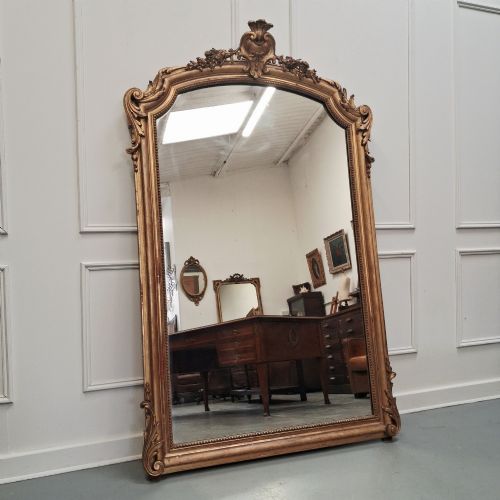
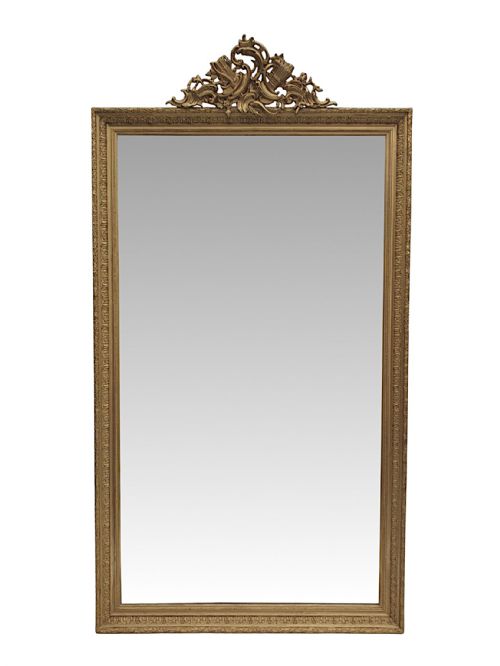
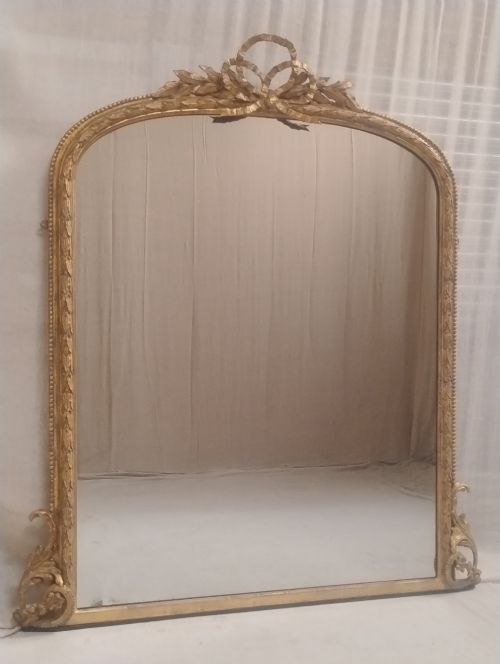
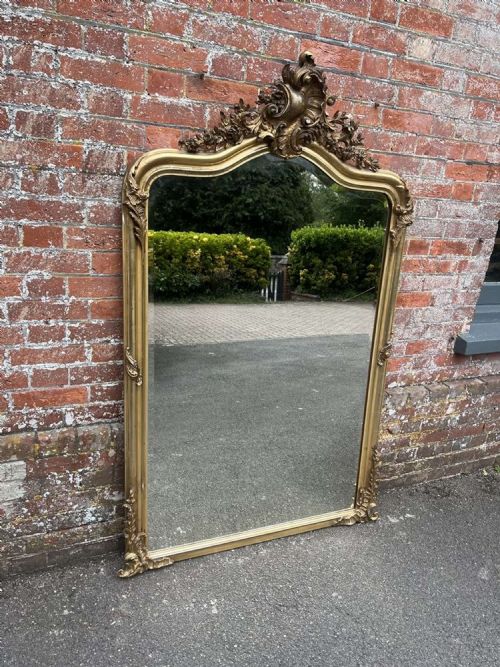
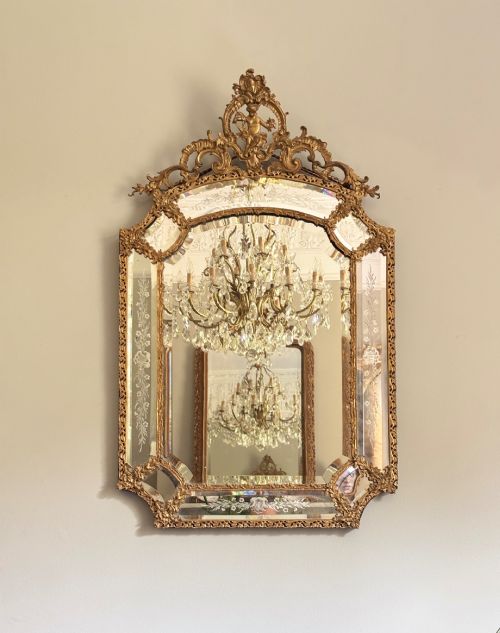
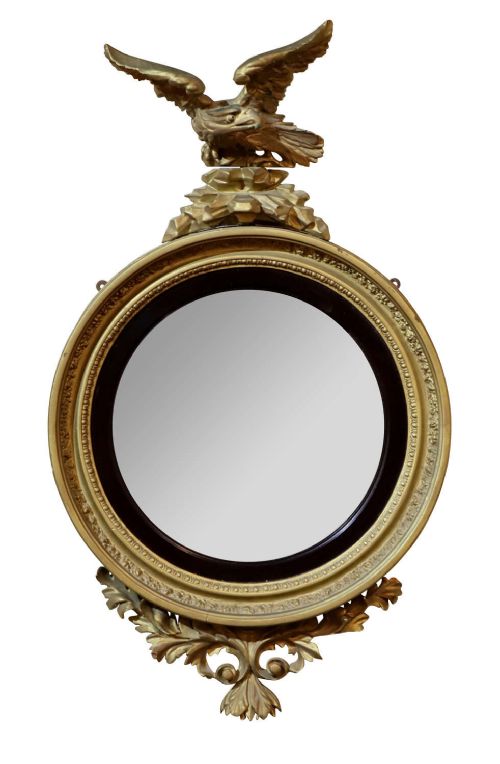
A gold crest wall mirror functions as a focal point within a room, combining reflective glass with ornate decorative framing. When searching for a gold crest wall mirror, buyers encounter pieces ranging from compact convex designs surmounted by eagles to grand overmantels and tall pier mirrors.
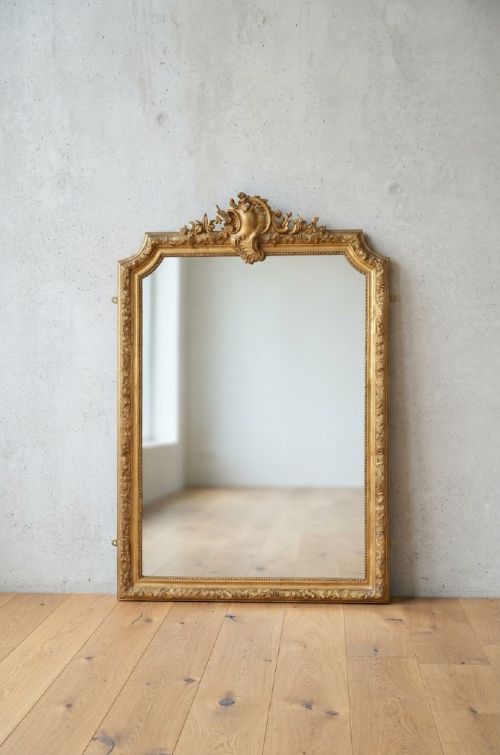
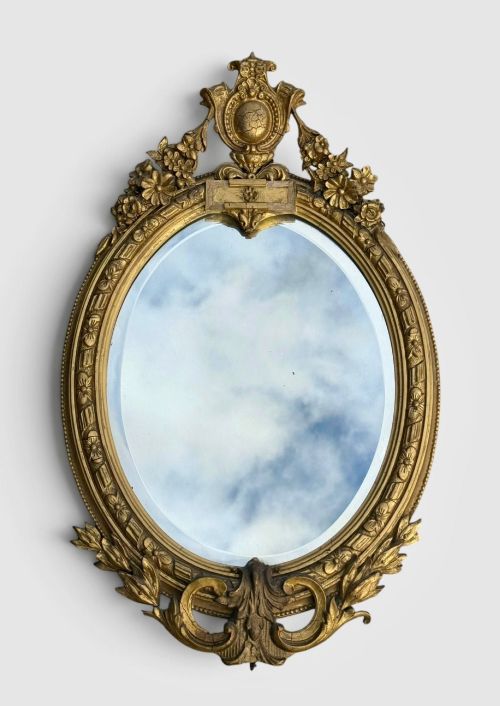
The selection on this page spans several eras, predominantly featuring 19th-century French and English pieces alongside 18th-century examples. Styles lean towards Regency, Rococo Revival, Louis XV, and Louis XVI, reflecting classical European tastes.
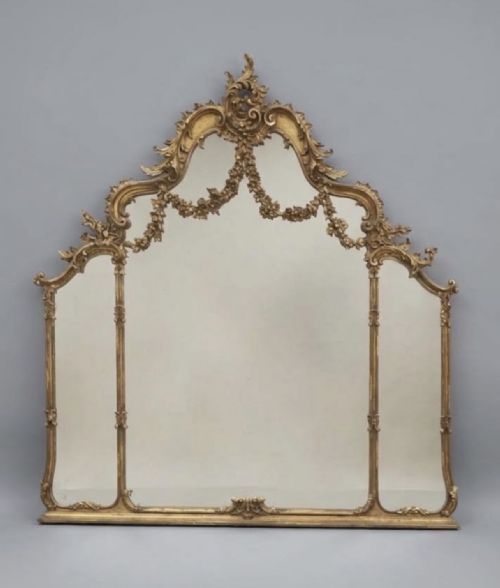
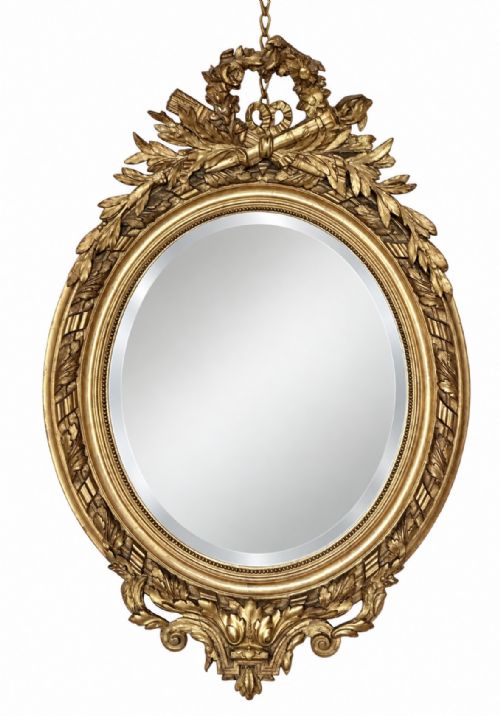
Forms vary from circular convex mirrors to rectangular overmantels and shaped-top wall mirrors. Many incorporate specific crest motifs, including ribbon crests, spread eagles, and carved woodwork.
Materials and Craftsmanship
Frames are constructed from wood, carved gesso, and giltwood, often utilising gold leaf or composition applied to a wooden base. Ebonised wood and painted wood also appear, sometimes paired with parcel-gilt details or gilt bronze frames.
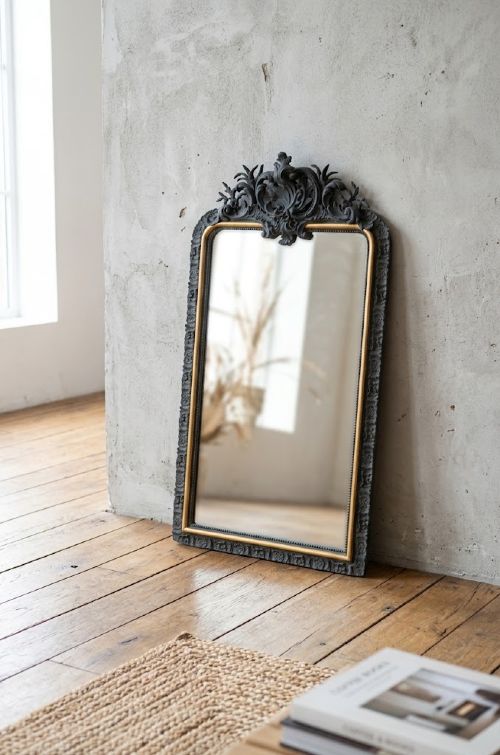
Glass plates include original bevelled glass and foxed mercury glass, fitted into frames shaped through traditional joinery and carving techniques. Surface treatments range from bright gold leaf application to subtle painted contrasts like olive green or black.
Listings feature 18th-century, 19th-century, and Regency periods, utilising materials such as giltwood, gesso, ebonised wood, and mercury glass.
Distinctions in Quality
The depth and crispness of the hand-carved wood and gesso ornamentation separate standard production from finer work. Superior examples display intricate detailing in motifs like eagles, ribbons, and foliage that remains sharp beneath the gilding.
The integrity of the original mercury or bevelled glass plate and the preservation of the underlying giltwood or gold leaf heavily influence the character of the piece. Subtle ageing on the glass and intact gilding reflect the original craftsmanship.
The Gold Crest Wall Mirror Glossary
- Giltwood
- Wood that has been coated with gold leaf or powder. This finish gives antique mirrors their characteristic metallic sheen.
- Gesso
- A plaster-like mixture applied to wood frames to create a smooth surface for carving and gilding. It allows for intricate relief ornamentation.
- Convex mirror
- A round mirror with a curved glass surface that provides a wide, distorted reflection of the room. These often feature eagle surmounts.
- Overmantel mirror
- A large mirror designed to hang above a fireplace mantel. These pieces typically stretch horizontally to fill the wall space.
- Pier mirror
- A tall, narrow mirror designed to hang on the wall space between windows. They often reach impressive heights.
Gold Crest Wall Mirror: Frequently Asked Questions
Where should I hang an overmantel mirror?
An overmantel mirror traditionally hangs directly above a fireplace mantel to reflect light and anchor the room's proportions.
Ensure the wall fixings can support the substantial weight of carved wood and gesso frames before mounting.
What is foxed glass?
Foxed glass refers to mirror plates that show age-related spots, oxidation, or darkening behind the glass. This occurs as the silvering deteriorates over decades.
Many collectors value foxed mercury glass for the authentic antique character it brings to a room.
How do I date a giltwood mirror?
Dating relies on examining the construction methods, wood types, and stylistic motifs present in the frame. Regency pieces often feature convex forms with eagles, while Rococo Revival pieces show asymmetrical scrollwork.
Backboards, screw types, and the composition of the gesso also provide clues to the period of manufacture.