

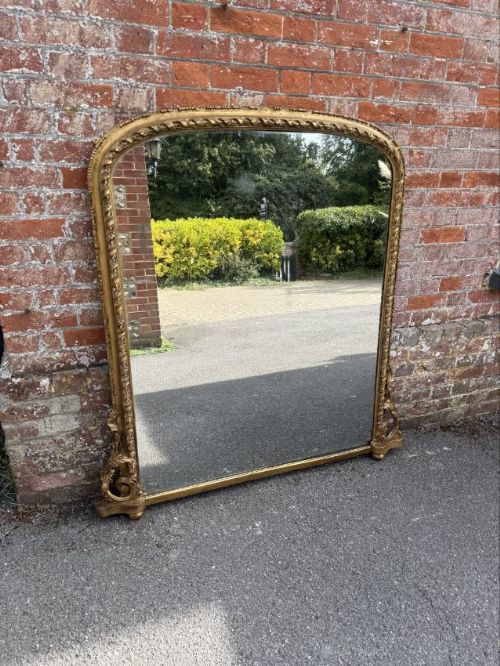
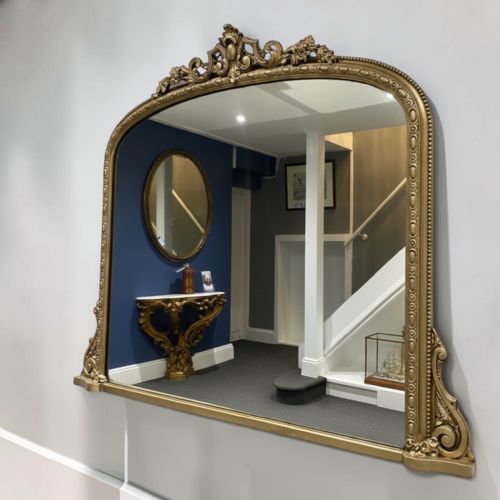
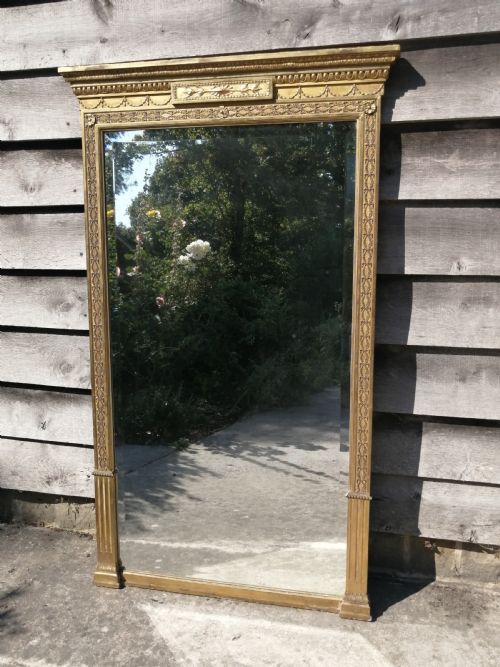
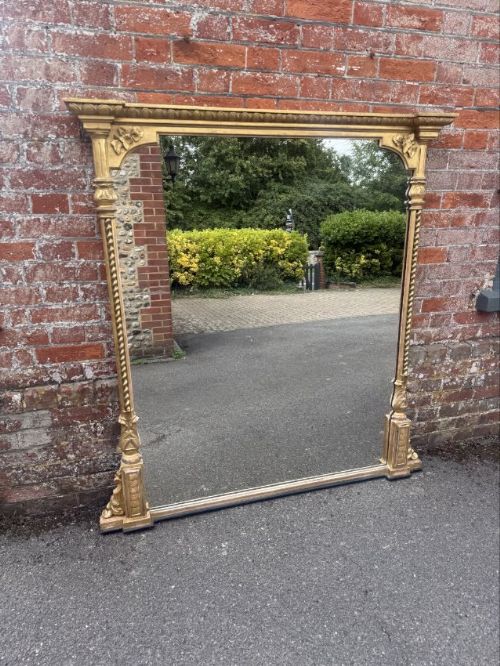
Gold Chimney Glass Mirror
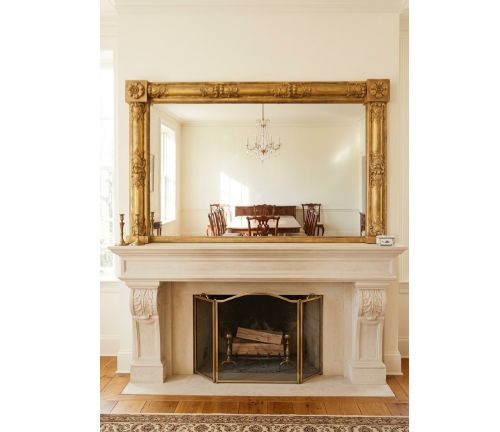
A gold chimney glass mirror brings warmth and reflective breadth to a room, anchoring a fireplace with period proportion.
Gold Chimney Glass Mirror
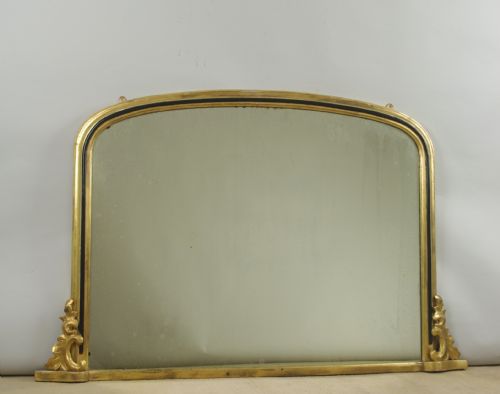
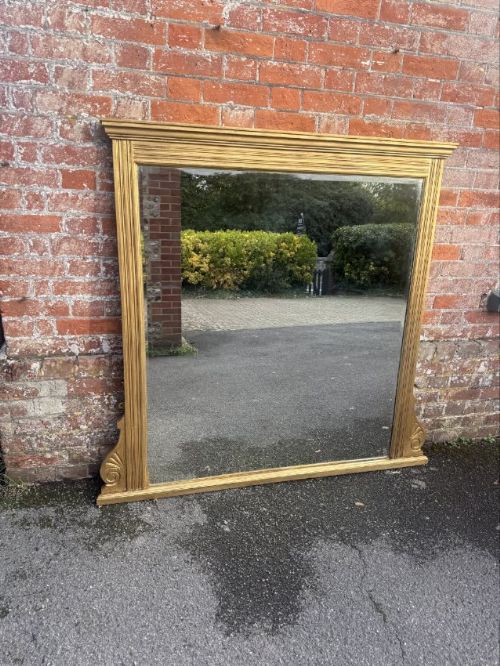
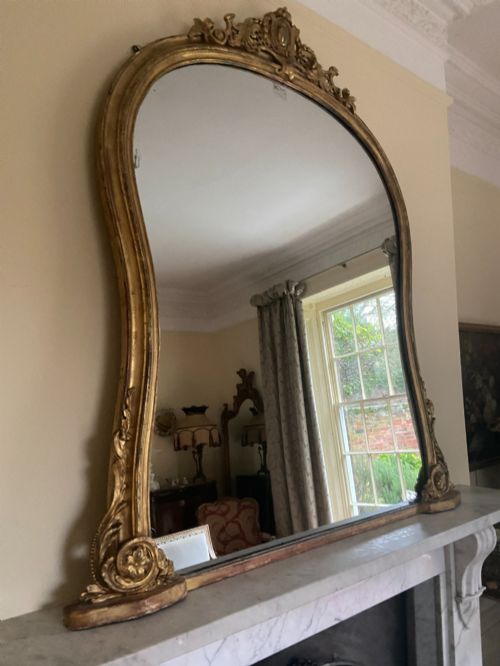
A gold chimney glass mirror, commonly referred to in the trade as an overmantel mirror, is designed specifically to sit above a fireplace mantelpiece. The listings span the nineteenth century, including Regency, Victorian, and Edwardian periods, alongside Georgian and occasional revival styles.
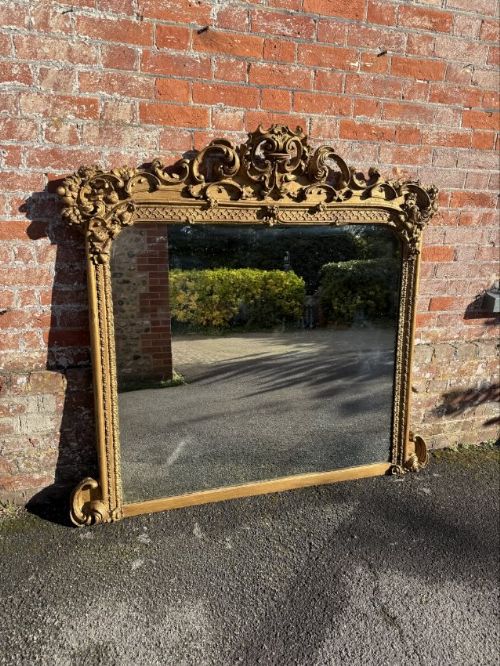
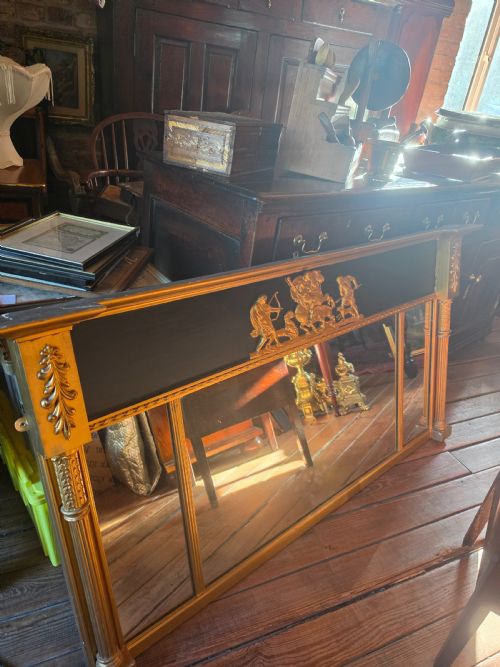
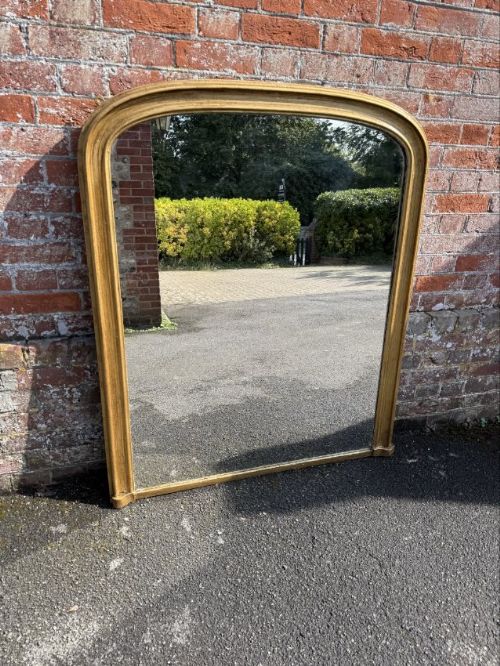
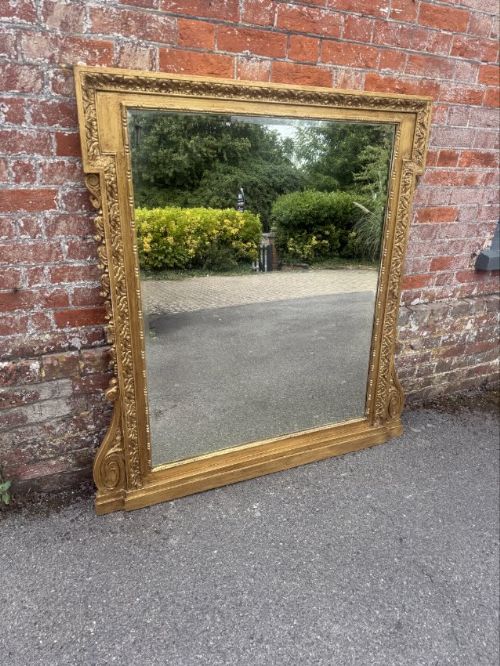
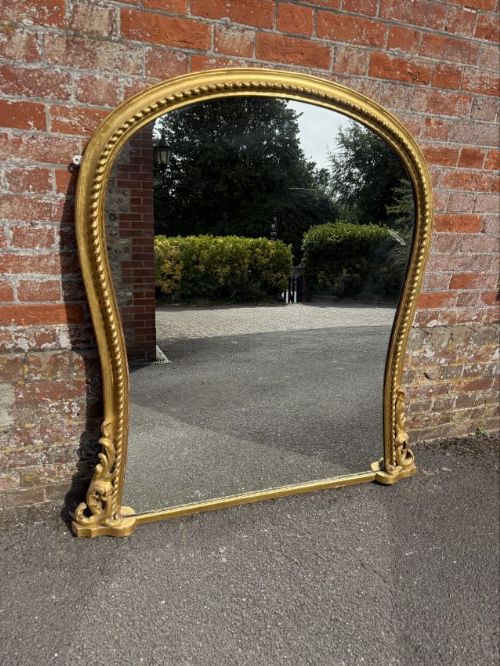
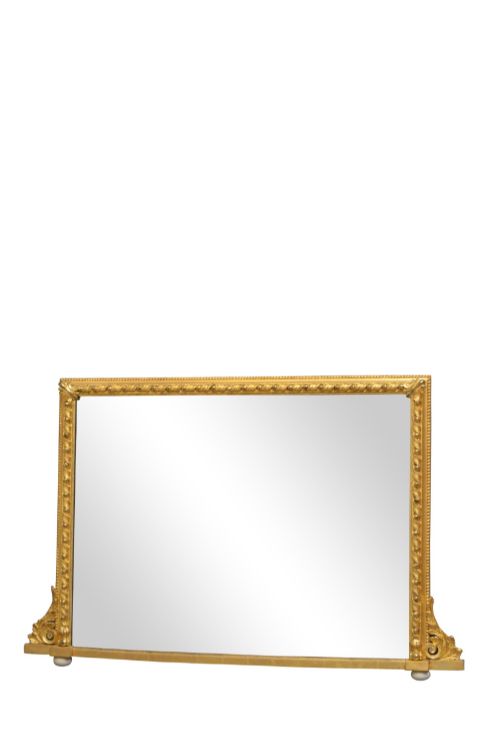
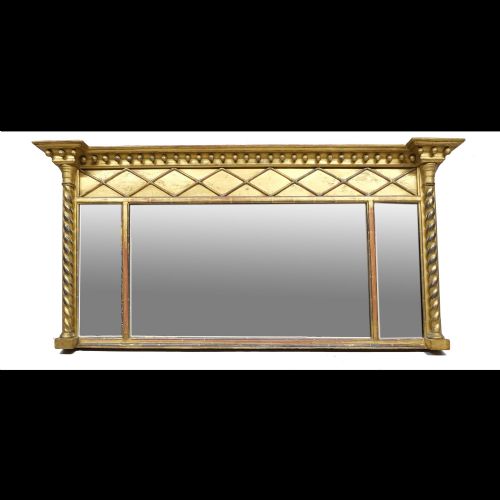
Most examples found here take the form of large wall mirrors, often featuring arched tops, shaped frames, or compartmentalised plates. These pieces reflect light deep into living spaces while serving as the visual anchor of a traditional chimney breast.
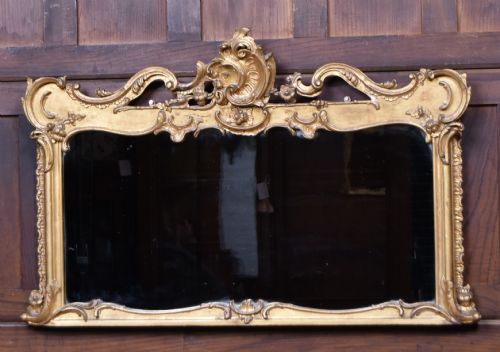
The aesthetic draws heavily from Neoclassical, Rococo, and Chippendale traditions, incorporating architectural elements like columns, rope twists, and pediments. They range from restrained Regency frames to ornate Victorian and Edwardian interpretations.
Materials and Craftsmanship
Carved wood and gesso form the structural base of the traditional gilt frame, providing the malleable surface required for intricate moulding and relief work. Artisans applied gold leaf or composition material over this preparation to achieve the characteristic metallic sheen.
Mirror glass panels are frequently set within the wooden framework, sometimes featuring original foxing that indicates age. Ebonised wood details and mahogany also appear in certain periods to create contrast against the gilt surfaces.
Gold Chimney Glass Mirror Retail Price Guide 2026
Typical asking prices for gold chimney glass mirror among the pieces listed under this phrase on Sellingantiques today, from the lower quarter to the upper quarter. They describe what is for sale here now, not the wider market.
Certain Irish country house mirrors feature whimsical carved details, including perching birds and squirrels peering out from the gilt frames.
Assessing Quality and Character
The depth and crispness of the carved wood and gesso ornamentation distinguish finer frames from simpler production pieces. Hand-worked details, such as rope twists, ribbed columns, and figural carvings like Ho Ho birds, demonstrate a higher tier of craftsmanship.
The integrity of the mirror glass itself contributes significantly to the character of the piece, with original silvering and foxing preserved across many antique examples. Structural joinery and the retention of the original gilding further separate superior survivals from later restorations.
The Gold Chimney Glass Mirror Glossary
- Overmantel mirror
- A large horizontal or tall mirror designed to hang specifically above a fireplace mantel. These pieces frequently dominate the wall space of a formal reception room.
- Gesso
- A plaster-like material applied to wood frames and carved into intricate decorative motifs before gilding. It provides the smooth, receptive surface needed for gold leaf.
- Foxing
- The natural ageing of mirror glass resulting in small dark spots or speckled discolouration. This chemical process occurs within the silver backing over decades.
- Trumeau mirror
- A decorative wall mirror often incorporating a painted panel or detailed woodwork above the glass plate. They originated in eighteenth-century interior design.
- Giltwood
- Timber that has been coated with gold leaf or gold paint. It reflects candlelight and daylight effectively within period interiors.
Gold Chimney Glass Mirror: Frequently Asked Questions
Where should an overmantel mirror hang?
These mirrors are traditionally positioned centrally on the chimney breast directly above the fireplace opening. Their scale is proportioned to reflect the hearth and balance the weight of the surround.
Lower placement close to the mantelpiece integrates the glass with the room's architecture, creating a unified focal point for the space.
How do I identify a Regency mirror?
Regency pieces often display restrained Neoclassical lines, reeded frames, and classical architectural motifs. They date from the early nineteenth century and favour symmetry.
Proportions tend to be elegant and architectural, avoiding the heavier ornamentation seen in later Victorian revival pieces.
What is foxed glass?
Foxed glass refers to the natural oxidation of the reflective backing over time, causing atmospheric spots and a softened reflection. This ageing process is valued by collectors for authenticity.
It distinguishes antique plates from modern replacements and adds depth to the visual character of the mirror.
Are these mirrors heavy to hang?
Antiques built from solid wood, gesso, and thick glass possess substantial weight requiring secure wall fixings. Professional installation into masonry or reinforced studwork is standard practice.
Weight distribution across the frame structure must be supported properly to protect the antique joinery.