
Gold Chain with Pendant
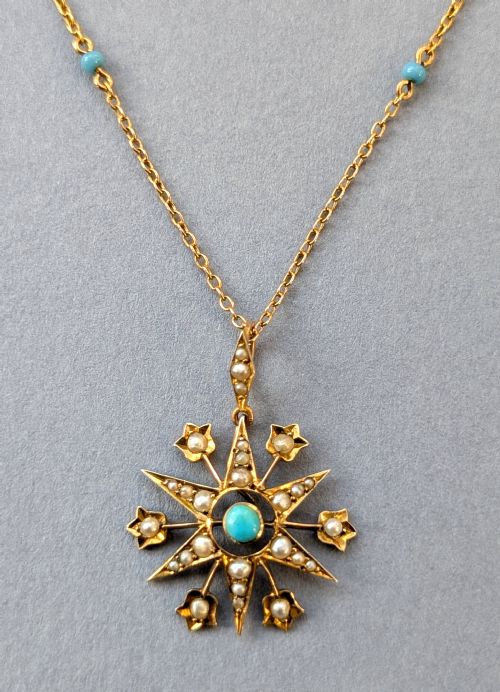
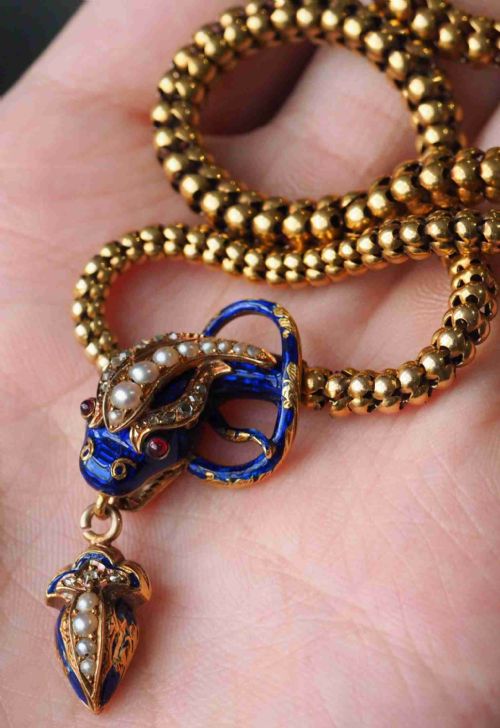
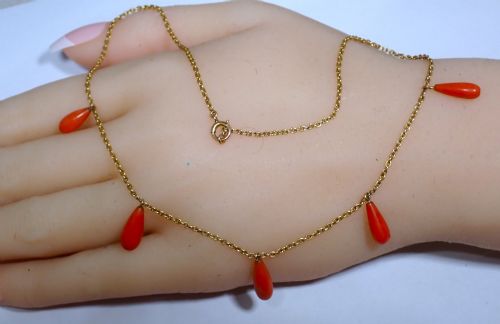
A gold chain with pendant pairs precious metal links with a suspended gemstone or drop, offering a wearable piece of history from Victorian times to the mid century.
Gold Chain with Pendant
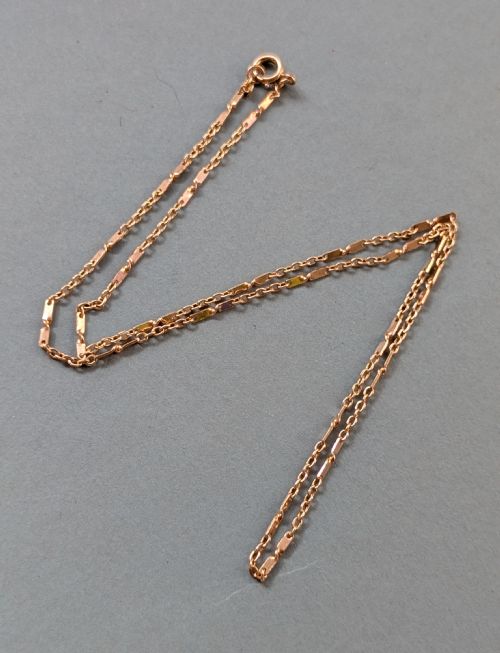
A gold chain with pendant combines flexible link neckwear with a fixed or removable centrepiece, drawing on styles from the Victorian era to the mid-twentieth century. These items range from delicate Edwardian drop designs to robust 1930s slide chains and heavier mid-century gemstone mountings.
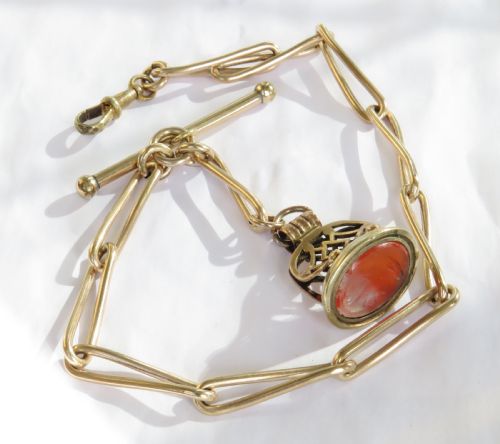
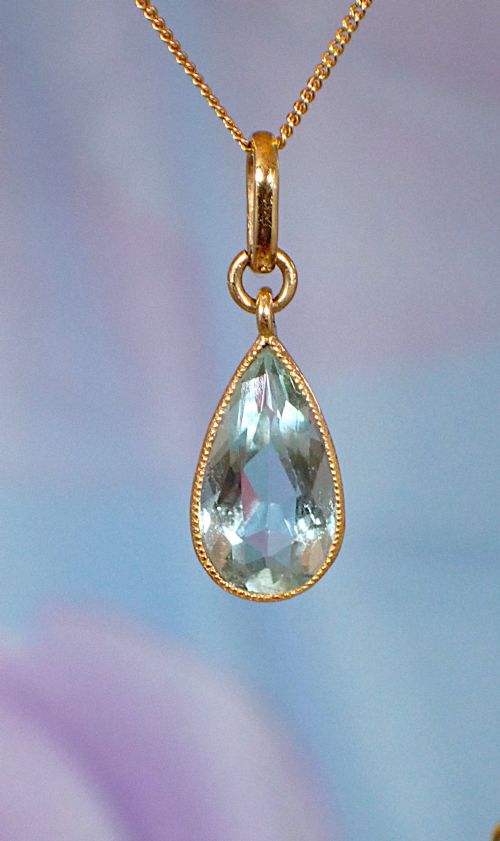
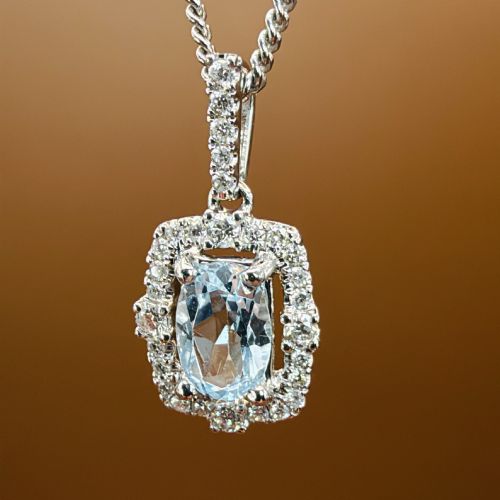
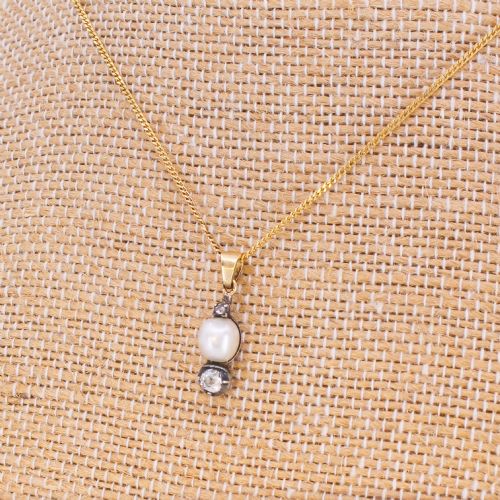
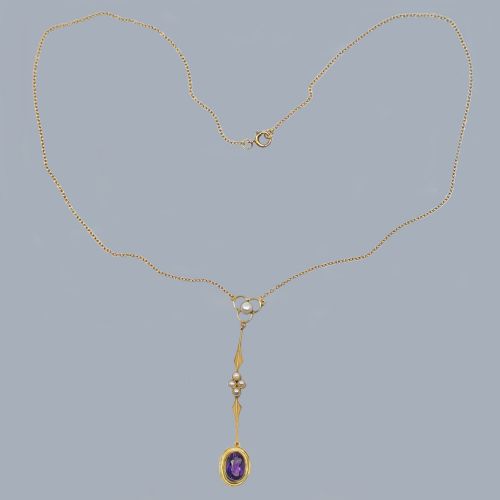
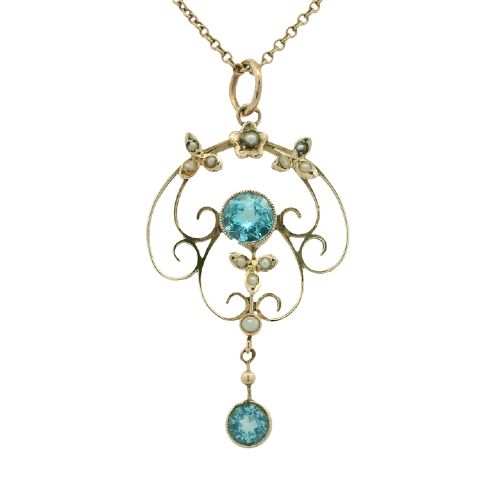
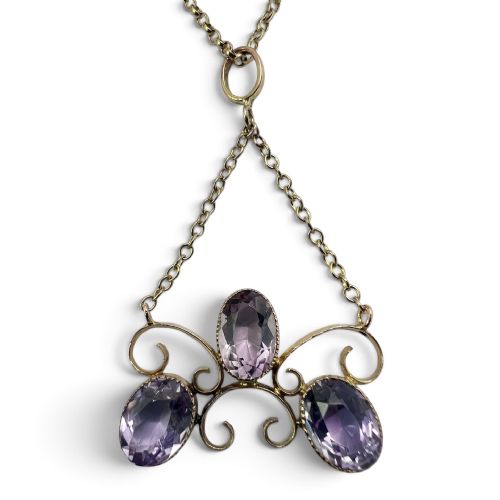
The pieces appearing most frequently on this page include Victorian and Edwardian iterations set with amethysts, pearls, and garnets, alongside later twentieth-century examples utilising blue topaz, opals, and diamonds. Buyers encounter everything from formal cluster pendants to utilitarian trombone and Albert links fitted with dog clips and T-bars.
Originating across distinct historical periods, these necklaces reflect the changing tastes of jewellers who paired hollow or solid gold with local stones and imported gems. Each specimen preserves the fastening methods and link configurations characteristic of its decade of manufacture.
Materials and construction
Craftsmen built these items primarily in nine-carat and fourteen-carat yellow, rose, and white gold, sometimes employing higher purities for specific components. Links were hand-assembled or stamped, while settings relied on collet mounts and claw techniques to secure stones.
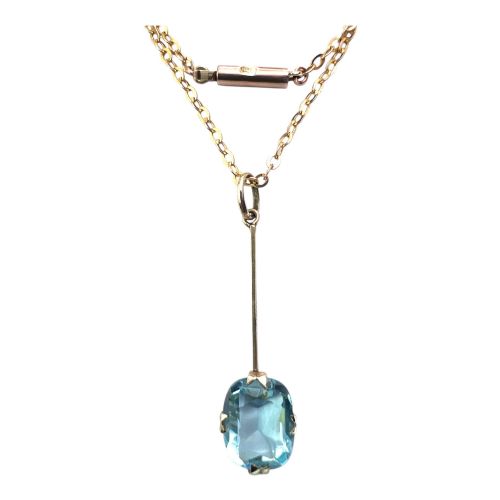
Pendants frequently incorporate natural gems such as garnets, peridots, amethysts, and seed pearls, alongside occasional paste substitutes. Jewellers fastened these stones to chains through soldered rings or integrated bails that allowed the drop to move freely along the neck.
The listings on this site record items spanning from the Victorian era through the Edwardian period, 1920s, 1930s, 1940s Retro Modern, and Mid-Century Modern eras.
Distinctions in craftsmanship
Quality in a gold chain with pendant lies in the integrity of the link construction and the security of stone settings. Superior examples display crisp chasing on the gold work and well-matched natural gemstones without surface abrasions.
The weight of the gold relative to the length of the chain dictates durability, distinguishing substantial pieces from lighter hollow alternatives. Expert claw work and fully intact original clasps or dog clips further elevate an item above standard production.
The Gold Chain with Pendant Glossary
- Dog clip
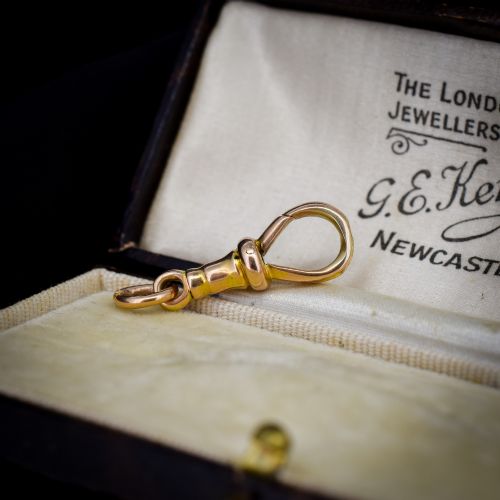
- A spring-loaded swivel fastener commonly found on antique watch chains and heavier necklaces. It allows the wearer to attach pendants or secure the chain to a T-bar.
- Slide chain
- A necklace featuring a movable slide mechanism that holds the pendant or adjusts the drop length. This form gained popularity during the early twentieth century.
- T-bar
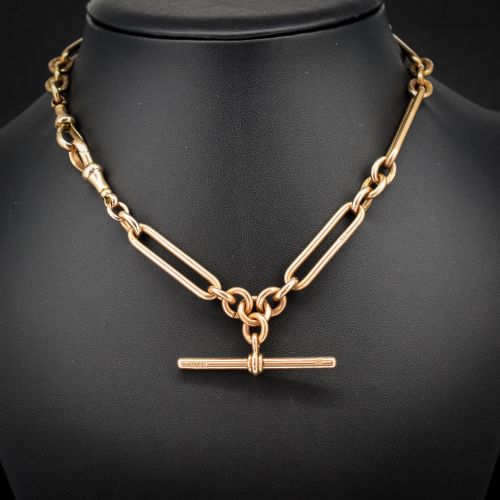
- A horizontal metal bar attached to the centre of a chain, historically used to secure a pocket watch through a waistcoat buttonhole. In necklace form, it hangs as a decorative toggle.
- Paste
- Hand-cut glass or lead crystal used to imitate precious gemstones in antique jewellery. It demonstrates high refractive properties despite lacking natural mineral origins.
- Seed pearl
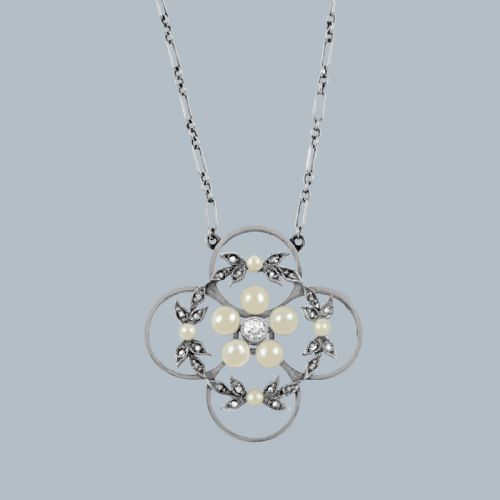
- A very small, naturally occurring pearl, often pierced and threaded onto silk or secured in clusters. Victorian and Edwardian jewellers utilised them extensively to frame central coloured stones.
Gold Chain with Pendant: Frequently Asked Questions
How do I date a gold chain with pendant?
Dating relies upon examining the clasp mechanisms, link shapes, and the cut of any set gemstones. Victorian and Edwardian examples often feature closed-back settings or hand-engraved details, whereas mid-century pieces display cleaner geometric lines and different gold purities.
Hallmarks stamped on the jump rings or dog clips provide official assay office stamps and date letters. Comparing the overall design against known periods like the 1930s or 1940s helps narrow down the year of manufacture.
Were these chains originally made with their pendants?
Many antique chains and pendants were paired together during their original period of retail, while others represent later marriages of compatible items. Elements such as matching gold colour, wear patterns, and uniform patination indicate whether the components started life together.
Historical utility chains, including Albert and trombone links, frequently received pendants added later by owners who utilised the sturdy links to suspend a decorative drop. Inspecting the attachment rings for previous solder marks reveals this history.
How should I care for antique gold and gemstone necklaces?
Maintenance requires gentle cleaning with a soft cloth and warm soapy water, avoiding harsh chemical dips that damage soft organic gems like pearls and opals. Pearls are particularly sensitive to perfumes and cosmetics, requiring separate storage to prevent surface scratching.
Storing the necklace flat in a lined box prevents the delicate links of a gold chain from kinking or tangling under pressure. Regular checks by a jeweller ensure that claw settings holding stones like amethysts and garnets remain tight.
What is the difference between solid and hollow gold chains?
Solid gold chains consist entirely of precious metal throughout their links, offering greater weight and long-term durability. Hollow chains are constructed from thin gold tubing shaped around a base core or left empty, reducing weight and cost.
While hollow chains provide a substantial look without heaviness on the neck, they show susceptibility to dents and crushing under pressure. Solid links resist daily wear far better and tolerate the addition of heavier pendants.