


Diamond Pendant on Chain
A diamond pendant on chain combines glittering stones with precious metal to create a timeless neck ornament spanning Victorian, Edwardian and mid-century eras.
Diamond Pendant on Chain
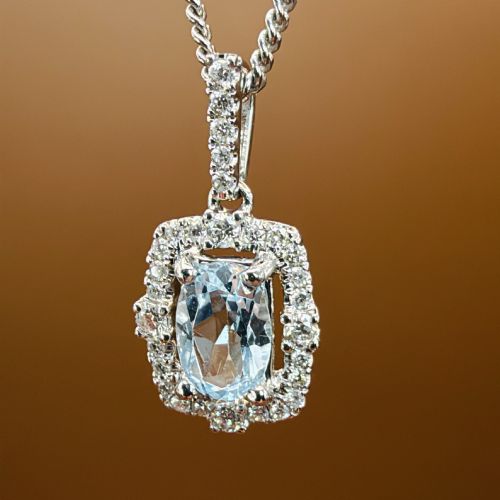
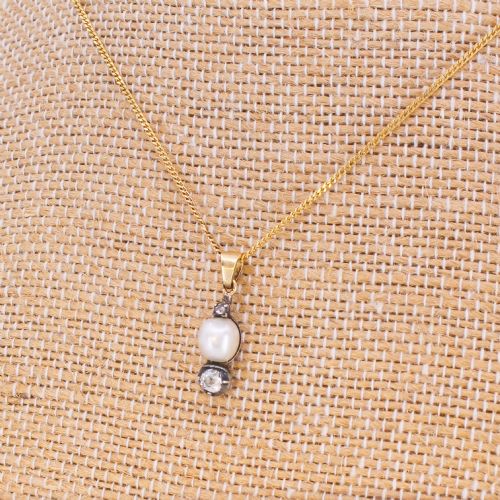
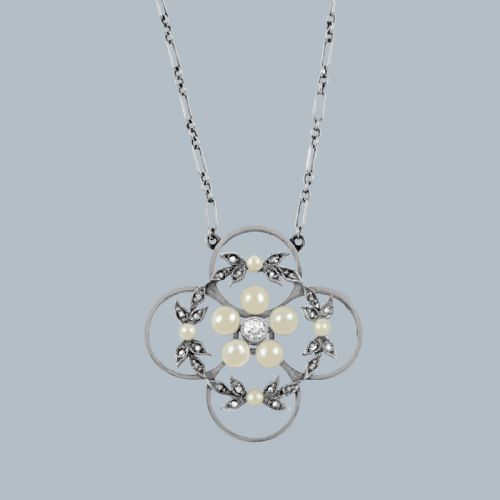
A diamond pendant on chain comprises a suspended decorative element hung from a matching metal neck chain, frequently encountered in cluster, solitaire or drop configurations. The pieces recorded here span from the mid-nineteenth century through the Edwardian period and into the nineteen-fifties and sixties.
Buyers examining this phrase encounter numerous variations incorporating coloured gemstones alongside diamonds, including sapphires, rubies, amethysts and opals. Edwardian and Victorian iterations often display intricate platinum settings or yellow gold work, whereas later twentieth-century examples lean towards structured cluster and solitaire designs.
Pendant forms range from simple starbursts and hearts to elaborate floral motifs and multi-stone arrangements. Chain types vary correspondingly, matching the specific metal purity and tone of the pendant suspended below it.
Materials and construction methods
Construction relies heavily on precious metals such as nine-carat and eighteen-carat gold, alongside platinum for Edwardian and later pieces. Stones are secured using traditional claw, bezel or pave settings designed to maximise light passage through the diamonds.
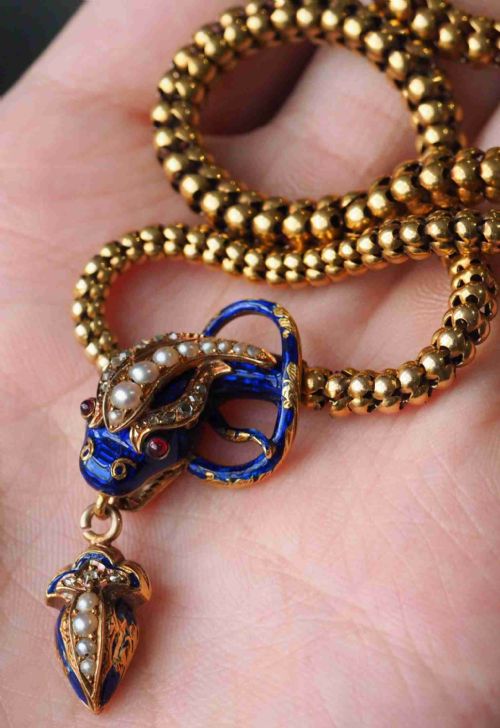
Early twentieth-century and Victorian items frequently employ platinum-topped gold techniques, combining the strength of platinum with the warmth of gold beneath. Gemstones such as natural pearls, aquamarines and emeralds are integrated alongside cut diamonds using hand-worked mounts.
Materials recorded across the archive include platinum, nine-carat gold, eighteen-carat white gold and natural pearls.
Quality factors in construction and stones
Quality depends on the precision of the stone setting and the matching of the pendant to its chain. Superior pieces demonstrate secure, even claw work and harmonious integration between the central diamond and any accompanying coloured gems.
The choice of base material also defines the tier, with heavier platinum and eighteen-carat gold mountings generally indicating higher production standards than lighter nine-carat alternatives. The overall balance of the design and the condition of the metalwork dictate the standard of each item.
The Diamond Pendant on Chain Glossary
- Cluster pendant
- A jewellery piece featuring a central gemstone surrounded by a ring of smaller stones, typically diamonds. This arrangement maximises visual impact on the neckline.
- Solitaire
- A mounting designed to showcase a single gemstone without accompanying side stones. This style places total emphasis on the characteristics of the central diamond.
- Platinum
- A dense, durable and naturally white precious metal widely utilised in Edwardian and antique jewellery settings. Its strength allows for delicate, secure wirework around stones.
- Old European cut
- An early form of round diamond cut characterised by a small table, high crown and large culet facet. These stones display distinctive light dispersion patterns unique to antique pieces.
- Lavaliere
- A pendant design featuring a swinging drop suspended from a central motif, popular during the Edwardian and Victorian eras. They often incorporate pearls or swinging gemstone clusters.
Diamond Pendant on Chain: Frequently Asked Questions
How do I date a diamond pendant?
Dating relies on identifying the metal types, gemstone cuts and manufacturing techniques used in the mounting. Edwardian pieces often utilise platinum-topped gold, while Victorian items frequently feature rich yellow gold and old-cut stones.
Later mid-century examples from the nineteen-fifties and sixties introduce different gold purities and distinct modern cluster arrangements. Examining the style of the attached chain also provides contextual clues regarding the period of the piece.
Are the chains original to the pendants?
Many antique and vintage pieces survive with associated chains that match the metal purity and colour of the pendant. Over long periods of ownership, chains are sometimes replaced or upgraded to suit contemporary wearability.
Checking the hallmarks on both the pendant and the chain helps determine whether they share the same origin. Dealers note the specific metal tones, such as white or yellow gold, to describe these combinations accurately.
What is platinum-topped gold?
Platinum-topped gold is a construction technique where a thin layer of platinum is applied to the face of a gold mount. This method was favoured in Edwardian jewellery to provide a bright white surface for diamonds while retaining the warmth and strength of gold underneath.
It allows jewellers to create delicate, lace-like metalwork that securely holds small diamonds. This technique serves as a reliable indicator of early twentieth-century manufacture.
How should I care for antique jewellery?
Antique pendants require gentle handling due to their delicate settings and age-related wear. Cleaning should be performed using mild soapy water and a soft brush, avoiding harsh ultrasonic cleaners that might dislodge old-cut stones or pearls.
Storage in individual soft pouches prevents scratching between different pieces of jewellery. Regular checks by a professional jeweller ensure that claws holding the diamonds remain secure.