



Gold Carved Figure
A gold carved figure brings sculptural presence and rich surface reflection to a room, drawing the eye through layered gilding and historic craftsmanship.
Gold Carved Figure
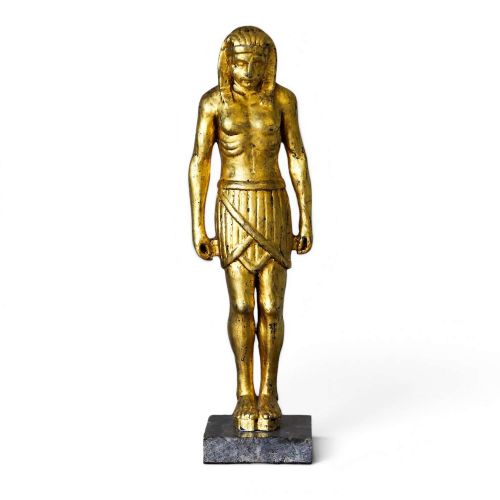
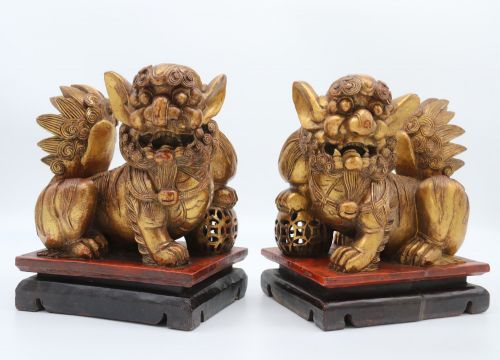
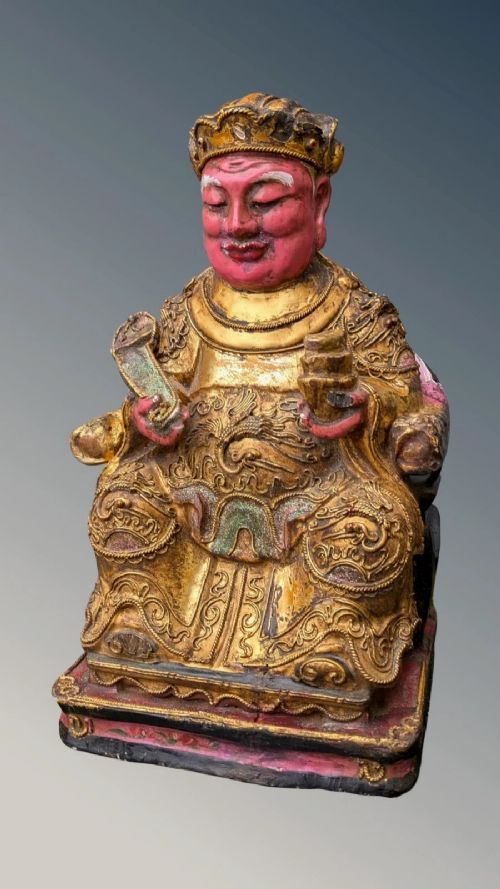
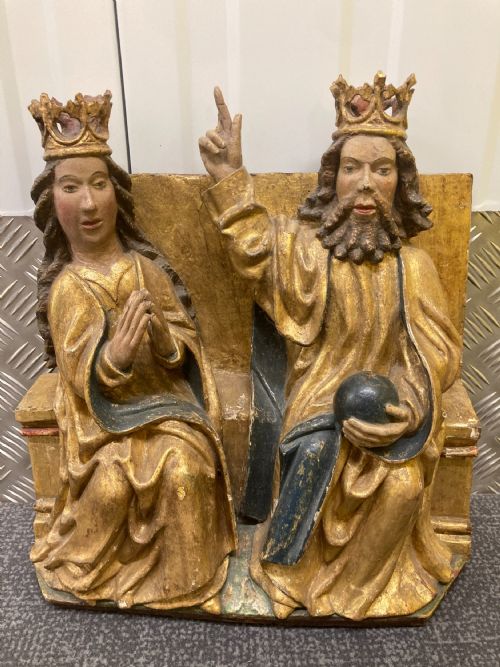
When you search for a gold carved figure, you encounter carved wood, terracotta, and stone sculptures enhanced with gold leaf, giltwood, or polychrome paint. These works span centuries of global artistry, encompassing European saints and cherubs alongside Asian deities and temple guardians.
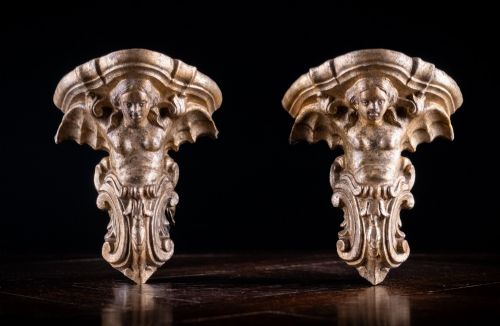
The versions you are most likely to meet on this page originate from the 18th and 19th centuries, though earlier 16th-century group carvings and early 20th-century Asian figures also appear. Forms range from monumental temple guardians and wall brackets to miniature figure groups and architectural fragments.
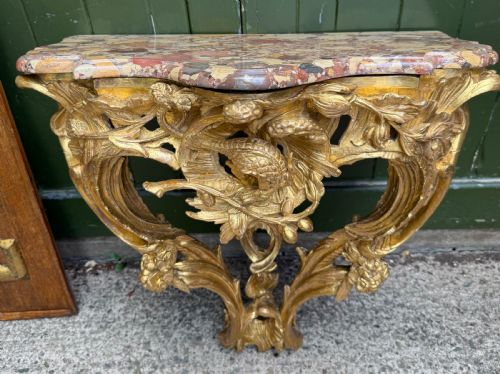
Alongside standalone statues and sculptures, the selection includes related decorative arts where carved figures intersect with functional objects. Console tables, floor lamps, and devotional panels integrate carved and gilded elements into their overall design.
How they were made
Alternative construction methods involved casting or moulding terracotta and metal, subsequently finishing the exterior surfaces with gilding. Master artisans combined traditional joinery and carving techniques suited to the specific timber or medium available in their region.
Listings feature wooden, stone, and terracotta figures finished with gold leaf, gesso, and polychrome paint.
What varies in quality
The standard of a gold carved figure rests on the anatomical precision of the carving and the depth of expression captured in the face. Superior examples reveal confident chisel work that defines fluid drapery folds and delicate hand gestures without stiffness.
The integrity and application of the gilding and polychrome paint further distinguish the tier of a piece. Original, undisturbed layers of gesso, gold leaf, and pigment retain a rich surface patina that later repainting obscures.
Benjamin Barker of Bath·Antonio Allegri Correggio·Jean Hippolyte Marchand
The Gold Carved Figure Glossary
- Giltwood
- Wood that has been coated with gold leaf or gold paint. This technique was widely utilised on frames, furniture, and decorative figures to simulate solid gold.
- Polychrome
- The practice of decorating architectural elements, sculptures, or pottery in a variety of colours. Historic figures often combined this painted decoration with metallic leaf.
- Gesso
- A paint mixture consisting of a binder mixed with chalk, gypsum, or pigment. It served as a smooth preparation layer for wood before gilding.
- Shabti
- A funerary figurine used in ancient Egyptian religion to work for the deceased in the afterlife. They appear in materials like wood finished with gold.
- Intaglio
- A gem or other material carved in hollow so that the design stands out as a relief when impressed on wax. These frequently depict classical figures set into rings and fobs.
Gold Carved Figure: Frequently Asked Questions
What is a gold carved figure?
A gold carved figure is a sculptural work fashioned from wood, stone, or terracotta and embellished with gold leaf, giltwood, or polychrome paint. These objects represent religious figures, deities, and decorative subjects from various global traditions.
Craftsmen across different centuries applied metallic leaf to enhance the visual weight and sacred character of the sculpture. Today, collectors encounter these pieces in forms ranging from small devotional groups to large temple guardians.
How were these figures used?
Many of these figures served devotional or architectural functions within temples, churches, and domestic shrines. They acted as focal points for prayer, altarpieces, or protective guardians of sacred spaces.
Other examples functioned as decorative accents on furniture, console tables, or wall brackets. Their presence reflected the status and aesthetic tastes of their original owners.
How do I care for giltwood?
Giltwood and gold leaf surfaces require gentle treatment to preserve the delicate metallic layers and underlying gesso. Dusting should be done lightly with a soft, dry brush without applying moisture or chemical cleaning agents.
Keeping pieces away from direct sunlight and stable atmospheric humidity prevents the wood from warping and the gesso from cracking. Proper placement ensures the historic finish remains intact for years.
How do I identify the period?
Identifying the period involves examining the tool marks, the composition of the gesso, and the ageing of the wood or paint. Stylistic indicators, such as the drapery carving of a specific century, provide key clues to an object's origins.
Comparing construction methods with documented examples from European or Asian workshops helps narrow down the date of creation. Wear patterns and patination on the gold leaf also signal the passage of time.