


Gold Buddhist Statue
A gold buddhist statue brings the serene presence of Eastern sacred art into a room through centuries of skilled devotion.
Gold Buddhist Statue
A gold buddhist statue encompasses sacred figures from traditions spanning Tibet, China, Southeast Asia and Japan. Buyers exploring this category encounter depictions of deities, bodhisattvas and historical teachers created across multiple centuries.
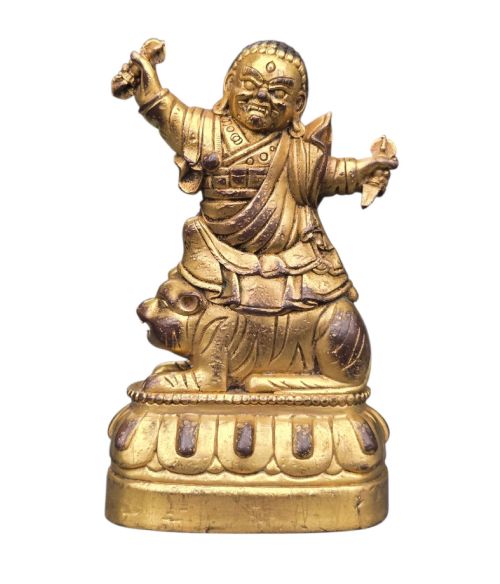
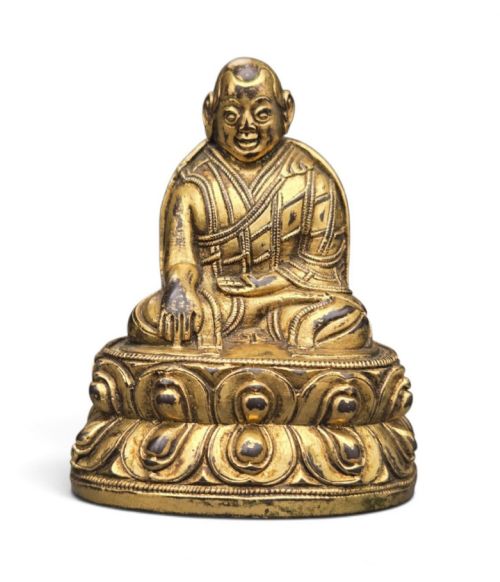
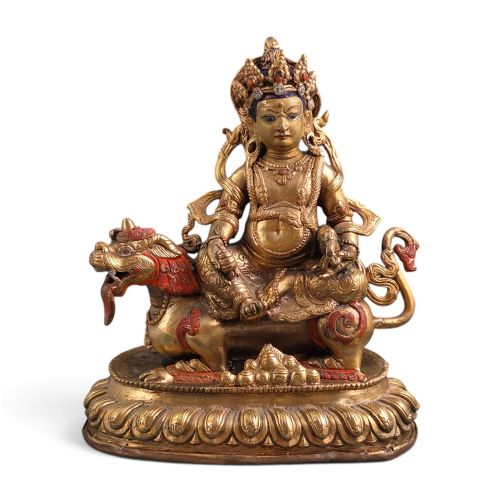
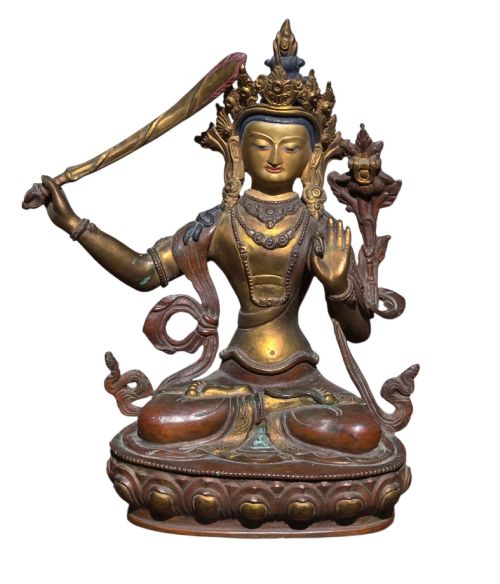
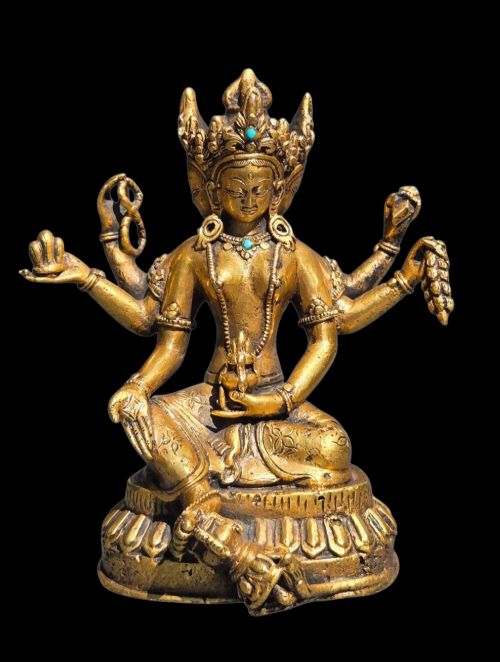
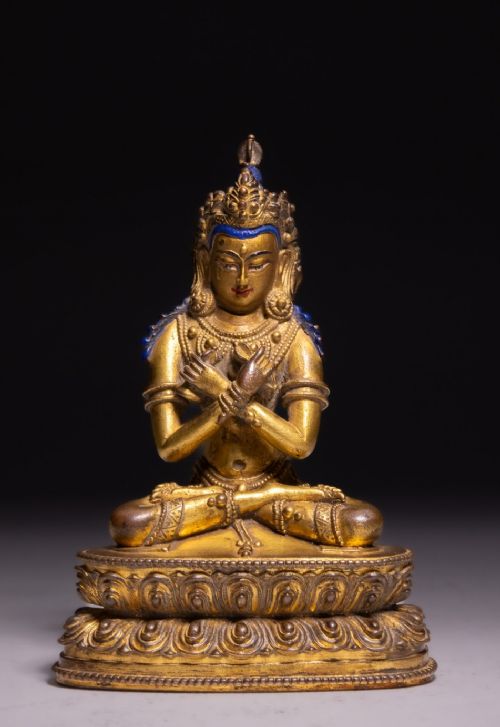
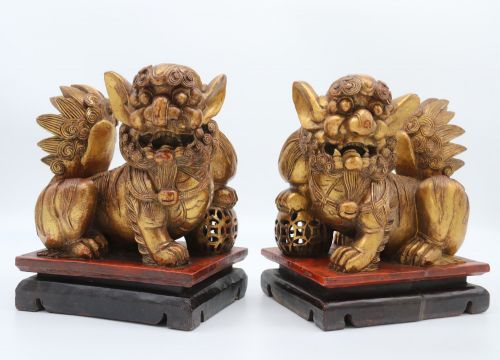
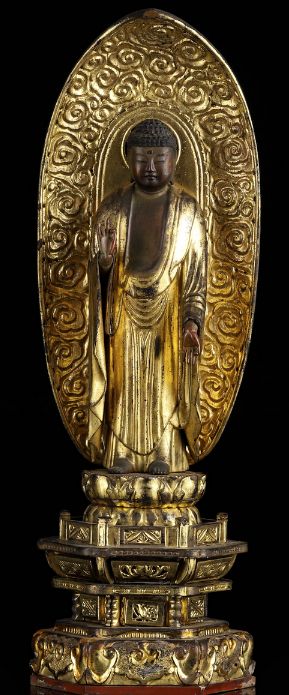
The most common examples on this page are metal sculptures cast in bronze and finished with gilding, alongside carved wooden figures enriched with gold leaf and lacquer. These range from substantial multi-armed deities to serene seated Buddhas and temple guardians.
Origins vary from Sino-Tibetan and Ayutthaya workshops to Burmese and Japanese traditions, reflecting the distinct artistic idioms of each region. Pieces often incorporate inlaid turquoise or traces of original pigment that highlight traditional iconographic details.
Factors that distinguish quality
The crispness of the initial casting and the precision of the hand-carved facial details separate standard examples from finer works. Master artisans achieved subtle expressions and fluid drapery folds that remain distinct even after centuries of handling.
The survival rate of the original surface finish, whether fire gilding or delicate gold leaf over lacquer, dictates the visual impact of a piece. Traces of polychrome pigment and secure gemstone inlays further elevate the historical integrity of the sculpture.
Several figures retain faint traces of ancient red pigment on their lips, hinting at the vibrant polychrome appearance they once possessed in candlelit temples.
The Gold Buddhist Statue Glossary
- Gilt bronze
- A copper alloy metal base coated with a layer of gold through amalgamation or leaf application. This technique provides the durable golden finish seen on numerous Asian sculptures.
- Bodhisattva
- An enlightened being who delays entering nirvana to assist others on the spiritual path. These figures are typically depicted with elaborate jewellery and royal garments.
- Sino-Tibetan
- An artistic style blending Chinese manufacturing techniques with Tibetan Buddhist iconography. It frequently appears on cast bronze ritual figures.
- Lacquer
- A natural resin applied in multiple layers to wood surfaces to protect the material and create a smooth base for gilding. It is common in Chinese and Japanese sculpture.
Gold Buddhist Statue: Frequently Asked Questions
How do I care for a gilt wooden statue?
Keep wooden and lacquered figures away from direct sunlight and fluctuating humidity to protect the delicate gold leaf surfaces. Dust them very gently with a dry, soft brush rather than using any cleaning liquids.
Stable indoor environments prevent the wood from expanding or contracting, which preserves both the core carving and the outer gilded layer over decades of display.
Are these statues meant for worship?
While originally created for temples, monasteries and domestic shrines across Asia, these sculptures now function primarily as works of art and objects of contemplation in Western interiors. Collectors appreciate them for their aesthetic refinement and historical resonance.
Displaying them thoughtfully on a mantel or dedicated cabinet allows their sculptural qualities to be fully observed.
How can I tell a bronze statue from wood?
Bronze figures feel significantly heavier for their size and often display a cool temperature to the touch. They may show verdigris or worn high points where the base metal emerges beneath the gilding.
Wooden sculptures are lighter, warmer and may exhibit natural grain patterns or minor age cracks beneath the layers of lacquer and gold leaf.