





Gold Brass Timekeeper
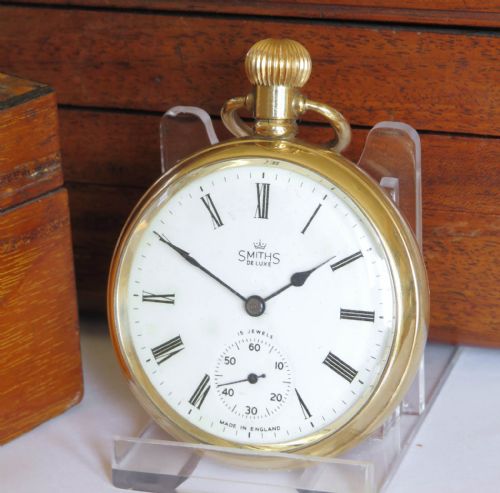
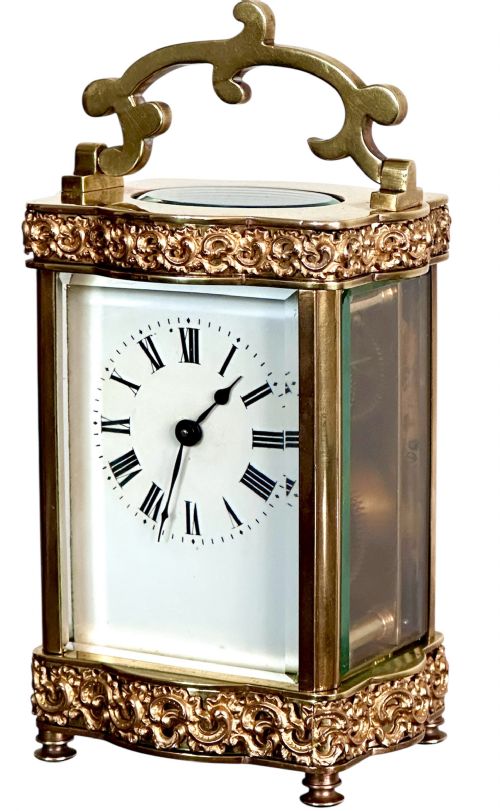
A gold brass timekeeper is a portable or mantel clock built to measure hours with weight, spring or pendulum precision.
Gold Brass Timekeeper
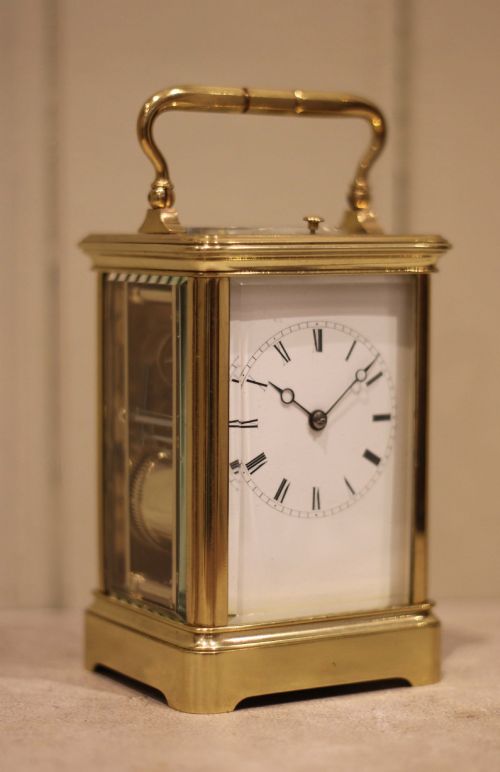
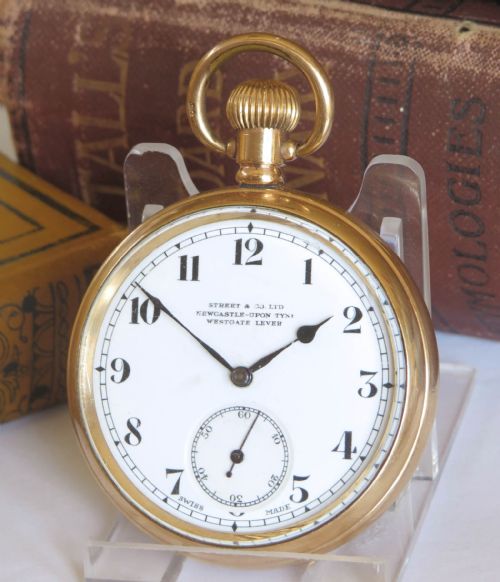
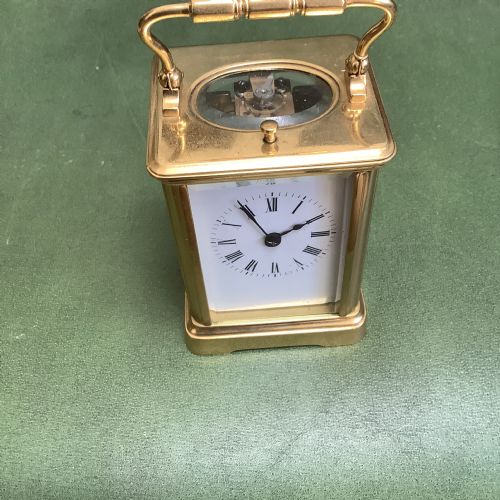
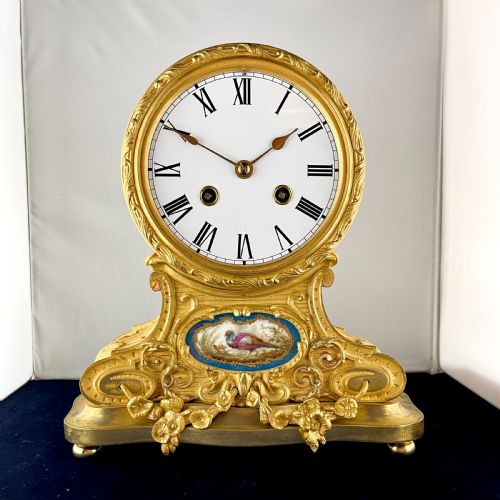
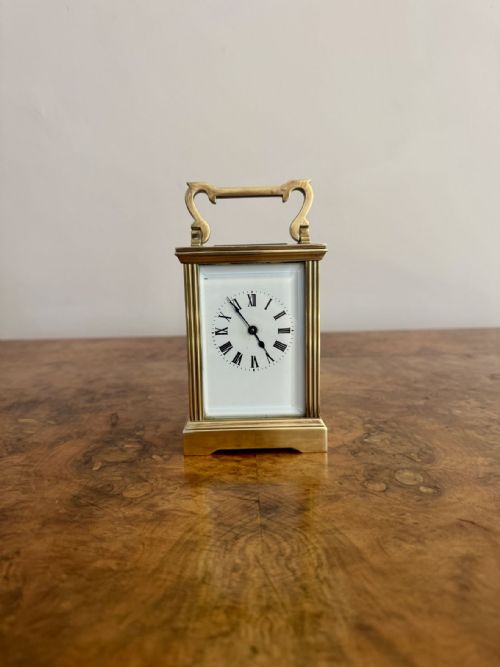
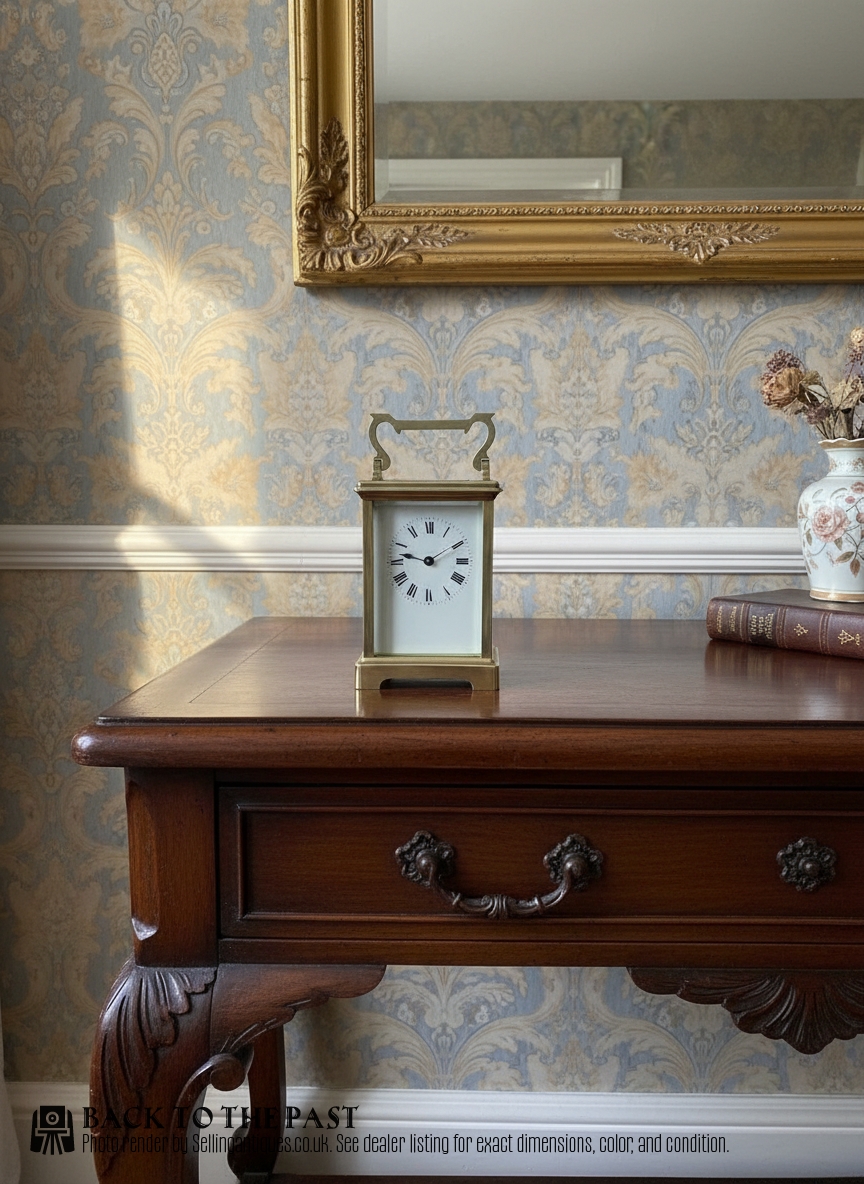
When you search for a gold brass timekeeper, you encounter a selection spanning carriage clocks, mantel pieces and pocket watches from the nineteenth century onwards.
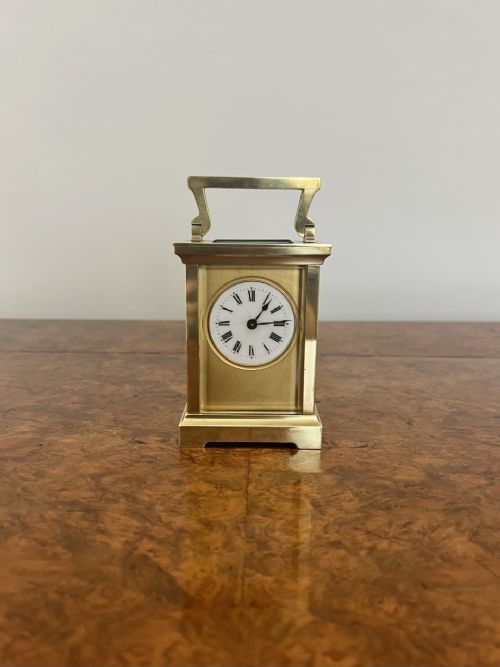
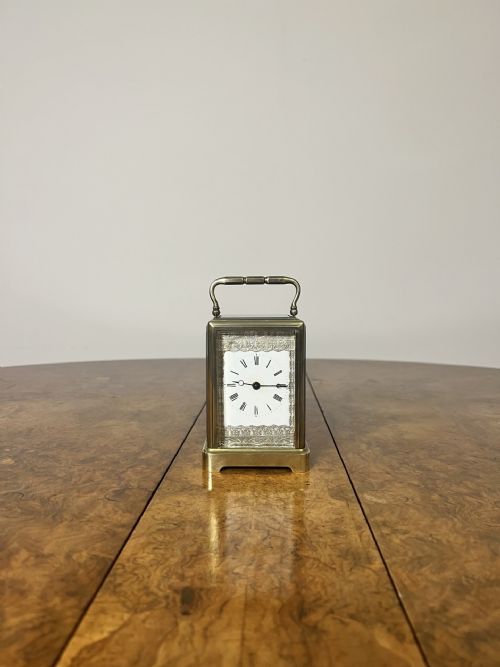
The most common examples on this page are French carriage clocks enclosed in bevelled glass and brass corniche or gorge cases, alongside heavier mantel clocks.
Pieces originate from various periods including the Victorian era, the Edwardian years and the mid-twentieth century, utilising metals and enamel dials.
Materials and construction methods
These instruments rely on brass, gilt bronze, and ormolu housings often paired with glass panels to reveal the internal gear train.
Dials are typically formed from white enamel with painted numerals, while outer cases receive engraved detailing, silvered accents, or filigree decoration.
One extraordinary piece pairs a heavy maritime ships wheel with a swinging pendulum encased entirely in four glass panels.
Assessing craftsmanship and execution
Quality separates through the crispness of case engraving, the weight of the cast bronze or brass, and the complexity of the internal movement such as repeating or striking mechanisms.
Superior examples retain original leather travelling cases, mercury gilding, and signed escapements from known makers rather than mass-produced generic chassis.
Drocourt Paris·Duverdrey & Bloquel·Bishop Bournemouth·Samuel Marti·Bourdin Paris·FB Adams London·Jaeger Le Coultre
The Gold Brass Timekeeper Glossary
- Carriage clock
- A portable spring-driven timepiece designed for travelling during the nineteenth century. They usually feature a glass panelled brass case and a folding handle on top.
- Gorge case
- A specific stepped architectural style of brass carriage case popular in the late nineteenth century. It adds considerable weight and presence to the instrument.
- Corniche case
- A traditional rectangular carriage clock case design with rounded pillars at the corners. This form provides clear visibility of the movement through four glass sides.
- Fusee movement
- A conical pulley mechanism designed to maintain even power to the gear train as the mainspring unwinds. It is a mark of higher mechanical complexity in older clocks.
- Striking and repeating
- A complication that sounds the hours on demand or on the hour via internal gongs. Repeating mechanisms allow the last hour to be sounded again by pressing a button.
Gold Brass Timekeeper: Frequently Asked Questions
How do I wind a carriage clock?
Most carriage clocks are wound using a specific square-ended key inserted into arbors located on the underside or back plate of the movement.
Care must be taken not to overwind the mainspring, stopping as soon as resistance is felt.
What is an 8-day movement?
An 8-day movement requires winding approximately once a week to maintain continuous operation.
This longer power reserve was achieved through larger mainspring barrels within the brass chassis.
How do I set the time safely?
Time adjustments should be made by moving the minute hand gently in a clockwise direction.
Moving hands anticlockwise can damage delicate striking and repeating gear trains inside the brass case.
Why does my clock have an alarm?
Many nineteenth century travel clocks included mechanical alarm functions to wake travellers on journeys.
Setting the alarm involves a separate hand on the dial and a dedicated winding arbor at the rear.