





Gold Brass Table Mirror
A gold brass table mirror brings instant warmth and reflecting light to a room, offering a decorative centrepiece for dressing tables.
Gold Brass Table Mirror
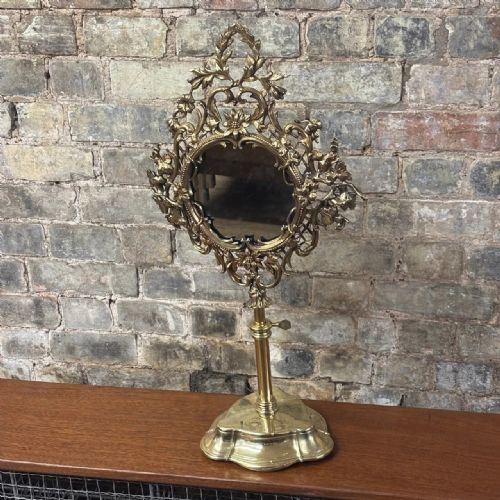
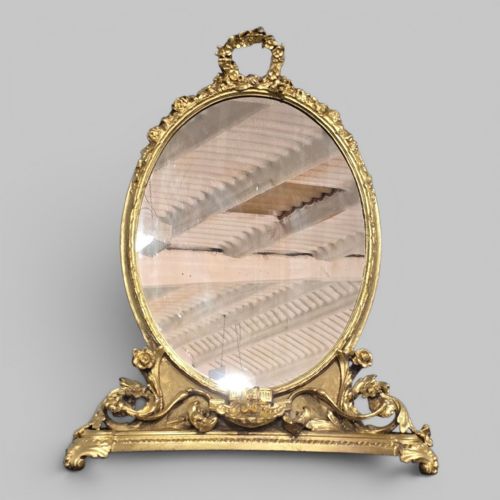
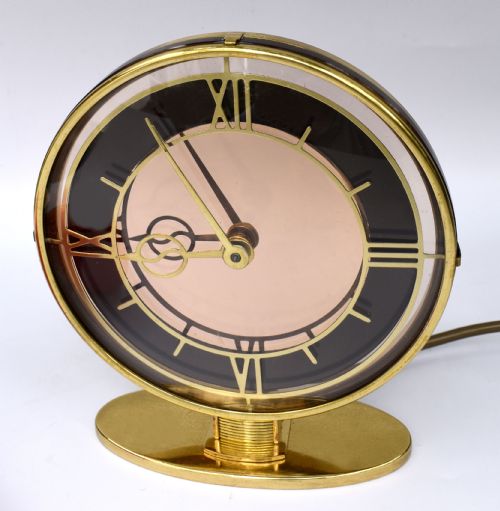
A gold brass table mirror encompasses vanity and dressing table mirrors fashioned from brass, gilt metal, and ormolu. These items appear in various forms, including oval table top dressing mirrors, tri-fold designs, and clock-combined pieces.
The pieces on this page span the nineteenth and twentieth centuries, including Victorian, Edwardian, and Art Deco periods. French Rococo revival and Louis XV revival styles dominate the design choices, alongside simpler late nineteenth-century iterations.
How they were made
Makers utilised solid brass, gilt bronze, and ormolu to construct the heavy, ornate frames. Techniques involved casting and chasing metal to achieve the elaborate scrolls, leaves, and asymmetrical flourishes characteristic of revival styles.
Mirror glass, often bevelled at the edges, was fitted securely into the metal housings. Enamel plaques, such as Limoges enamel, were occasionally integrated into the frames as decorative focal points.
Gold Brass Table Mirror Retail Price Guide 2026
Typical asking prices for gold brass table mirror among the pieces listed under this phrase on Sellingantiques today, from the lower quarter to the upper quarter. They describe what is for sale here now, not the wider market.
One exceptional piece cleverly combines a timepiece with a mirror, ensuring you can check the hour while adjusting your cravat.
What varies in quality
The crispness of the metal casting dictates the refinement of the piece. Crisp, deeply chased scrollwork separates superior French rococo revival examples from softer, more utilitarian twentieth-century pressings.
The weight of the brass and the quality of the gilding determine longevity. Heavy, fire-gilded ormolu retains its lustre far better than thin, plated metal finishes.
F. Bienvue
The Gold Brass Table Mirror Glossary
- Ormolu
- Gilded bronze produced by applying a mercury and gold amalgam to bronze, then firing it. This technique creates a rich, enduring golden surface seen on finer French table mirrors.
- Bevelled glass
- Mirror glass with edges ground and polished to an angle. This treatment catches the light and adds depth to the glass margin.
- Rococo Revival
- A nineteenth-century design movement mimicking the curved lines, asymmetry, and natural motifs of the eighteenth-century French style. It forms the basis for many ornate mirror frames.
- Tri-fold mirror
- A dressing mirror featuring three hinged panels. This configuration allows the user to view angles from the side as well as the front.
Gold Brass Table Mirror: Frequently Asked Questions
How do I clean a brass mirror?
Dust the frame gently with a soft, dry cloth to remove surface particles. Avoid chemical polishes that can strip the original gilding or damage patinated brass surfaces.
For stubborn grime, use a slightly damp cloth with mild soap, drying the metal immediately afterwards.
Are these mirrors French or English?
The selection includes many pieces of French origin, particularly those in the Rococo and Louis XV revival styles. Other items reflect domestic Victorian and Edwardian manufacturing.
Examining the casting style and framing structure often reveals the origin of the piece.
How do I date a brass mirror?
Dating relies on stylistic clues, construction methods, and the type of mirror glass used. Nineteenth-century examples often feature heavy brass castings and bevelled glass with subtle imperfections.
Twentieth-century pieces tend to show cleaner mechanics and standardised screw fittings.
Can these mirrors be wall mounted?
Table mirrors are engineered for freestanding stability on dressing tables or chests of drawers. They typically rely on a sturdy rear strut to support the weight of the frame.
Converting them for wall hanging requires specialist hardware to ensure the support mechanism bears the load safely.