

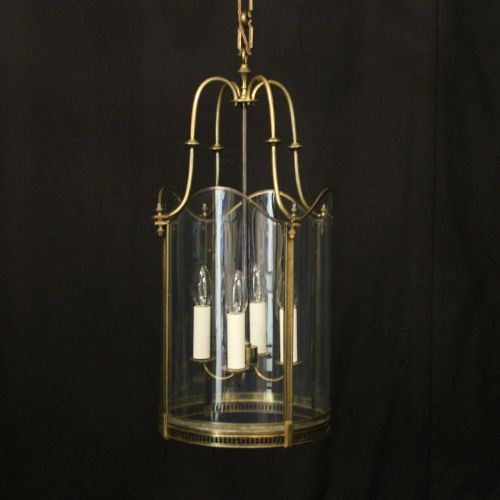
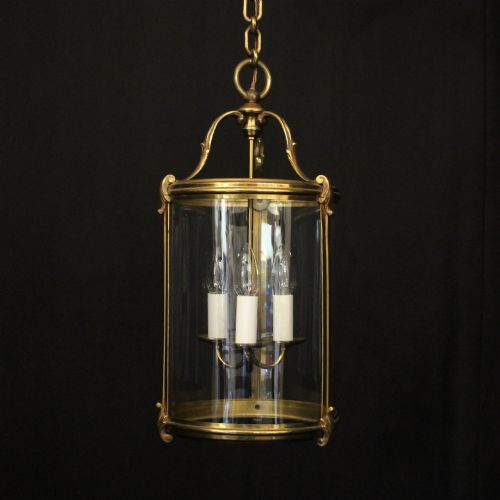
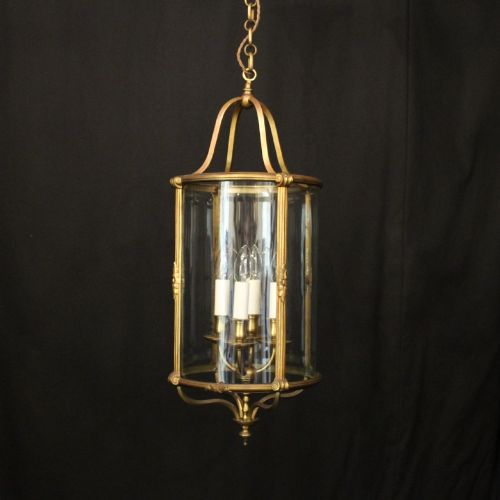
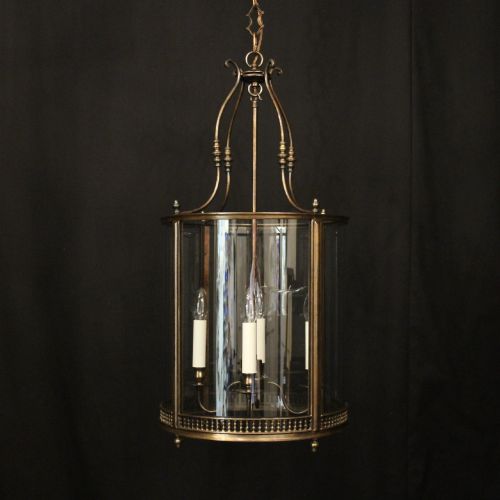

Gold Brass Lantern
A gold brass lantern brings warmth and definition to an entrance hall, combining metalwork and glass to shape interior light.
Gold Brass Lantern
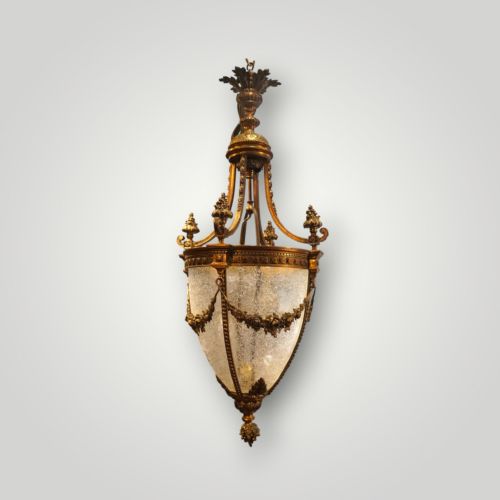
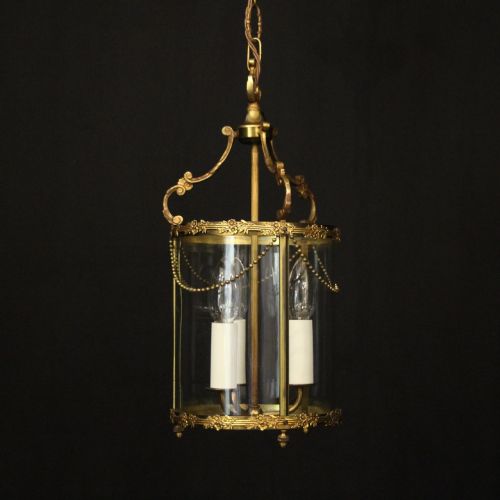
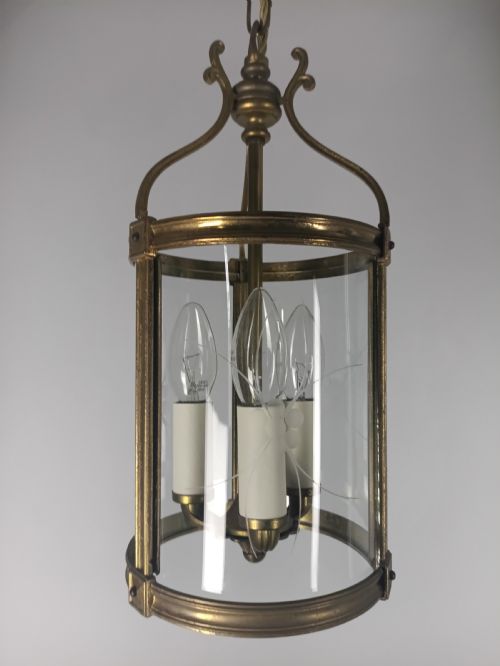
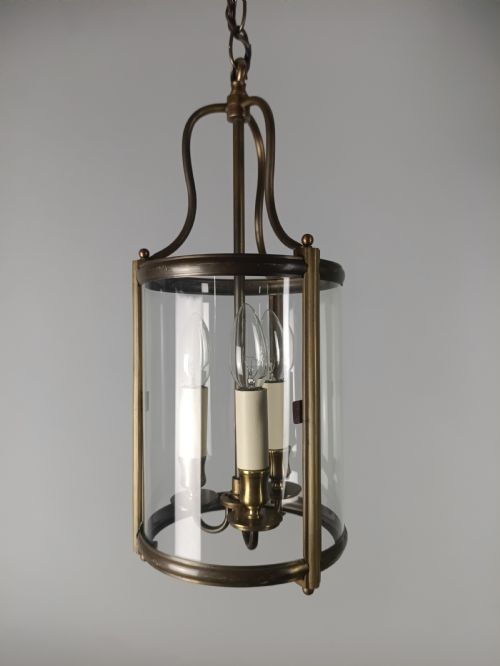
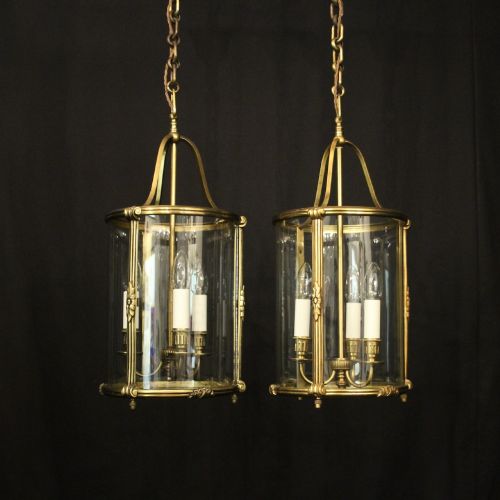
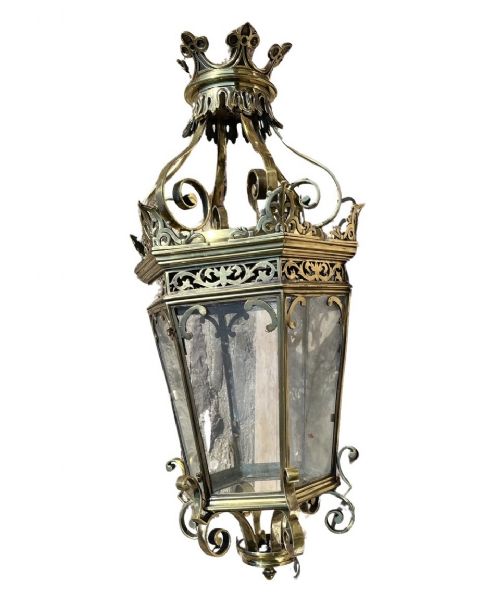
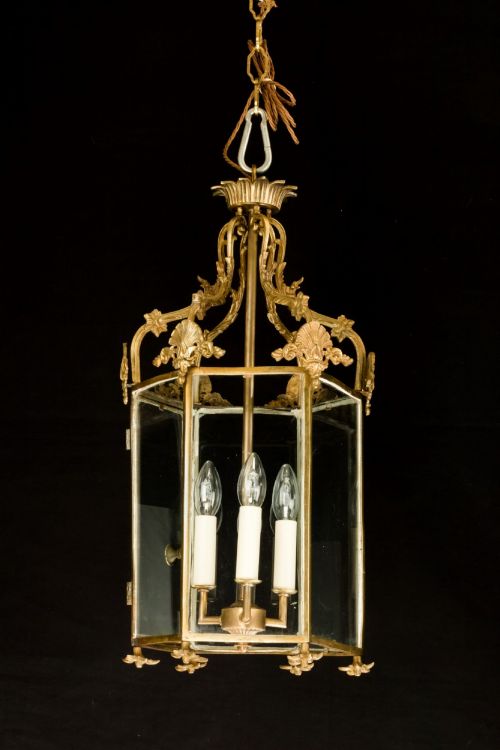
A gold brass lantern serves primarily as ceiling lighting or a hall lantern, designed to hang in corridors and entrance spaces. These pieces emerge from periods ranging across the nineteenth and twentieth centuries, including Victorian, Edwardian, and nineteen-twenties iterations.
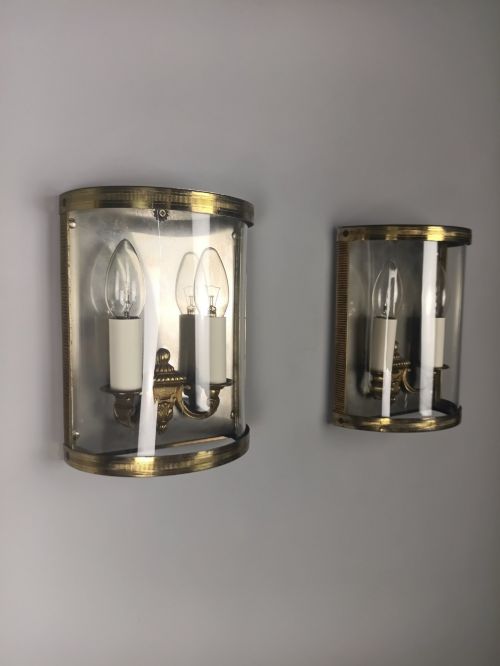
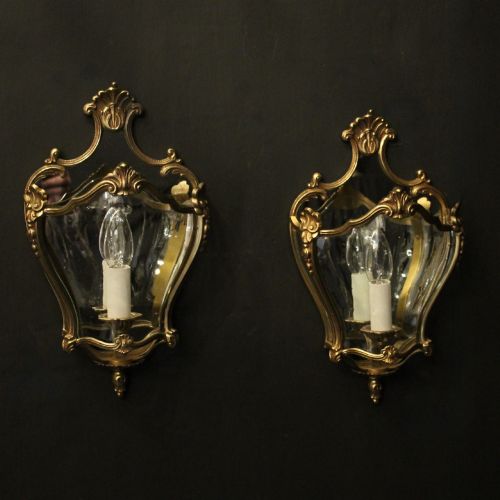
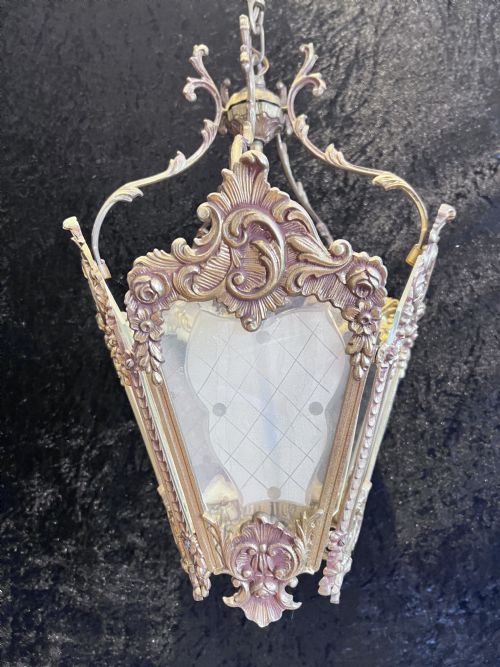
Many examples follow French Chateau, Neoclassical, Louis XV, or Rococo styles, often taking a hexagonal form or featuring convex glass panels. English interpretations also appear, alongside specialised wall lights and hanging pendants.
The selection centres heavily on gilt brass, gilt bronze, and standard brass frames paired with clear, frosted, bevelled, or etched glass panes. Buyers encounter both single-light configurations and multi-light chandeliers designed for domestic illumination.
How they were made
Construction relies on cast or pressed metal frames utilising brass, gilt bronze, or ormolu, shaped into structured forms like hexagons or curves. These metallic elements receive gilding to enhance their reflective quality and visual weight.
Glass panels are individually cut, sometimes featuring convex bubbling, bevelling, or surface etching, then secured within the metal framework. Internal wiring systems accommodate single or multiple light bulbs to transform traditional candle holders into electric fittings.
Several lanterns whisper of Versailles palace aesthetics, allowing domestic hallways to channel French royal administration.
What varies in quality
The refinement of the casting and metal chasing dictates the crispness of decorative motifs, particularly in pieces following French Rococo or Neoclassical styles. Superior examples display sharply defined foliage, scrollwork, and structural joints rather than soft or smoothed detailing.
Glass selection separates standard production from finer creations, as thick bevelled plates or finely etched panels demand greater skill in manufacture than simple flat panes. The depth and durability of the original gilding on the bronze or brass framework further distinguishes the tier of a piece.
Perry & Co·Grey of Edinburgh
The Gold Brass Lantern Glossary
- Convex glass
- Curved glass panels that project outward, frequently utilised in French hall lanterns to diffuse light across a wider angle. This technique adds visual depth to the silhouette.
- Gilt bronze
- Bronze metal treated with a thin layer of gold or gold-coloured alloy, often termed ormolu when applied to decorative furnishings. It provides a lasting metallic sheen.
- Hexagonal form
- A six-sided geometric construction commonly applied to hanging hall lanterns during the Victorian and Edwardian periods. This shape allows multiple glass panels to distribute illumination evenly.
- Bevelled glass
- Glass panes featuring an angled, polished edge that catches and refracts light. This treatment signifies finer decorative intent in period lighting.
- Rococo style
- An ornate design movement characterised by asymmetrical scrollwork, C-curves, and naturalistic motifs. It heavily influences French and English lighting of the eighteenth and nineteenth centuries.
Gold Brass Lantern: Frequently Asked Questions
Where should a gold brass lantern hang?
These fixtures suit entrance halls, vestibules, and stairwells where overhead suspension directs foot traffic and provides welcoming illumination. Their scaled drop accommodates standard ceiling heights while making a distinct decorative statement.
Placing a lantern in a narrow corridor benefits from convex glass designs, which cast wider arcs of light. They also function effectively in high-ceilinged reception rooms as alternative pendant lighting.
How are these lanterns electrified?
Many period lanterns arrive with historical or updated internal wiring adapted for standard modern electrical bulbs. Conversion processes generally retain the original internal candle sockets or cluster frames.
Buyers should inspect the internal wiring setup upon acquisition to ensure it meets current domestic electrical standards. Professional installation is typically recommended for heavier bronze and brass assemblies.
What styles do these lanterns follow?
The selection encompasses French Neoclassical, Louis XVI, and Rococo Revival aesthetics, alongside simpler Victorian and Edwardian hexagonal forms. These designs draw inspiration from continental chateaux and domestic British architecture.
Ornate iterations feature elaborate cast metal scrollwork and gilded surfaces, while Edwardian pieces often favour cleaner geometric lines. This variety allows the lighting to complement both period interiors and eclectic modern spaces.
How do I identify a Victorian lantern?
Victorian examples frequently display robust brass construction, heavy casting, and formal geometric shapes like the hexagonal form. They often incorporate gilt bronze and substantial hardware suited to nineteenth-century domestic architecture.
Comparing the framing thickness and decorative motifs against known nineteenth-century production styles assists with dating. Reference to documented makers from the era provides further contextual markers.