
Gold Brass Desk Light
A gold brass desk light brings warmth and period character to a workspace, combining practical illumination with enduring metalwork.
Gold Brass Desk Light
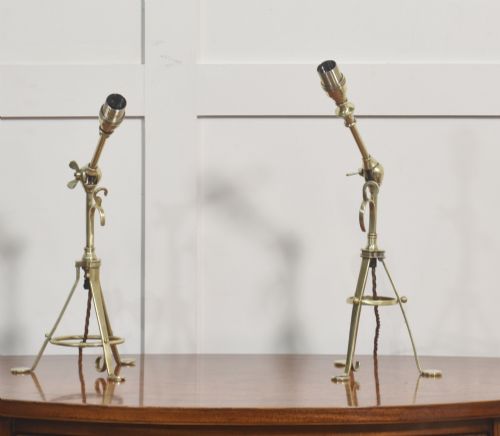
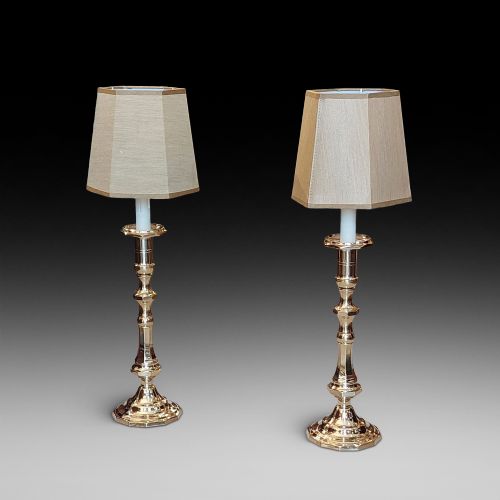
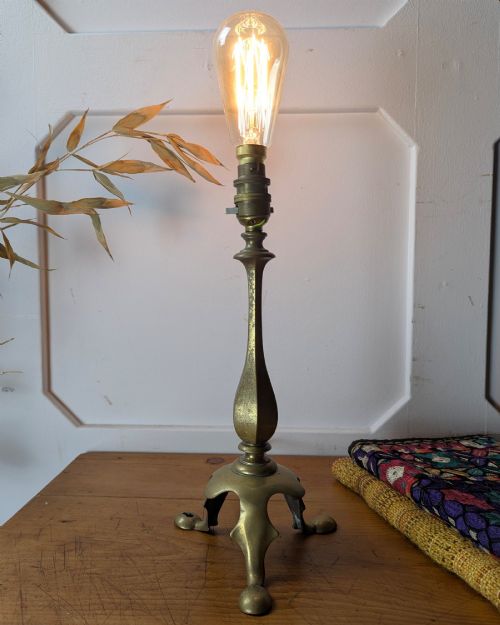
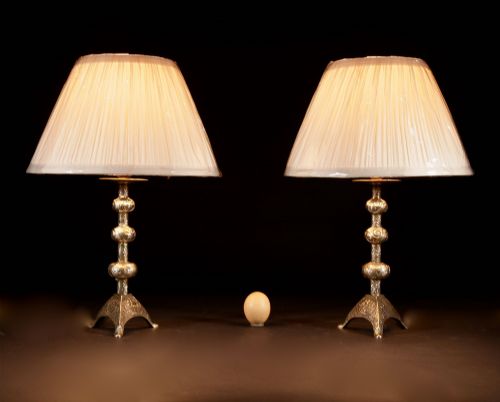
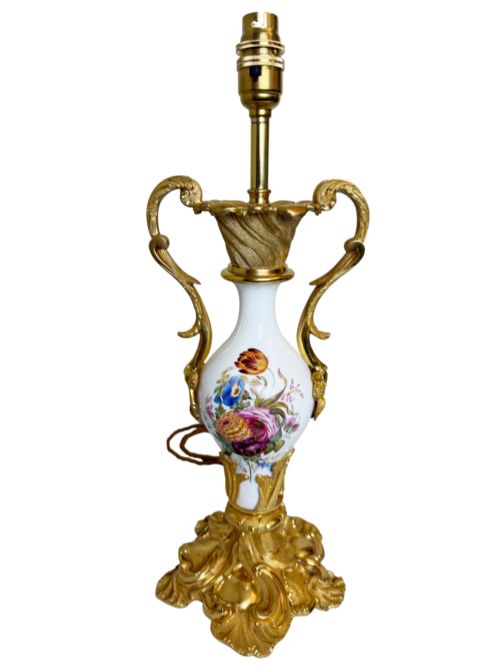
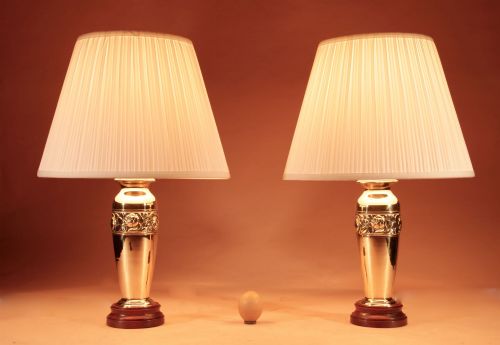
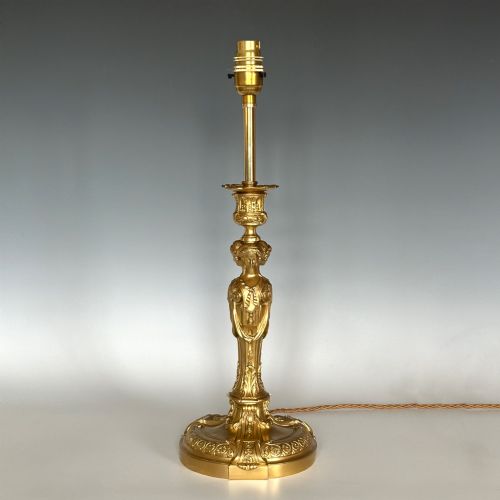
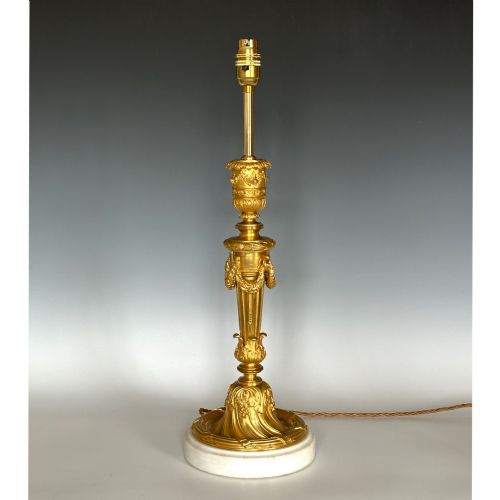
A gold brass desk light encompasses utilitarian adjustable lamps, converted candlesticks, and decorative column forms designed for task or ambient illumination. The selection spans periods from the nineteenth century through the Art Deco era, reflecting shifting tastes in domestic and commercial lighting.
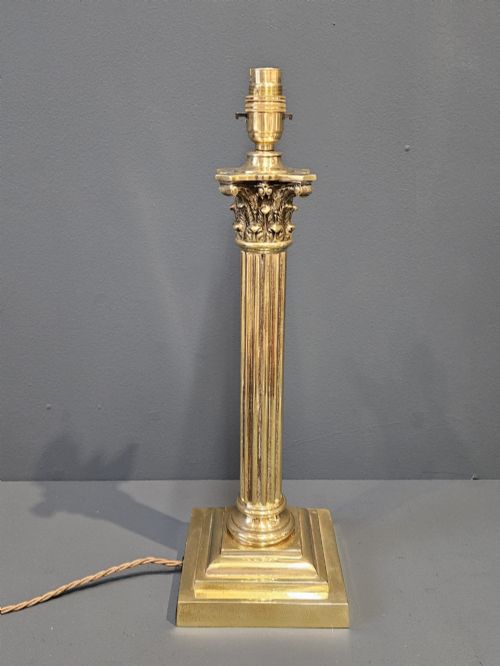
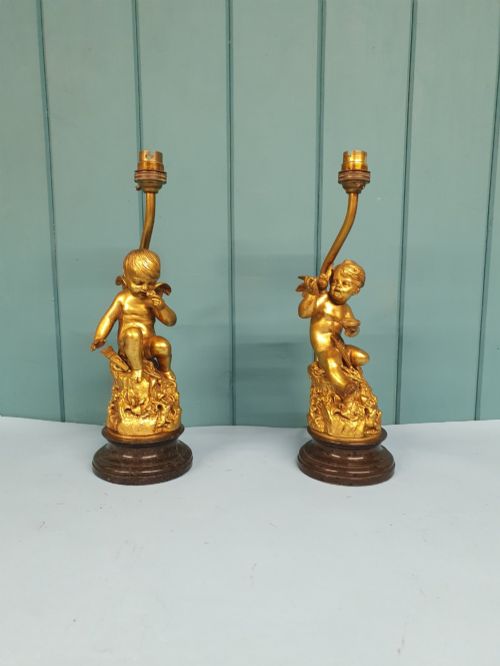
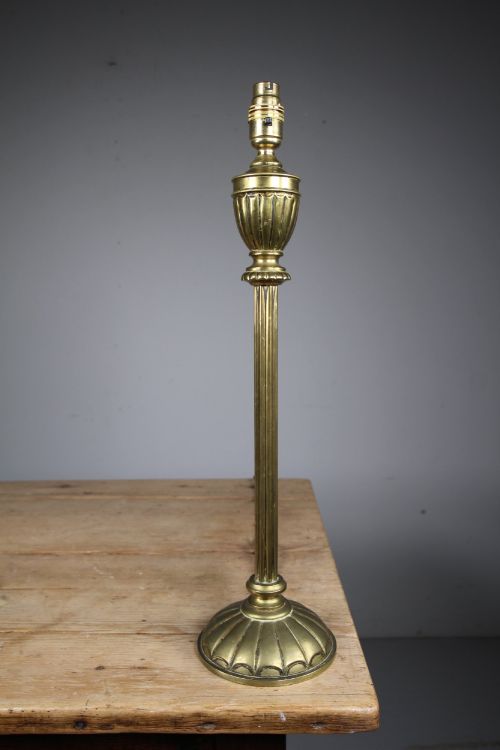
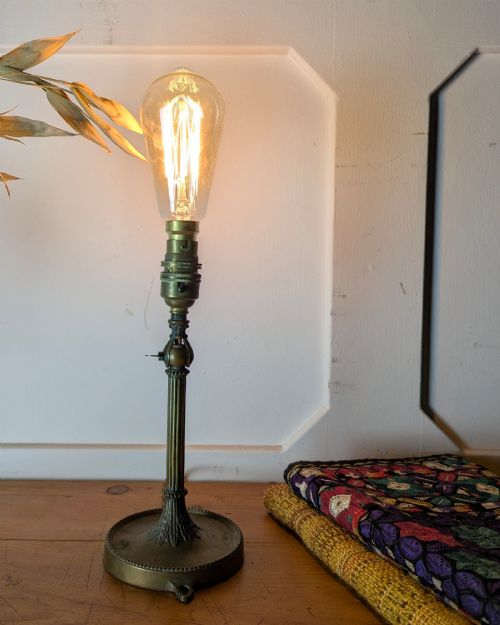
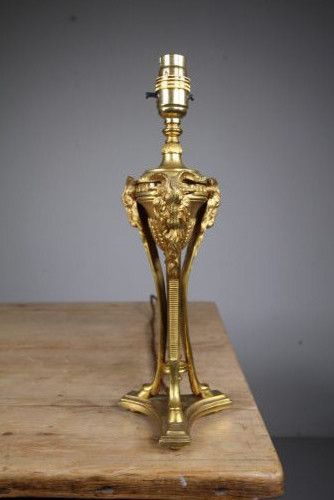
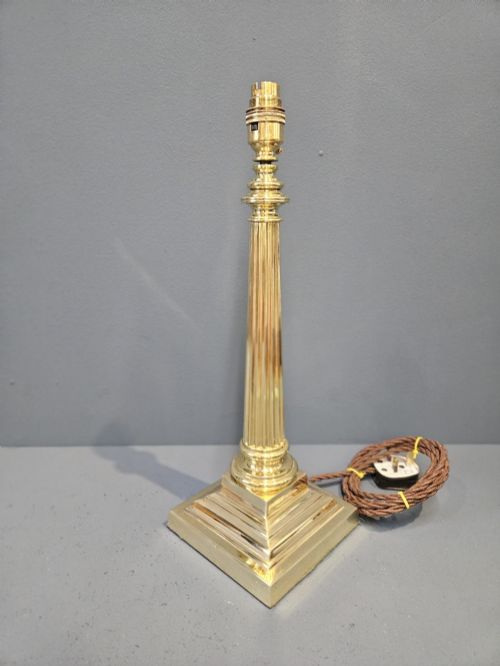
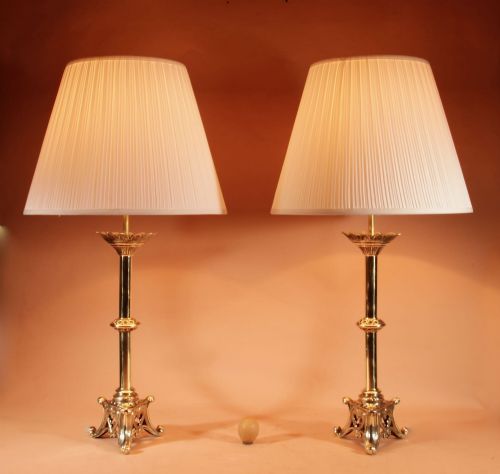
Victorian and Edwardian examples dominate the offerings, frequently taking the form of reeded or Corinthian columns alongside flexible engineering designed for reading and writing. Buyers will encounter both simple brass constructions and more ornate gilt bronze or ormolu pieces dating across the Victorian and early twentieth-century periods.
Distinguishing quality in period metalwork
The sophistication of the casting and the crispness of applied detail dictate the standing of an individual piece, separating standard production items from masterwork creations. Heavily chased ormolu mounts and finely articulated mechanical joints demonstrate superior workshop standards.
The integrity of the golden surface finish and the weight of the underlying metal likewise define the caliber of the object, with substantial cast brass and well-preserved fire gilding commanding higher regard.
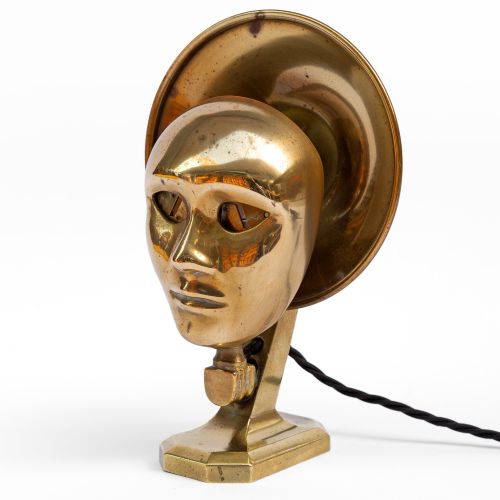
At least one lamp draws direct design inspiration from Fritz Lang's cinematic vision in the classic film Metropolis.
W.A.S. Benson·L & F Moreau
The Gold Brass Desk Light Glossary
- Ormolu
- A gilded bronze technique used extensively for decorative mounts on decorative objects and lamps. It involves applying a finely ground gold-mercury amalgam to a bronze base before heating.
- Corinthian column
- An architectural column style featuring an ornate capital decorated with acanthus leaves, frequently adopted for nineteenth-century table lamps. This classical form mimics ancient stone architecture in polished metal.
- Gilt bronze
- An alloy of copper and tin treated with a gold coating to achieve a rich, metallic lustre. This material allows for sharp, intricate casting detail that endures over generations.
- Reeded column
- A cylindrical shaft carved or cast with parallel convex ridges running vertically along its length. This decorative device adds visual texture and formal weight to nineteenth-century lighting.
Gold Brass Desk Light: Frequently Asked Questions
How do I date a brass desk lamp?
Dating relies upon stylistic markers such as classical column forms from the Victorian era or clean geometric lines from the Art Deco period. Engineering methods also provide clues, as adjustable joints and wiring configurations evolved significantly between the nineteenth and twentieth centuries.
Examining the construction of the base and the casting quality helps narrow the decade of manufacture. Comparing the patination and assembly techniques against known period examples confirms the timeline.
Were these lamps originally electric?
Many examples began life as oil lamps, gas fixtures, or candlesticks before later conversion to electricity. This practice preserves decorative metalwork while adapting historical objects for modern domestic use.
Converted pieces often retain traces of their original function, such as burner fittings or wick adjusters. Rewired components ensure safe operation while keeping the antique housing intact.
What is the difference between brass and ormolu?
Brass is an alloy of copper and zinc used widely for its durability and warm metallic tone. Ormolu specifically denotes gilded bronze, where a layer of gold is bonded to a bronze substrate through historical mercury-gilding or modern electroplating methods.
Ormolu generally displays a deeper, more refined golden hue and sharper cast detail than standard brass. This finish was traditionally reserved for high-status decorative objects and formal lighting.
How should I care for antique metal finishes?
Maintenance requires gentle dusting with a soft, dry cloth to prevent the accumulation of abrasive particles. Harsh chemical cleaners or abrasive polishes must be avoided to protect the original patination and gilt surfaces.
Preserving the historic finish maintains the character and visual depth of the metalwork. Regular handling naturally imparts protective oils, but excessive rubbing will wear away thin gilt layers over time.