

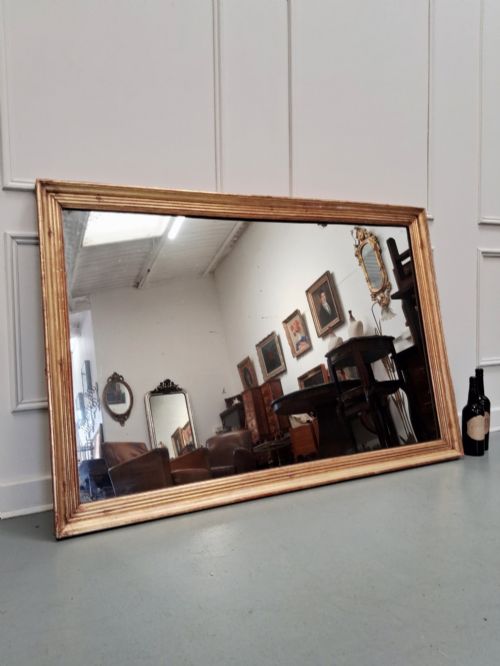


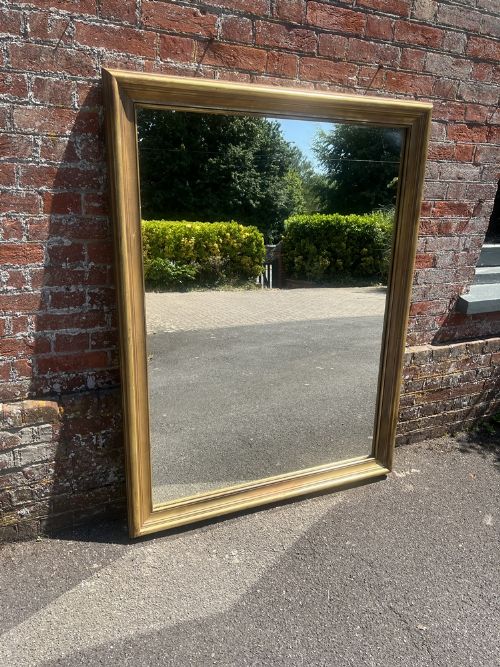
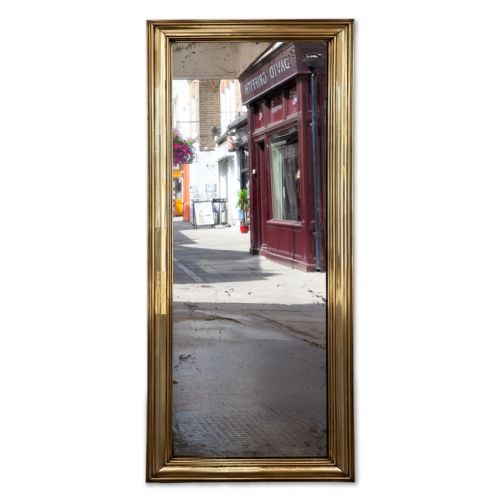


Gold Bistro Mirror
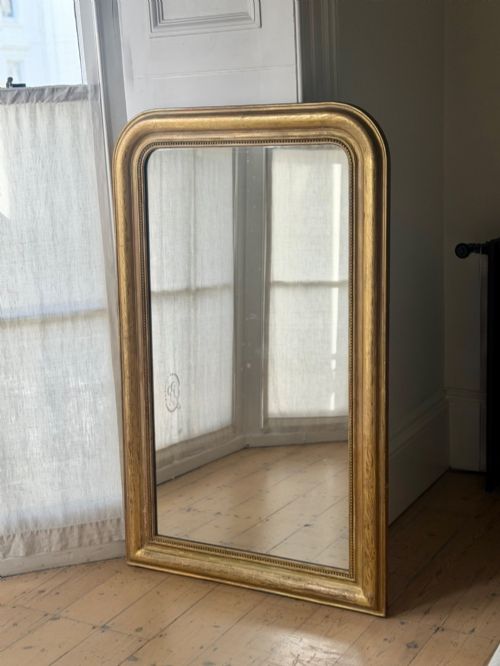
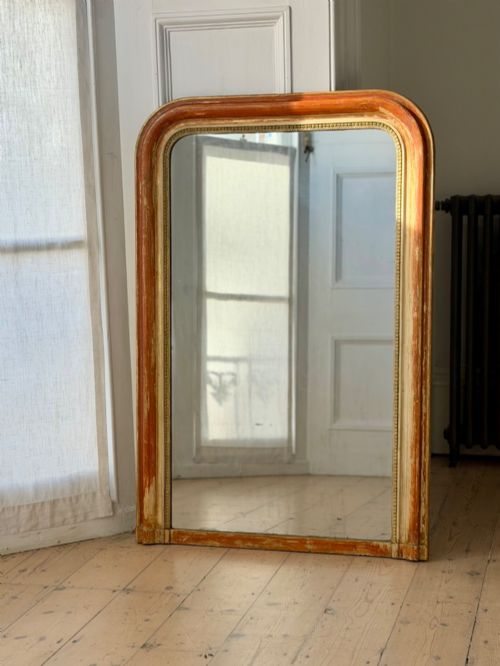
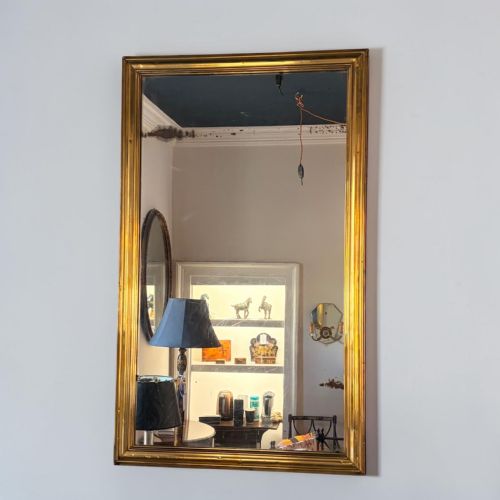
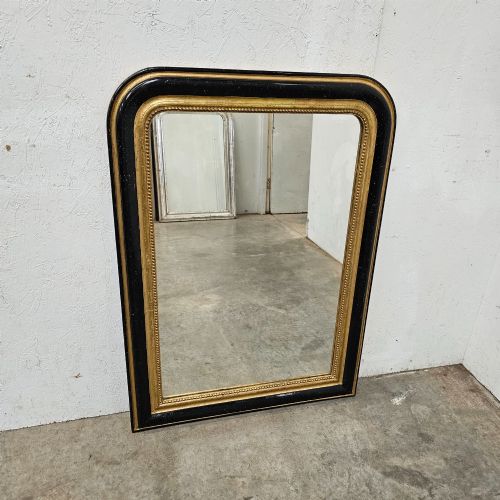
A gold bistro mirror brings unmistakable French café elegance to an interior, offering bright reflection and compact scale.
Gold Bistro Mirror
A gold bistro mirror is a distinctive wall hanging originating from French hospitality spaces, designed to bounce light and visually expand smaller rooms. The examples found here span the nineteenth and early twentieth centuries, capturing the enduring appeal of French bistro and brasserie aesthetics.
Most pieces encountered on this page belong to the Louis Philippe style or originate from French chateaux and cafes. These mirrors range from compact brass frames to large overmantel proportions and tall pier mirrors suited for residential hallways.
Makers and creators are not named in the current records, keeping the focus entirely on regional French origins and period craftsmanship. Buyers will find variations including wall mirrors, portmanteaus, and thick framed brass designs mounted on timber.
How they were made
Reflecting surfaces consist of glass plates, frequently noted as original distressed plate showing charming foxing and age spots. Frames display carved wood details alongside gilded finishes that highlight nineteenth-century French artisan techniques.
Gold Bistro Mirror Retail Price Guide 2026
Typical asking prices for gold bistro mirror among the pieces listed under this phrase on Sellingantiques today, from the lower quarter to the upper quarter. They describe what is for sale here now, not the wider market.
Some sturdy brasserie mirrors even doubled as portmanteaus, offering guests a handy place to hang their coats whilst checking their lapels.
What varies in quality
Quality rests in the originality of the glass plate and the depth of the gilding on the wood or gesso frame. Early examples with undisturbed original silvering command greater appreciation among collectors seeking authentic period character.
Frame construction also dictates standard, with robust brass mounts and solid timber backings distinguishing finer workshop output. Proportion and clarity of the mirror plate determine visual impact within domestic settings.
The Gold Bistro Mirror Glossary
- Louis Philippe
- A mid-nineteenth-century French style characterised by restrained classical lines, gently rounded upper frame corners, and understated elegance. This aesthetic avoids excessive ornamentation in favour of balanced proportions.
- Giltwood
- Timber that has been coated with gold leaf or a gold-coloured metallic finish. It provides a warm, reflective surface that catches natural daylight.
- Gesso
- A plaster-like mixture applied to wooden frames as a smooth base for gilding and paint. It allows artisans to carve crisp decorative details before applying gold leaf.
- Overmantel mirror
- A wide mirror specifically designed to hang above a fireplace mantelpiece. These pieces often feature horizontal proportions that anchor the chimney breast.
- Pier mirror
- A tall, narrow mirror designed to hang on the wall space between two windows. Their vertical format maximises light reflection in traditional rooms.
Gold Bistro Mirror: Frequently Asked Questions
Where should I hang a bistro mirror?
These mirrors suit narrow hallways, above mantelpieces, or living room walls where they can amplify natural light.
Their compact French café proportions allow them to sit comfortably in both grand reception rooms and smaller domestic spaces.
Are the mirror plates original?
Many listings feature original distressed plates that exhibit authentic age spots and foxing.
This historical weathering confirms period authenticity and contributes significantly to the visual charm of nineteenth-century French mirrors.
What is a Louis Philippe mirror?
It is a nineteenth-century French design style recognised by its soft rounded upper corners and simple moulded frame.
This aesthetic offers understated sophistication without the heavy ornamentation seen in earlier decorative periods.
How do I care for a gilt frame?
Dust the gilded wood or brass surface gently with a dry, soft cloth to prevent accumulation.
Avoid liquid cleaners or chemical polishes that can damage the delicate historical gilding and original gesso layers.