
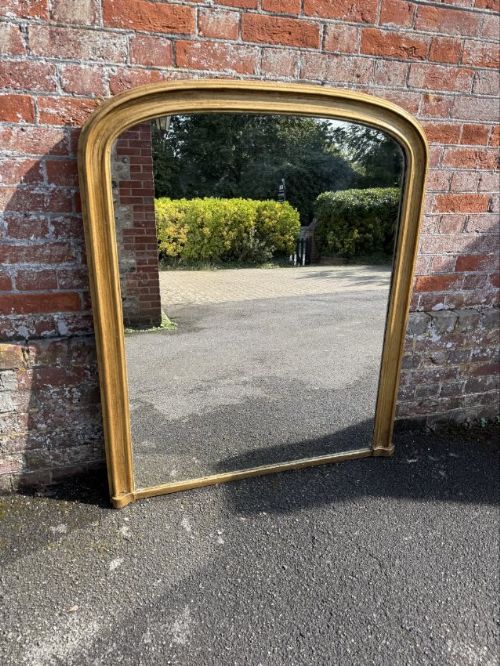
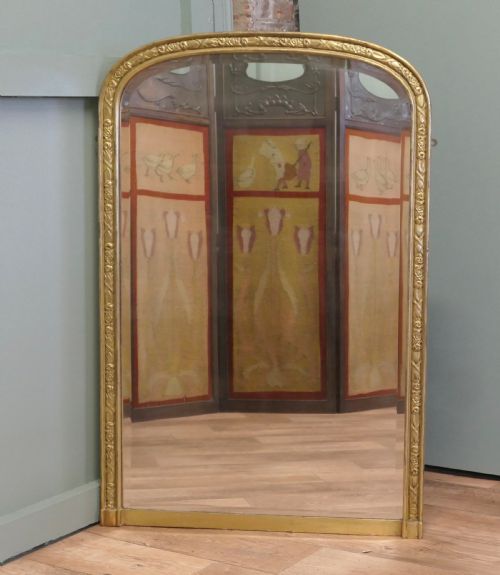

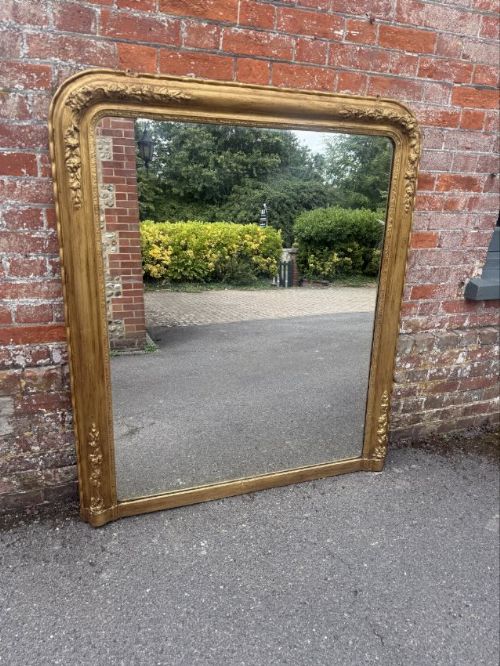
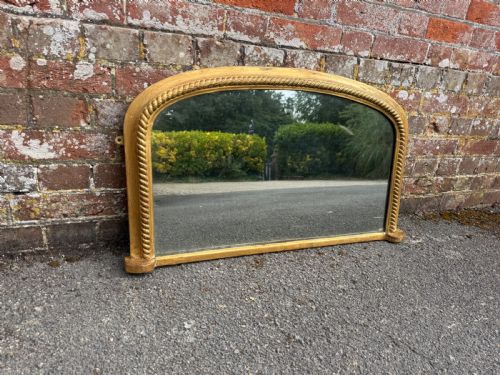


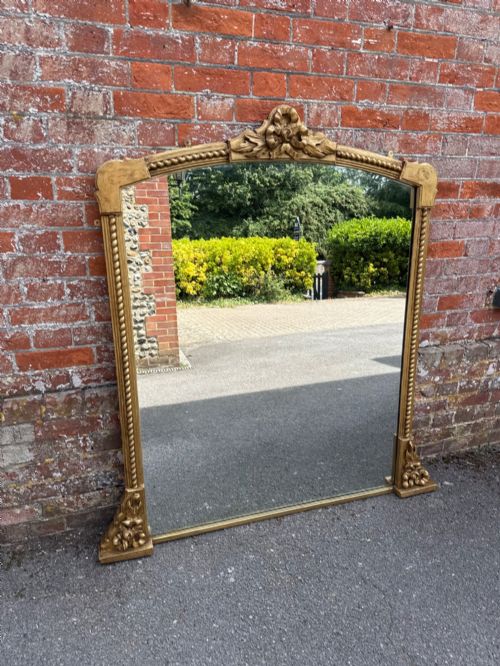
Gold Arch Top Mirror
A gold arch top mirror brings immediate scale and historic presence to a room, offering the reflective utility and decorative grace prized by collectors.
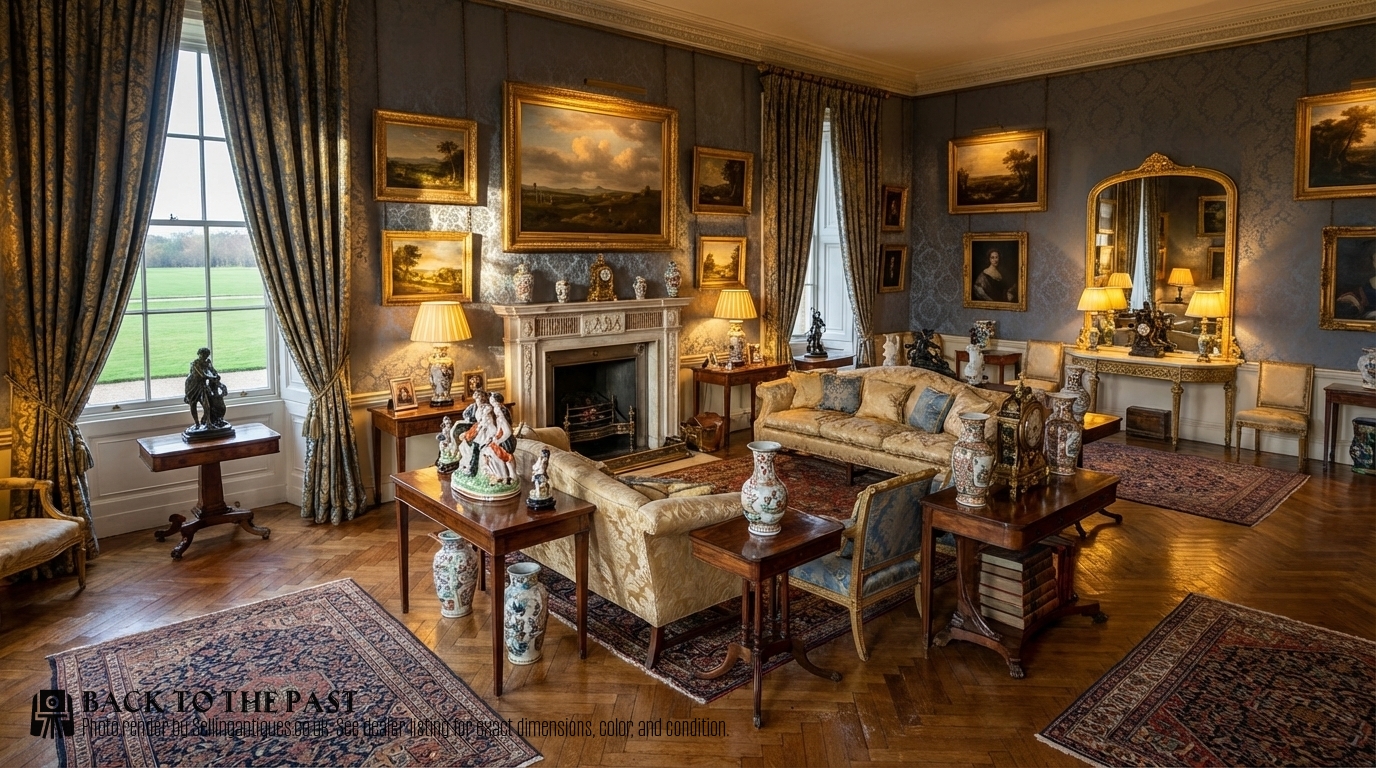
Gold Arch Top Mirror
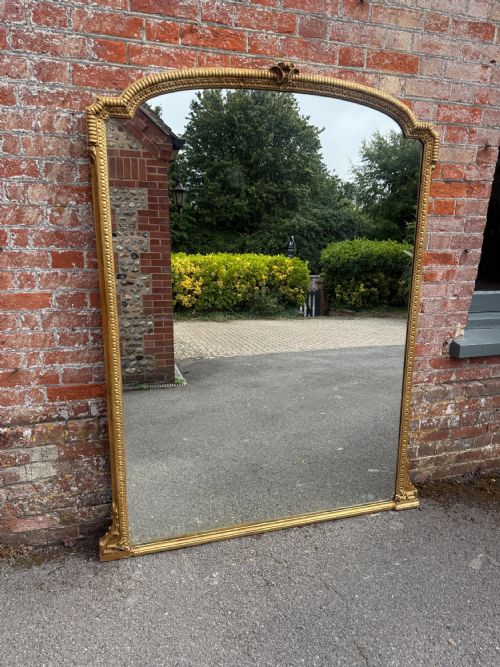
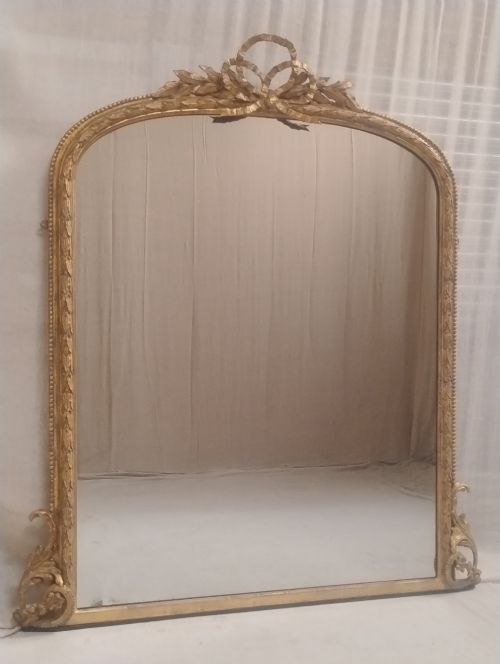
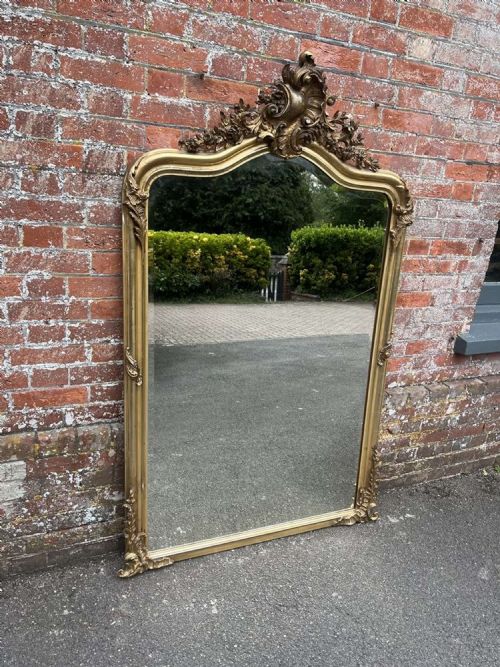
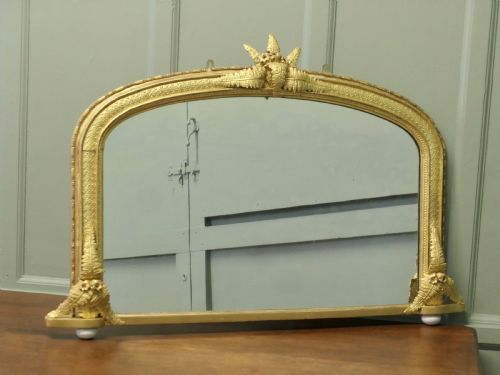
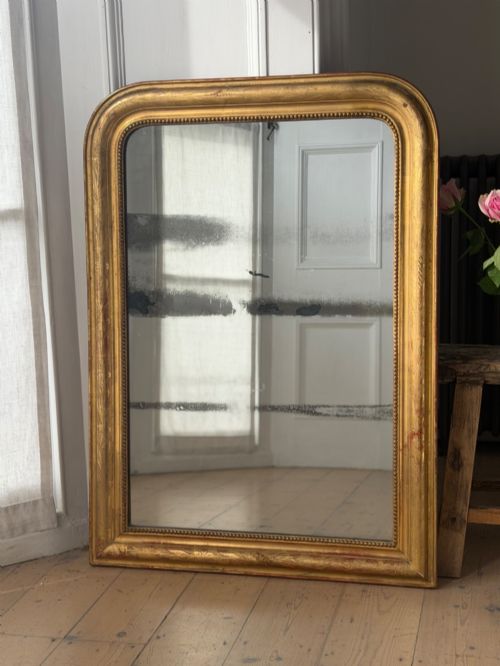
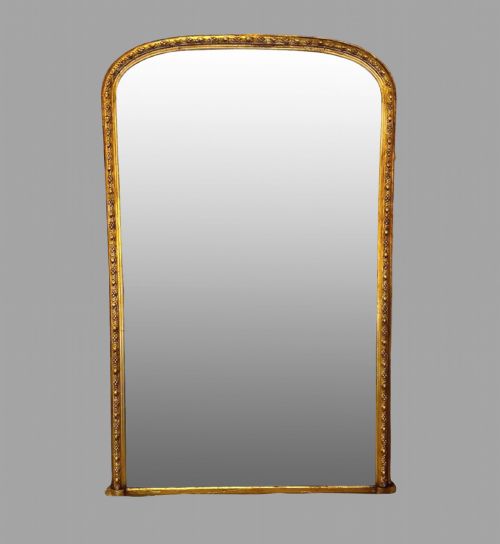
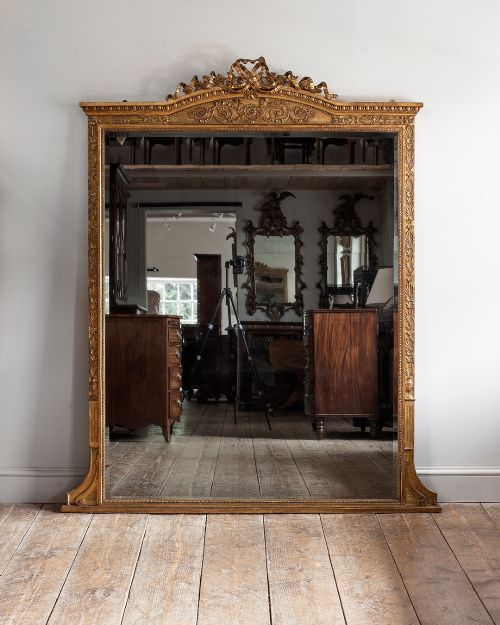
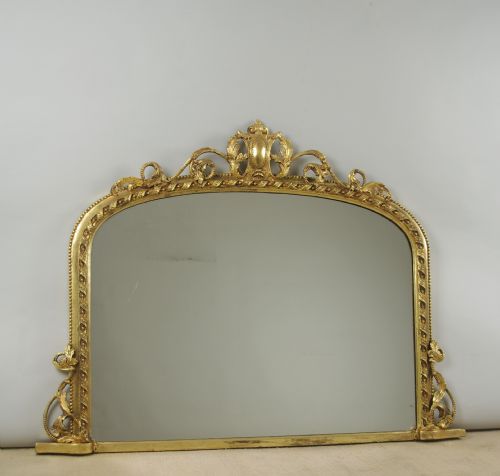
A gold arch top mirror primarily appears in large overmantel and wall formats dating from the nineteenth century. These items span Victorian English and French Louis Philippe styles, often designed to hang above fireplace mantels or anchor large wall spaces.
The selection ranges from grand English nineteenth-century carved wood and gesso examples to French chateau and rococo revival pieces. Buyers frequently encounter substantial overmantel mirrors featuring arched or shaped tops alongside tall pier mirrors.
Origin details reveal a strong presence of nineteenth-century craftsmanship, encompassing Georgian influences up to late Victorian productions. These substantial wall mirrors serve both functional reflective purposes and architectural focal points.
Materials and Technique
Makers constructed the primary frames using carved wood, applying layers of gesso and composition details to build up elaborate decorative motifs. Artisans then gilded these surfaces using gold leaf or applied gold paint to achieve a brilliant metallic sheen.
Mirror glass plates were integrated into the wooden structures, with certain pieces retaining historical elements such as foxed mercury glass. Frames often incorporated specialised decorative mouldings including rope twists, ribbed patterns, tulip borders, or central cartouches.
Some antique mirrors retain centuries of stories behind foxed glass, offering reflections that have quietly watched generations pass.
Assessing Quality
Quality differences emerge in the crispness and depth of the hand-carved wood elements and the application of the gesso beneath the gilding. Superior examples maintain intact original gilding and deeply reliefed ornamentation rather than flattened composition pressings.
The integrity of the structural joinery and the preservation of the original mirror glass plate significantly influence the standard of the piece. Finer items demonstrate careful proportion in their arched or shaped top profiles and retain authentic period hardware.
The Gold Arch Top Mirror Glossary
- Gesso
- A plaster-like mixture applied to wooden frames as a smooth base for subsequent gilding. It allows artisans to carve intricate details before applying gold leaf.
- Giltwood
- Timber that has been coated with gold leaf or gold paint. It forms the primary luminous surface of nineteenth-century decorative frames.
- Overmantel Mirror
- A large mirror specifically proportioned to hang on the wall directly above a fireplace mantel. These pieces often dominate the chimney breast.
- Louis Philippe
- A French nineteenth-century style characterised by restrained elegance, simple arched tops, and minimal ornamentation compared to earlier rococo excesses.
- Cartouche
- An ornamental oval or shield-like frame motif often placed centrally on the top of mirror frames. It provides a focal point for sculptural carving.
- Foxed Glass
- Mirror glass displaying dark spots and age-related oxidation. This natural degradation occurs over decades behind the glass surface.
Gold Arch Top Mirror: Frequently Asked Questions
How do I hang a heavy overmantel mirror?
These large nineteenth-century frames require robust wall fixings secured directly into structural studs or masonry. Professional installation is strongly recommended due to the substantial combined weight of timber, gesso, and glass.
Ensure the hanging wire or integrated brackets match the load capacity of the mirror. Positioning the piece securely above a mantel distributes visual weight effectively within the room.
What is Louis Philippe style?
Louis Philippe mirrors date from the mid-nineteenth century in France and offer a simpler aesthetic than heavily carved rococo pieces. They typically feature gentle arched tops and clean lined frames.
This understated design language makes them remarkably adaptable to contemporary interiors. They provide height and light without overwhelming surrounding decor.
How do I clean an antique gilt mirror?
Dust the carved wood and gesso frame gently with a soft, dry brush to protect the delicate gold leaf surface. Avoid harsh chemical cleaners or abrasive cloths that can strip historic gilding.
Clean the mirror glass using a mild glass cleaner applied to a cloth rather than directly onto the glass. This prevents moisture from seeping behind the frame and damaging the backing.
How can I tell the age of these mirrors?
Examine the construction methods visible on the reverse of the wooden frame, including joinery techniques and backboards. Nineteenth-century pieces frequently utilise hand-carved elements combined with early composition ornaments.
Look for signs of age in the mirror glass itself, such as minor imperfections or foxing. Comparing stylistic details like rope twist mouldings or central cartouches against established Victorian and Georgian design periods helps confirm the era.