
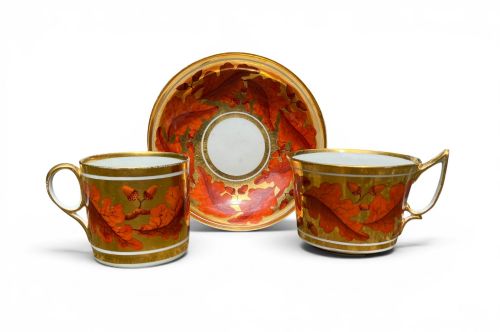


Gold Teacup
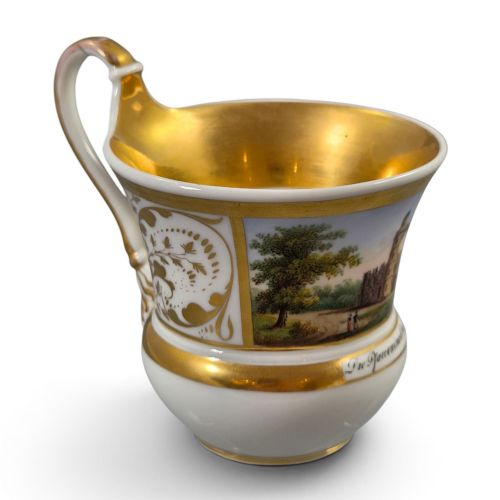
A gold antique teacup brings cabinet weight and hand-painted landscapes to the morning table.
Gold Teacup
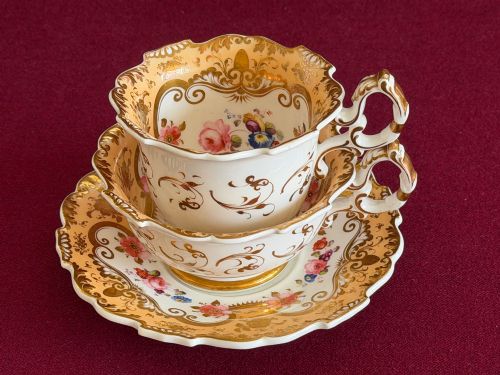
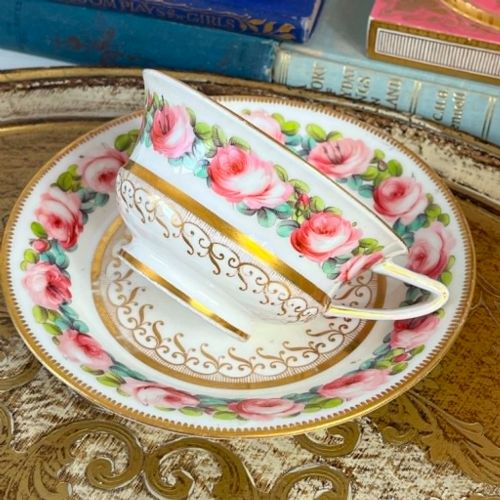
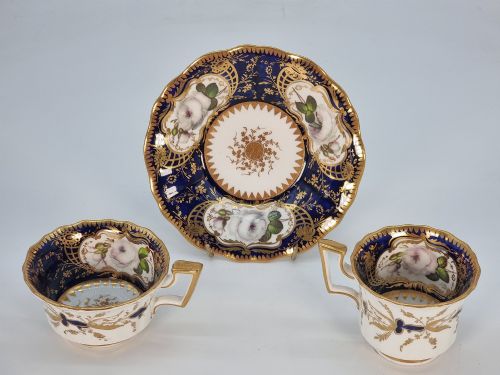
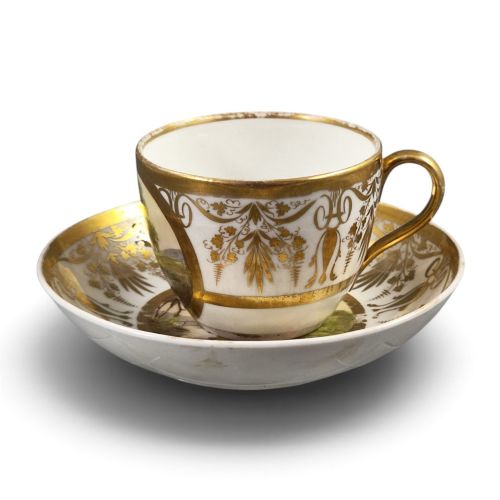
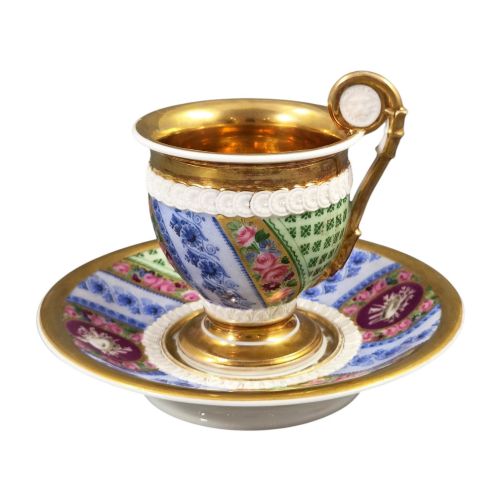
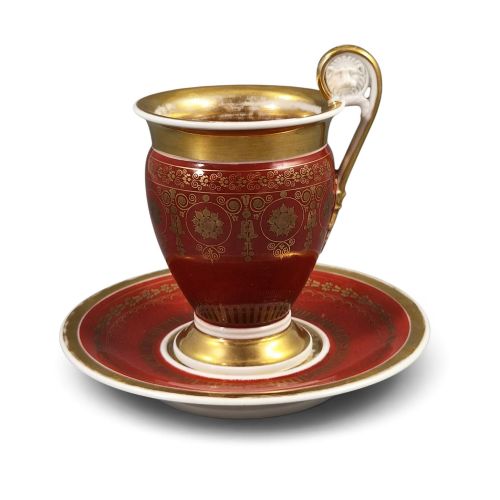
When searching for a gold antique teacup, buyers encounter delicate porcelain and bone china vessels produced across the Georgian, Regency, Victorian, and Edwardian periods. These objects take the form of individual duos, trios, cabinet cups, and complete tea services.
English manufactories such as Worcester, Coalport, Spode, and Derby dominate the earlier nineteenth-century offerings, alongside continental European porcelain from KPM Berlin and Old Paris. Later examples stretch into the early twentieth century with makers like Royal Albert and Royal Worcester.
Cabinet cups designed for display rather than drinking appear frequently alongside functional teacups and saucers. Miniature versions and pedestal forms also surface among the listed inventory.
Distinctions in Quality
The refinement of the hand-painted detail separates standard productionware from superior cabinet pieces. Precision in the application of gold leaf and the crispness of armorial or topographical painting indicate the skill of the original workshop.
The provenance and specific period also influence the character of the piece, with early nineteenth-century porcelain from established houses carrying distinct artistic weight compared to later twentieth-century output.
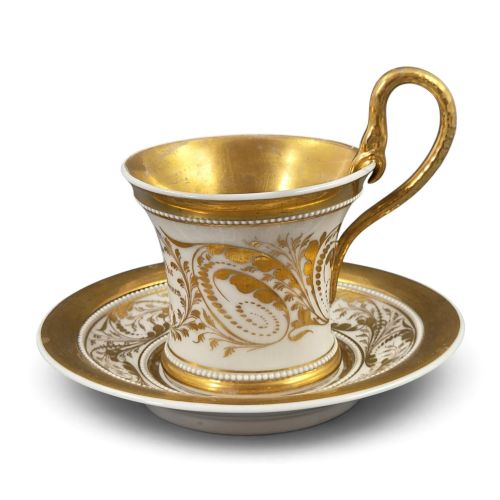
Materials across the listings include hard-paste porcelain, bone china, enamel, glass, and heavy gold leaf gilding.
A H & R Daniel·Davenport·Coalport·KPM Berlin·Derby·Worcester·Spode·Royal Worcester·Royal Albert·Hutschenreuther·Minton
The Gold Teacup Glossary
- Cabinet Cup
- A decorative cup intended primarily for display in a cabinet rather than for daily use.
- Trio
- A matching set comprising a teacup, a saucer, and a matching plate for cake or bread.
- Gilding
- The application of gold leaf or gold paint to porcelain surfaces for ornamentation.
- Hard-paste Porcelain
- A durable ceramic material fired at high temperatures, composed of kaolin and petuntse.
- Demitasse
- A small cup used for serving strong black coffee or espresso.
Gold Teacup: Frequently Asked Questions
Can I use an antique teacup for daily tea?
Most of these porcelain and bone china pieces can hold warm liquid, though cabinet cups are generally made for display.
Hand-washing is essential to protect the delicate gold leaf and hand-painted enamel decoration from detergent wear.
What is the difference between a duo and a trio?
A duo consists of a teacup and a matching saucer, forming the basic drinking pair.
A trio includes the teacup and saucer alongside a third matching plate for small bites.
How do I identify a Regency period cup?
Regency pieces often display classical neoclassical influences, vibrant hand-painted botanical studies, and rich gilding.
Makers from this era frequently employed distinct shapes like the Shrewsbury form.
Where were these gilded cups manufactured?
Production spans famous English potteries in Worcester and Staffordshire alongside continental European factories such as KPM Berlin and Old Paris workshops.
Export wares from Japan also appear among the listed traditions.