




Glazed Pottery Centrepiece
A glazed pottery centrepiece brings weight and colour to a room, offering the bold shapes that collectors seek.
Glazed Pottery Centrepiece
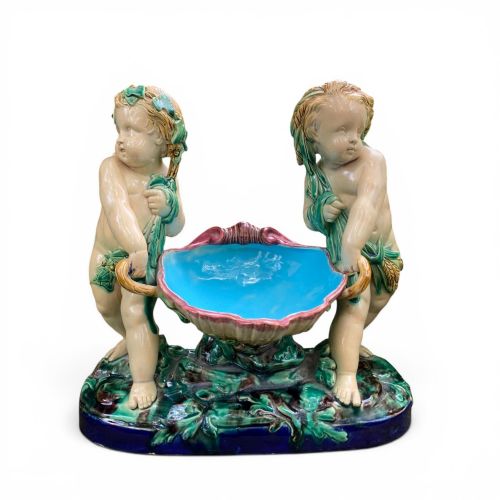
A glazed pottery centrepiece forms the visual anchor of a table or sideboard, drawing the eye with sculptural presence and rich surface colour. When you search for a glazed pottery centrepiece, you encounter an array of forms from large bowls to figural baskets and tureens.
The selection ranges from Victorian majolica and earthenware to Edwardian porcelain and Art Deco ceramics. You are most likely to meet pieces spanning the nineteenth and early twentieth centuries, reflecting diverse international origins from British potteries to continental workshops.
How they were made
Potters shaped earthenware and ceramic bodies by hand or in moulds, preparing the clay to receive fluid coats of glaze and enamel before firing. Artisans applied lead glazes and lustres to build deep, reflective surfaces that caught the light in domestic interiors.
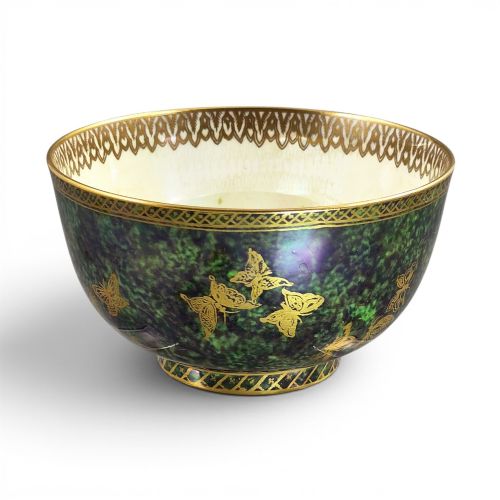
Detailing often involved hand painting and gold leaf application, requiring steady hands to define the motifs of floral or figural designs. Workshops utilised specialised kilns to fuse the vitreous coatings firmly to the ceramic base.
Glazed Pottery Centrepiece Retail Price Guide 2026
Typical asking prices for glazed pottery centrepiece among the pieces listed under this phrase on Sellingantiques today, from the lower quarter to the upper quarter. They describe what is for sale here now, not the wider market.
The inventory spans Victorian, Edwardian, and Art Deco styles alongside nineteenth-century works.
What varies in quality
Quality rests in the crispness of the modelled form and the control shown in the application of the glaze. A superior piece displays sharp relief work and harmonious colour transitions without pooling or dull patches.
The reputation of the maker and the complexity of the painted or gilded ornamentation dictate the standing of an individual piece. Stronger works demonstrate ambition in their sculptural composition and precision in their firing.
Daisy Makeig-Jones Wedgwood·Minton·Royal Dux Bohemia·Ryuzan·Ulisse Cantagalli·Le Manceau·Gien·Eichwald·Royal Doulton
The Glazed Pottery Centrepiece Glossary
- Majolica
- A type of earthenware coated with an opaque tin glaze and painted with metallic oxide colours. It achieved immense popularity during the Victorian era for bold decorative items.
- Lustre
- A ceramic finish containing metallic elements that produce an iridescent sheen when fired in a reduced oxygen atmosphere. It creates a shimmering surface effect.
- Earthenware
- Porous pottery fired at lower temperatures than stoneware or porcelain. It serves as the primary body for many majolica and glazed centrepieces.
- Flambé
- A rich, mottled glaze technique producing unpredictable streaks of red and purple through copper reduction. It requires expert kiln control.
- Tureen
- A large, deep vessel traditionally used for serving soup but frequently produced as a purely decorative centrepiece. These often feature elaborate animal or plant forms.
Glazed Pottery Centrepiece: Frequently Asked Questions
How were these centrepieces used?
Historically, these large vessels sat on dining tables to hold fruit or flowers during formal meals. Many functioned purely as decorative ornaments for display on sideboards and consoles.
Their substantial presence made them focal points for domestic interior decoration.
How do I live with a ceramic centrepiece?
Place the piece on a stable surface away from heavy foot traffic to protect its glazed and painted exterior. Keep it out of direct sunlight to prevent fading in the enamel colours.
Dust the surface gently with a soft cloth rather than using liquid cleaners.
How can I tell the periods apart?
Victorian examples often feature vibrant majolica glazes with naturalistic plant and animal motifs. Edwardian and Art Deco pieces tend to show smoother lines, lustre finishes, or stylised figures.
Examining the base for maker marks and glaze characteristics helps confirm the date of production.