

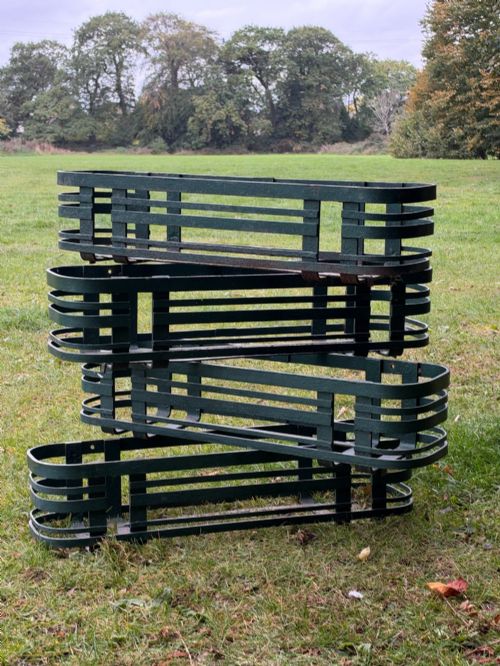
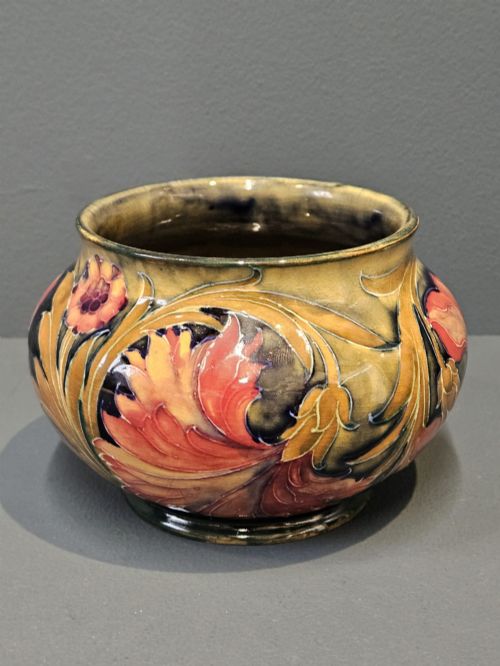
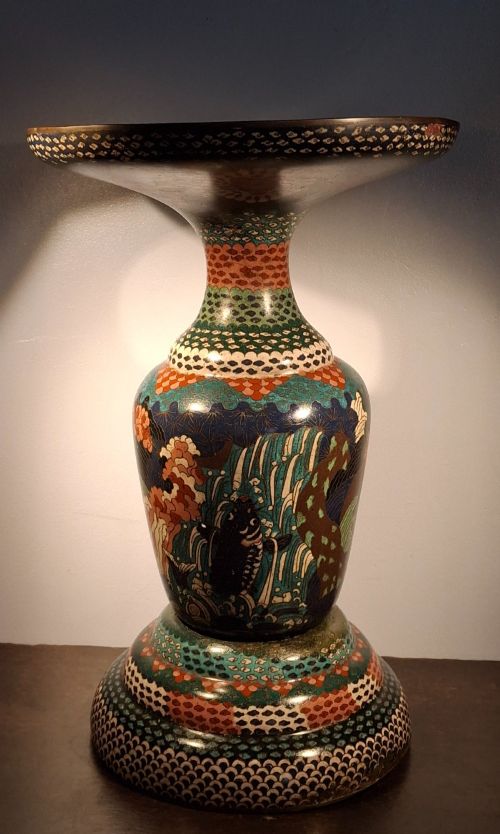
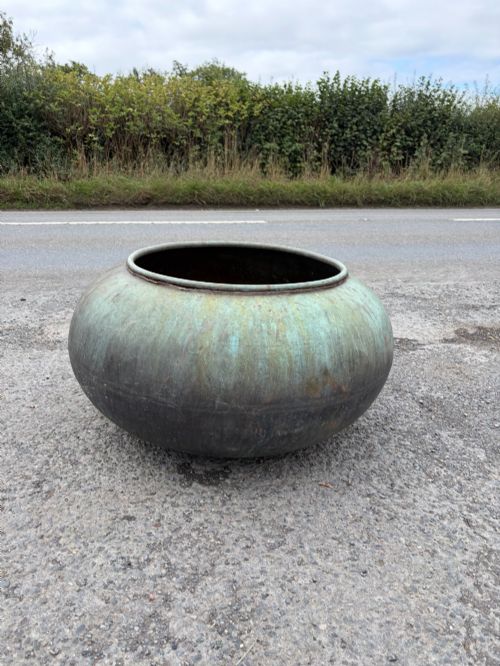

Antique Green Planter
An antique green planter brings weight and texture to a room, holding foliage inside or grounding a terrace outside.
Antique Green Planter
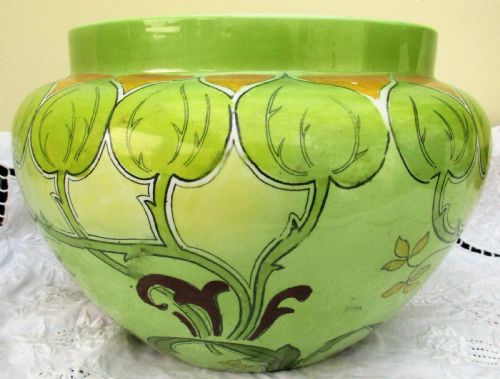
An antique green planter encompasses a variety of vessels designed to hold plants, ranging from heavy garden urns and jardinieres to glazed ceramic bowls and rustic troughs. The selection spans the nineteenth century and the early twentieth century, drawing on Victorian, Art Nouveau, and regional European traditions.
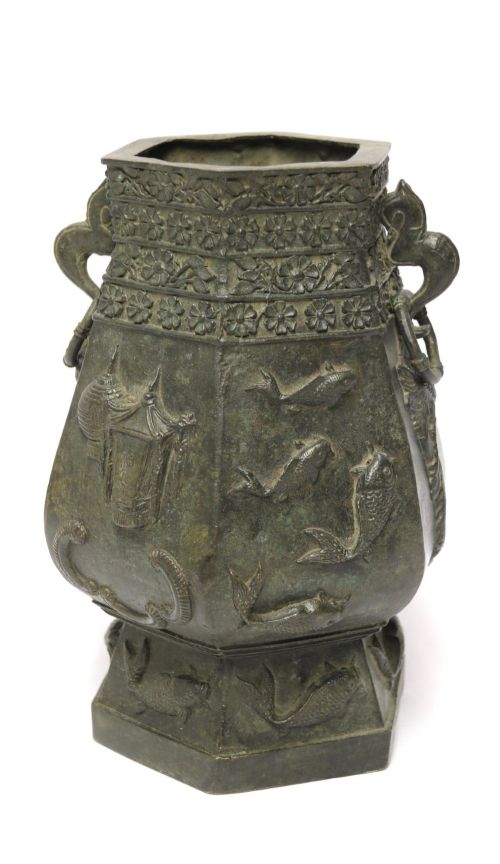
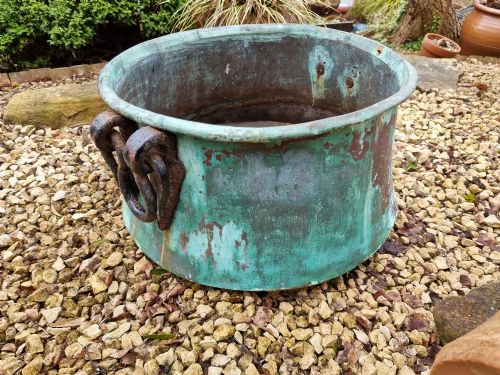
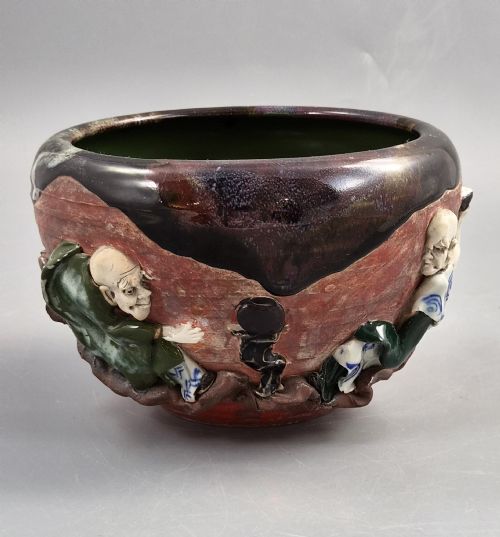
Buyers will encounter earthenware, terracotta with green glazes, and patinated copper or cast iron vessels shaped by age. Forms vary from monumental temple vases and handled pots to small bonsai planters and footbaths pressed into new service.
How they were made
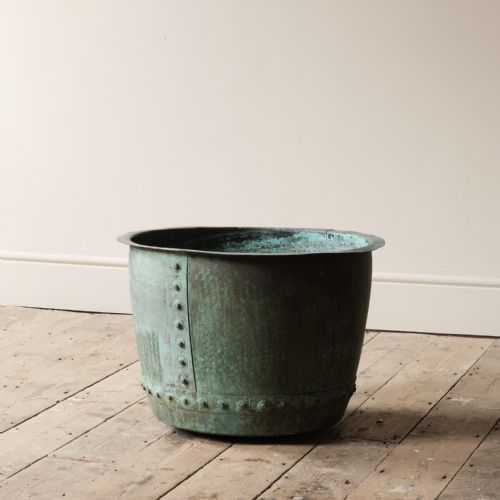
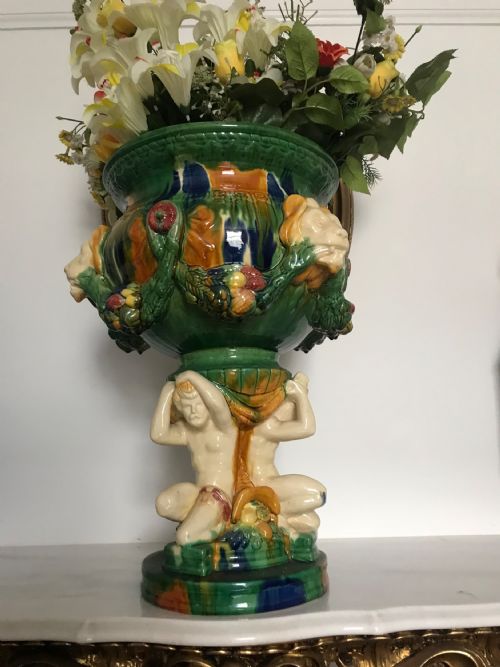
Makers shaped these pieces through casting iron and bronze, hammering and riveting heavy sheets of copper, or throwing and moulding clay on the wheel. Glazed ceramic and majolica examples received rich surface treatments, including dribble glazes and figural reliefs.
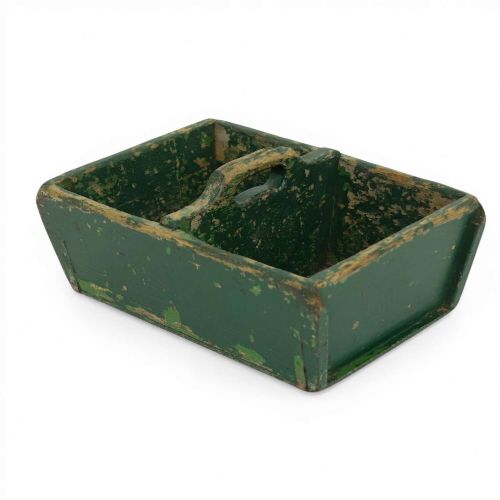
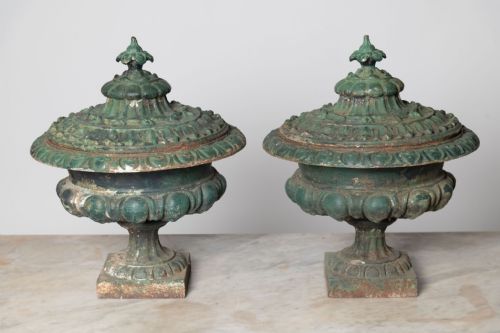
Materials like terracotta and copper acquired distinctive patinas, such as verdigris, through decades of exposure to moisture and the elements. Cast iron vessels often retain traces of old paint or surface oxidation that mark their age.
Antique Green Planter Retail Price Guide 2026
Typical asking prices for green planter among the pieces listed under this phrase on Sellingantiques today, from the lower quarter to the upper quarter. They describe what is for sale here now, not the wider market.
Listings feature items spanning the nineteenth century through the mid-twentieth century, incorporating earthenware, copper, cast iron, and bronze forms.
What varies in quality
Quality rests upon the crispness of the modelling in cast metals and moulded ceramics, alongside the depth and complexity of the glaze. Pieces bearing the marks of known potteries or named makers command greater attention for their artistic ambition.
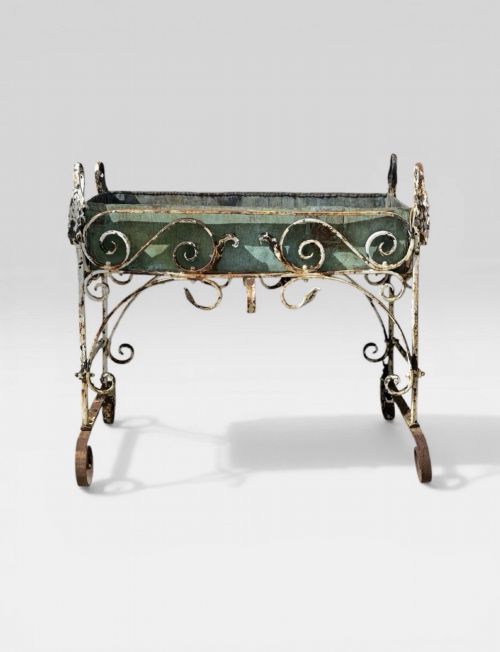
The integrity of the material matters deeply, whether in the heavy gauge of a riveted copper bucket or the careful preservation of original paint and surface finishes on cast iron urns.
Inoue Ryōsai·W.A. Adderley·Julius Dressler·Royal Worcester·Royal Doulton·Minton
The Antique Green Planter Glossary
- Jardiniere
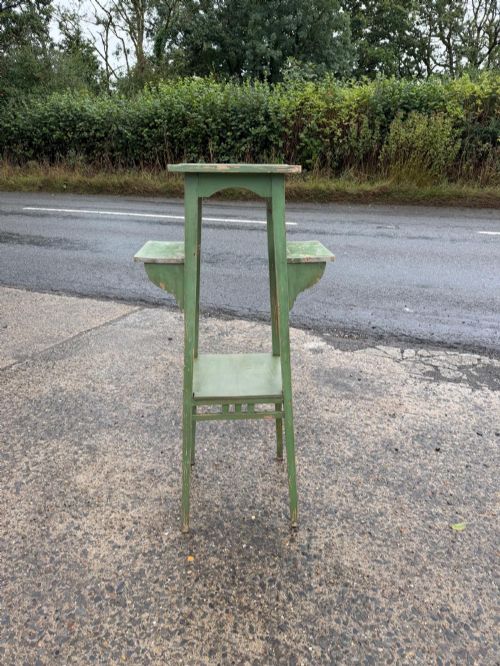
- An ornamental pot or stand for holding plants or flowers. These large ceramic or metal vessels often sit on matching pedestals or floor stands.
- Majolica
- A type of earthenware decorated with opaque coloured glazes over a white tin-earth ground. It is known for vibrant hues and relief modelling.
- Verdigris
- A green patina formed naturally on copper, brass, or bronze through atmospheric weathering. This oxidation layer protects the metal underneath and indicates considerable age.
- Usubata
- A traditional Japanese bronze vessel used for flower arrangement, often featuring a broad shallow basin atop a slender stem. They frequently serve as garden urns.
- Terracotta
- Fired unglazed or glazed clay shaped into pots and urns. Porous and earthy, it darkens characteristically when exposed to damp soil.
Antique Green Planter: Frequently Asked Questions
Can I use these planters outdoors?
Many cast iron, terracotta, and bronze planters tolerate outdoor conditions well, especially metal urns designed specifically for garden terraces. Ceramic pieces and glazed majolica benefit from being brought indoors before winter frost arrives.
Assessing the material thickness helps determine weather resistance. Robust copper and heavy iron handle exposure easily, whereas porous earthenware requires care during freezing temperatures.
How do I clean an antique planter?
Gentle washing with warm water and a soft brush removes dirt and organic debris without disturbing old patinas or fragile glazes. Strong chemical cleaners should be avoided because they strip historic finishes.
For copper and bronze vessels, leaving the verdigris intact preserves the authentic surface character. Ceramic planters require simple wiping to maintain their colours.
What is the difference between a jardiniere and a planter?
A jardiniere typically refers to a decorative ceramic or metal pot designed to hold a potted plant indoors rather than planting directly into the vessel. Planters often serve functional roles in gardens and may accommodate direct soil planting.
Victorian homes used jardinere stands to display ferns and floral arrangements in primary living spaces. Today the terms frequently overlap in marketplace listings.
How do I date an antique planter?
Dating relies on stylistic clues such as Art Nouveau motifs, Victorian majolica production marks, or Meiji period signatures on Japanese bronzes. Manufacturing techniques, including hand-hammered copper riveting versus machine welding, also provide clear chronological markers.
Maker stamps and registry marks on the base of ceramic pieces narrow down the decade of creation. Materials like cast iron and terracotta reflect the prevailing tastes of their respective nineteenth-century periods.