
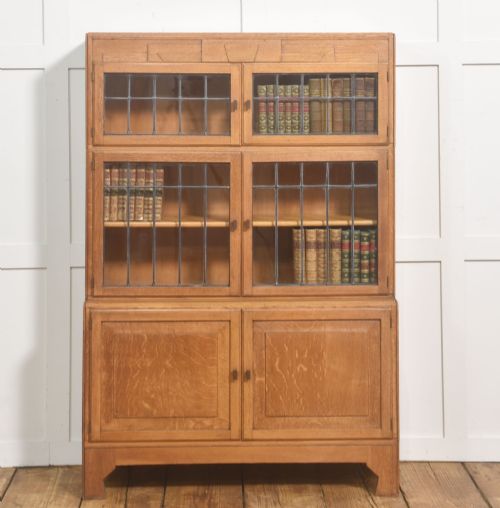
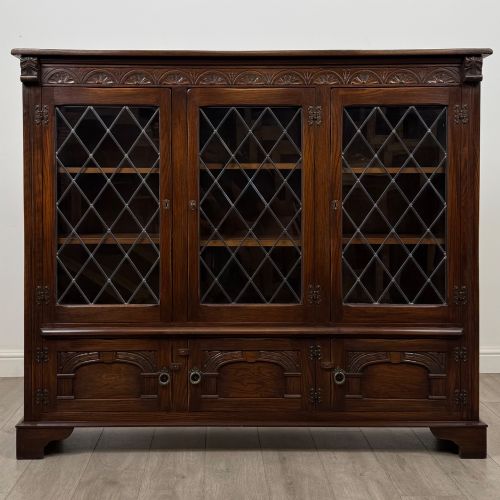
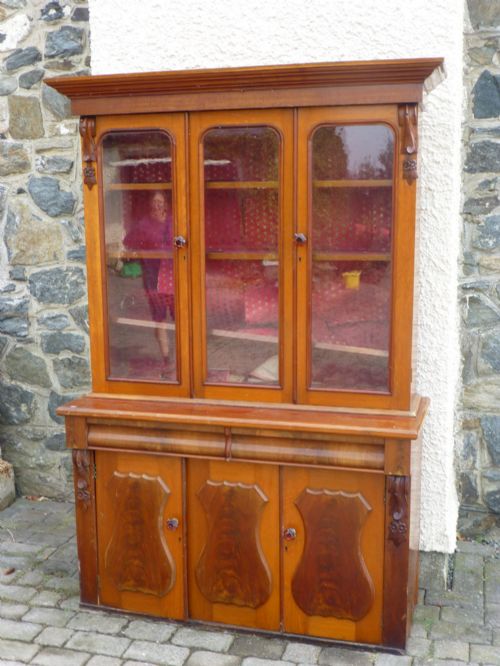
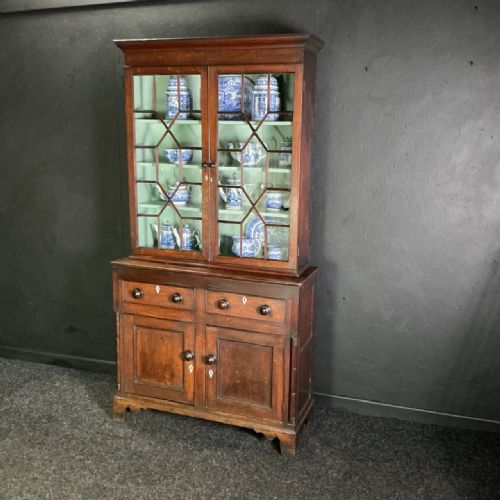
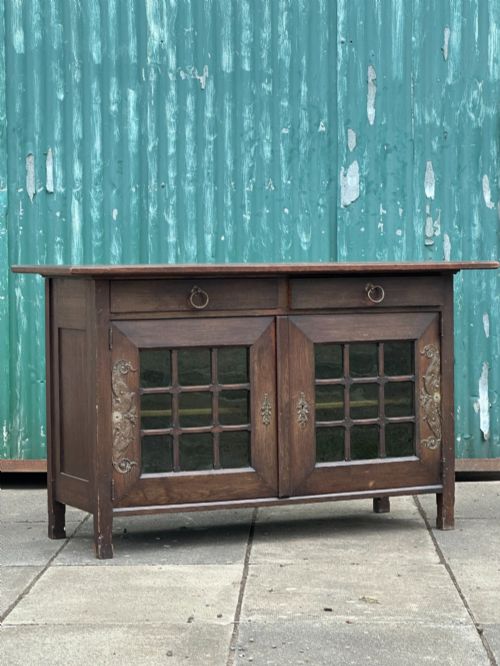


Glazed Oak Dresser
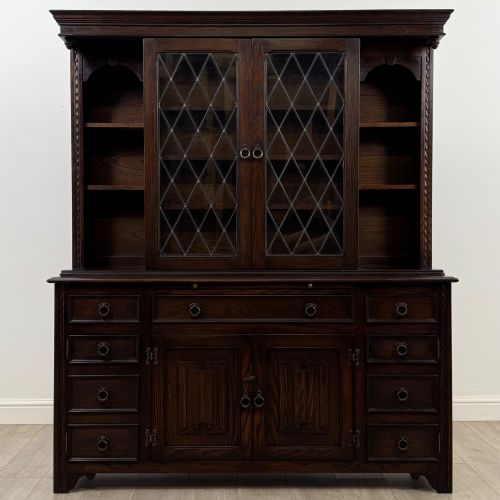
A glazed oak dresser brings together solid timber construction and upper display space, offering both a robust working base and shelving protected by glass doors.
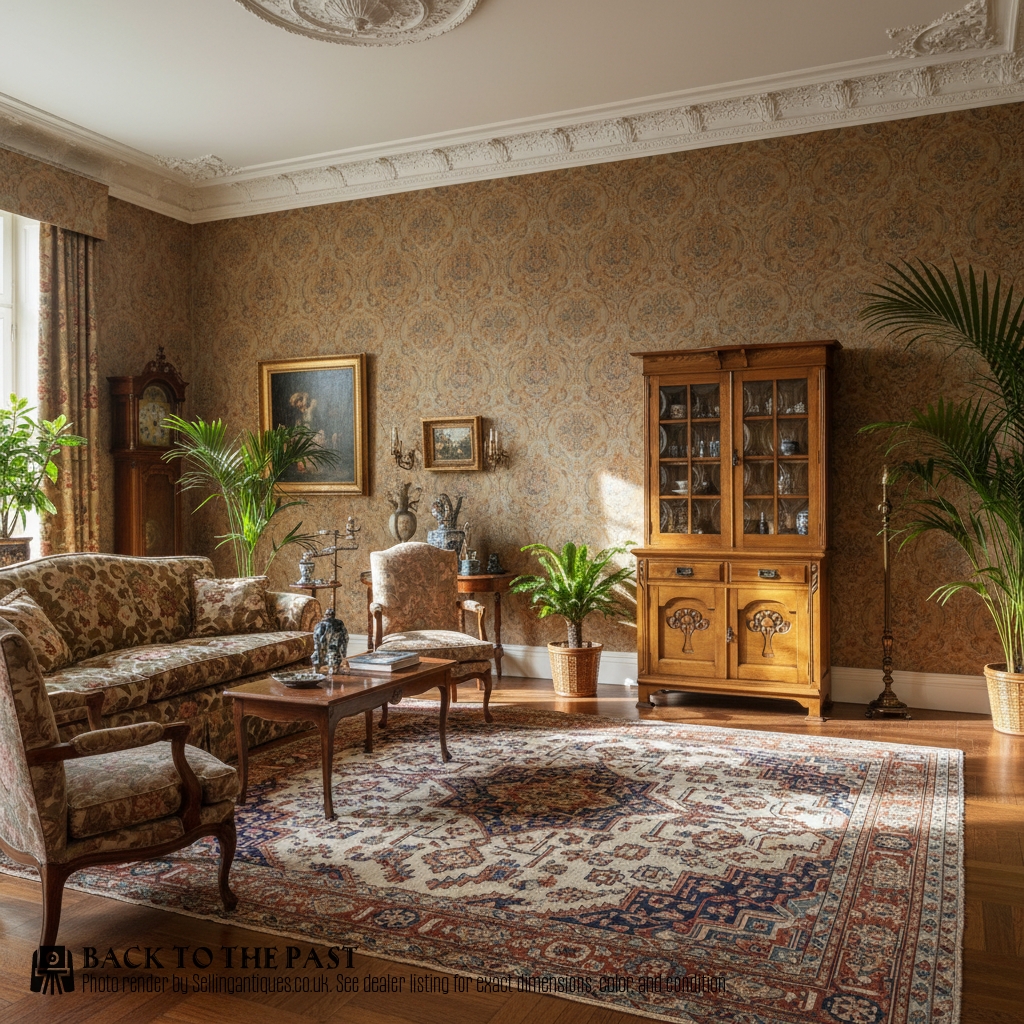
Glazed Oak Dresser
A glazed oak dresser combines a lower storage cabinet or sideboard with an upper section enclosed by glass, functioning as a primary piece for storing and displaying household possessions. Buyers examining this category encounter forms spanning the eighteenth, nineteenth, and early twentieth centuries, reflecting regional styles from English country workshops to French provincial designs.
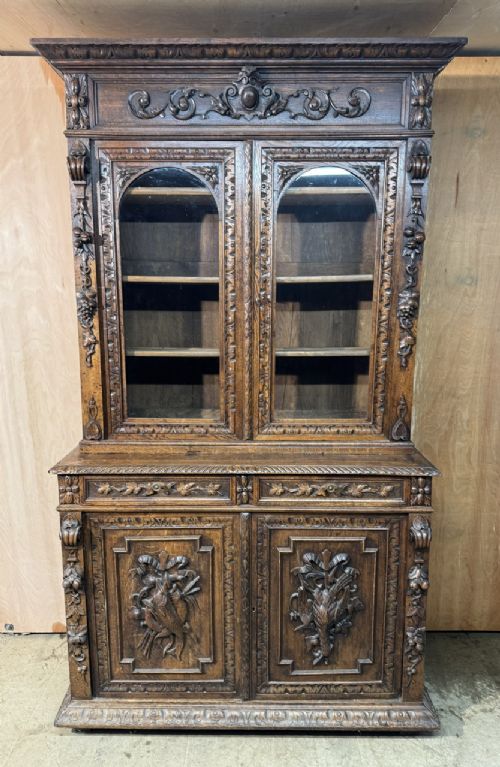
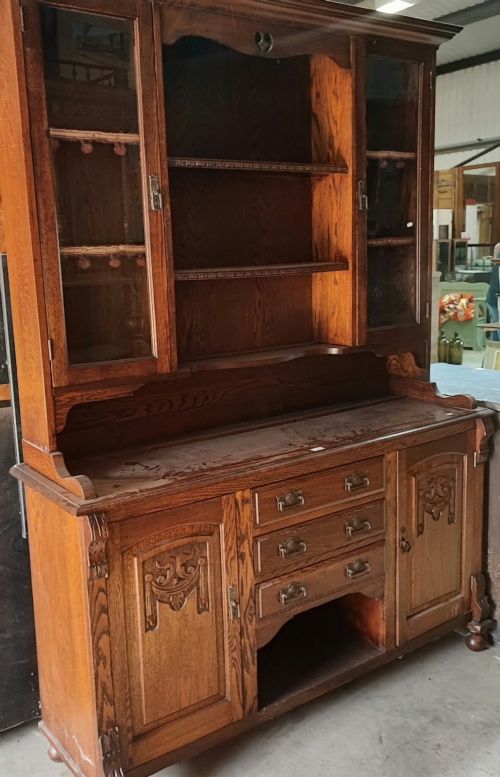
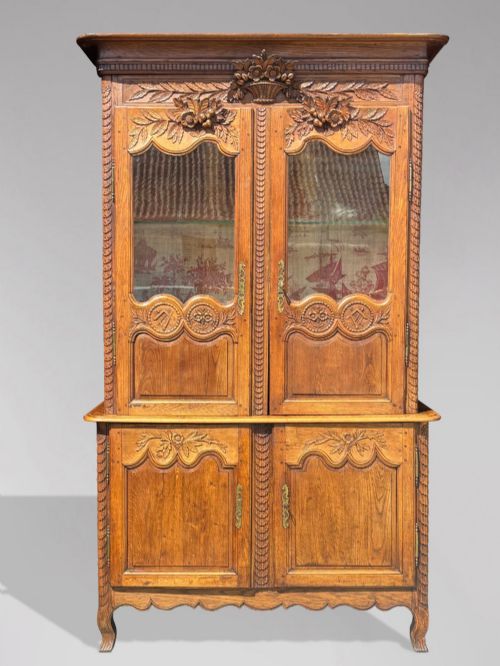
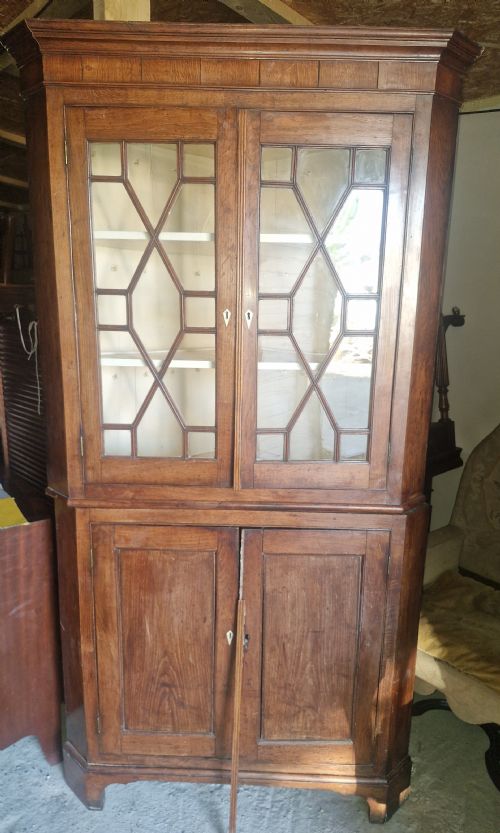
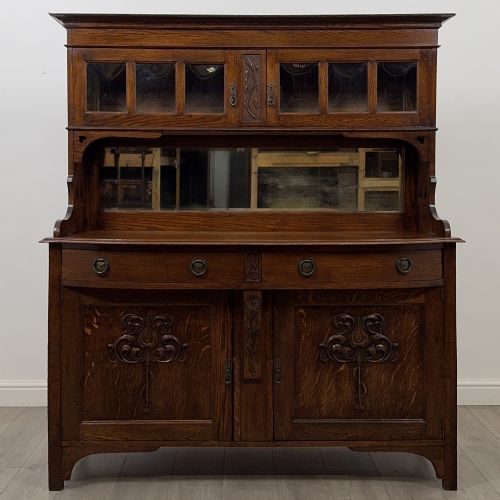
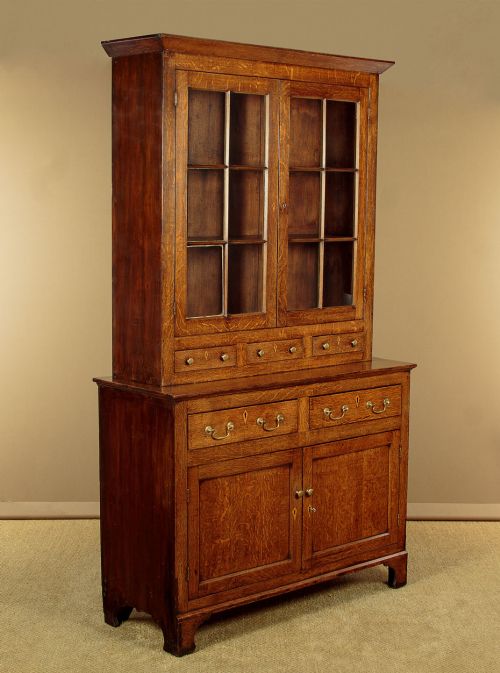
The versions most frequently met on this page include nineteenth-century Victorian and Edwardian examples, alongside regional Welsh dressers and later twentieth-century interpretations such as Arts and Crafts sideboards and bookcases. These items range from sturdy two-part corner cupboards and kitchen dressers to monumental library bookcases fitted with carved panel bases.
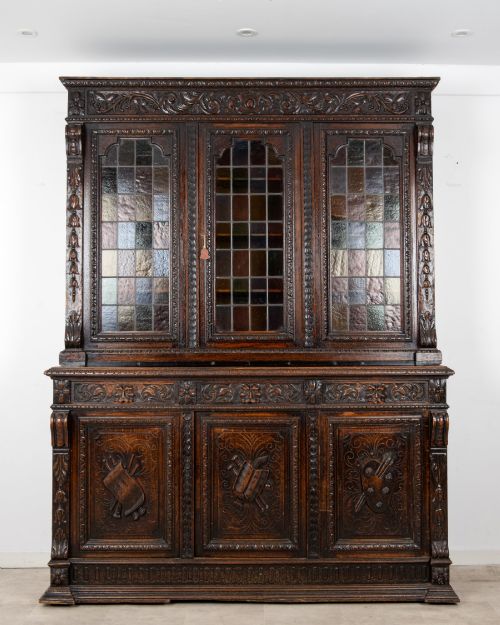
Origin and period heavily influence the character of each piece, with eighteenth-century examples showing simpler Georgian or Louis XV proportions, while Victorian iterations frequently incorporate intricate relief carvings, stained glass, or tiger oak figuring. Edwardian and later 1920s or 1930s variations tend toward cleaner lines, lighter golden tones, and functional domestic utility.
Materials and construction methods
The primary material across these pieces is solid oak, occasionally paired with secondary timbers like mahogany or accented with brass hardware, iron fittings, and mirror backs. Cabinetmakers utilised traditional joinery techniques, mounting heavy timber panel doors onto robust frames and housing shelves securely within the lower cupboards.
Glazing techniques vary from simple single-pane glass doors to leaded lights, stained glass, and multi-pane arrangements secured with wooden glazing bars. Carved decorative elements, where present, are worked directly into the solid oak framework, ranging from geometric Jacobean revival motifs to flowing Art Nouveau or Gothic revival reliefs.
Glazed Oak Dresser Retail Price Guide 2026
Typical asking prices for glazed oak dresser among the pieces listed under this phrase on Sellingantiques today, from the lower quarter to the upper quarter. They describe what is for sale here now, not the wider market.
Listings feature glazed oak dressers and bookcases spanning the eighteenth, nineteenth, and twentieth centuries, utilising oak, glass, brass, and leaded glass materials.
Separating the ordinary from the exceptional
Quality in a glazed oak dresser rests in the selection of the timber and the depth of the cabinetmaker's skill. Finer examples display striking grain patterns, such as tiger oak or golden quarter-sawn boards, matched with harmonious proportions across the upper and lower sections.
Construction integrity defines the upper tier of pieces, evident in tight joinery, unwarped doors that close true, and original glass panes. Superior workshops demonstrated restraint and precision in carved ornamentation, ensuring decorative relief work complemented the structural mass of the oak rather than overwhelming it.
Liberty & Co·Heals
The Glazed Oak Dresser Glossary
- Glazed oak dresser
- A two-part storage and display unit featuring a wooden base topped with glass-fronted shelving. This form serves multiple rooms from kitchens to libraries.
- Tiger oak
- Oak timber exhibiting strong, irregular medullary ray figuring that resembles tiger stripes. This characteristic appears frequently in Victorian furniture.
- Leaded glass
- Small panes of glass held together within a framework of lead cames. This technique is typical of Arts and Crafts and Edwardian glazed doors.
- Welsh dresser
- A traditional regional form of kitchen furniture featuring a base of drawers and cupboards surmounted by plate racks or enclosed glazed shelving.
- Buffet deux corps
- A substantial two-piece French cabinet construction consisting of a lower sideboard supporting an upper glazed or enclosed display section.
Glazed Oak Dresser: Frequently Asked Questions
How do I clean a glazed oak dresser?
Dust the exterior oak surfaces regularly with a dry cloth and apply a quality beeswax periodically to nourish the timber grain. Avoid modern silicone sprays, which build up and damage antique finishes over time.
Clean the glass panes using a mild glass cleaner applied to a cloth rather than sprayed directly, preventing moisture from seeping into the wooden frames or lead cames.
How can I tell an 18th-century dresser from a Victorian one?
Eighteenth-century examples generally exhibit simpler joinery, hand-planed surfaces, and restrained proportions typical of Georgian or regional vernacular design. The timber often shows softer patination developed through centuries of domestic use.
Victorian and later pieces tend to feature heavier carving, darker applied finishes, machine-sawn timber components, and more complex architectural styling such as Gothic or Renaissance revival motifs.
Can I adjust the shelves inside the glazed section?
Most antique glazed dressers and bookcases feature fixed wooden shelving supported by interior side battens, reflecting the construction standards of their period. Movable shelf pins and adjustable metal tracks are rarely found in pieces predating the mid-twentieth century.
Consider the height of your books or display items carefully against the fixed shelf clearances before purchasing a particular cabinet.