

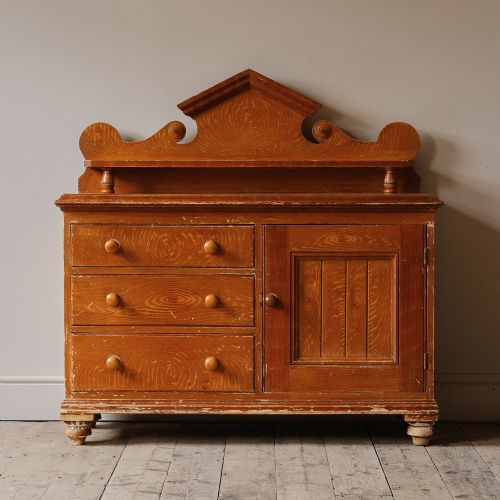
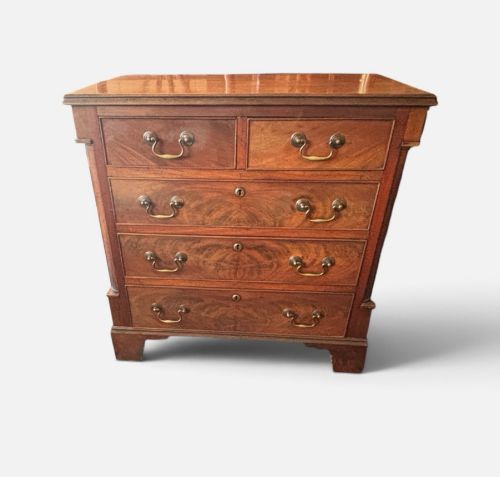
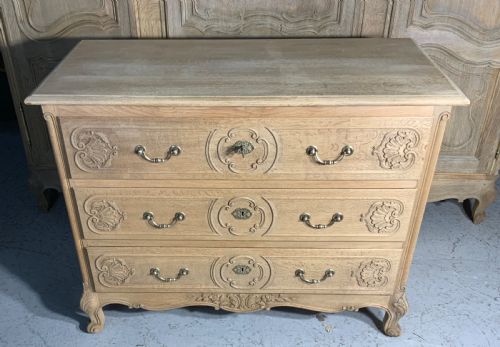
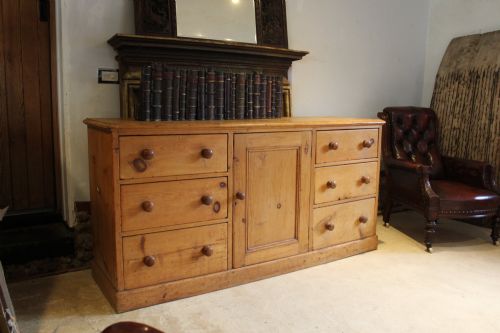
Antique Storage Dresser
An antique storage dresser offers sturdy domestic utility and period timber character, spanning centuries of British and continental cabinet-making.
Antique Storage Dresser
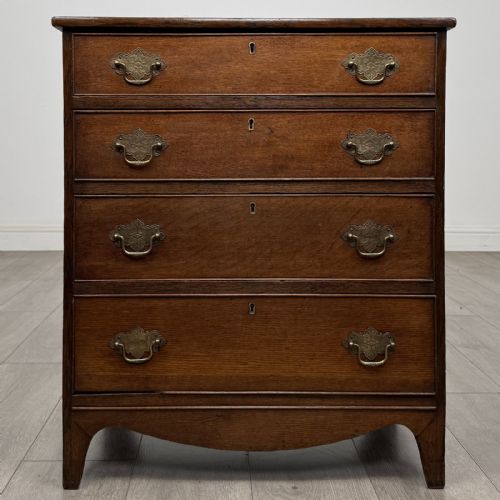
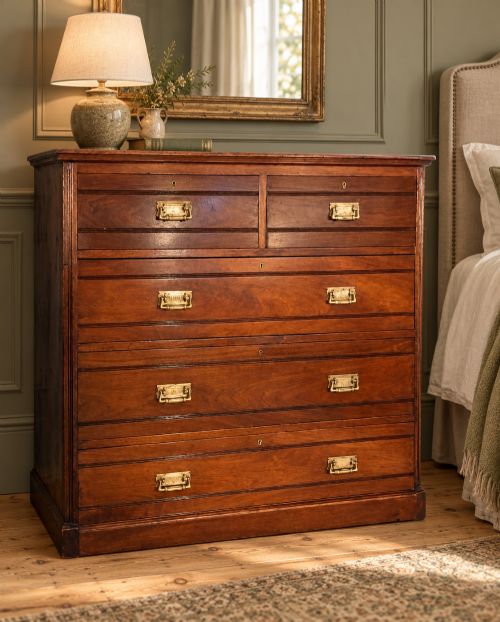
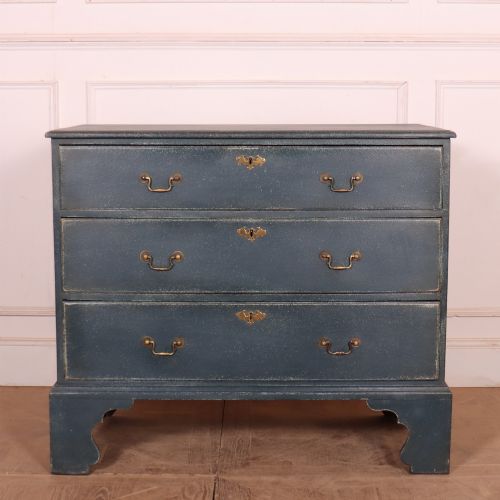
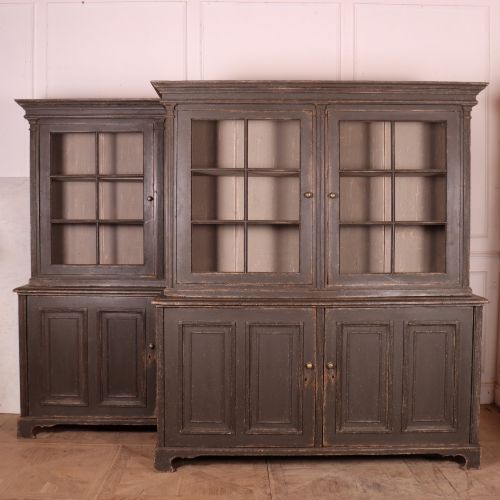
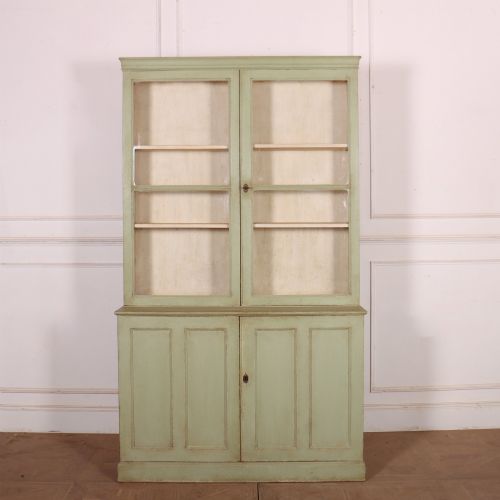
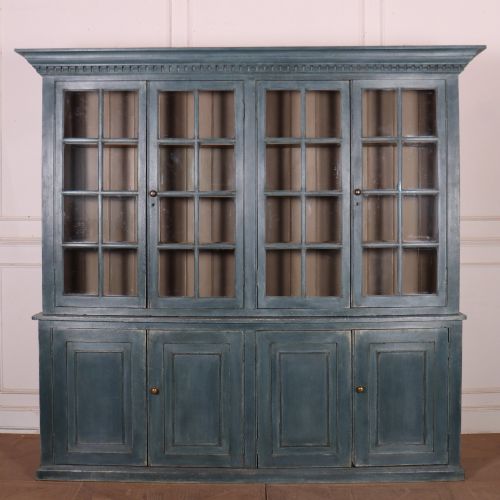
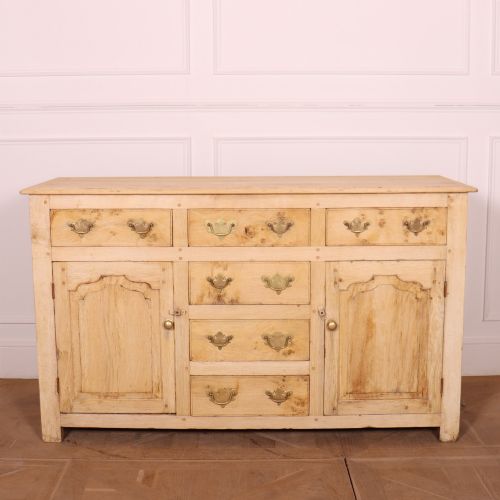
An antique storage dresser encompasses heavy kitchen cupboards, tall housekeepers' cupboards, and multi-drawer chests built for holding household items. The pieces on this page appear primarily across Georgian, Victorian, Edwardian, and Regency periods.
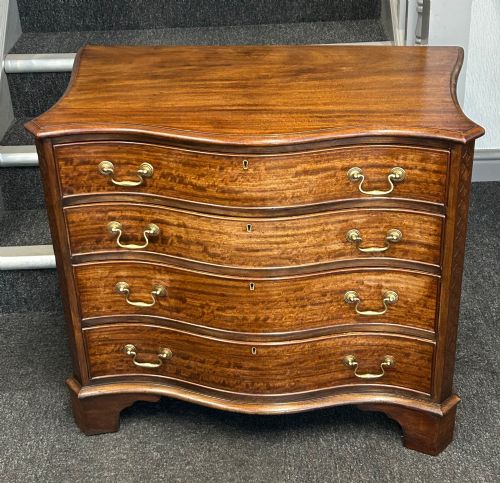
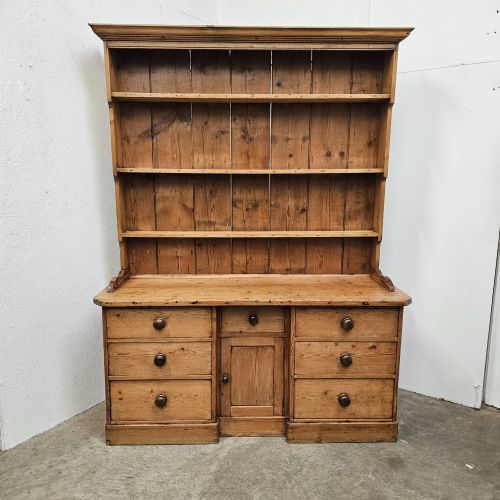
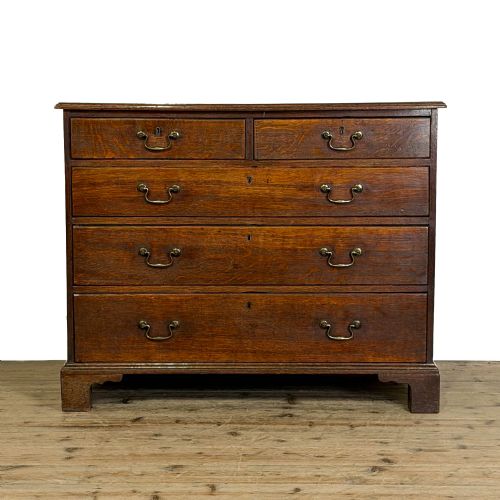
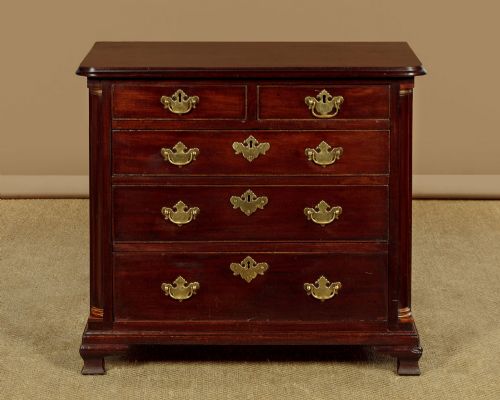
Chest of drawers formats dominate the selection, ranging from compact bow-front designs to tall narrow configurations. Dresser bases and glazed kitchen cabinets also feature among the domestic storage solutions.
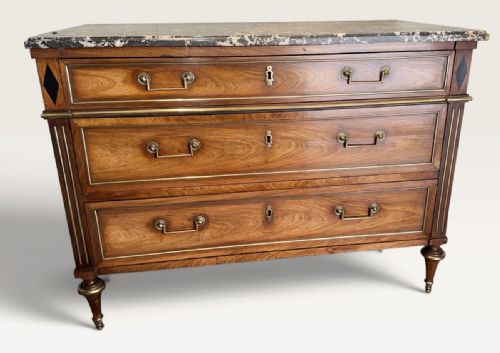
Solid timbers like oak, pine, and mahogany form the structural core of these storage pieces. Walnut and flame mahogany veneers appear on more decorative examples from later periods.
Timbers and construction
Cabinet-makers relied on solid oak, pine, and mahogany for structural integrity, utilising local woods for country pieces and imported tropical hardwoods for formal rooms. Drawer construction frequently employed tight dovetail joints to withstand daily pulling.
Veneers of figured walnut and flame mahogany were applied over secondary woods to create decorative grain patterns on formal drawer fronts. Painted finishes, faux bamboo mouldings, and brass drawer pulls complete the surface treatments.
Antique Storage Dresser Retail Price Guide 2026
Typical asking prices for storage dresser among the pieces listed under this phrase on Sellingantiques today, from the lower quarter to the upper quarter. They describe what is for sale here now, not the wider market.
Listings feature storage furniture built from oak, mahogany, pine, walnut, and metal across Georgian, Regency, Victorian, and Edwardian periods.
Judging execution and timber
Quality rests upon the selection of timber, visible in the rich figuring of walnut veneers and the depth of polished mahogany. Superior examples display careful matching of grain patterns across multiple drawer fronts.
The integrity of internal framing and drawer construction separates standard utility items from high-workshop commissions. Original brass hardware, clean dovetailing, and balanced proportions elevate a piece's standing.
Whytock & Reid·T & G Seddon·Liberty
The Antique Storage Dresser Glossary
- Bow front
- A convex curved cabinet or chest front popular during the Georgian and Regency periods. This shape softens the room's geometry while increasing internal drawer volume.
- Dovetail
- A joint formed by interlocking wedge-shaped fingers, used primarily in drawer construction. Fine, tight joints indicate skilled cabinet-making.
- Dresser base
- The lower cabinet portion of a kitchen or dining room storage unit, often fitted with drawers and cupboards. These serve as standalone sideboards.
- Housekeeper's cupboard
- A tall, large storage cabinet traditionally used for linens and dry goods in large houses. They provide substantial internal shelving and enclosed space.
Antique Storage Dresser: Frequently Asked Questions
What is an antique storage dresser?
An antique storage dresser is a historic wooden cabinet, chest of drawers, or cupboard designed for domestic organisation. These pieces originate from periods ranging from the eighteenth century to the early twentieth century.
They provide enclosed shelving and sliding drawer capacity for clothing, kitchenware, and household goods. Makers built them from native and imported timbers like oak, mahogany, and pine.
How do I date an antique dresser?
Dating relies on timber choice, construction methods, and stylistic details such as bracket feet or turned legs. Georgian pieces often show dense mahogany or oak with hand-cut dovetails.
Later Edwardian and 1930s examples introduce machine assistance and different veneer treatments like burr walnut. Hardware styles and secondary woods inside the drawers also point to specific decades.
Where should I place a chest of drawers?
A chest of drawers suits bedrooms, hallways, or living spaces needing closed storage and surface display area. Narrow configurations fit tight landings, while wide bow-front pieces anchor larger walls.
Keep wooden items away from direct heat sources and strong sunlight to protect polished timber and veneers. Proper placement ensures the drawers slide smoothly without environmental warping.
What woods were used for dressers?
Cabinet-makers used sturdy structural timbers including oak, pine, and mahogany for everyday strength. Walnut and flame mahogany veneers provided decorative surfaces for formal reception rooms.
Country pieces typically relied on local pine or oak, whereas urban workshops imported exotic hardwoods. Secondary woods inside drawers often include softer timbers like deal or oak.