


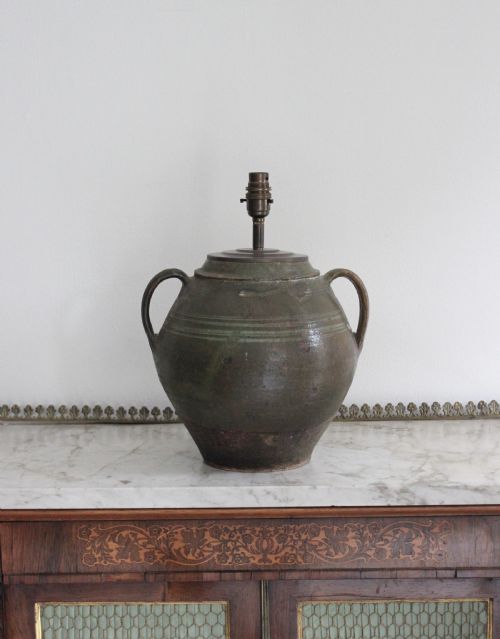
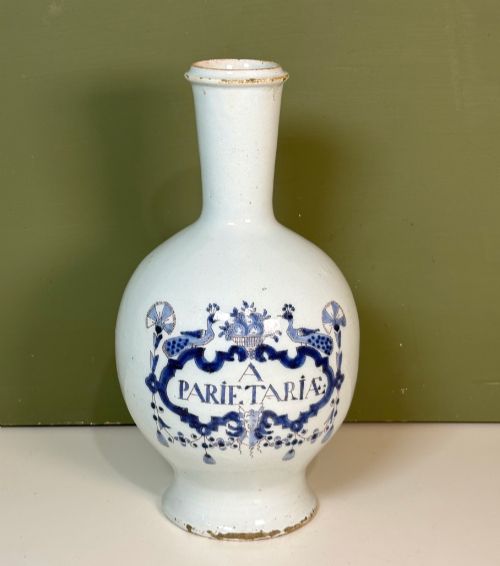
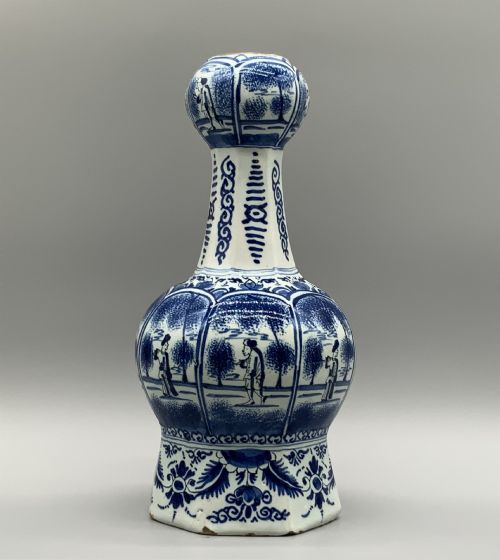
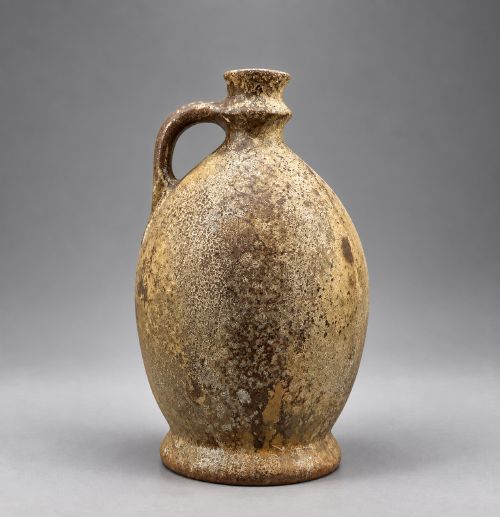
Glazed Earthenware Jar
When you search for a glazed earthenware jar, you enter a tradition of apothecary vessels, storage pots and display vases spanning centuries.
Glazed Earthenware Jar
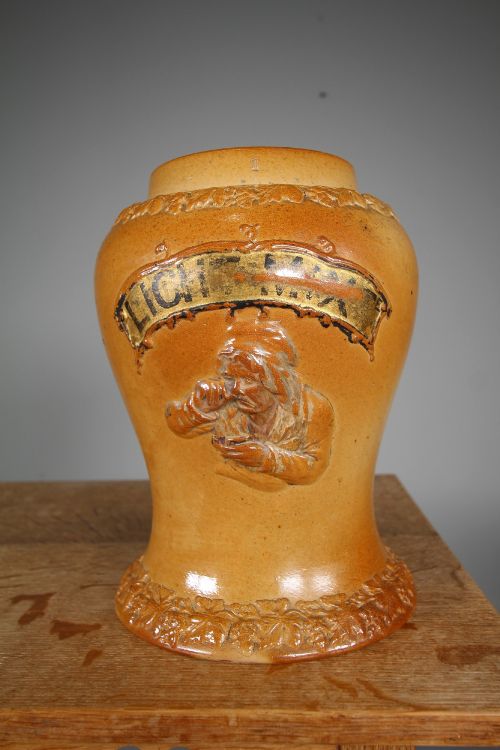
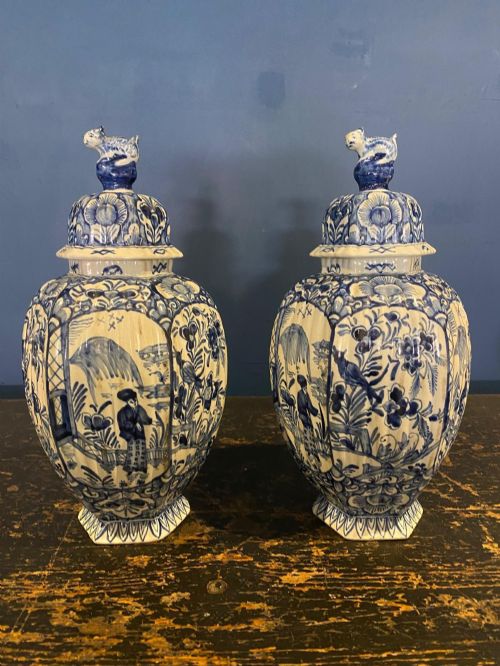
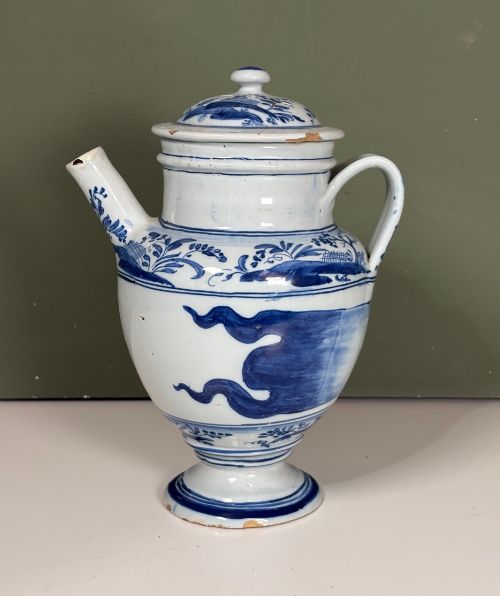
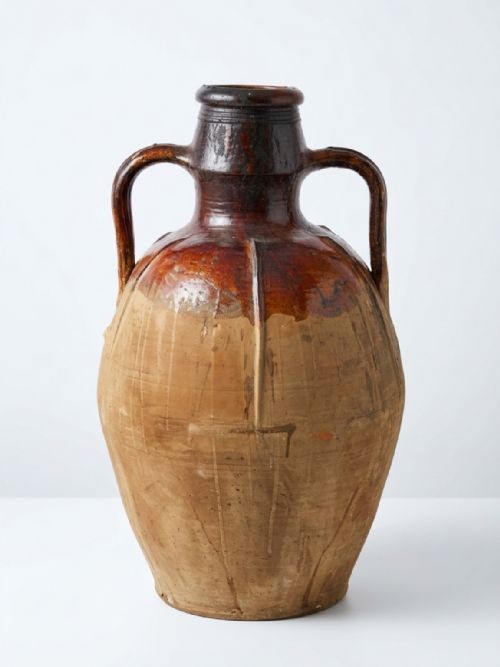
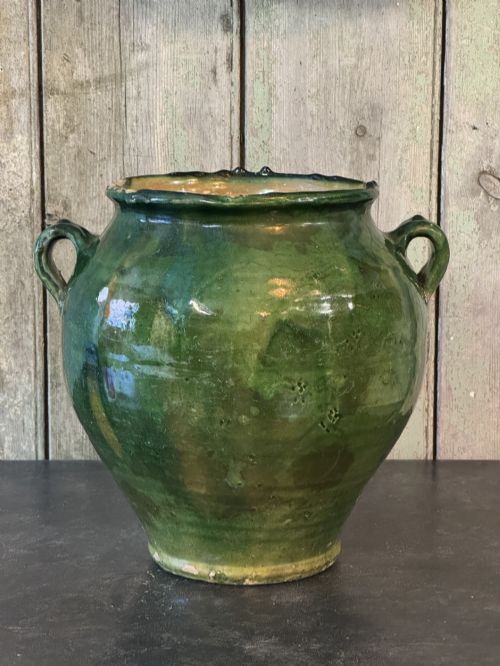
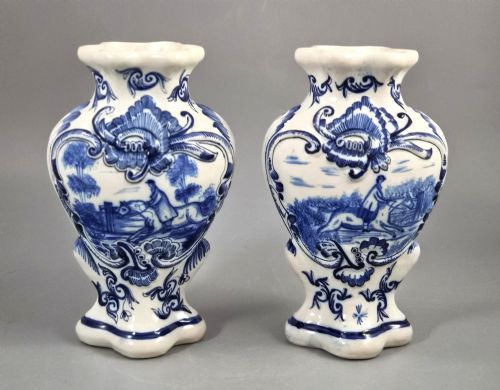
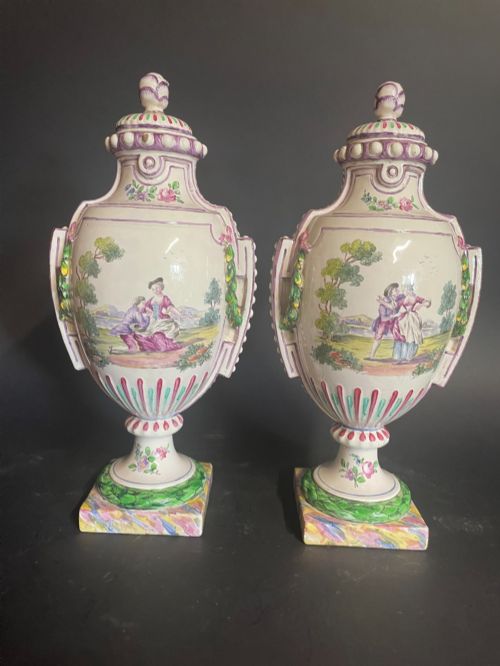
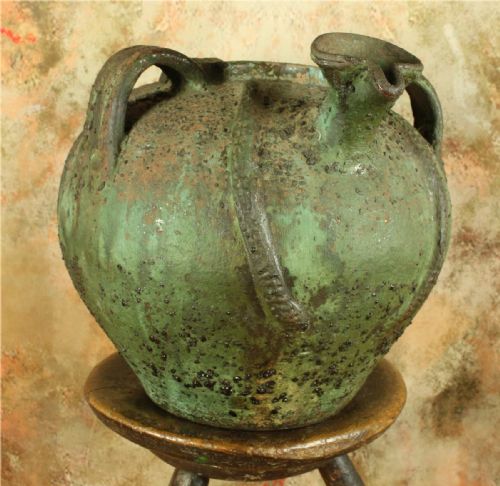
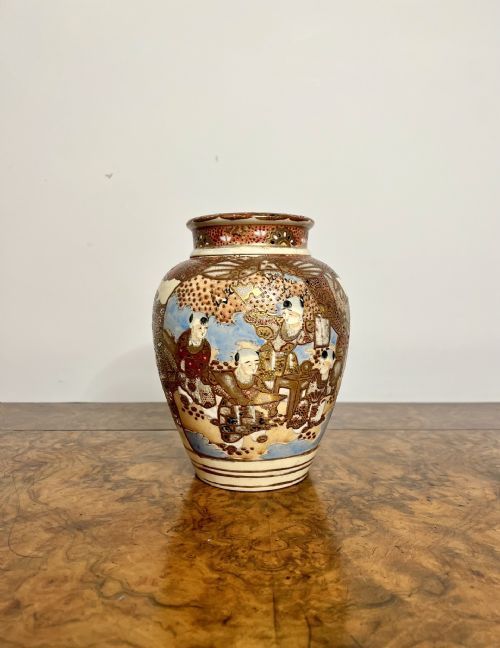
A glazed earthenware jar encompasses storage vessels, apothecary jars and vases produced across Europe and Asia. The pieces found here range from utilitarian French confit pots to decorative Italian maiolica pharmacy jars and Dutch Delft lidded vases.
The domestic and medicinal functions of these containers shape their forms. Buyers encounter tall baluster shapes, handled olive jugs and cylindrical albarelli designed for dry or liquid substances.
Originating largely from the eighteenth and nineteenth centuries, these items reflect the practical domestic and commercial storage needs of their respective periods. They carry the marks of their regional pottery traditions, from French provincial workshops to English delftware kilns.
Materials and technique
Potters shaped porous earthenware and terracotta bodies on the wheel or by hand before applying liquid glazes to seal the surface. Tin-glaze and lead-based coatings created a smooth, impermeable layer suitable for holding liquids and powders.
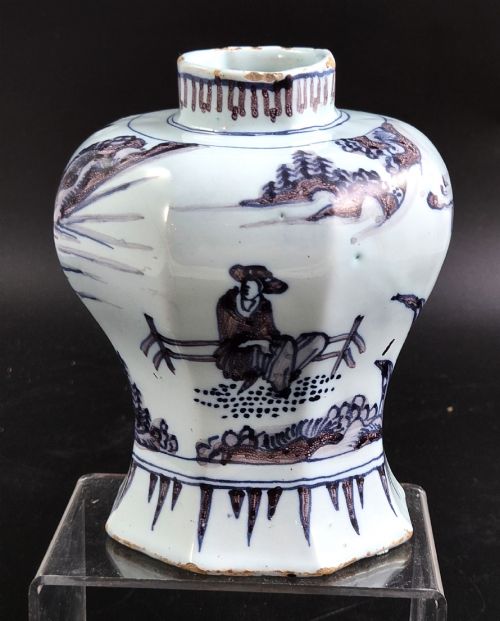
Decoration involved hand painting pigments directly onto the unfired glaze or enamel surface, often utilising blue and white motifs or polychrome designs. Firing in kilns then fused the vitreous coating to the clay body.
Glazed Earthenware Jar Retail Price Guide 2026
Typical asking prices for glazed earthenware jar among the pieces listed under this phrase on Sellingantiques today, from the lower quarter to the upper quarter. They describe what is for sale here now, not the wider market.
Some confit pots still carry the quiet weight of long-forgotten duck fat preserved in French farmhouses.
What varies in quality
The precision of the hand-painted decoration distinguishes standard utility wares from high-end display pieces. Detailed brushwork, such as complex chinoiserie scenes or careful lettering on apothecary labels, indicates skilled workshop production.
The integrity and coverage of the glaze layer also determine a piece's finish. Even application without excessive bubbling or pooling reflects superior kiln control and technical execution.
Fourmaintraux-Courquin·Alice Euphemia Thatcher·Gallilleo Chini·Tokyo Taizan
The Glazed Earthenware Jar Glossary
- Albarello
- A cylindrical earthenware jar used by apothecaries to store dry drugs and ointments. This shape originated in the Middle East and was widely adopted in Italian and European pharmacies.
- Tin-Glaze
- An opaque white glaze produced by adding tin oxide to a lead glaze base. It provided a smooth, white surface ideal for painting detailed scenes.
- Confit Pot
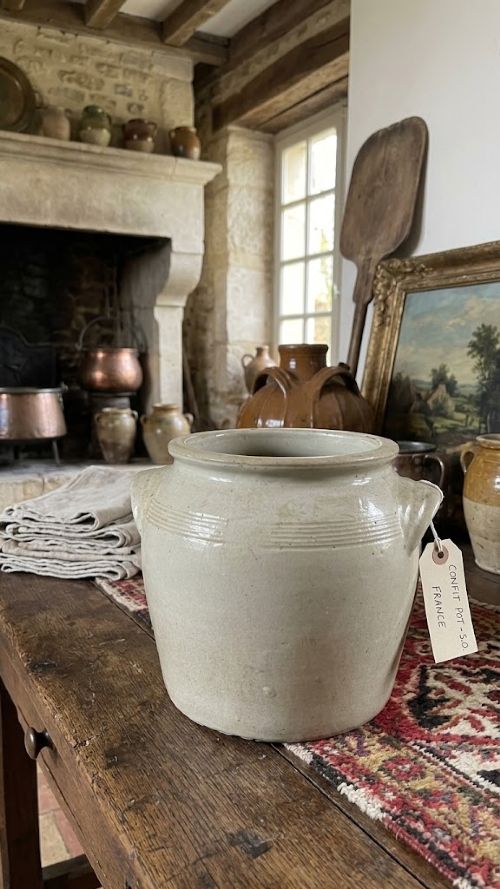
- A French utilitarian earthenware vessel featuring a glazed interior used for preserving meats and foods. These pots typically include handles for lifting and moving heavy stores.
- Majolica
- Tin-glazed earthenware decorated with colourful opaque pigments on a white background. The technique spread from Italy across Europe during the Renaissance and later revival periods.
- Baluster
- A vase or jar form characterised by a rounded body that tapers toward the base and swells near the lower middle. This profile provides stability and visual balance.
Glazed Earthenware Jar: Frequently Asked Questions
What were apothecary jars used for?
Apothecaries used these jars to store herbs, dry drugs, ointments and liquid syrups in pharmacies. Their labeled surfaces ensured quick identification of medicinal contents on dispensary shelves.
Over time, many survived beyond their working lives due to their decorative painted exteriors and sturdy ceramic construction.
How do I clean a glazed earthenware jar?
Clean these fragile ceramic pieces using a soft, dry cloth or a slightly damp sponge with plain water. Avoid harsh modern detergents and soaking, which can penetrate old clay bodies or damage historic glazes.
Display the jars away from direct sunlight and fluctuating moisture to protect the glaze and painted decoration from deterioration.
How can I tell the age of a jar?
Dating relies on examining the potting technique, glaze characteristics and painted motifs. Eighteenth-century examples often display distinct tin-glaze pooling and hand-mixed pigments, while nineteenth-century pieces may show different crazing patterns.
Comparing the shape and decorative style to known regional pottery traditions helps narrow down the production period.
Are these jars waterproof?
While the glaze layers were originally intended to seal the porous earthenware, centuries of age can create microscopic hairline cracks in the surface. Using old jars to hold liquids directly can cause moisture seepage through the aged clay body.
Place a modern waterproof liner inside if you wish to use a historic jar as a vase for fresh flowers.