







Glazed Earthenware Character Jug
These glazed earthenware character jug examples are traditional figural drinking vessels that bring decades of character and craft into any room.
Glazed Earthenware Character Jug
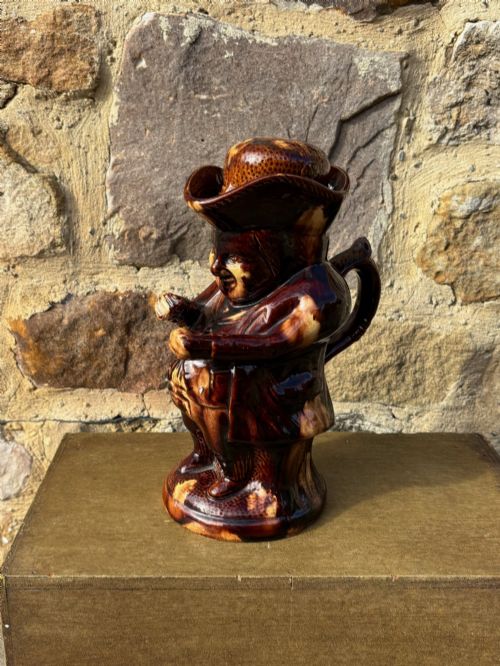
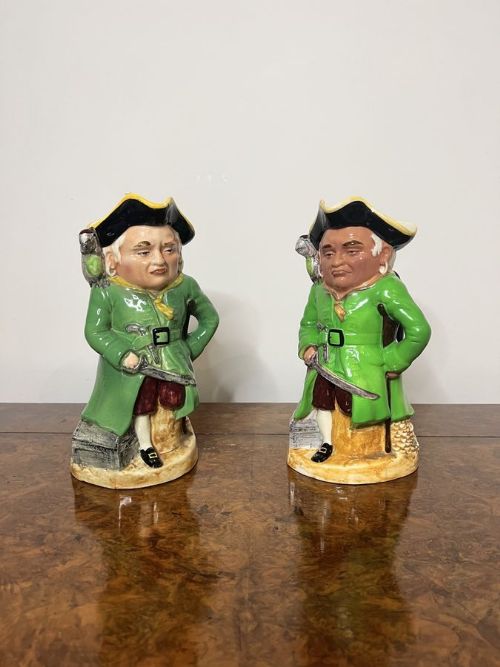
When you search for a glazed earthenware character jug, you are looking at figural ceramic drinking vessels moulded into the likeness of historical figures, mythical characters, and traditional personalities. The examples you are most likely to meet on this page span the Georgian, Victorian, and Edwardian periods, stretching from the late eighteenth century into the early twentieth century. They take forms such as Toby jugs, frog mugs, and decorative character jugs, originating from English potteries and Dutch Delftware workshops.
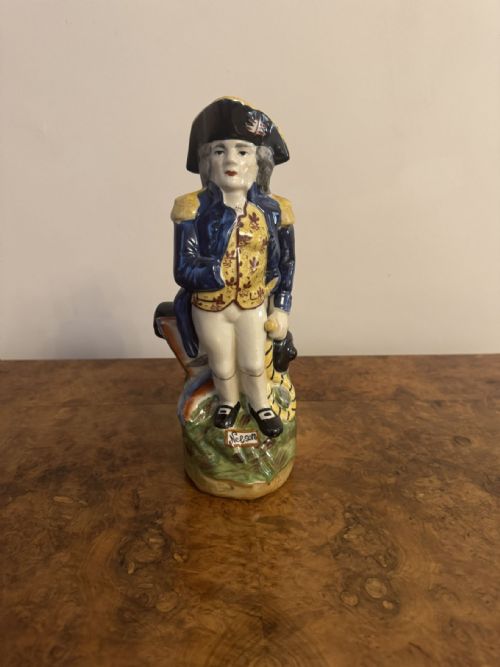
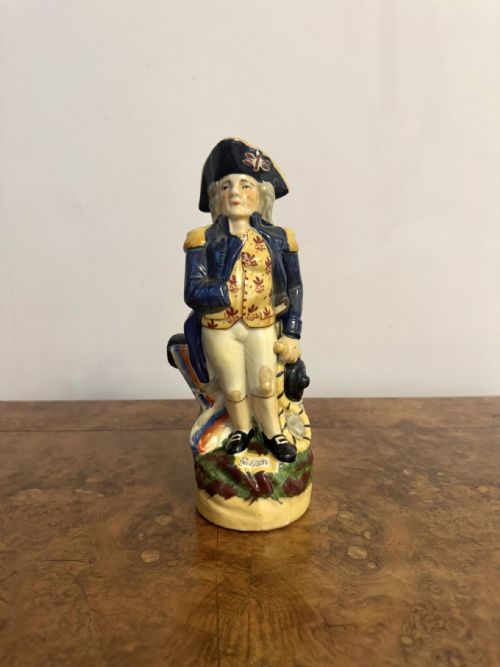
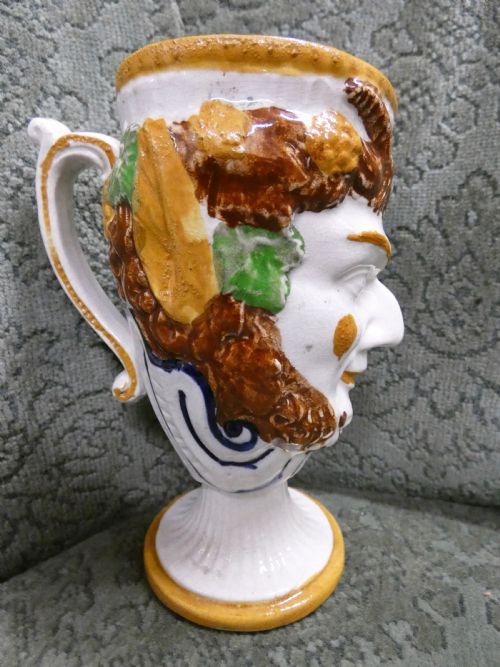
The regional origins and period styles vary across the selection, featuring Dutch Delft Faience alongside Staffordshire pottery traditions. You will encounter specific personalities represented, ranging from Lord Nelson and Lord Kitchener to mythological figures like Bacchus. These pieces function simultaneously as sculptural display items and historical artefacts from distinct eras of ceramic production.
How they were made
Makers utilised earthenware bodies shaped through moulding and hand-finished modelling to create the distinctive three-dimensional forms of these vessels. Potters applied lead glaze, tin glaze, and ceramic glaze over hand-painted surfaces to seal the clay and provide colour and shine.
The production combined traditional pottery techniques with polychrome painting, particularly visible in Dutch Delftware and Victorian majolica pieces. Firing took place in kilns, setting the ceramic body and fixing the colourful painted details beneath or above the glaze.
Glazed Earthenware Character Jug Retail Price Guide 2026
Typical asking prices for glazed earthenware character jug among the pieces listed under this phrase on Sellingantiques today, from the lower quarter to the upper quarter. They describe what is for sale here now, not the wider market.
A surprise ceramic frog sits waiting inside the base of the Bacchus mug, ready to greet the thirsty drinker.
What varies in quality
Artistic execution and historical significance drive the distinction between pieces, particularly in how faithfully a maker rendered a portrait like Lord Nelson or Lord Kitchener. Greater depth of character and more accomplished ceramic glazing elevate a piece within the range of available work.
Holdcroft·Staffordshire Pottery
The Glazed Earthenware Character Jug Glossary
- Earthenware
- A porous pottery type fired at relatively low temperatures and rendered non-porous through the application of a ceramic glaze. It serves as the primary body material for these figural jugs.
- Lead glaze
- A shiny, transparent coating containing lead oxide applied to earthenware before firing. It gives the pottery a smooth surface and deepens the tones of the painted decoration underneath.
- Tin-glazed earthenware
- Pottery covered with a white, opaque glaze containing tin oxide, providing a smooth canvas for painted polychrome decoration. This technique is typical of Dutch Delftware traditions.
- Majolica
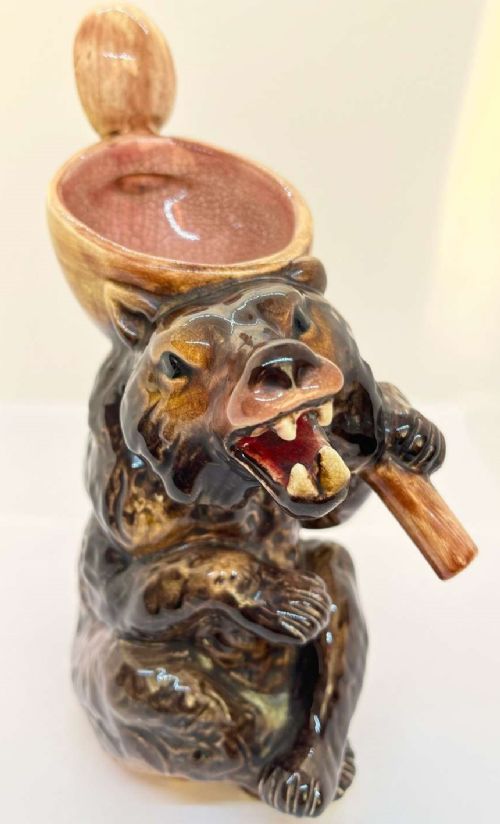
- A colourful Victorian lead-glazed earthenware style known for vibrant hues and relief moulding. Holdcroft produced notable examples within this decorative tradition.
- Frog mug
- A traditional drinking vessel featuring a small ceramic frog modelled inside the base to surprise the drinker as the liquid lowers. These mugs date back to the Georgian era.
- Toby jug
- A pottery jug shaped as a full-seated person, typically wearing eighteenth-century attire and holding a mug or jug of beer. They form a major subcategory of character jugs.
Glazed Earthenware Character Jug: Frequently Asked Questions
What is a character jug?
A character jug is a ceramic vessel moulded in the shape of a human head or figure, often depicting a specific historical person, fictional personality, or archetype. They combine utility with portraiture and sculptural art.
Most examples found here date from the nineteenth and early twentieth centuries, reflecting the popular tastes and ceramic techniques of those periods.
How were Toby jugs used?
Toby jugs served as functional drinking vessels for ale and beer in homes and taverns, particularly during the Georgian and Victorian eras. Their humorous or characterful designs made them popular centrepieces on dining tables and mantelpieces.
Over time, many transitioned from working pub use to decorative display items collected for their historical and artistic appeal.
How do I identify Victorian pieces?
Victorian pieces often display the distinct moulding styles, rich lead or majolica glazes, and specific subject matter characteristic of nineteenth-century Staffordshire production. Examining the style of the clothing, the painting technique, and the type of earthenware body helps determine the era.
Reference to known Victorian potters and period motifs provides further confirmation of a piece's age and origin.
What is Dutch Delftware?
Dutch Delftware is tin-glazed earthenware produced in the Netherlands, known for its white opaque surface and polychrome or blue painted designs. Pieces from this tradition often feature pseudo marks and distinct European painting styles.
These items represent a different regional tradition compared to English Staffordshire pottery while sharing the same functional character jug form.