
Glazed Door Display Cabinet
A glazed door display cabinet brings together timber and glass to protect and exhibit treasured volumes and ornaments in any room.
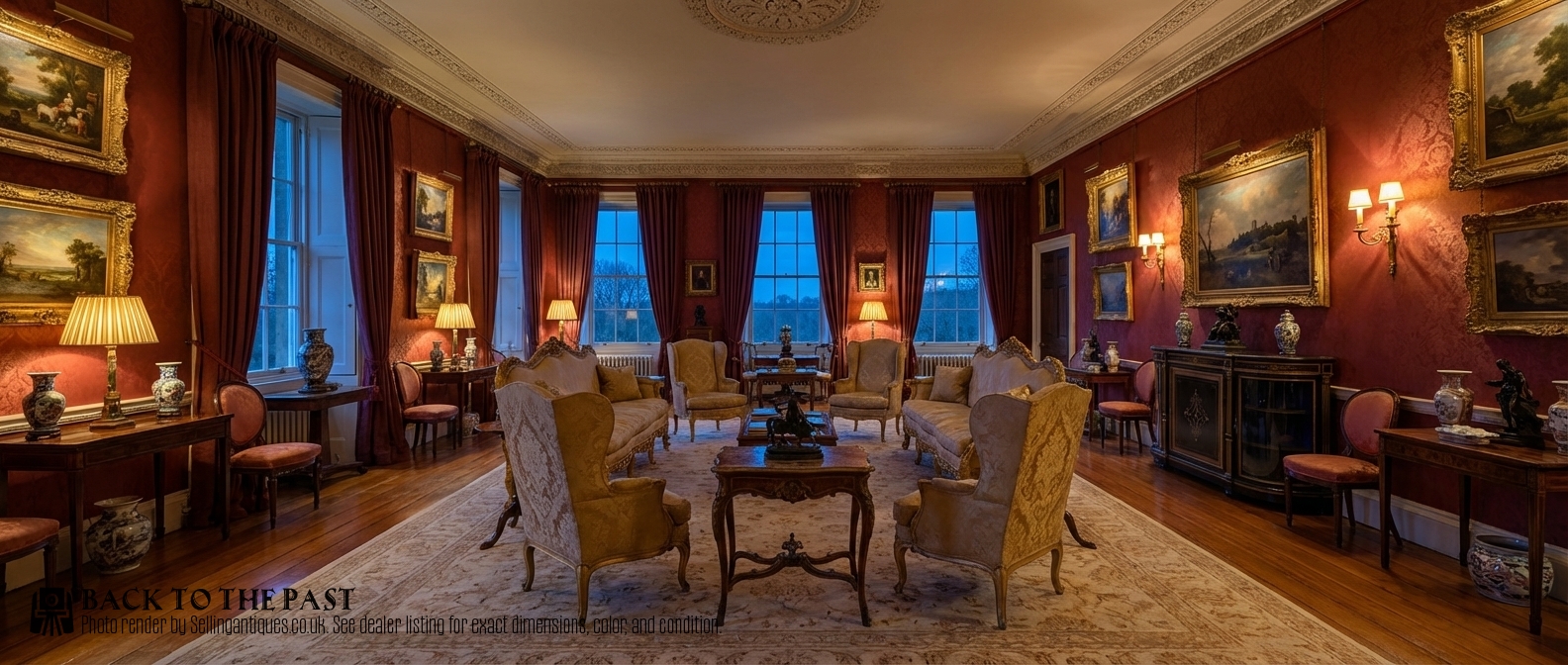
Glazed Door Display Cabinet
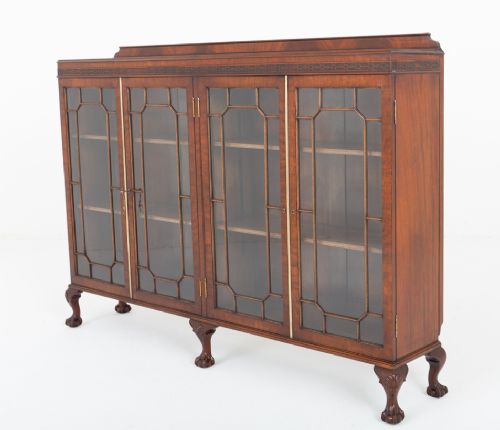
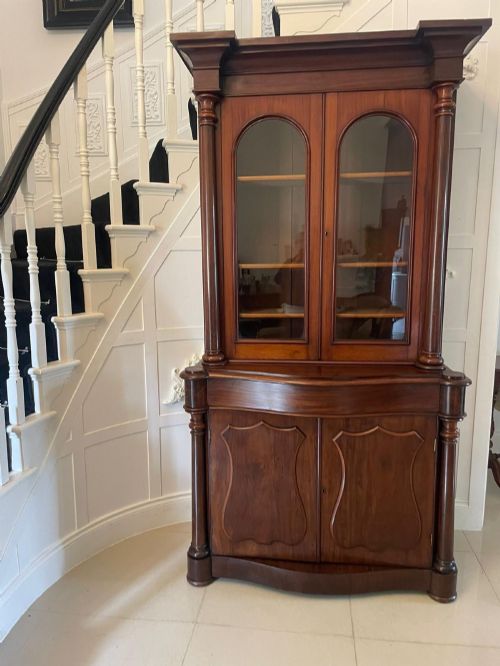
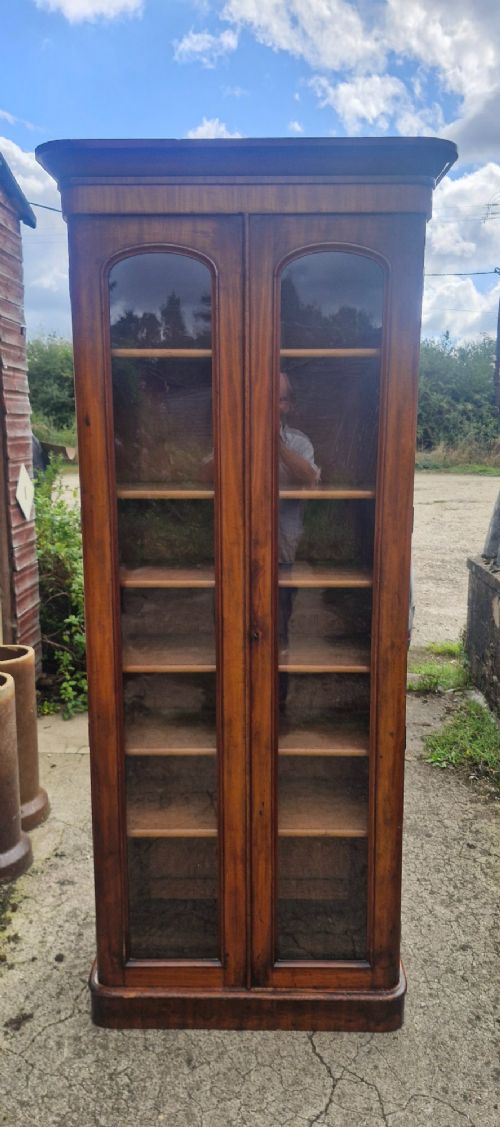
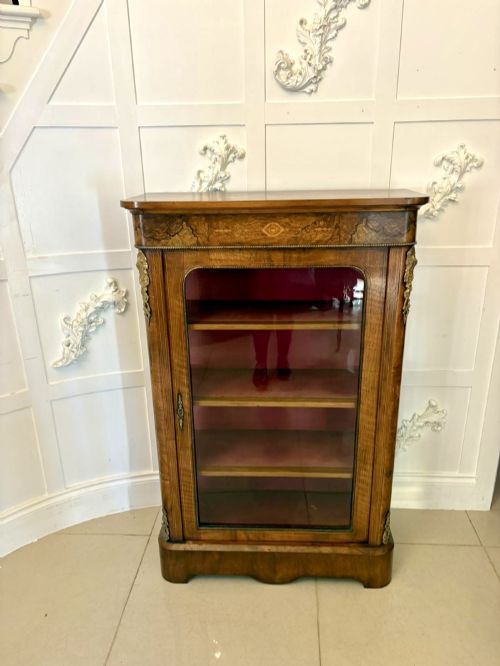
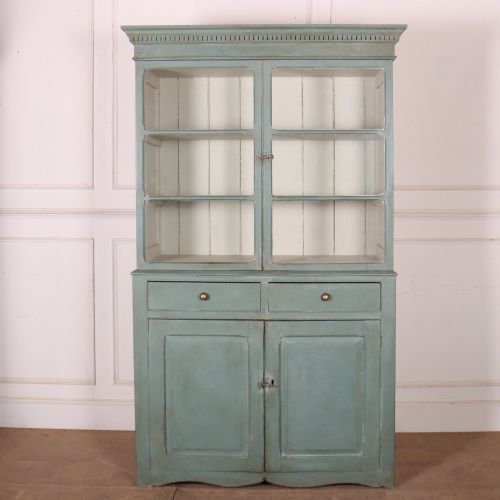
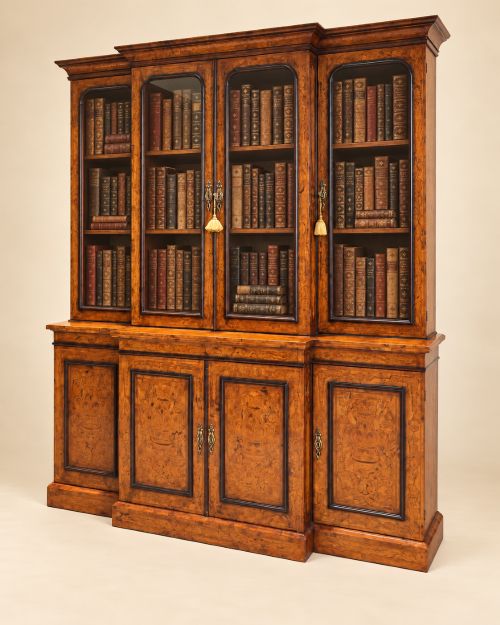
A glazed door display cabinet serves primarily as a bookcase, library cabinet, side cabinet, or vitrine designed to showcase items behind transparent panels. These pieces span periods from the Regency era through the Victorian and Edwardian years up to the early twentieth century.
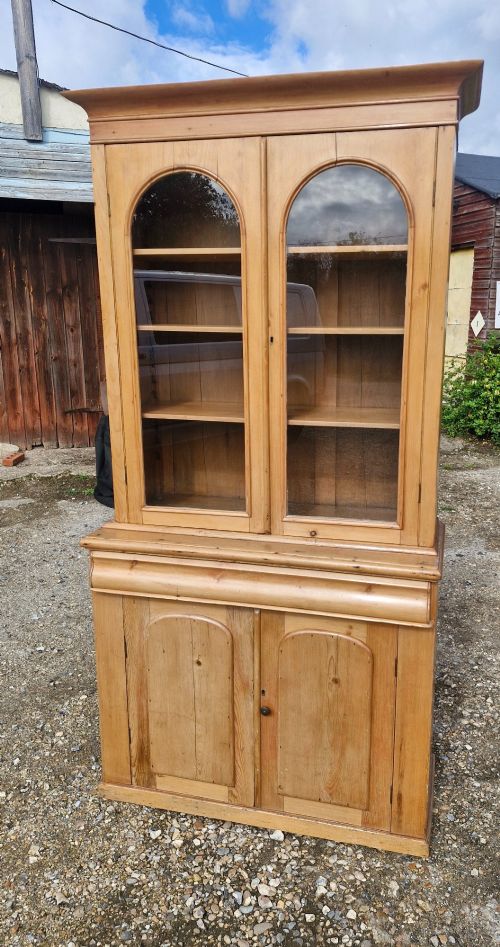
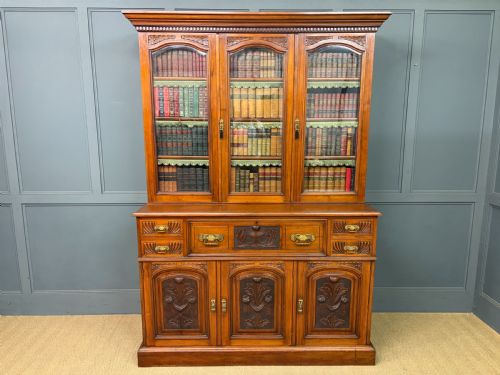
You will frequently encounter mahogany and walnut constructions, often configured as tall bookcases with adjustable shelves or smaller side cabinets and pier cabinets. Regional variations such as Scottish country furniture and pine kitchen cupboards also appear across the selection.
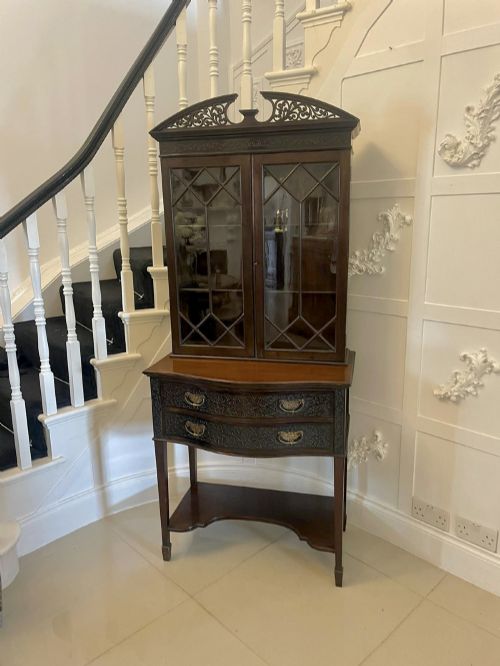
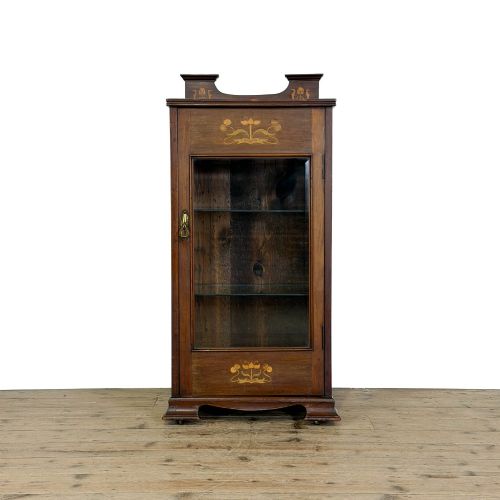
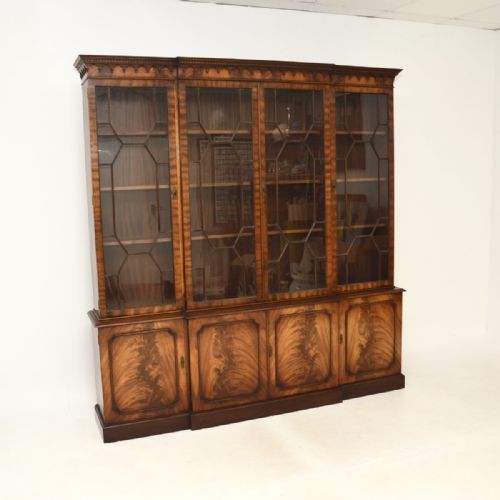
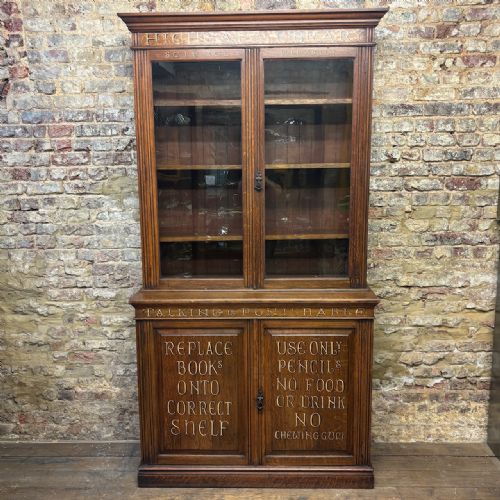
The phrase encompasses multiple styles, including Chippendale Revival, Art Nouveau, and simpler institutional pieces like school library bookcases. Most examples rely on rectangular or breakfront forms with single, double, triple, or four-door glazed layouts.
Materials and construction methods
Cabinet makers utilised dense hardwoods such as mahogany, walnut, rosewood, and oak for structural integrity and polished cabinet faces, occasionally employing pine for utilitarian kitchen furniture. Finer examples incorporate burr walnut veneers, satinwood, kingwood, and painted finishes.
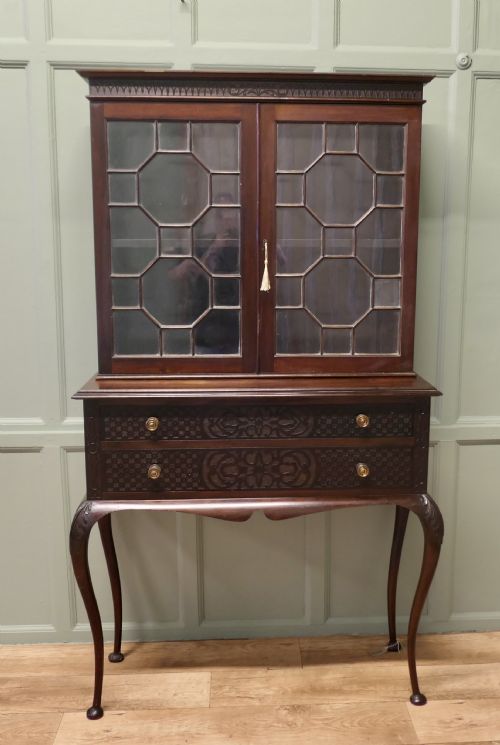
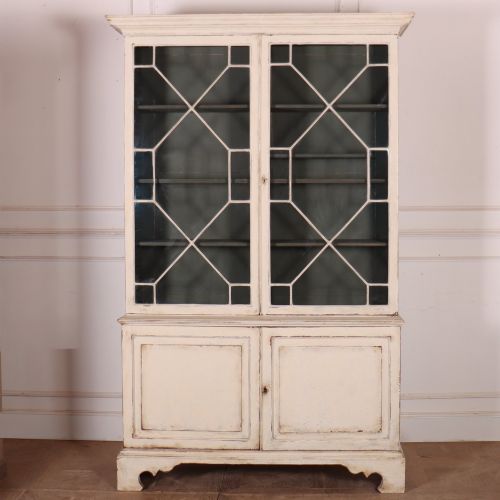
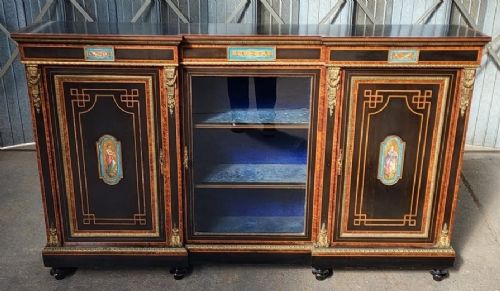
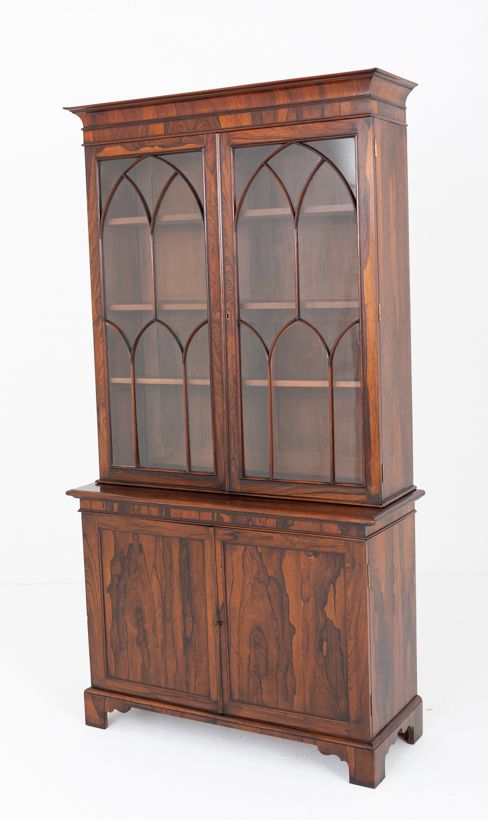
Glass panels are held securely within wooden framing or delicate astragal bars, while decorative enrichment often includes brass fittings, ormolu mounts, floral marquetry, and fine inlay work. Structural elements frequently feature adjustable shelving and fitted desk interiors in secretaire variants.
Listings feature mahogany, walnut, and oak glazed cabinets spanning the Victorian, Edwardian, and Regency periods.
Distinguishing quality in cabinet work
Superior execution shows in the choice of timber figurations, such as figured mahogany or burr walnut, matched with precise inlay and floral marquetry rather than plain surfaces. The integration of cast ormolu mounts and delicate astragal glazing bars elevates the overall presence of the piece.
Hampton & Sons·Edwards & Roberts
The Glazed Door Display Cabinet Glossary
- Astragal glazed
- Glass doors divided into smaller panes by narrow wooden mouldings called glazing bars. These bars often form delicate geometric or gothic patterns.
- Breakfront
- A cabinet facade where the central section projects forward from the flanking wings. This architectural arrangement creates depth and visual balance.
- Ormolu
- Gilded bronze mounts applied to furniture for decorative enrichment. It is frequently found on mid-nineteenth-century side cabinets and vitrines.
- Secretaire
- A cabinet incorporating a pull-down writing flap that conceals small drawers and pigeon holes. It combines the utility of a desk with a glazed bookcase.
- Pier cabinet
- A low cabinet designed specifically to stand against the narrow wall space between windows. They are typically executed in walnut or mahogany with glass doors.
Glazed Door Display Cabinet: Frequently Asked Questions
What is a glazed door display cabinet?
A glazed door display cabinet is a piece of furniture featuring transparent glass panels set into doors, designed to keep dust away from books and decorative objects while allowing them to be viewed easily.
These pieces range from tall library bookcases to compact pier cabinets and sideboards, constructed in various timbers and styles across multiple centuries.
How were these cabinets used historically?
Historically, these cabinets served to store valuable libraries, display prized porcelain, and organise household collections in drawing rooms, studies, and libraries.
Larger breakfront and multi-door versions equipped substantial townhouses, while smaller oak or pine variants suited school libraries and country kitchens.
How do I style a glazed cabinet at home?
You can style a glazed cabinet by grouping collections of books, ceramics, or glassware on the shelves, taking advantage of the glass doors to protect items from dust while keeping them visible.
Ensure items are arranged with varied heights and adequate spacing to maintain visual balance inside the timber frame.
How can I tell the Victorian pieces apart?
Victorian examples often display rich mahogany or burr walnut timbers, frequently augmented by carved details, floral marquetry, or ormolu mounts.
Earlier Victorian pieces lean towards classical proportions, whereas later Victorian and Edwardian items embrace diverse revival styles like Chippendale or Art Nouveau.