

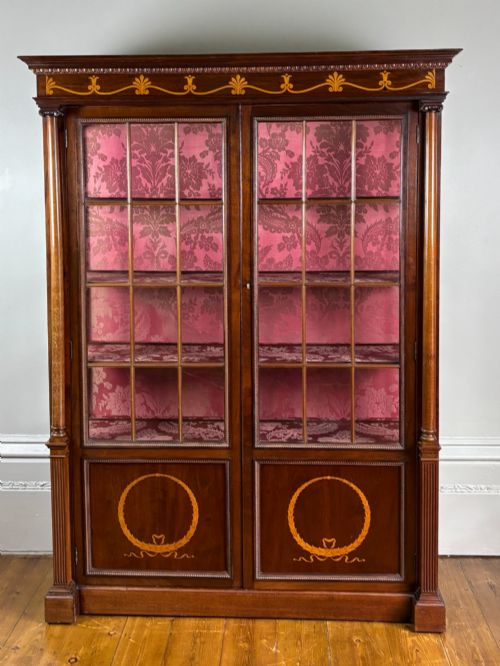
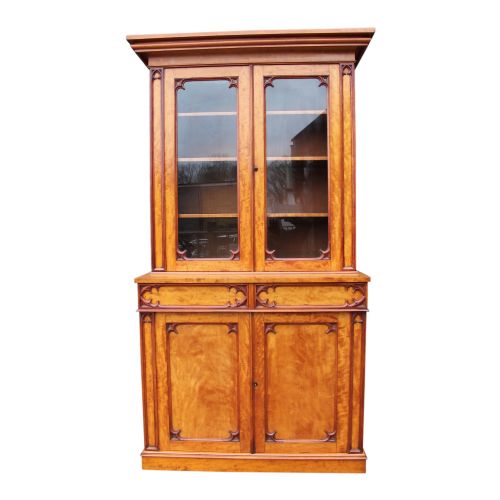
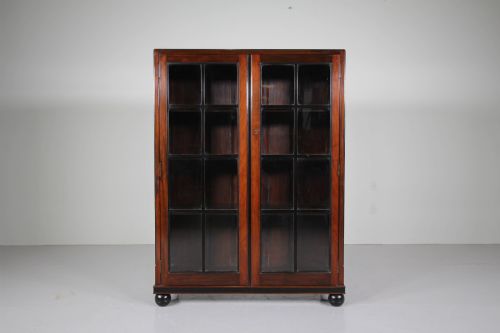
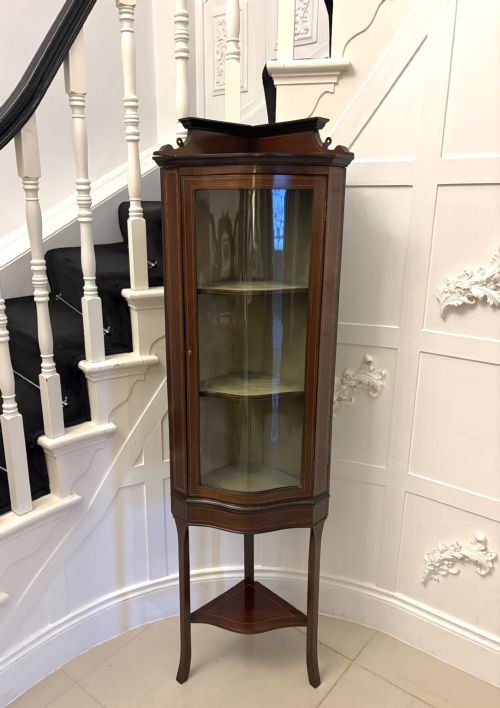
Glazed Display Furniture
Glazed display furniture combines timber frames with glass panels to protect and exhibit valued possessions.
Glazed Display Furniture
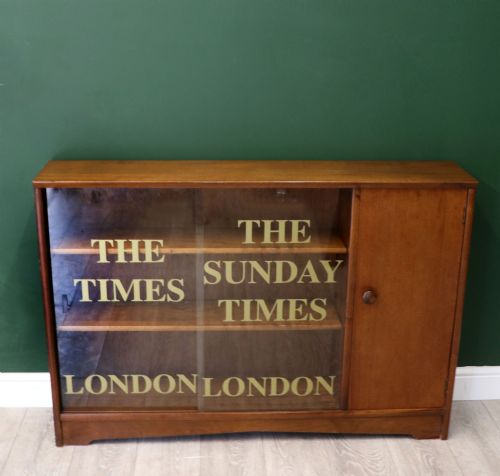
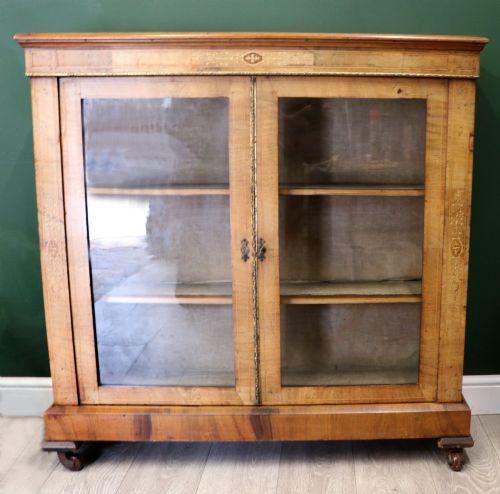
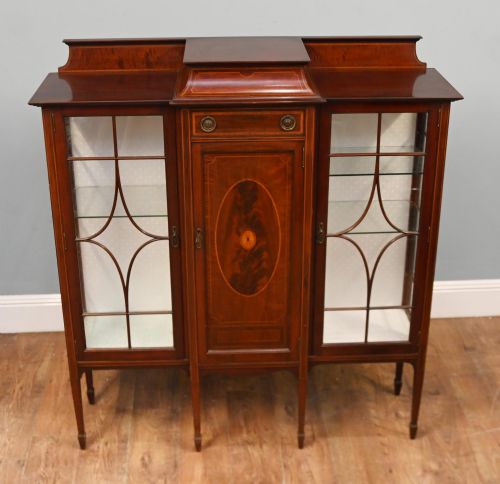
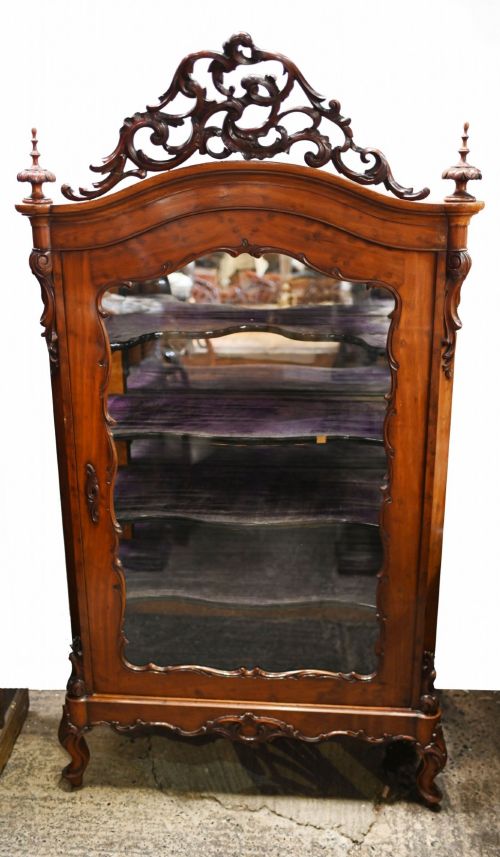
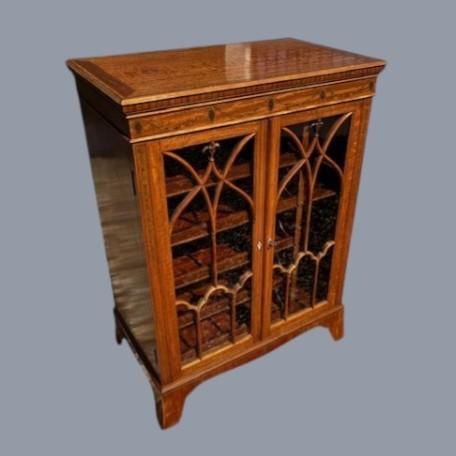
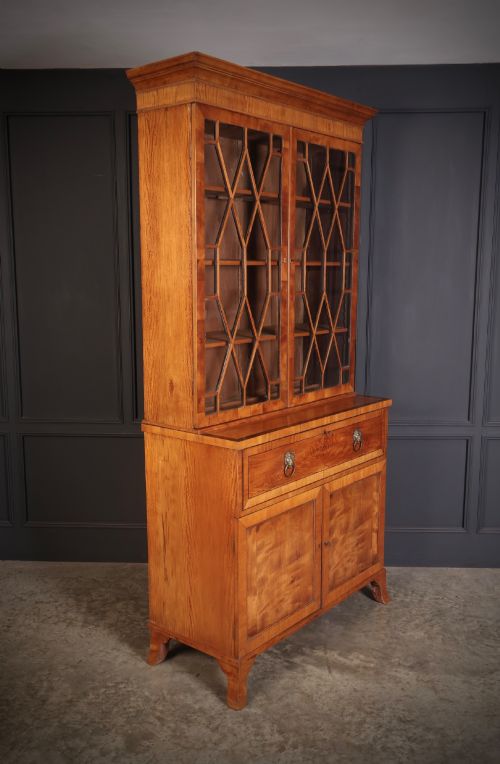
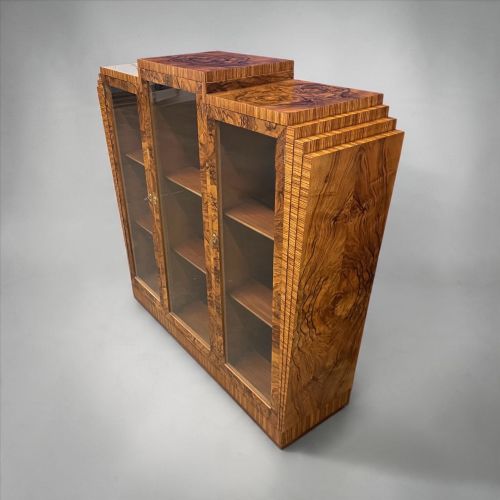
When you search for glazed display furniture, you encounter pieces designed to exhibit china, books and collected objects while keeping dust at bay. The selection relies heavily on nineteenth and early twentieth century origins, spanning Victorian, Edwardian and Art Deco aesthetics.
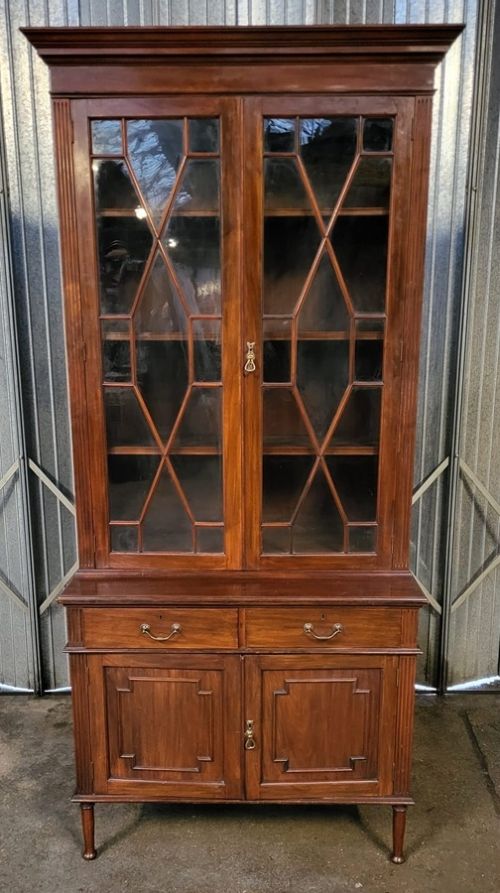
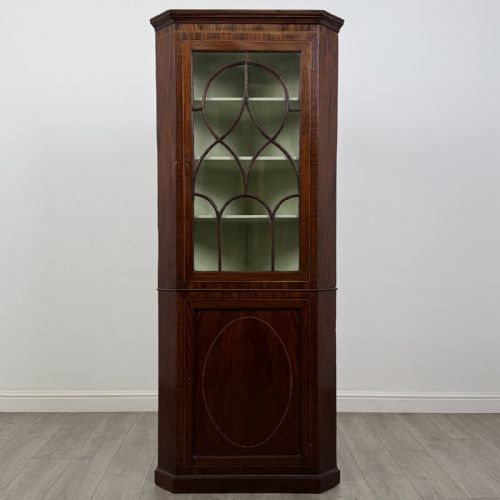
Bookcases, corner cabinets and pier cabinets form the core of what meets the eye here. Mahogany, oak and walnut provide the structural timber, whilst glazed doors allow interiors to remain visible to the room.
Many examples incorporate specialised compartments, such as fitted secretaire drawers or mirrored backs to amplify light. Form follows utility across these pieces, whether domestic corner units or larger breakfront library cases.
Materials and construction methods
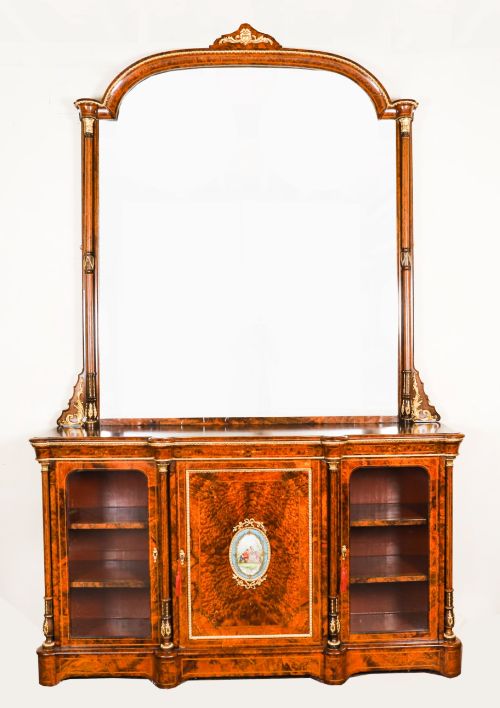
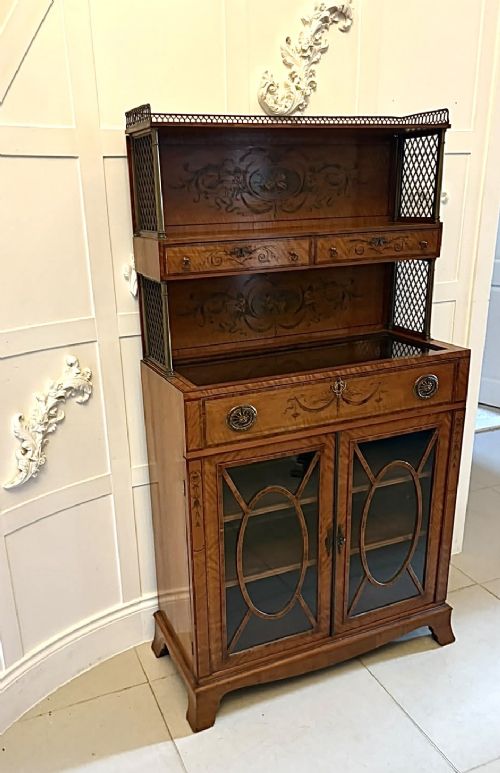
Cabinet makers utilised dense hardwoods like mahogany, oak and walnut for the main carcasses and shelving. Finer examples integrated satinwood veneers, amboyna, or intricate marquetry inlay to enhance the primary timber surfaces.
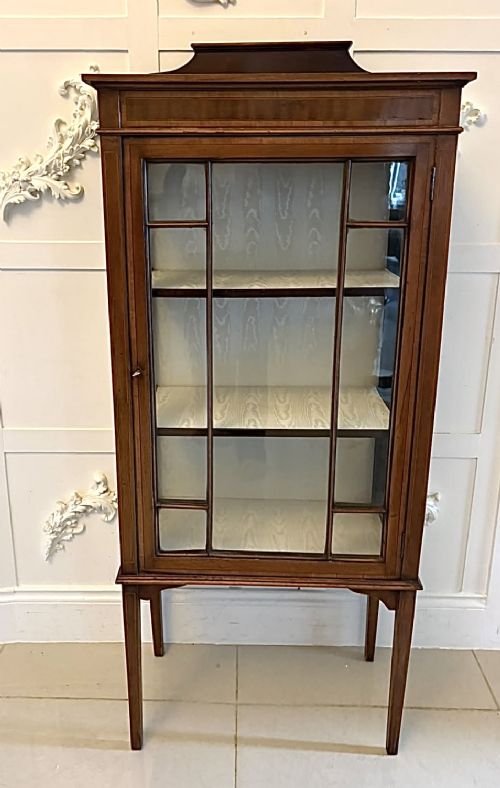
Glazing techniques required timber framing divided by delicate astragal bars to hold individual glass panes securely. Brass hardware, ormolu mounts and mirrored elements completed the assembly, joining structure with decorative finish.
Glazed Display Furniture Retail Price Guide 2026
Typical asking prices for glazed display furniture among the pieces listed under this phrase on Sellingantiques today, from the lower quarter to the upper quarter. They describe what is for sale here now, not the wider market.
The listings span from eighteenth century Dutch marquetry to 1930s Art Deco designs, utilising glass, brass, mahogany, oak and walnut.
Distinctions in construction and design
Quality rests in the precision of the timber matching and the subtlety of inlay work. Finer pieces demonstrate careful selection of figured grains, such as burr walnut or flame mahogany, applied evenly across visible panels.
Lebus·Gillows·Hille
The Glazed Display Furniture Glossary
- Breakfront
- A cabinet design where the central section projects forward from the flanking wings. This configuration adds architectural depth to large bookcases and sideboards.
- Astragal
- A narrow wooden moulding used to divide glass panes within a door frame. These bars create geometric patterns across glazed display sections.
- Marquetry
- The art of applying decorative veneer pieces to a structure to form pictorial or geometric designs. Walnut and exotic woods often appear in these patterns.
- Pier cabinet
- A slender piece built to stand against the narrow wall space between windows. Such items frequently incorporate glass doors to display porcelain.
- Vitrine
- A glass-sided cabinet specifically manufactured for the display of curiosities and ornaments. These pieces prioritize visibility from multiple angles.
Glazed Display Furniture: Frequently Asked Questions
What fits inside a corner cabinet?
These units accommodate porcelain, glassware and small decorative items within their triangular shelving. Their angled shape makes efficient use of room architecture.
Items remain dust-free behind the glass doors while contributing to the decorative character of the interior space.
Where should I place a pier cabinet?
Pier cabinets suit narrow wall spaces, specifically the masonry pier situated between tall windows. Their slender proportions prevent them from dominating smaller rooms.
Glass doors allow natural light from nearby windows to illuminate the items displayed inside.
Are these cabinets suitable for modern homes?
The variety of woods, from dark mahogany to bleached oak, allows these pieces to integrate into diverse interior schemes. Their glass fronts serve a practical purpose for contemporary collectors.
Protection from dust combined with display visibility remains as useful today as it was during the Victorian and Edwardian eras.