



Glazed Ceramic Pots
These glazed ceramic pots span centuries of utilitarian earthenware and decorative majolica, offering functional beauty for contemporary spaces.
Glazed Ceramic Pots
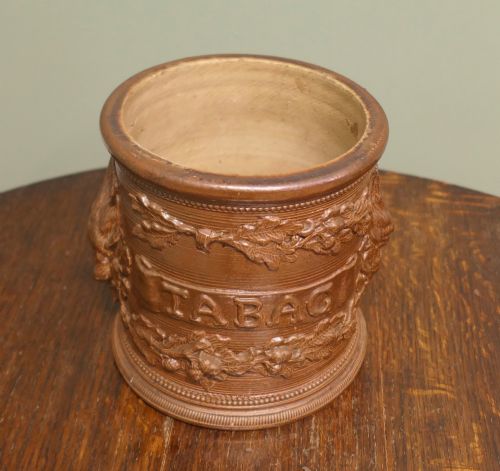
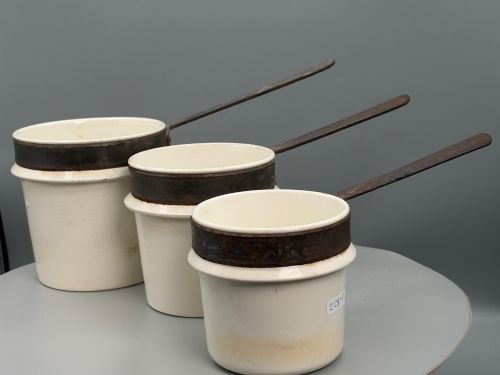
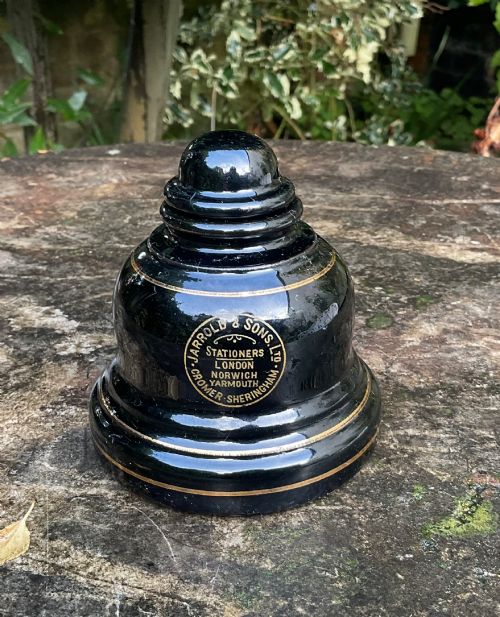
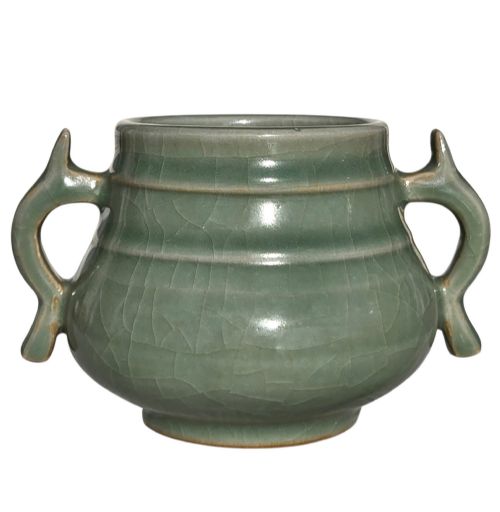
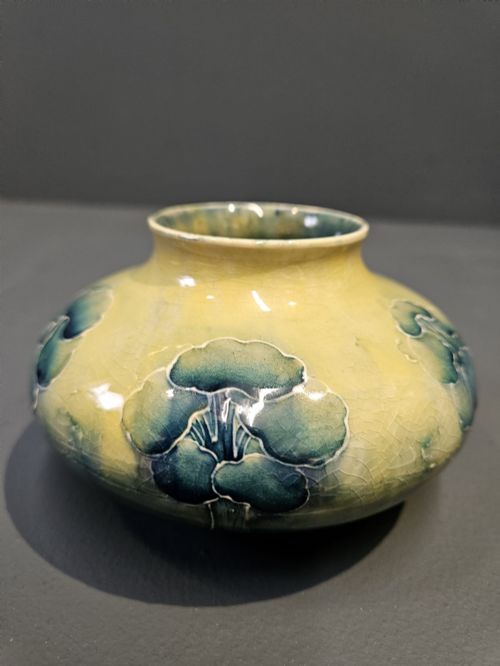
When you search for glazed ceramic pots, you encounter a diverse gathering of vessels spanning from the seventeenth century through the early twentieth century. The selection includes utilitarian domestic containers alongside decorative pieces like jardinieres, apothecary jars, and vases from English, European, and Asian traditions.
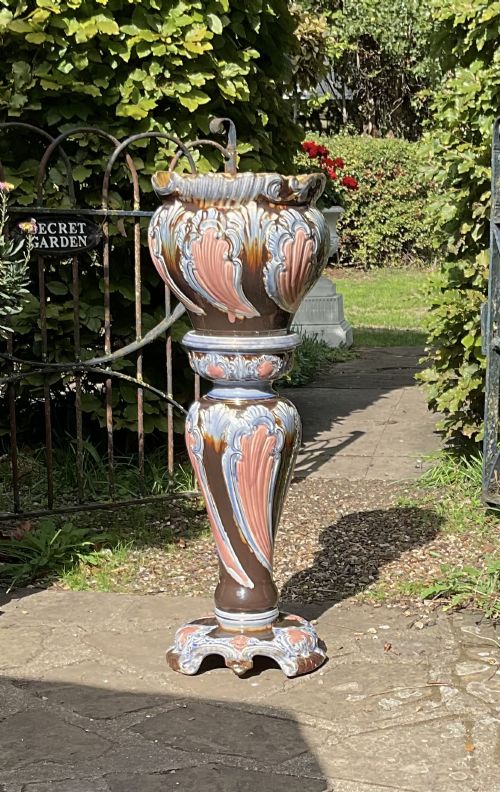
You are most likely to meet nineteenth-century earthenware and stoneware pieces on this page, particularly French confit pots, English jardiniere stands, and Dutch delftware. These items cross multiple stylistic boundaries, ranging from rustic French provincial styles to ornate Victorian majolica and Art Nouveau creations.
How they were made
Potters built these vessels using foundational ceramic bodies such as terracotta, earthenware, and heavy stoneware, often shaping them on a wheel or pressing them into moulds. Artisans then applied liquid glazes, salt glazes, tin glazes, or lead-based compounds to seal the porous clay and introduce colour.
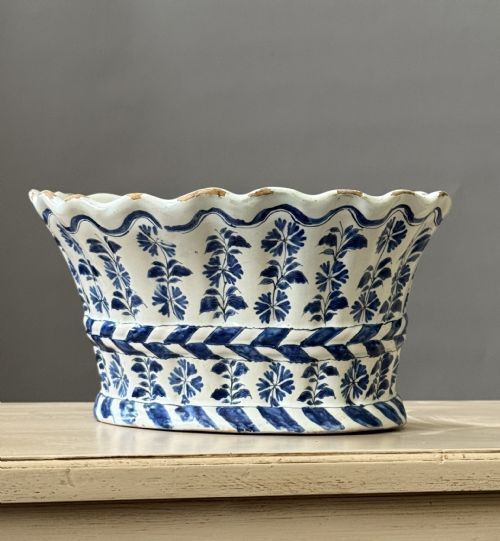
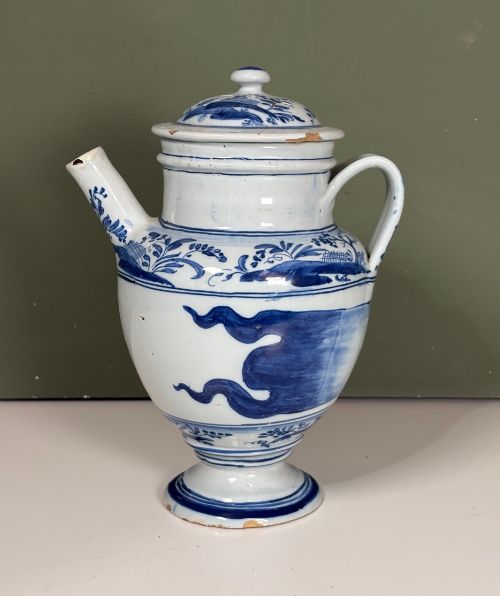
The firing process required precise temperature control in kilns to vitrify the ceramic body and set the glaze. Specialised techniques, such as salt-glazing during high-temperature firing or painting cobalt oxides onto tin-glazed earthenware, produced the distinct surface textures and blue-and-white patterns seen across the eras.
Glazed Ceramic Pots Retail Price Guide 2026
Typical asking prices for glazed ceramic pots among the pieces listed under this phrase on Sellingantiques today, from the lower quarter to the upper quarter. They describe what is for sale here now, not the wider market.
Certain historic apothecary jars boldly advertised cures for cardiac ailments, proving that medicine cabinets once demanded serious decorative flair.
What varies in quality
Quality rests in the harmony of the thrown form, the stability of the potting, and the depth of the glaze application. Superior examples demonstrate confident handling by the potter, with balanced proportions and controlled glaze runs that enhance rather than obscure the underlying ceramic form.
Decoration also dictates distinction, separating standard utility wares from pieces bearing crisp hand-painting, deliberate mould work, or specialist factory marks. The best pieces retain their original surface integrity and crispness of detail despite centuries of domestic use.
Royal Doulton·Moorcroft·Minton·Burmantoft s Pottery·W.A. Adderley
The Glazed Ceramic Pots Glossary
- Earthenware
- Porous pottery fired at lower temperatures, requiring a glaze to hold liquids. It forms the base of much historical domestic pottery.
- Stoneware
- A dense, vitreous ceramic fired at higher temperatures until impervious to liquids. It is exceptionally durable and typical of heavy storage vessels.
- Majolica
- A type of earthenware covered with an opaque tin glaze and painted with metallic oxide colours. Popularity peaked during the Victorian era for ornamental jardinieres.
- Delftware
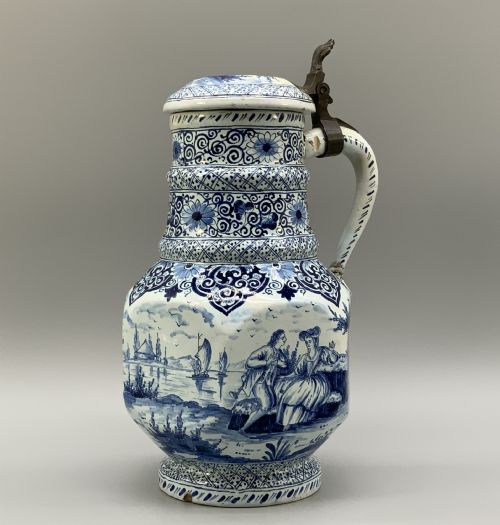
- Tin-glazed earthenware originating in the Netherlands and England, famously decorated in blue and white. It frequently took the form of jars, plates, and drug containers.
- Jardiniere
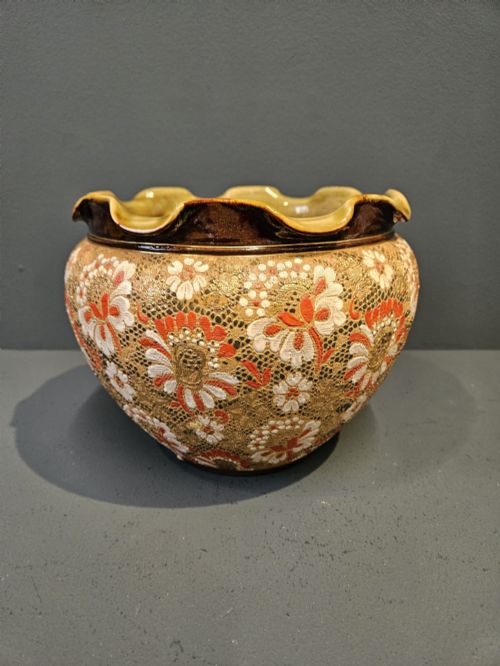
- A large ornamental pot or stand designed to hold live plants or flowers. These often matched pedestal stands in nineteenth-century interiors.
Glazed Ceramic Pots: Frequently Asked Questions
What is a confit pot?
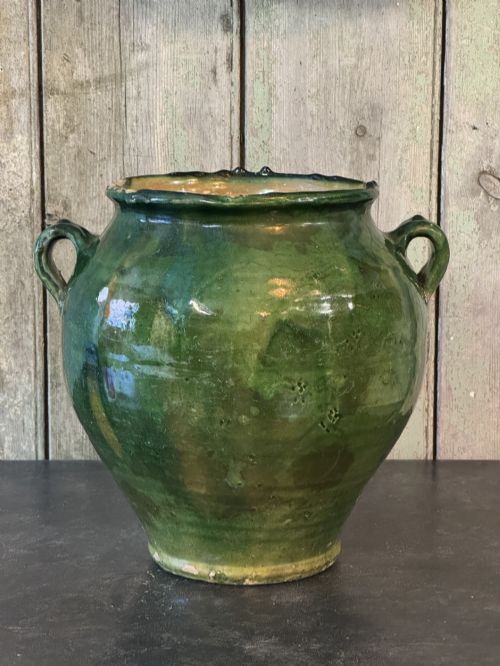
A confit pot is a traditional French earthenware vessel featuring a partially glazed body, historically used for preserving meats in fat.
These heavy pots typically display robust handles and earthy tones suited for rustic storage.
How do I date a delft jar?
Dating delftware relies on examining the tin glaze thickness, foot rim formation, and the cobalt blue pigment tones. Earlier pieces from the seventeenth century often show characteristic irregularity compared to later standardised production.
Maker marks and painted motifs also help narrow down the decade of creation.
Can these planters hold plants?
Many historic glazed ceramic pots served as jardinieres or planters originally and accommodate modern potted plants safely. Lining them with a secondary container protects the historic interior glaze from moisture damage.
Breathable earthenware requires care to prevent water from sitting directly against ancient clay bodies.
What is salt glaze pottery?
Salt glazing involves throwing common salt into the kiln during high-temperature firing, creating a textured surface resembling orange peel. This chemical reaction produces a durable sheen across stoneware troughs and jugs.
The resulting finish resists acids and heavy wear.