



Glass Top Desk
A glass top desk brings clean transparency and practical warmth to a room, pairing period timber frames with crisp fitted surfaces.
Glass Top Desk
When you search for a glass top desk, you encounter pieces that combine traditional cabinetry with transparent working surfaces. The selection spans distinct eras from the Georgian period through the Edwardian and Art Deco years, featuring both full tables and compact desk accessories.
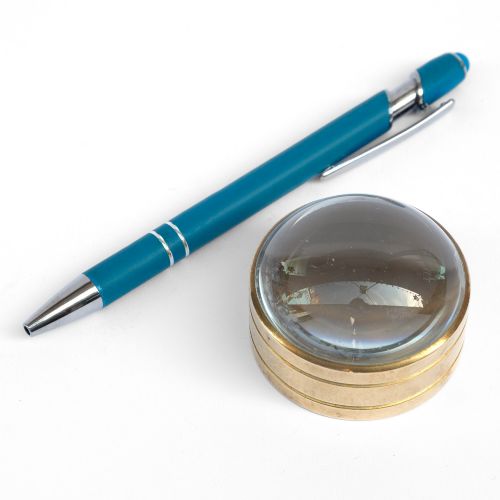
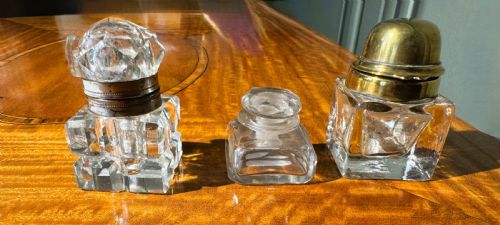
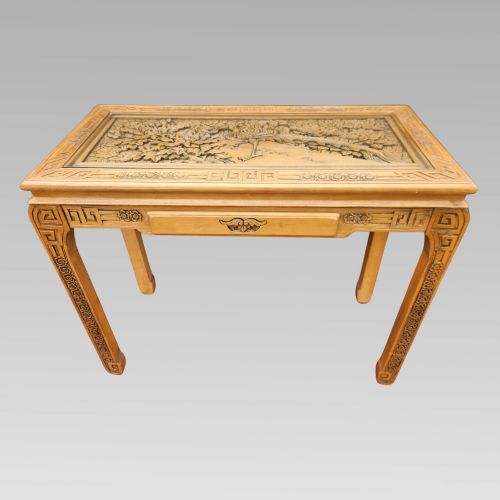
The version you are most likely to meet on this page is an Art Deco table utilising exotic timbers like burr walnut, birds eye maple, and rosewood beneath a clear top. Alongside these larger tables, the inventory includes smaller desk items such as cut glass inkwells and magnifying lenses.
How they were made
Construction relies on pairing sturdy timber frames with heavy glass, sterling silver mounts, and cast brass hardware. Makers utilised burr walnut, mahogany, oak, and satinwood to build carcasses that support inset glass panels or heavy crystal ink pots.
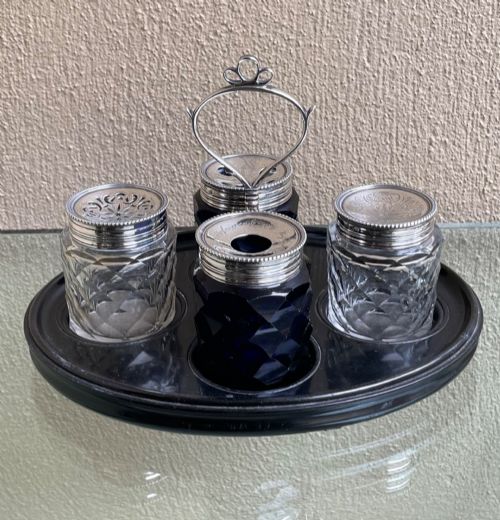
Detailing often involves facet cutting on crystal bodies, hand-carved wooden mouldings, and hallmarked sterling silver collars. Brass mounts and hinges secure the moving parts of boxes and frames, while ebony and rosewood provide sharp visual contrast.
Listings feature items in Edwardian, Victorian, and Art Deco styles, alongside Georgian pieces.
What varies in quality
Quality depends heavily on the crispness of the timber veneers and the clarity of the glass elements. Pieces featuring burr walnut, birds eye maple, or finely cast brass mounts stand apart from simpler utilitarian items.
The presence of crisp hallmarks on sterling silver lids and mounts adds distinction to the desk accessories. Superior examples maintain their original fitted interiors, unblemished crystal facets, and intact structural timbers without replacement sections.
Edwards and Roberts·Levi and Salaman·Asprey
The Glass Top Desk Glossary
- Bureau bookcase
- A writing cabinet with a sloping fall-front desk combined with upper shelving enclosed by doors. These tall pieces offer substantial storage alongside a working surface.
- Cut glass
- Glass decorated by grinding facets or patterns into the surface using a wheel. This technique creates sharp light reflections on inkwells and desk pots.
- Sterling silver
- An alloy of silver containing 92.5 percent pure silver by mass. It appears frequently on desk accessories as lids, collars, and mounts.
- Satinwood
- A durable timber known for its golden sheen and fine grain. It is often employed in high-status Edwardian and Georgian cabinetry.
- Pedestal desk
- A heavy writing table supported by two pillars or stacks of drawers. These freestanding items sit centrally in a room.
Glass Top Desk: Frequently Asked Questions
What periods do these desks come from?
The pieces span several centuries, with representation from Georgian, Victorian, Edwardian, and Art Deco eras. Each period brings distinct timber choices and decorative styles to the furniture.
Art Deco examples lean towards exotic veneers like birds eye maple, whereas earlier pieces favour mahogany, walnut, and oak frames.
How do I maintain a glass top?
Keep the glass surface clean using standard non-abrasive glass cleaner and a soft lint-free cloth. Take care around any attached sterling silver mounts or wooden frames.
Avoid harsh chemicals that might damage the surrounding antique timber polish or tarnish the sterling silver collars.
Are the inkwells removable?
Many inkwells and glass pots sit within fitted trays or silver stands but lift out completely for cleaning and refilling. Cut crystal pots often rest securely in matched silver collars.
Check individual descriptions to see whether the ink pot is fixed within a larger stationary inkstand or designed to be portable.
What woods are most common?
Common timbers include oak, mahogany, walnut, and satinwood across the traditional eras. Art Deco items frequently introduce burr walnut and birds eye maple.
These woods provide sturdy structural support for the inset glass panels and heavy desktop accessories found in the collection.