
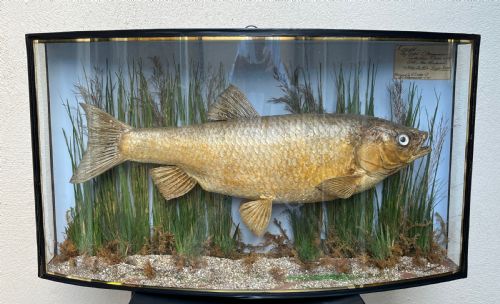
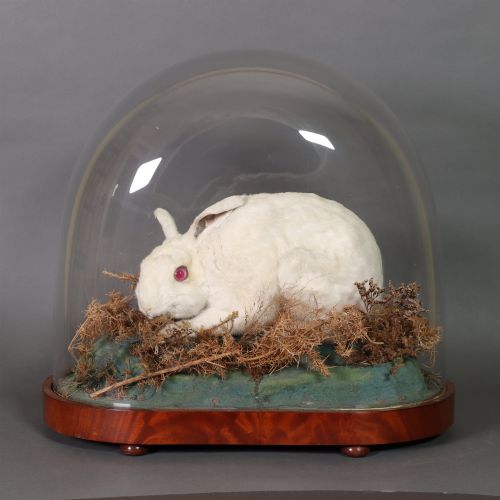
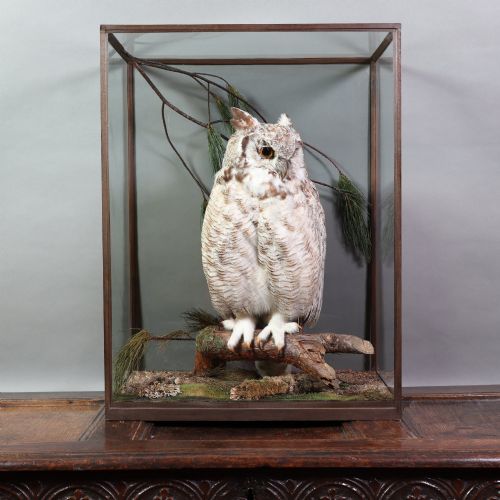
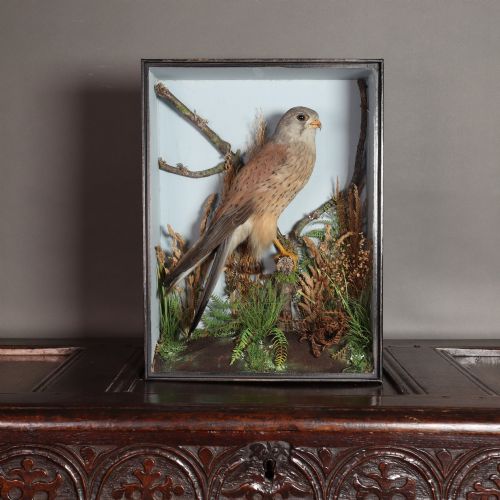


Glass Taxidermy Display
Glass taxidermy display brings together preserved natural history specimens and blown glass covers to protect fragile mounts from dust and decay.
Glass Taxidermy Display
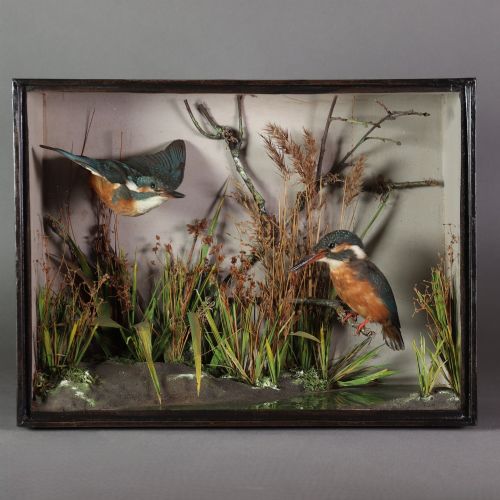
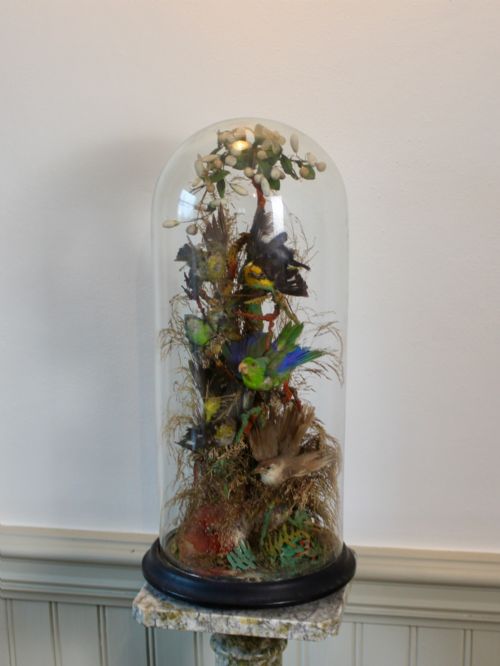
A glass taxidermy display combines a preserved animal specimen with a protective glass cover, housing everything from single birds to complex multi-species dioramas.
The pieces appearing on this page belong predominantly to the Victorian and Edwardian eras, spanning the late nineteenth century through to the early decades of the twentieth century.
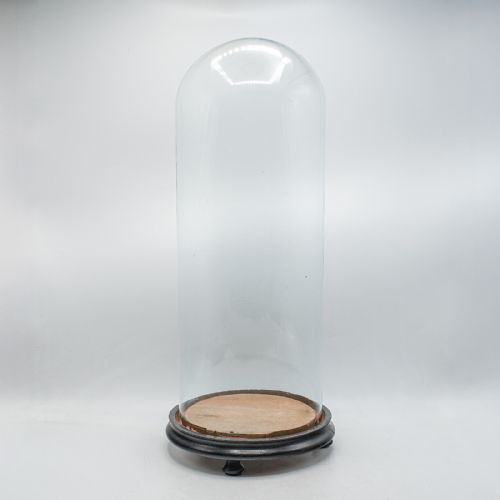
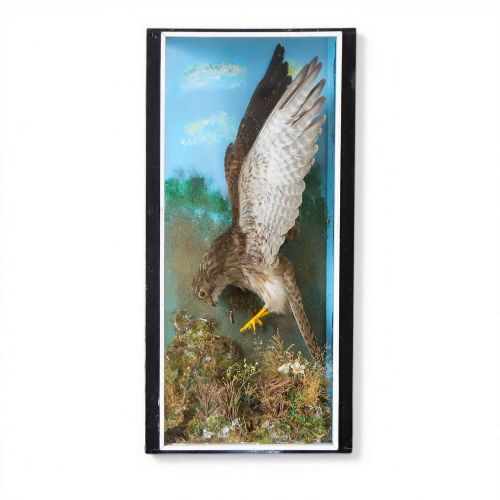
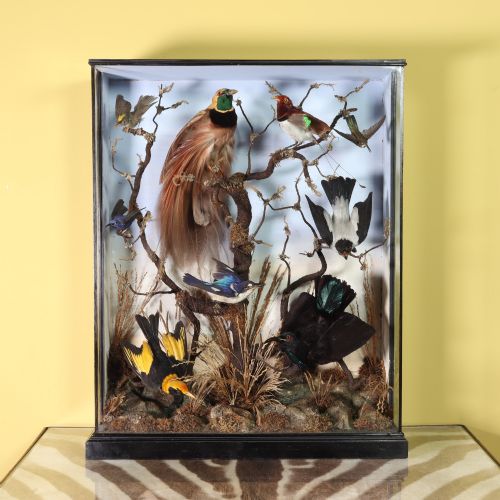
Common formats include upright oval domes resting on wooden bases, flat-sided glass cases, and wall-mounted wooden cabinets designed to showcase natural history specimens in domestic interiors.
Materials and construction
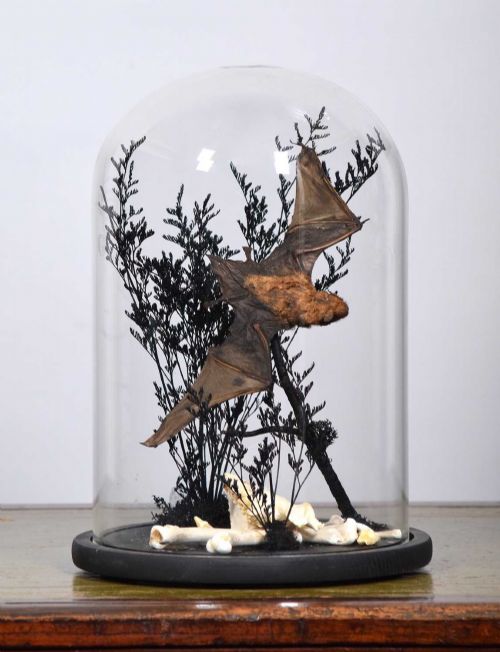
Makers utilised blown glass to create clear, protective domes and covers, often paired with turned bases fashioned from ebonised wood, oak, beech, or mahogany.
Internal settings incorporate natural elements such as dried moss, painted paper, feathers, and fabric to simulate the native habitat of the taxidermy specimen.
Some Victorian displays preserve creatures with such character they appear ready to converse or launch into flight.
Craftsmanship and composition
The skill of the taxidermist dictates the natural posture, anatomical proportion, and lifelike expression of the preserved specimen within the glass enclosure.
Superior examples feature intricate, balanced interior dioramas with hand-painted backgrounds and carefully arranged botanical elements rather than sparse or rigid mounts.
The clarity and weight of the blown glass cover, alongside the quality of the timber base and joinery, distinguish finer workshop productions from standard commercial pieces.
Little & Co·James Gardner·Rowland Ward Ltd·T. E. Gunn·Henry Ward London·A Pollard·S. King·J Cooper & Sons·Davis & Co, Bristol
The Glass Taxidermy Display Glossary
- Cloche
- A bell-shaped glass cover utilised to protect delicate objects and specimens from dust. The term derives from the French word for bell.
- Diorama
- A three-dimensional scene featuring taxidermy specimens arranged within a constructed naturalistic habitat. These settings often include painted backgrounds and preserved foliage.
- Ebonised wood
- Timber treated with a dark finish to imitate expensive ebony. This material frequently forms the base plates for Victorian display domes.
- Clock dome
- A tall glass cover originally manufactured to protect mechanical timepieces from dust. These clear enclosures were frequently repurposed by taxidermists to house tall bird mounts.
- Taxidermy specimen
- An animal skin mounted over a carved form to create a lifelike representation. Glass eyes and wire frames provide structural support and realistic detail.
Glass Taxidermy Display: Frequently Asked Questions
Where should I place a glass dome in my home?
Position your display away from direct sunlight and heat sources to prevent the feathers, fur, and internal paper elements from fading or becoming brittle over time.
Choose a stable surface such as a heavy sideboard or cabinet where the piece will not be bumped, as vibrations can dislodge loose botanical elements inside the case.
How can I tell a Victorian dome from an Edwardian one?
Victorian examples frequently utilise ebonised wood bases with heavy, hand-blown glass covers that may display slight bubbles or waviness in the surface. These pieces often house complex, naturalistic multi-species dioramas.
Edwardian pieces often feature lighter polished timbers such as oak or beech paired with clearer, more uniformly manufactured glass covers enclosing single specimens.
Are these glass covers removable?
Most antique domes simply lift off the wooden base, though some are secured with historical sealing wax, paper tape, or fit tightly into a routed groove in the timber.
Exercise extreme caution when handling the glass, as many period covers are heavy, delicate, and irreplaceable if chipped or dropped.