


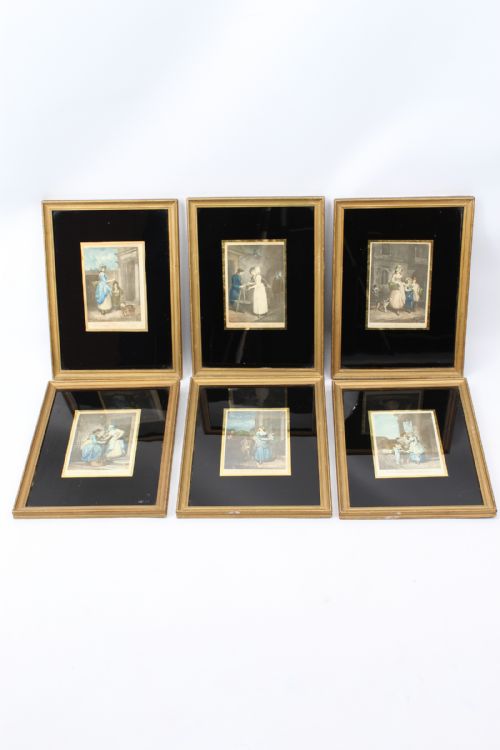


Glass Print Artwork
Glass print artwork brings together delicate historic imagery and protective framing, offering a window into centuries of portraiture and decorative scenes.
Glass Print Artwork
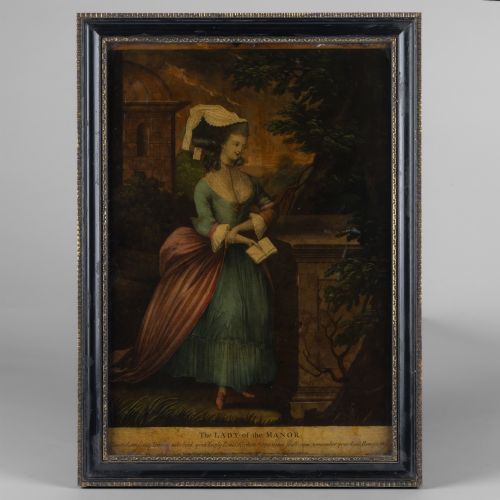
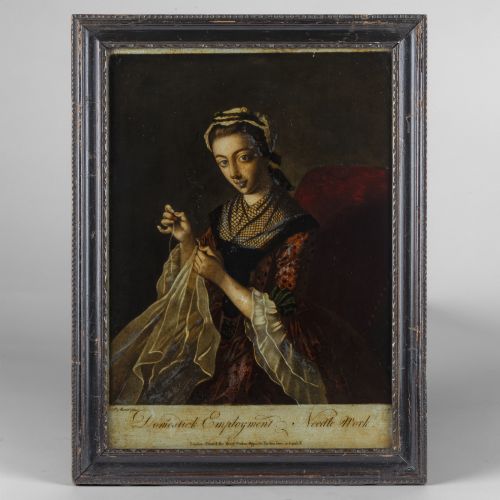
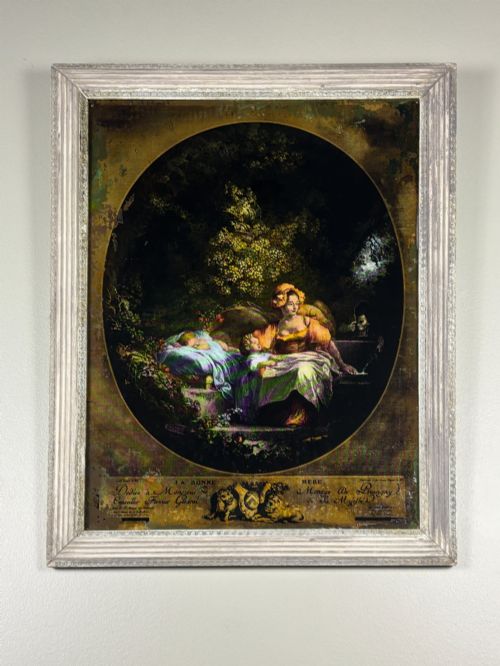
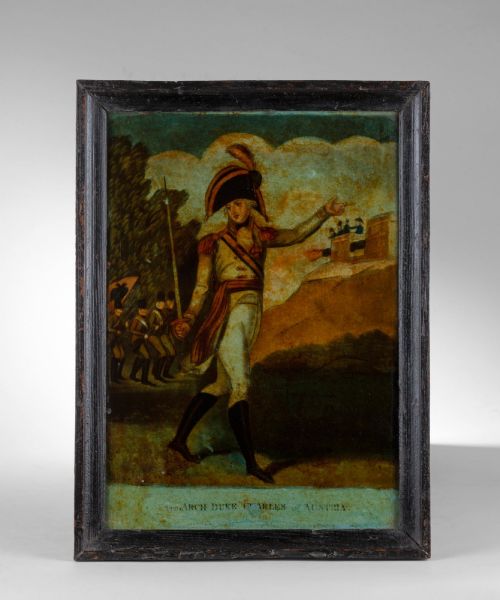
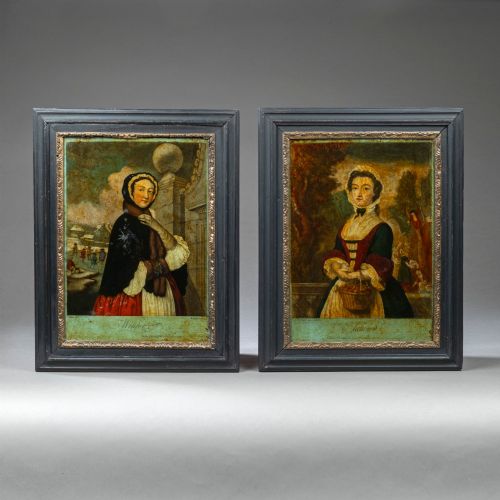
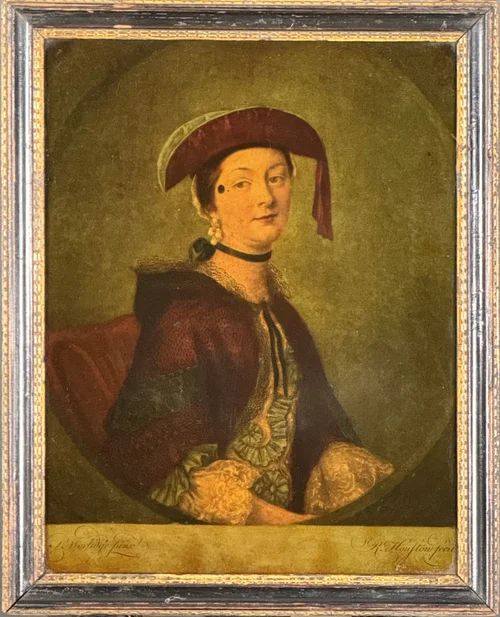
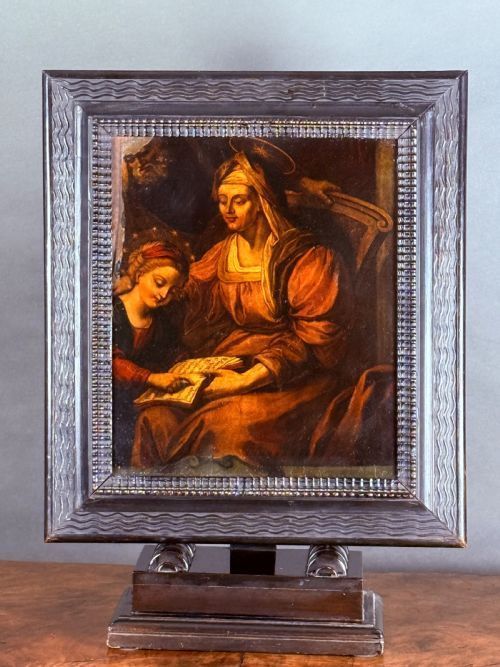
Glass print artwork encompasses reverse glass paintings, mezzotints, and crystoleoms spanning from the eighteenth century through the Victorian era and into the early twentieth century. When exploring glass print artwork, buyers encounter distinct forms such as single portraits, allegorical pairs, and religious subjects housed within period surrounds.
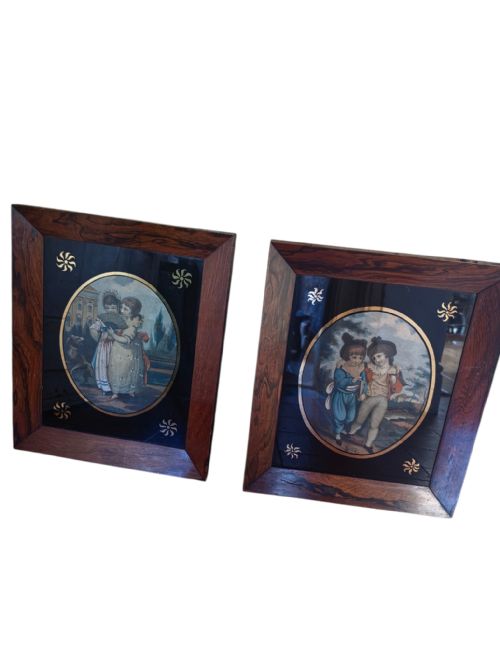
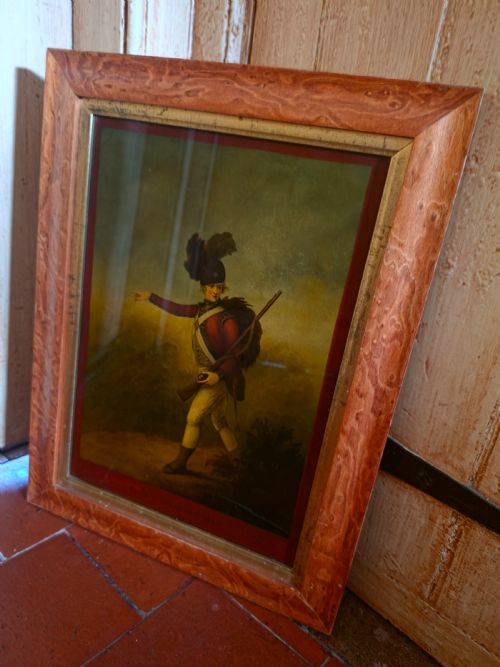
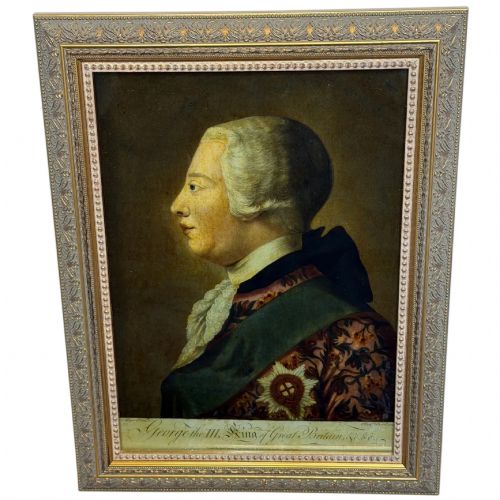
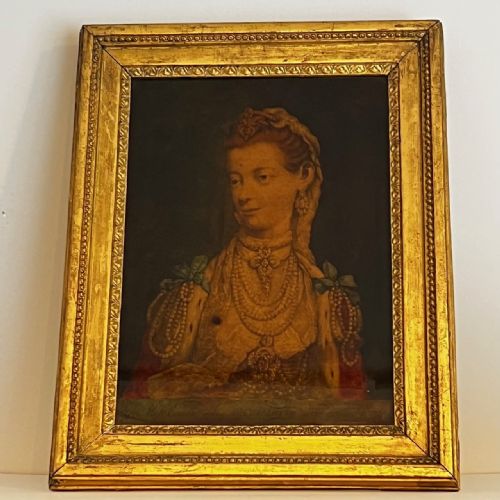
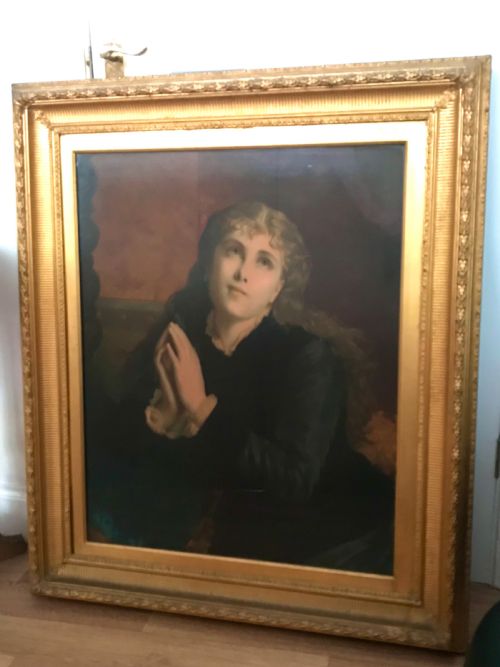
The pieces on this page lean heavily towards eighteenth-century reverse painted mezzotints and nineteenth-century crystoleoms, often depicting notable figures, domestic genres, or classical scenes. These works capture light in a way standard paper prints cannot, utilising the glossy surface of the glazing to add depth to the pigment beneath.
Materials and construction methods
Makers constructed these pieces by applying oil paint, pigment, or transferred prints directly onto the reverse side of a glass sheet, viewing the finished image from the front. This delicate technique required precise reverse application, where fine details and lettering had to be rendered before background tones.
Original frames utilise wood, rosewood, maple, and giltwood, frequently enclosing the image alongside paper backings and protective convex or flat glass panels.
Glass Print Artwork Retail Price Guide 2026
Typical asking prices for glass print artwork among the pieces listed under this phrase on Sellingantiques today, from the lower quarter to the upper quarter. They describe what is for sale here now, not the wider market.
Listings feature works spanning the eighteenth, nineteenth, and early twentieth centuries, utilising glass, paper, wood, and oil paint.
Distinctions in quality
Quality rests in the crispness of the transfer or brushwork and the preservation of the pigment against flaking or moisture damage behind the glass. Superior examples retain their original hand-applied colouration without significant fading or obscuring foxing across the transparent medium.
The calibre of the framing also dictates the standing of a piece, with original rosewood, maple, or ornate gilt frames holding greater historical integrity than later replacements.
Charles Spooner·Richard Purcell·Robert Sayer·W. Bishop·Schweninger
The Glass Print Artwork Glossary
- Reverse glass painting
- An artwork painted directly onto the back of a glass panel so that the final composition is viewed through the transparent front. This technique protects the pigment from atmospheric dirt.
- Mezzotint
- A printmaking process of the intaglio family where the plate is roughened to achieve rich dark tones and subtle gradations. When applied to glass, the printed image is transferred and hand-tinted from behind.
- Crystoleum
- A Victorian method of applying a transparent photograph or print to the inside of convex glass, then hand-painting the reverse to create a three-dimensional tinted image. The paper backing is often rubbed down and layered with oil paint.
- Oleograph
- A chromolithographic reproduction on canvas that simulates an oil painting, sometimes displayed under glass. It gained popularity during the nineteenth century as an affordable wall art option.
Glass Print Artwork: Frequently Asked Questions
What is a reverse glass print?
A reverse glass print involves transferring or painting an image onto the underside of a glass sheet so the viewer looks through the polished surface to see the subject.
This method protects the delicate pigments from dust and fading while producing a distinctive glossy finish characteristic of Georgian and Victorian wall art.
How do I care for these pieces?
Keep these fragile items away from direct sunlight and damp environments to prevent the pigments behind the glass from fading or lifting.
Clean the exterior glass gently with a dry microfiber cloth, avoiding liquid sprays that might seep beneath the frame edges and damage the paper or paint.
What is a crystoleum?
A crystoleum is a nineteenth-century picture created by pasting a photograph or print to convex glass, removing the paper backing, and hand-tinting the remaining transparent layer with oil paint.
This painstaking process gives the subject a luminous, multi-layered depth that distinguishes it from standard framed prints.