
Glass Fronted China Cabinet
A glass fronted china cabinet offers a graceful stage for cherished porcelain, bringing refined Victorian and Edwardian craftsmanship directly into a modern room.
Glass Fronted China Cabinet
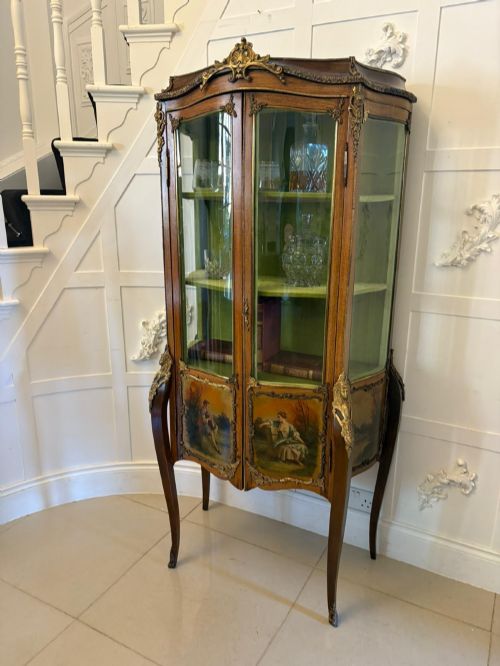
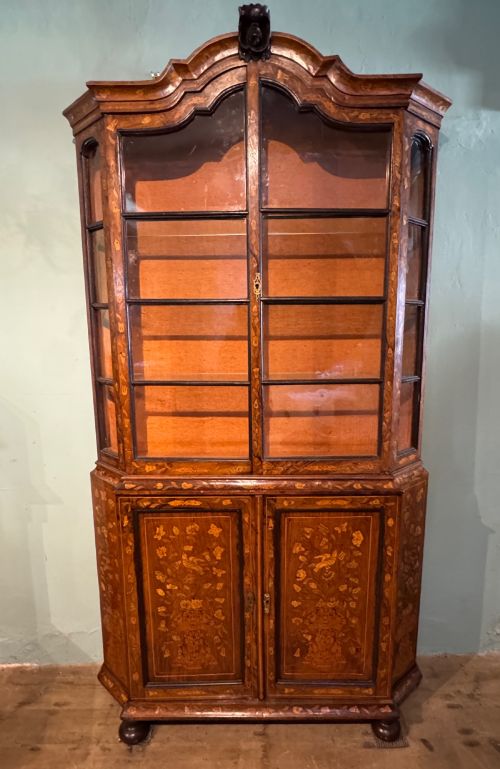
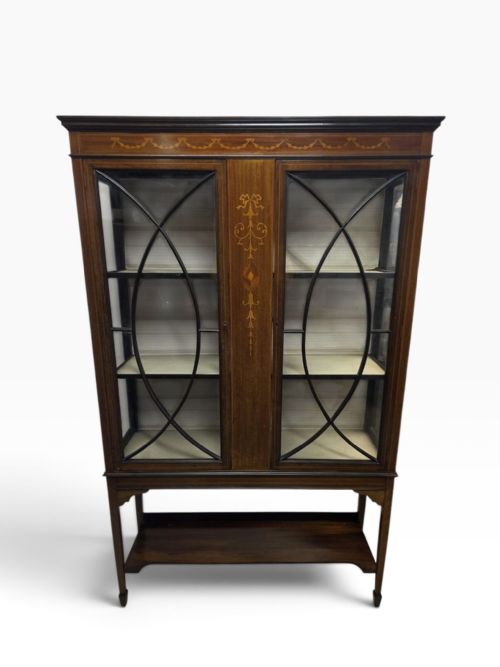
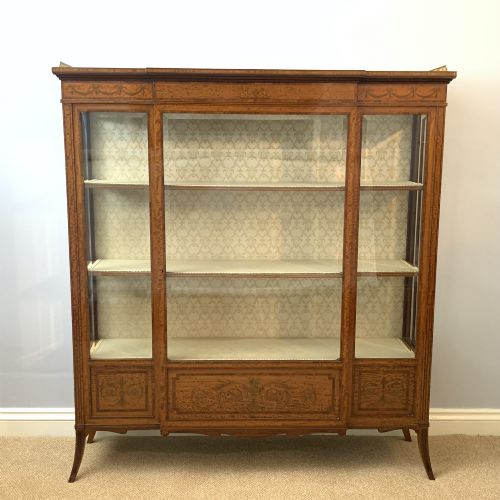
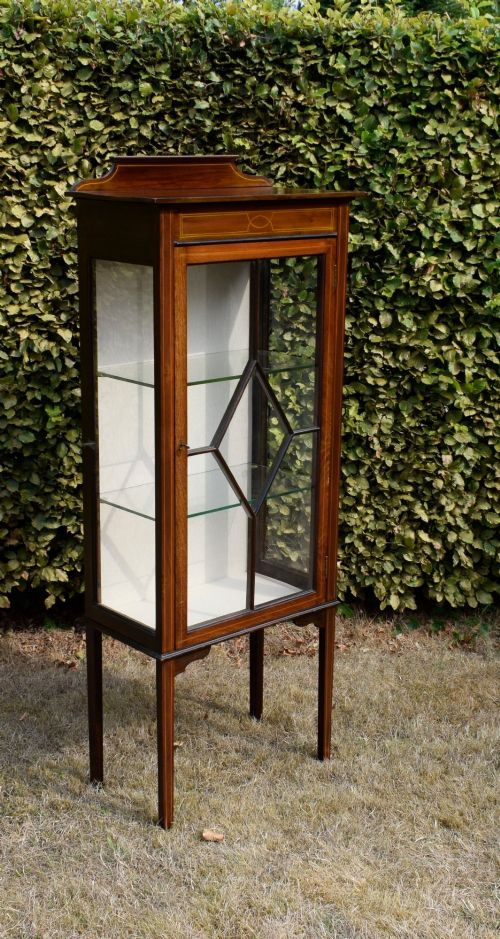
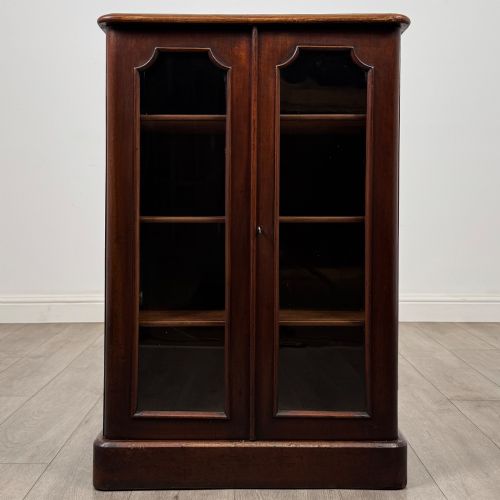
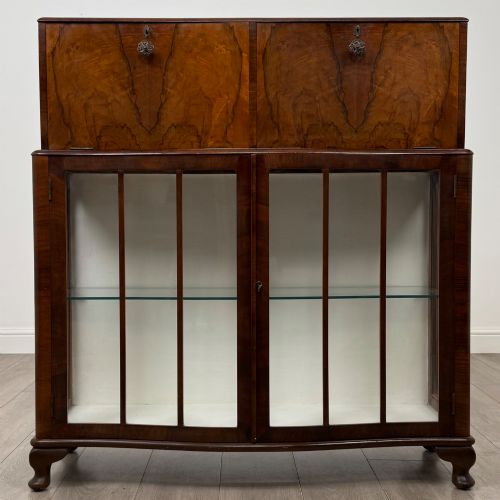
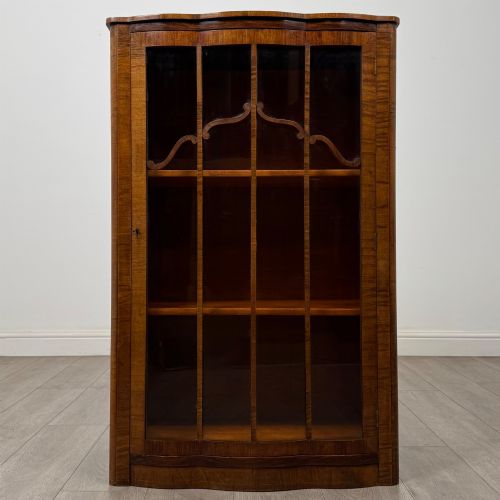
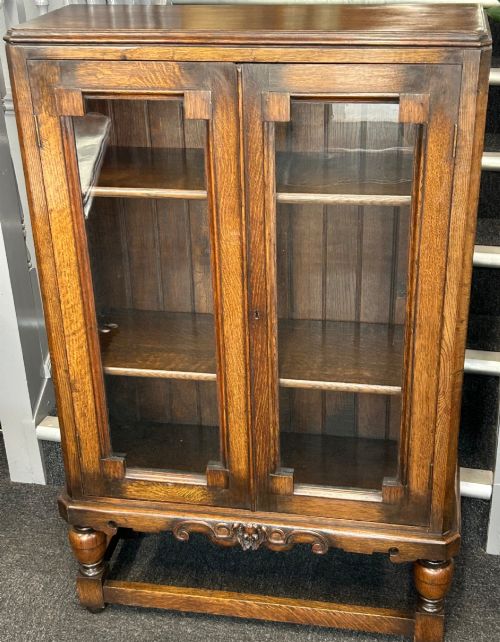
A glass fronted china cabinet functions primarily to protect and display delicate ceramics, taking forms such as freestanding display cabinets, corner units, and slim bookcases with glazed doors. These pieces span from the nineteenth century into the twentieth century, encompassing Edwardian, Victorian, and later periods.
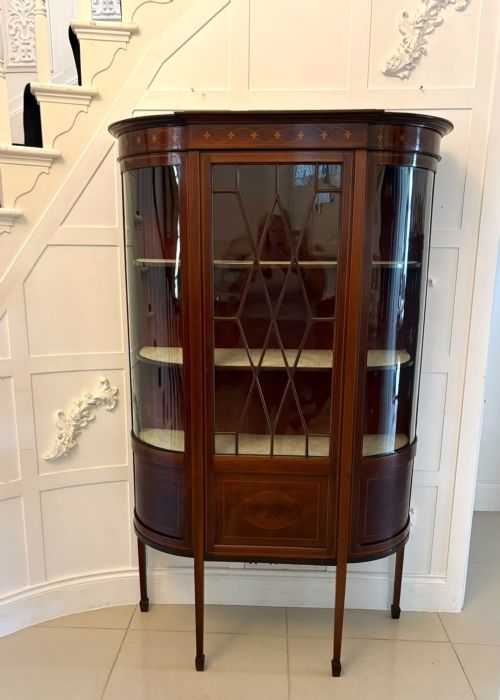
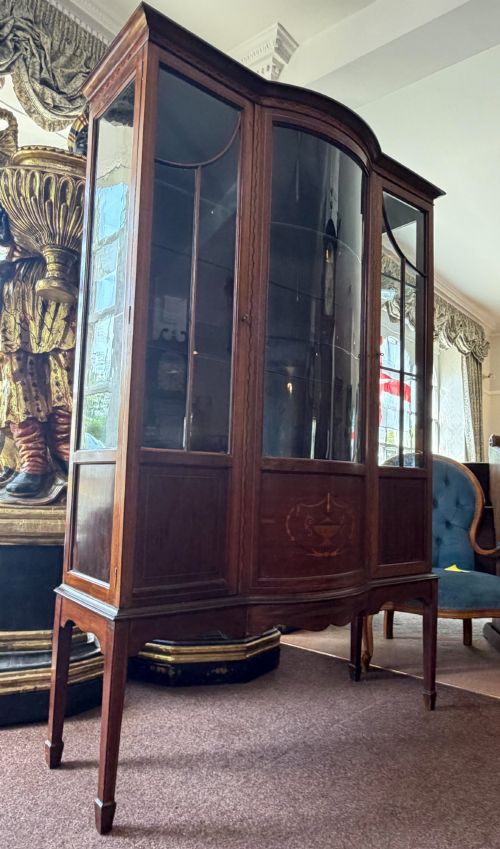
Buyers will find both modest domestic cupboards and ornate reception room furniture, ranging from straight-sided Edwardian mahogany models to serpentine and bow-fronted variants. Each type reflects the domestic storage needs and decorative tastes of its original era.
Materials and construction methods
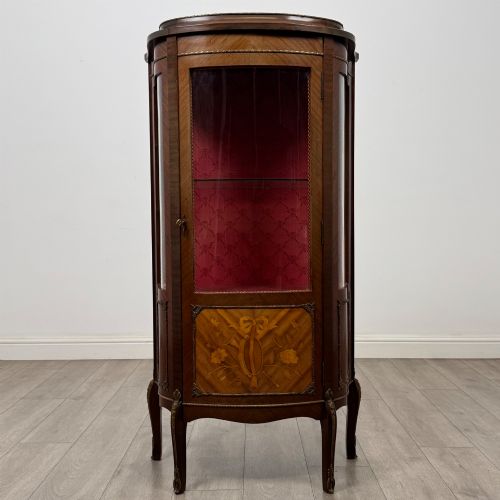
Cabinetmakers relied on primary timbers such as mahogany, walnut, satinwood, and kingwood, frequently incorporating contrasting stringing and marquetry in fruitwood or lighter veneers. The structural carcass provided a stable housing for glazed doors, while internal wooden or fabric-lined shelves held the display items.
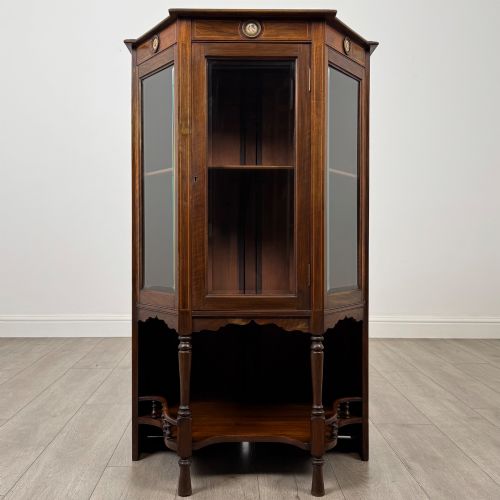
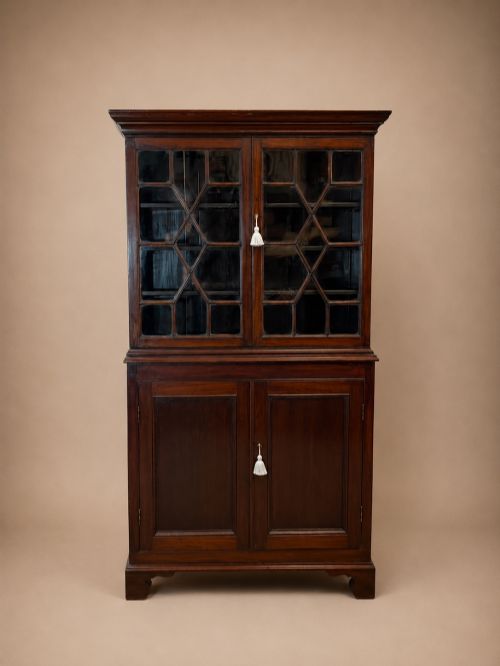
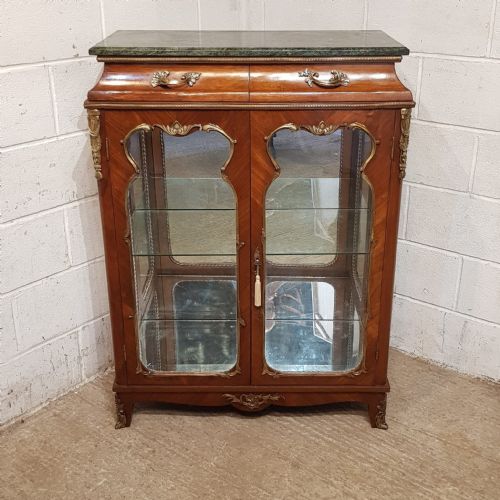
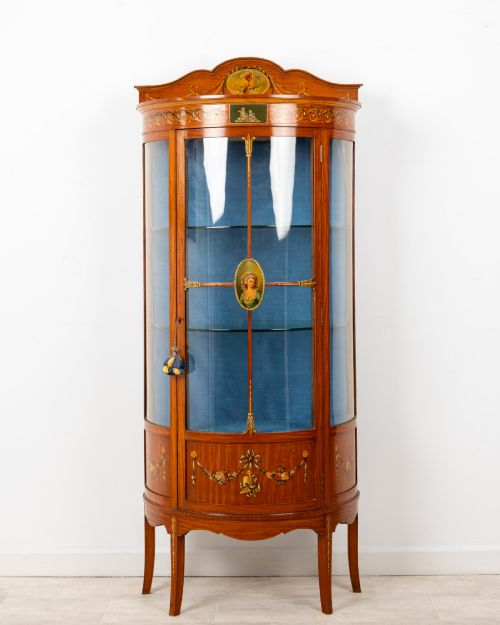
Finer examples integrated decorative hardware including brass mounts, ormolu details, and cast gilt metal appliques. Glazing techniques involved securing individual glass panes within timber framing bars to create clear viewing panels across the front and sometimes the sides.
Listings feature mahogany, walnut, satinwood, and kingwood timbers, spanning the Victorian, Edwardian, and 1920s periods.
Distinctions in quality
The hierarchy of quality rests upon the selection of timber veneers, the crispness of inlaid details, and the sophistication of decorative mounts like ormolu. Superior pieces display thoughtful proportions, balanced marquetry, and robust internal construction that supports heavy glazed doors without sagging.
Edwards & Roberts·Maple & Co.
The Glass Fronted China Cabinet Glossary
- Vitrine
- A glass-sided display cabinet designed primarily for the exhibition of objets d'art and fine porcelain. These pieces often feature glass on both the front and sides to maximise light penetration.
- Marquetry
- Decorative veneer work forming pictorial or geometric patterns using various coloured woods. Craftsmen cut thin pieces of timber and fitted them meticulously into a contrasting background.
- Vernis Martin
- A simulated Japanese lacquer finish developed in France, prized for its glossy, translucent layers. Cabinets bearing this finish display painted decorative scenes beneath the protective coating.
- Ormolu
- Gilt bronze mounts applied to furniture for decorative enrichment. This technique adds metallic gleam and architectural definition to corners, feet, and friezes.
- Sheraton Revival
- A late nineteenth-century design style inspired by the lightweight, neoclassical furniture of George Sheraton. These pieces often feature satinwood, delicate painted motifs, and tapered legs.
Glass Fronted China Cabinet: Frequently Asked Questions
How do I date a glass fronted china cabinet?
Dating relies on observing timber choices, hardware, and stylistic revival markers typical of periods like the Edwardian era or nineteenth century. Examining construction techniques inside the carcass also reveals the manufacturing era.
Secondary indicators include the style of inlay, such as satinwood stringing or fruitwood marquetry, which shifts across Victorian and twentieth-century production.
Where should I place a glass fronted china cabinet?
These cabinets suit dining rooms, living spaces, or hallways where natural light can pass through the glazed doors to illuminate the interior. Corner variants fit neatly into unused angles of smaller rooms.
Keep them away from direct sunlight to protect internal linings and wooden surfaces from fading over time.
Can I adjust the shelves inside?
Many period cabinets feature fixed wooden shelving integral to the original internal structure, though some later examples include adjustable supports. It is wise to inspect the internal configuration to ensure your specific collection fits comfortably.
Fabric-lined shelves frequently appear in display cabinets, adding a soft surface for resting delicate ceramics.