
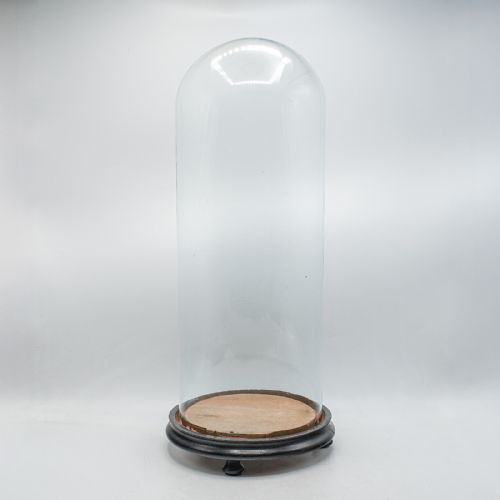


Glass Display Clock
Glass display clock options combine protective glass covers with timepieces, offering a clear view of intricate mechanisms and housed items for your interior.
Glass Display Clock
When you search for a glass display clock, you find items that unite timekeeping with protective glass covers such as domes, cloches, and crystal regulator cases. These objects span the Victorian and Edwardian periods, alongside nineteenth century French and Italian designs.
The most common versions on this page pair nineteenth century clock movements with glass domes, wood bases, and fabric linings. Other variations include carriage clocks and four glass mantel clocks protected by glass panels.
How they were made
Maker workshops built these pieces using blown or cast glass for the covers, paired with bases formed from wood, ebonised wood, pine, or marble. Interiors often featured velvet, felt, or fabric linings to cushion the items displayed beneath the glass.
Clock movements utilised brass components and enamel dials, housed within crystal regulator cases or fitted beneath glass domes alongside carved alabaster or marble bodies.
Several domes were originally built to house taxidermy and botanical specimens rather than timepieces.
What varies in quality
Quality differences stem from the clarity and thickness of the glass, whether round or ovoid, and the quality of the timber bases in pine or ebonised wood. Superior examples feature well-fitted wooden or marble bases and intact fabric linings that complement the glass cover.
In timepieces, the refinement of the brass movement, enamel dial, and case materials like rouge marble or carved alabaster distinguish standard pieces from more ambitious nineteenth century French and Italian productions.
Le Roy et Fils à Paris·Samuel Marti
The Glass Display Clock Glossary
- Glass dome
- A blown glass cover shaped to protect clocks, taxidermy, and botanical specimens from dust. These covers sit atop wooden or ebonised bases.
- Carriage clock
- A portable spring-driven timepiece developed for travel in the nineteenth century. These clocks frequently feature brass framing and glass panels.
- Crystal regulator
- A mantel clock featuring glass panels on all sides that reveal the internal brass movement. Samuel Marti produced notable examples during the nineteenth century.
- Ebonised wood
- Timber treated to imitate ebony, providing a dark finish commonly found on nineteenth century display bases. This treatment offers a uniform contrast to clear glass.
- Taxidermy showcase
- A glass dome or case arranged to display preserved specimens alongside timepieces or botanical items. These enclosures protect delicate displays from environmental wear.
Glass Display Clock: Frequently Asked Questions
What periods do these clocks come from?
The pieces span the Victorian and Edwardian eras, with examples dating from the mid-nineteenth century through to about nineteen ten.
Maker styles from this timeframe include French nineteenth century designs, French Belle Epoque, and Neoclassical influences.
How do glass domes protect the clocks?
Glass domes act as physical barriers against dust, moisture, and accidental contact in domestic settings. They keep delicate enamel dials and exposed brass mechanisms clean.
Most domes rest securely on wooden, ebonised, or fabric-lined bases designed to support the weight of the glass.
What materials are used for the bases?
Bases commonly employ wood, ebonised wood, or pine to support the glass covers and enclosed items. Some versions incorporate marble, alabaster, or fabric surfaces such as velvet and felt.
These materials provide a stable foundation for the glass dome or clock housing while complementing the interior decor.
How do I identify a crystal regulator?
Crystal regulators feature glass panels on multiple sides, allowing clear visibility of the brass movement from various angles. These mantel clocks often date from the late nineteenth century.
They combine heavy glass panels with metal framing to create an open architectural housing for the clock mechanism.