



Glass Cloche Dome
When you search for glass cloche dome, you uncover clear vessels designed to protect and display precious objects from the nineteenth and early twentieth centuries.
Glass Cloche Dome
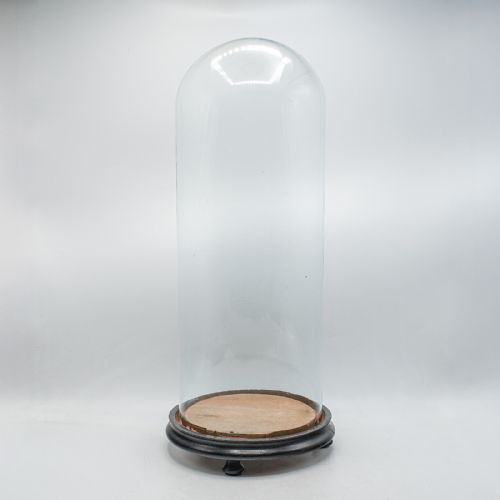
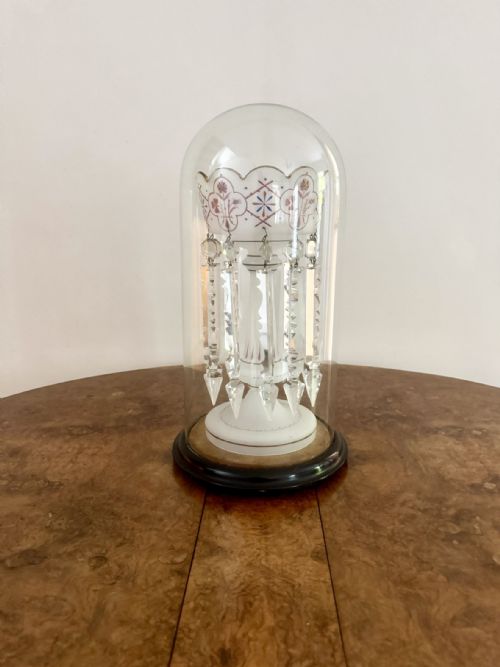
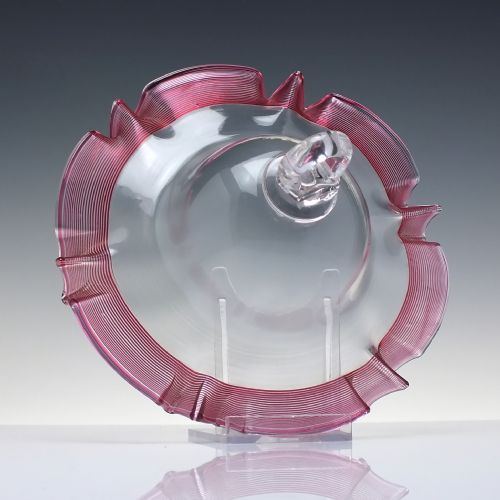
A glass cloche dome is a transparent protective cover designed to sit over delicate items, and on this page you will most frequently encounter examples originating from the Victorian and Edwardian periods.
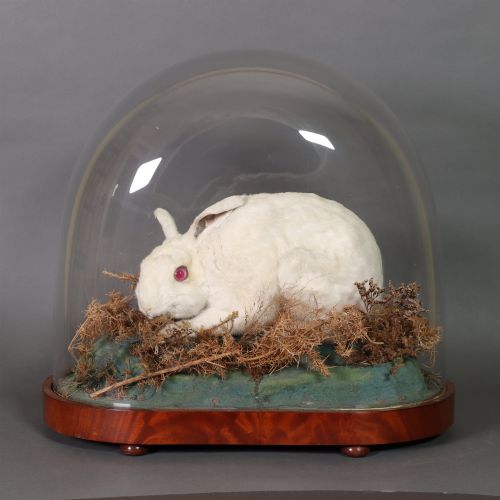
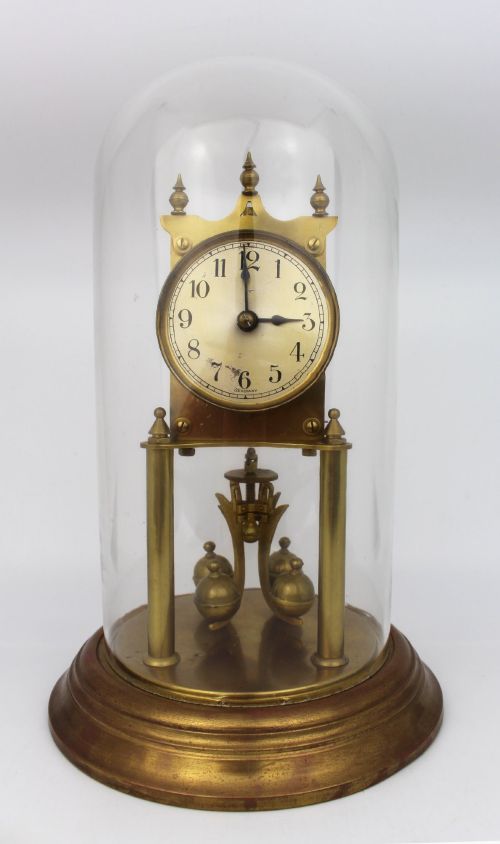
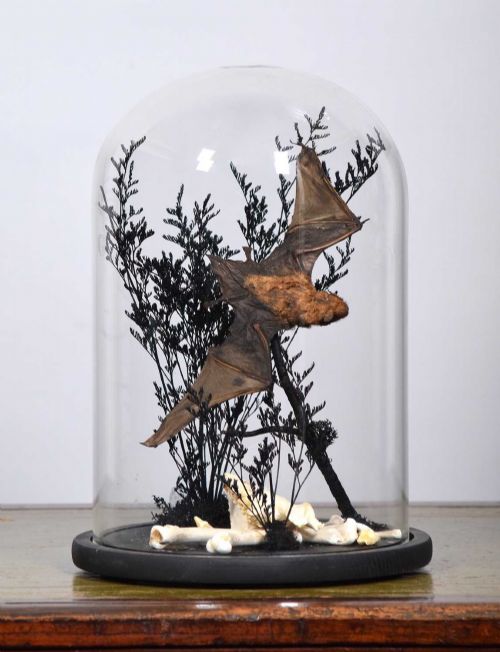
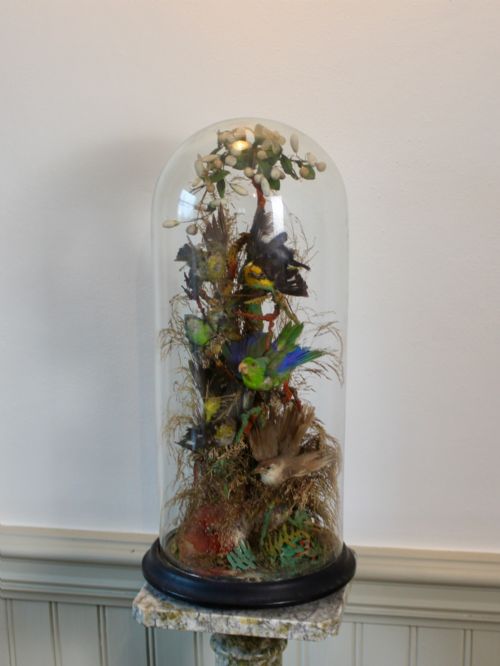
These pieces serve multiple functions across the historical record, appearing as clock covers, botanical display cases, and elaborate taxidermy showcases holding birds, bats, and rabbits.
The dominant forms span tall upright cylinders, wide oval arrangements, and flat-sided vessels meant for tabletops, mantelpieces, and dressing tables.
How They Were Made
The primary material combination unites mouth-blown glass covers with turned wooden bases constructed from ebonised wood, oak, beech, or pine.
Internal displays frequently incorporate brass components, fabric, velvet, felt, and feathers to support taxidermy specimens, beadwork bouquets, and horological works.
Materials recorded across the listings include brass, feathers, velvet, felt, and ebonised wood alongside standard glass.
What Varies in Quality
The distinction between tiers rests upon the clarity and thickness of the blown glass, where older examples often display subtle bubbles and distortion from hand-production.
Base construction also dictates standard, with denser hardwoods, precise turning, and fitted grooves setting apart finer display cases from simpler utilitarian covers.
James Gardner·Henry Ward London·A Pollard
The Glass Cloche Dome Glossary
- Cloche
- A bell-shaped glass cover traditionally used in gardening or indoor display. It protects fragile arrangements from dust and handling.
- Taxidermy Dome
- A glass cover paired with a base to house preserved animals or birds. These setups preserve delicate specimens in three-dimensional compositions.
- Fusee Clock
- A timepiece driven by a chain and a cone-shaped pulley to maintain constant force. Many surviving examples retain their protective glass covers.
- Ebonised Wood
- Timber treated to imitate ebony through staining or painting. This dark finish provides a contrasting frame for clear glass displays.
Glass Cloche Dome: Frequently Asked Questions
What fits under a glass cloche dome?
Historical examples commonly house taxidermy specimens, pocket watches, skeleton clocks, floral beadwork bouquets, and delicate botanical collections.
Interior items reflect the Victorian and Edwardian taste for preserving fragile curiosities from dust and moisture in domestic parlours.
How do you clean an antique dome?
The glass cover lifts away from the wooden base to allow separate cleaning with a soft cloth and mild glass cleaner.
Extreme care is required when handling the glass, as antique blown covers can be thin and irreplaceable if dropped.
Were these domes always used for taxidermy?
While animal and bird specimens form a large category in the historical record, many vessels served entirely different domestic purposes.
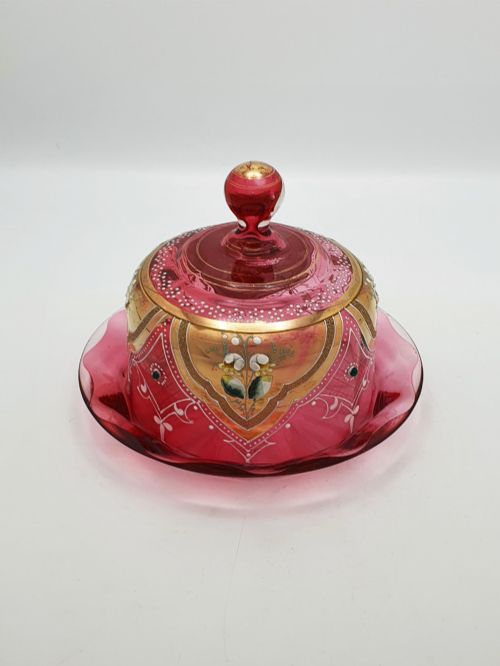
Others covered delicate French clocks, cheese dishes on dining tables, or scientific specimens in professor's studies.
How can you tell a Victorian dome?
Victorian examples typically feature heavier, hand-blown glass with subtle surface irregularities mounted onto turned wooden bases made of pine, oak, or ebonised timber.
Proportions tend to be taller or broader to accommodate elaborate nineteenth-century interior displays and taxidermy compositions.