

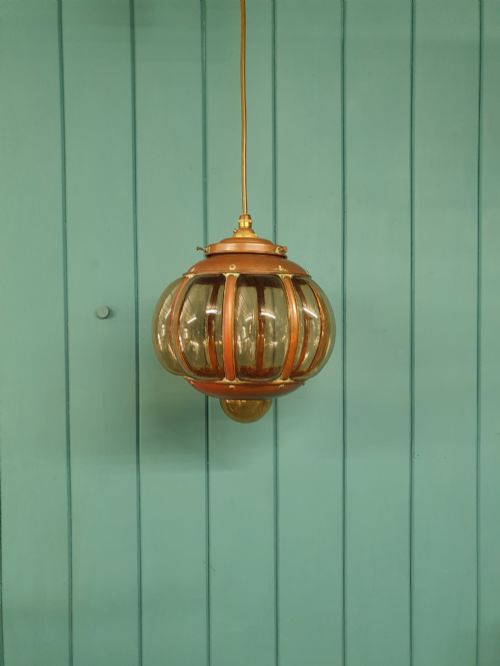
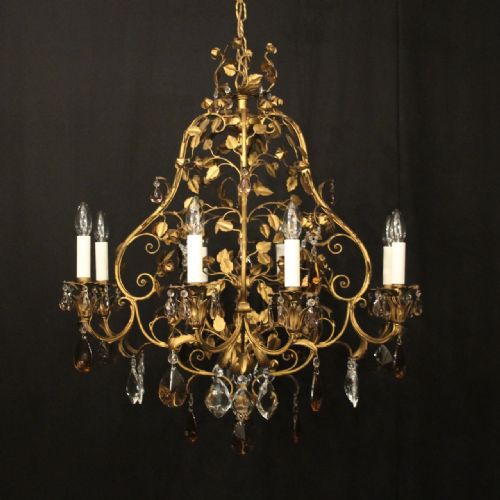
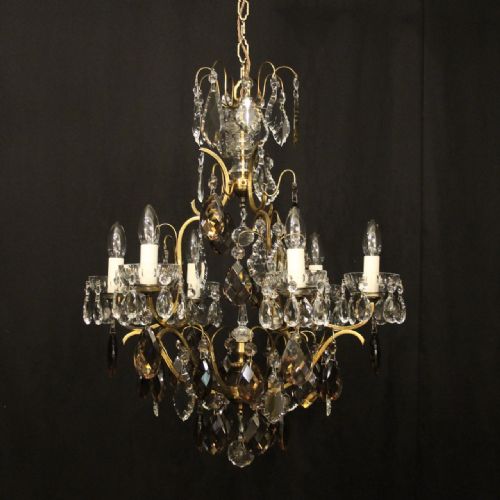


Glass Cage Pendant
A glass cage pendant brings a focused illumination through enclosed metal frames and panels, offering period character for hallways and rooms.
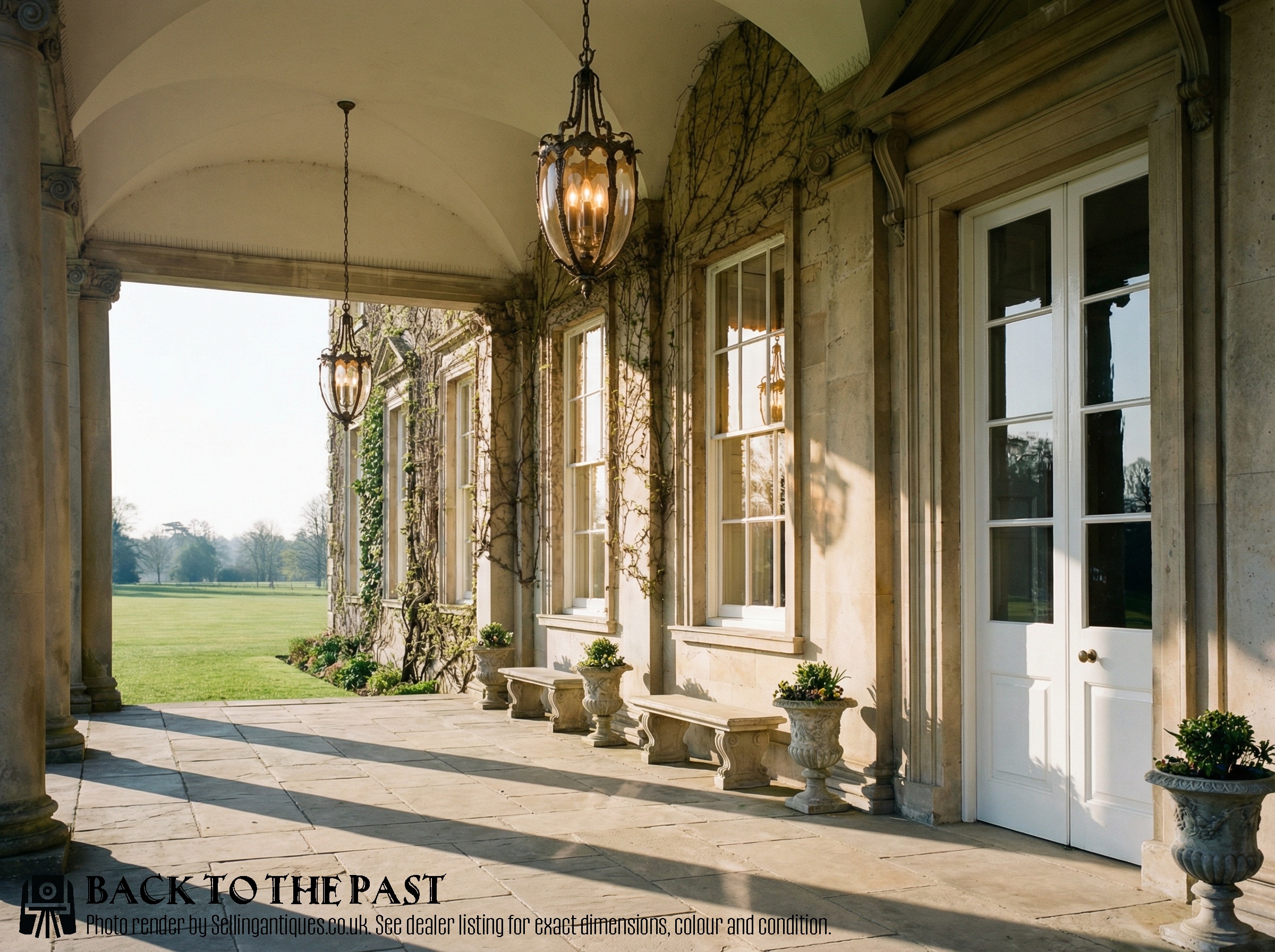
Glass Cage Pendant
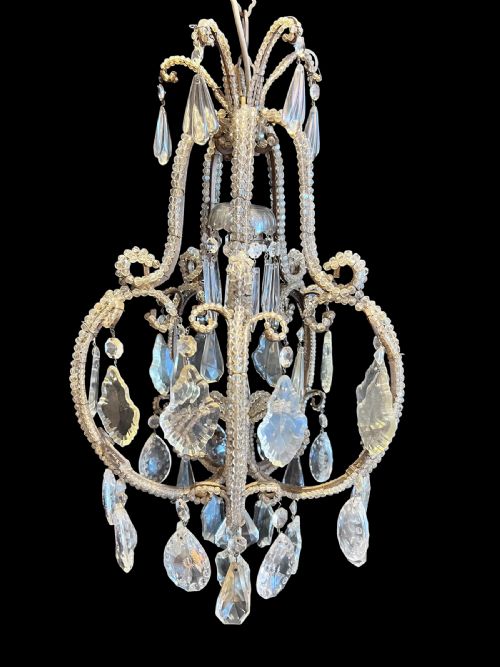
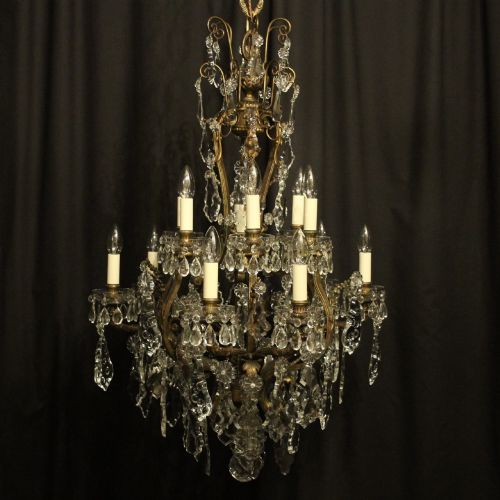
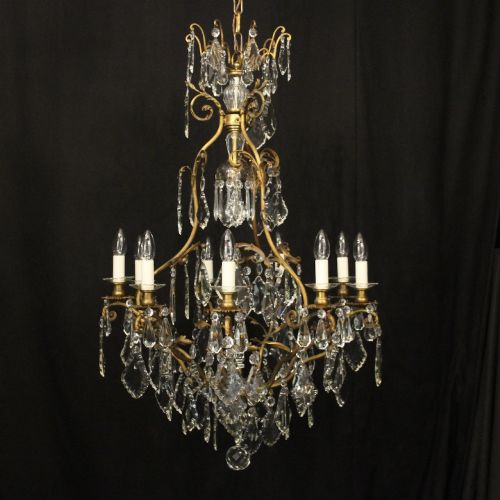
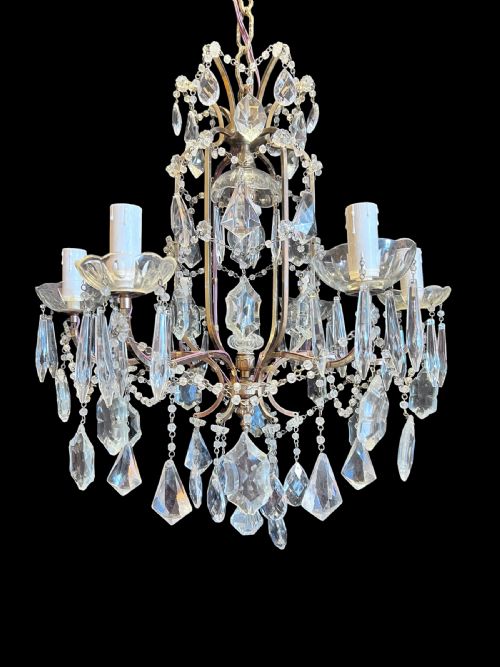
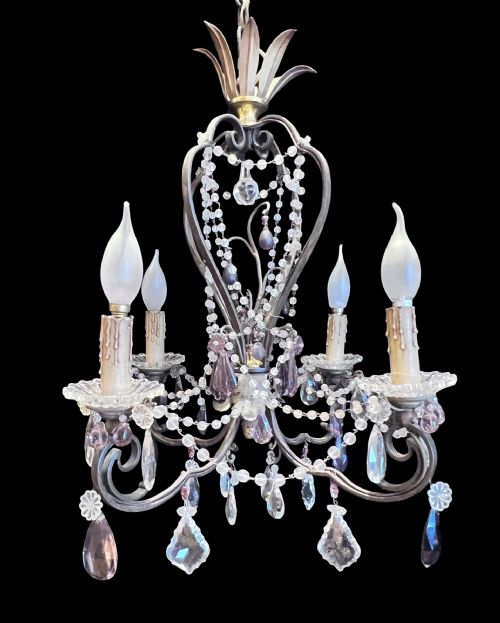
A glass cage pendant typically presents as a hanging lantern or caged light fitting originating from the Victorian, Edwardian, and early twentieth century periods. You will regularly encounter French and Italian designs reflecting styles such as Rococo, Florentine, and Classical.
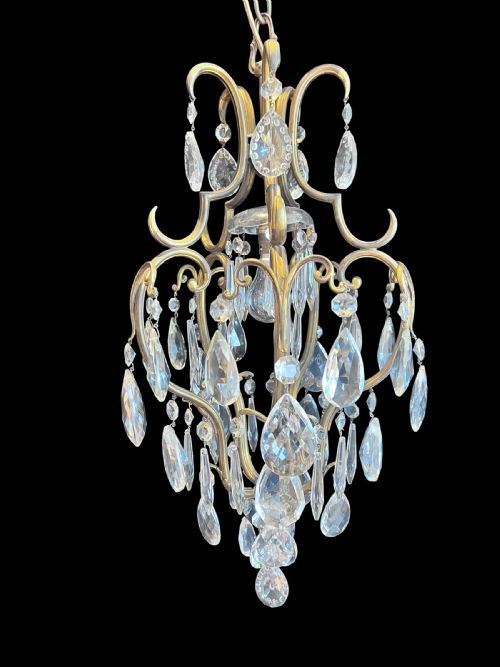
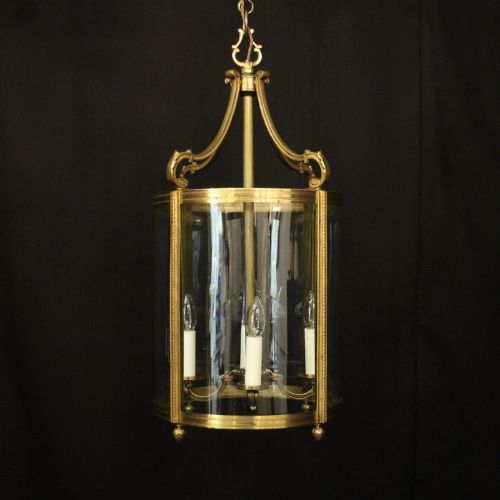
The form encompasses hall lanterns, birdcage chandeliers, and single light fixtures enclosed within brass, gilt metal, or bronze frameworks. These pieces draw attention through their architectural metal structure and integrated glass elements.
Materials and construction methods
Craftsmen built these pendants using structural frames of brass, gilded bronze, or toleware, joined to house internal light sources. These metal housings support fitted panels of clear, smoked, bevelled, or coloured glass.
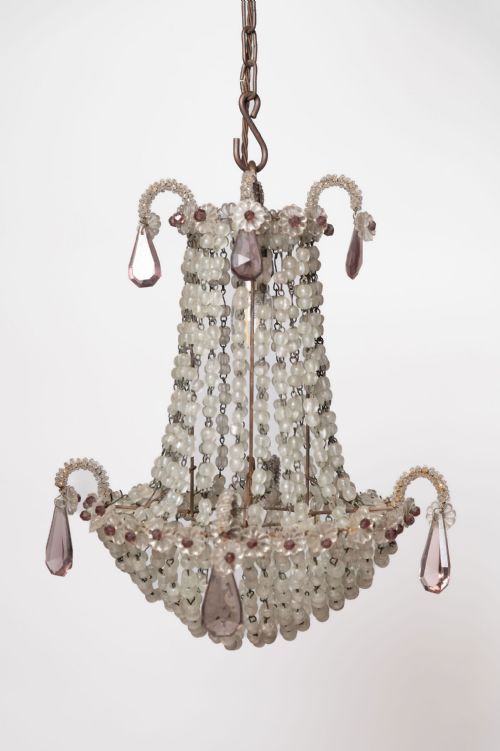
Many examples incorporate cut glass, crystal drops, and prisms suspended within or beneath the cage framework to refract the illumination. The metal components frequently feature gilt finishes, dark brass, or silvered treatments.
Listings feature pieces spanning the Victorian and Edwardian eras through to the 1930s, utilising brass, crystal, and coloured glass.
Assessing quality in construction
The distinction between tiers rests upon the weight and casting quality of the metal frame, alongside the hand-cutting and clarity of the glass panels or crystal drops. Heavier bronze or brass frameworks with crisp chased details indicate superior workshop production.
The complexity of the internal arrangement, such as multi-light configurations and integrated amethyst or cobalt crystal elements, separates standard utility lighting from elaborate decorative pieces.
La Maison Bagues
The Glass Cage Pendant Glossary
- Cage chandelier
- A lighting fixture featuring a structural metal frame that encloses the central stem and arms, resembling a framework birdcage. This design protects the inner components while displaying the glass drops.
- Hall lantern
- An enclosed hanging light designed specifically for corridors, vestibules, and entranceways. These fixtures utilise glass panels to shield candles or early electric bulbs from draughts.
- Cut glass
- Glass decorated by grinding facets into the surface using a wheel to increase light refraction. It appears frequently in drops and panels on Edwardian and Victorian fixtures.
- Gilt bronze
- Bronze metal coated with a thin layer of gold or gold-coloured alloy. Also known as ormolu, it provides a durable, decorative surface finish on nineteenth century frames.
Glass Cage Pendant: Frequently Asked Questions
Where should I hang a glass cage pendant?
These fixtures suit entrance halls, stairwells, and high-ceilinged rooms where their enclosed design and hanging drop length can be fully appreciated.
Ensure adequate clearance beneath the pendant for foot traffic, particularly when selecting larger multi-light examples.
How do I date an antique glass pendant?
Examine the metal casting techniques, the type of glass used, and the construction methods of the frame. Victorian and Edwardian pieces often display hand-finished brass, heavy bronze, and specific period styles like French Rococo.
Archival details and mounting hardware can also indicate whether a piece originates from the nineteenth or early twentieth century.
Did these pendants use candles originally?
Earlier examples, particularly those dating to the nineteenth century, were designed and used with candles before being adapted for electricity later. Some retain the form of candle tubes and drip pans within the glass cage.
Later Edwardian and 1920s versions often integrated multiple light arms from their initial manufacture.