
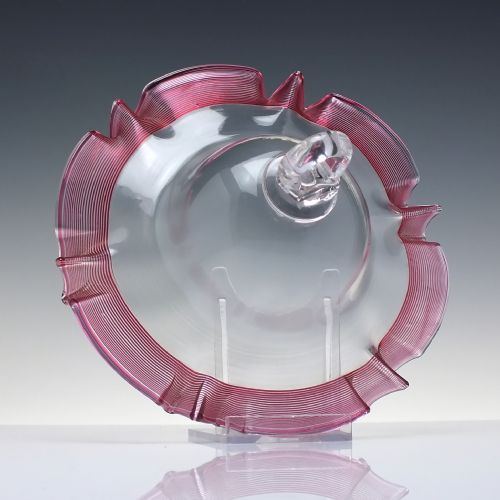


Glass Bell Cloche
A glass bell cloche protects fragile curiosities and botanical specimens beneath clear, blown glass while anchoring a tabletop display with Victorian domestic certainty.
Glass Bell Cloche
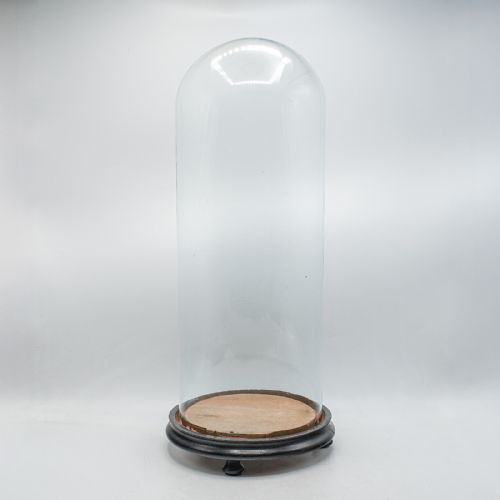
A glass bell cloche is a blown glass cover designed to showcase and preserve delicate objects, taxidermy, and ornaments. When searching for this phrase, buyers encounter tall or wide display domes primarily originating from the Victorian, Edwardian, and nineteenth-century periods.
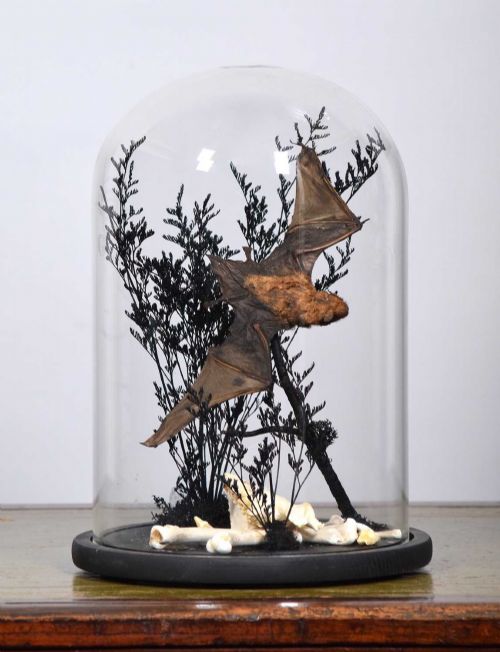
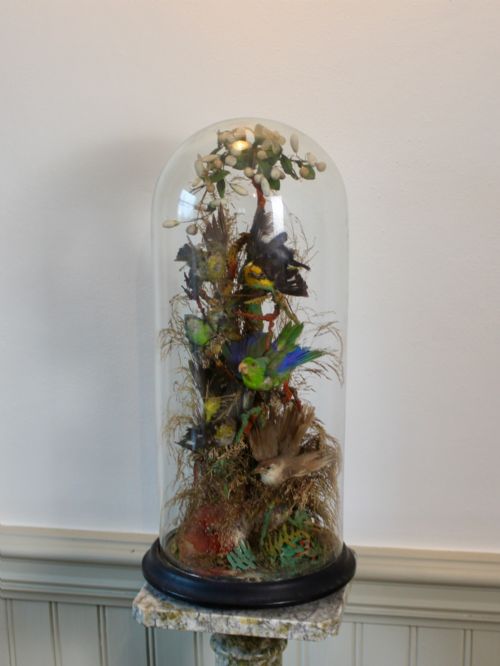
The most common forms on this page include taxidermy showcases, parlour domes, and botanical or clock cases. These pieces serve as protective enclosures for birds, fruit arrangements, beadwork, and mechanical timepieces.
Originating largely from English workshops, these items pair transparent glass covers with wooden bases made from oak, beech, ebonised wood, or pine. Occasionally, the form extends to garden cloches framed in cast iron or copper with heavy glass panels.
Materials and construction
The glass covers are mouth-blown, resulting in characteristic thickness variations, gentle ripples, and tiny bubbles trapped within the material. These domes require skilled hand-forming to achieve smooth curves across tall or oval profiles.
Bases are fashioned from seasoned timbers such as oak, beech, pine, and ebonised wood, frequently featuring turned feet or recessed grooves to hold the glass securely. Garden versions incorporate industrial metals like cast iron and copper alongside thick quarter-inch glass panes.
Listings feature Victorian, Edwardian, and nineteenth-century periods, utilising materials such as blown glass, ebonised wood, velvet, copper, and cast iron.
Distinctions in quality
Quality rests upon the clarity and weight of the blown glass dome, where minimal distortion and lack of heavy clouding distinguish superior examples. Thicker glass with fewer bubbles indicates careful nineteenth-century or early twentieth-century production standards.
The craftsmanship of the wooden or fabric-lined base further defines the piece, with tightly turned mouldings, sound joinery, and intact velvet or felt linings elevating the overall integrity of the display enclosure.
The Glass Bell Cloche Glossary
- Cloche
- A bell-shaped glass cover used traditionally to protect plants in a garden or to display delicate specimens indoors. The term derives from the French word for bell.
- Display Dome
- A large glass cover paired with a wooden base, created to house taxidermy, clocks, or decorative arrangements. These enclosures protected sensitive items from household dust and soot.
- Ebonised Wood
- Timber treated with a dark stain or finish to imitate expensive ebony. This dark surface provided a contrasting backdrop for colourful birds and botanical specimens.
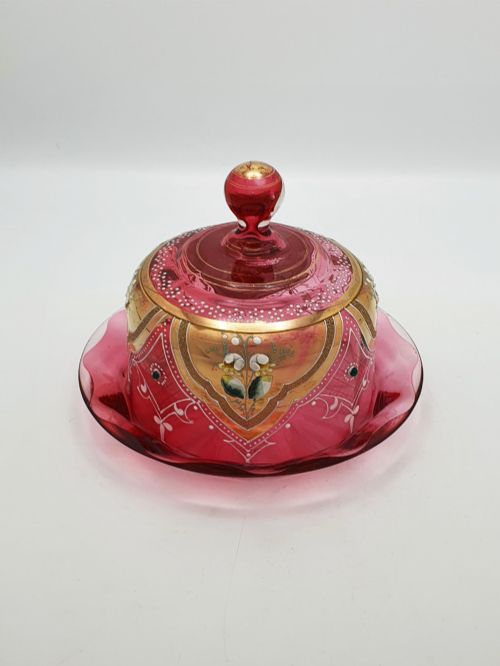
- Cranberry Glass
- A rich pink or red glass coloured by the addition of gold chloride during melting. It appears frequently in smaller decorative tableware items from the late nineteenth century.
- Taxidermy Showcase
- A glass dome and base combination arranged specifically to exhibit preserved animals, birds, or insects. These displays were popular domestic ornaments during the Victorian era.
Glass Bell Cloche: Frequently Asked Questions
What fits under a glass bell cloche?
These enclosures accommodate a wide array of treasured objects, including preserved birds, still-life fruit compositions, pocket watches, and intricate French beadwork bouquets. Collectors also utilise them for botanical specimens and small scientific curiosities.
Selecting the right enclosure depends on the height and width of the item. Tall and wide variations allow adequate clearance around delicate taxidermy or multi-tiered arrangements without touching the glass walls.
How do I clean an antique glass dome?
Clear glass covers require gentle cleaning with warm soapy water and a soft cloth to remove accumulated dust or historic film. Avoid harsh abrasives that might scratch the softer, hand-blown material.
Purchased wooden bases benefit from dry dusting or occasional treatment with suitable furniture wax. Keeping moisture away from the timber joints preserves the structural integrity of the base.
Were these domes always used for taxidermy?
While taxidermy specimens and birds represent a major portion of surviving examples, these covers served numerous other domestic purposes. They protected delicate carriage clocks, mantel clocks, and botanical collections from household grime.
Kitchen and dining variations also existed for food preservation, housing cheese dishes or fruit arrangements on the Victorian table. Garden versions functioned outdoors to shield young seedlings from frost.
How do I date a Victorian glass cloche?
Dating relies heavily on the thickness and optical characteristics of the glass, alongside the timber used for the base. Hand-blown glass from the nineteenth century typically shows minor irregularities, pontil marks, or subtle waviness.
Turned wooden bases made from ebonised wood, oak, or beech often reflect the prevailing furniture styles of the Victorian and Edwardian periods. Deeper turned profiles and velvet linings point firmly towards nineteenth-century manufacturing traditions.