
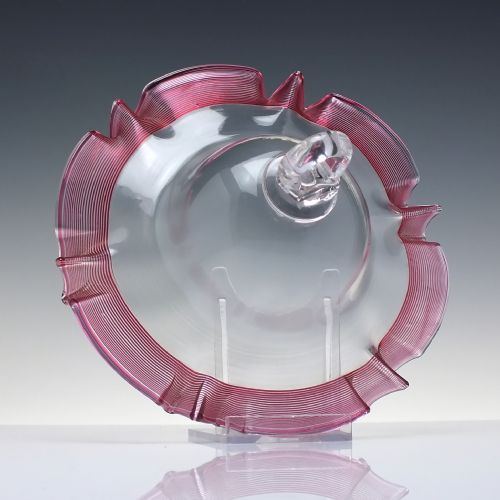


Clear Glass Display Jar
These clear glass display jars span the Victorian and Edwardian eras, combining practical apothecary storage with protective display domes for botanical and taxidermy specimens.
Clear Glass Display Jar
A clear glass display jar serves to protect and exhibit delicate objects, spanning utilitarian apothecary vessels and decorative domes for taxidermy or botany.
The pieces on this page originate primarily from the Victorian and Edwardian periods, including French apothecary jars and English specimen covers.
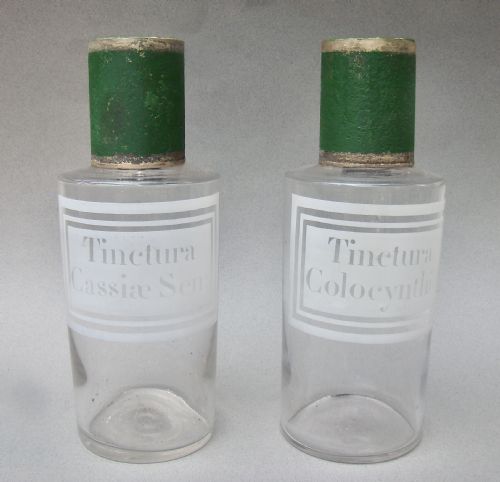
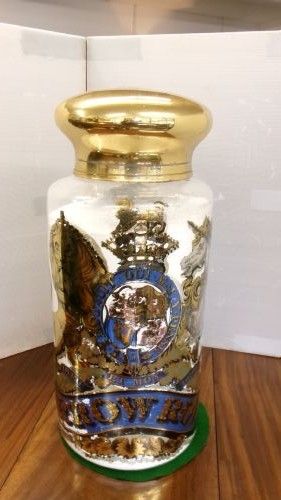
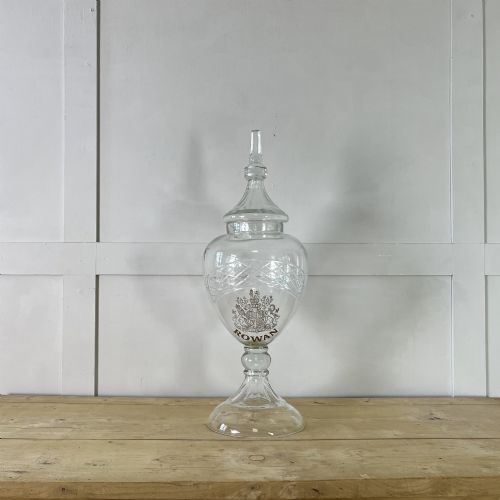
Forms range from large lidded storage jars bearing chemist labels like arrowroot or gelatine to tall oval and round domes mounted on wooden bases.
How they were made
Vessels and covers utilise blown and cut glass techniques, producing heavy walls with optical clarity suitable for retail or scientific display.
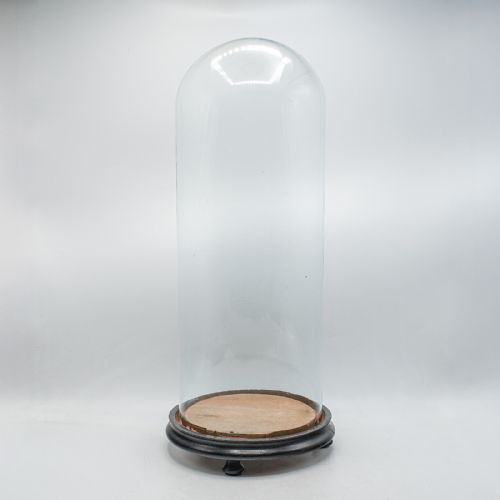
Bases are constructed from timbers such as oak, beech, pine, and ebonised wood, occasionally finished with paint, gold leaf, velvet, felt, or fabric linings to cushion displayed items.
Several Victorian domes were specifically sized to preserve delicate taxidermy arrangements and stuffed squirrels under protective glass.
What varies in quality
Quality rests in the clarity and weight of the blown glass, where older pieces often display subtle bubbles and hand-cut facets.
The craftsmanship of the wooden base and its interior lining, from simple turned pine to ebonised and gilded surrounds, elevates the status of the display.
The Clear Glass Display Jar Glossary
- Apothecary jar
- A lidded glass container originally used in pharmacies to store medicinal herbs, chemicals, or substances. These often feature etched lettering or painted labels.
- Dome and cloche
- A bell-shaped glass cover designed to fit over a base, protecting clocks, taxidermy, or botanical specimens from dust. They are also known as glass shades.
- Carboy
- A large, bulbous glass vessel utilised for holding liquids in industrial or chemist settings. They appear in larger sizes within these listings.
- Diorama dome
- An oval or round glass cover paired with a base arranged to hold three-dimensional scenes, such as still life fruits or taxidermy. These highlight preserved natural specimens.
Clear Glass Display Jar: Frequently Asked Questions
What were glass display jars used for?
These vessels held dry medical ingredients, herbs, and chemicals in 19th-century shops and dispensaries. They kept contents visible while sealing out moisture and dust.
Larger versions and domes protected delicate scientific specimens, clocks, and taxidermy displays in homes and laboratories.
How do I tell Victorian from Edwardian domes?
Victorian examples tend to feature heavier, hand-blown glass with occasional minor imperfections and deep wood bases like ebonised timber or mahogany. They often house elaborate taxidermy or still-life arrangements.
Edwardian pieces frequently display simpler turned wooden bases in lighter woods like oak or beech, paired with clearer, more uniform machine-drawn glass.
How do I clean an antique glass dome?
Dust the exterior gently with a dry microfibre cloth to avoid putting pressure on old, thin glass. For stubborn marks, use a mild glass cleaner applied to the cloth rather than directly onto the surface.
Take care near the bottom edges where old glass meets wooden or fabric-lined bases to prevent moisture seeping into historical materials.
Are wooden bases always original to the glass?
Most period domes and jars retain their matching timber bases, which show appropriate wear corresponding to the age of the glass. Pine, oak, and beech were standard choices for the respective eras.
Because glass and bases were separate components, replacements occurred over time, making a snug fit and matching patina good indicators of originality.