
Giltwood Rectangular Mirror
A giltwood rectangular mirror brings warmth and reflective depth to a room through centuries of craftsmanship.
Giltwood Rectangular Mirror
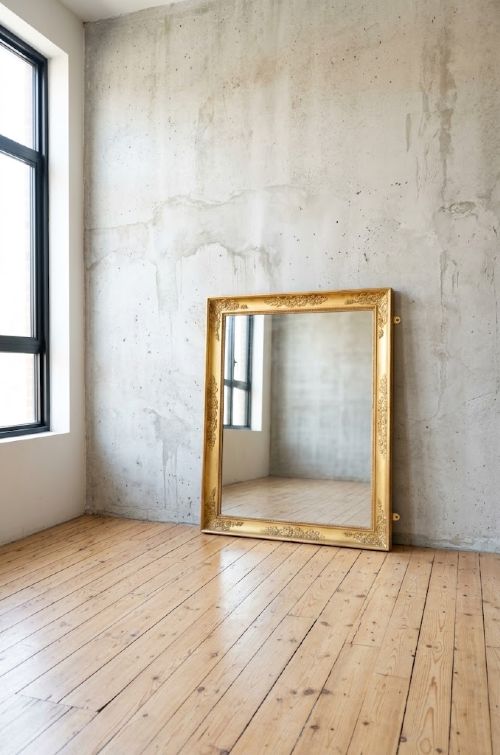
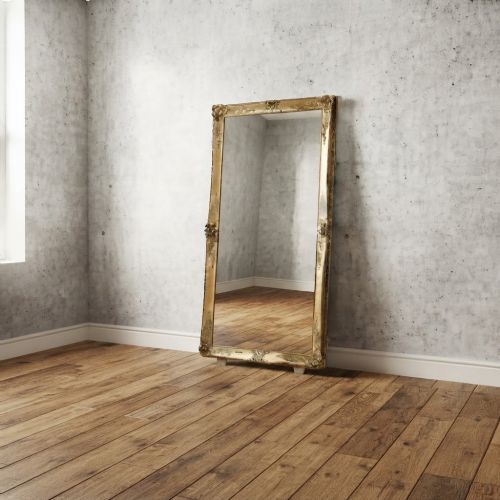
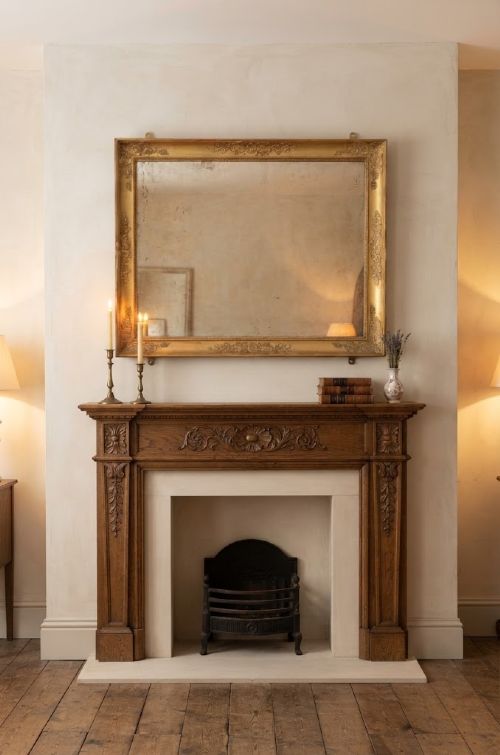
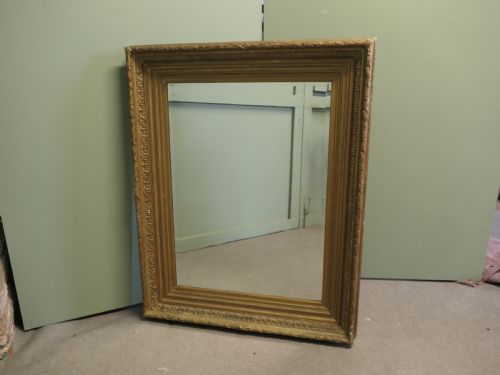
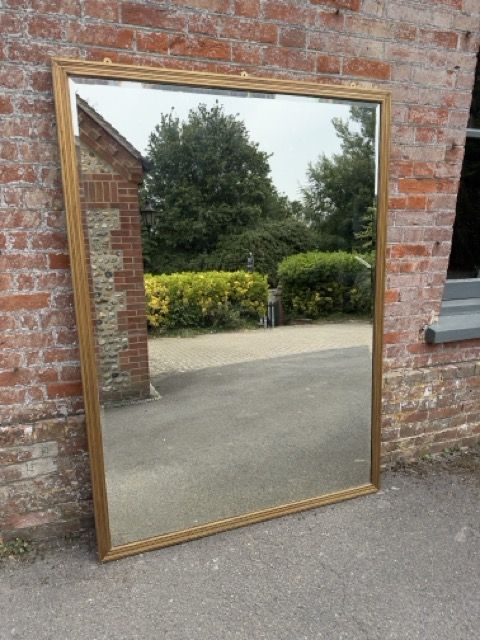
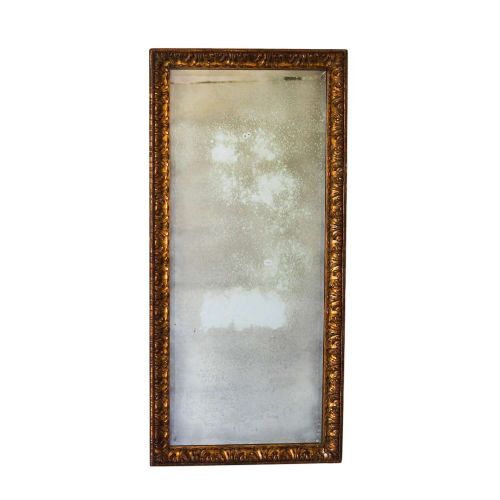
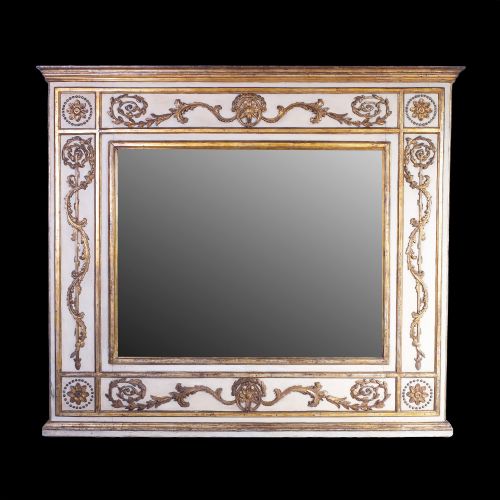
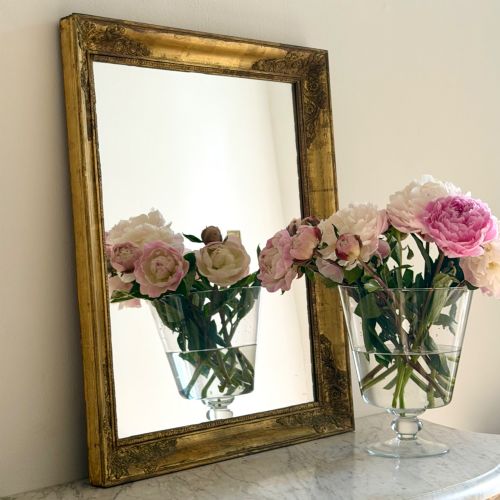
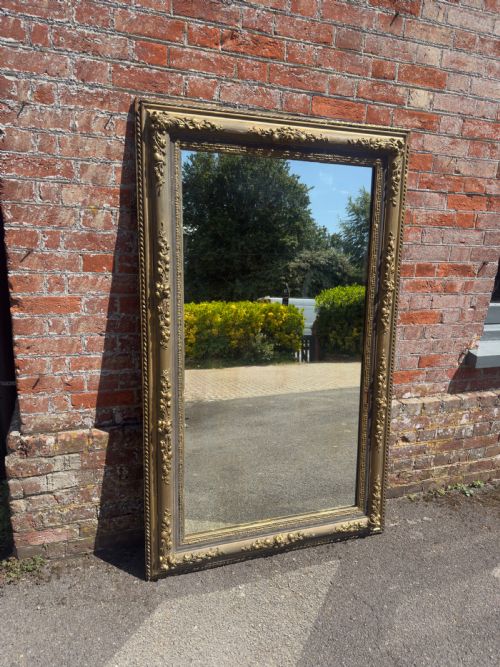
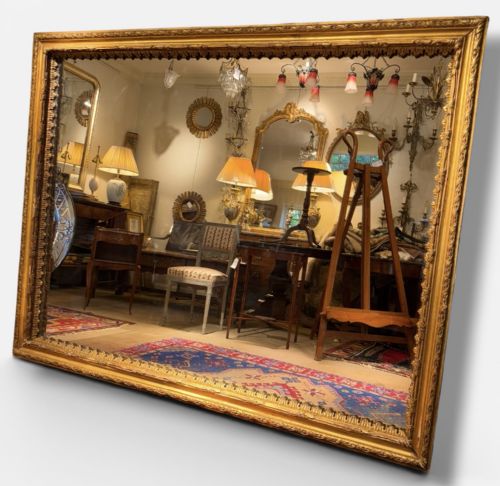
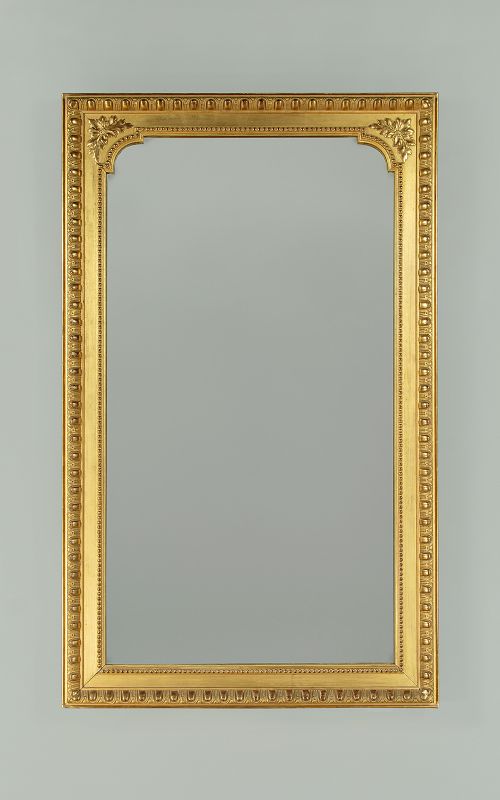
A giltwood rectangular mirror functions primarily as a wall-hanging or overmantel piece, designed to catch light and anchor a room's interior scheme. When searching for a giltwood rectangular mirror, buyers encounter numerous nineteenth-century English and French examples, including overmantels, pier mirrors, and leaner formats.
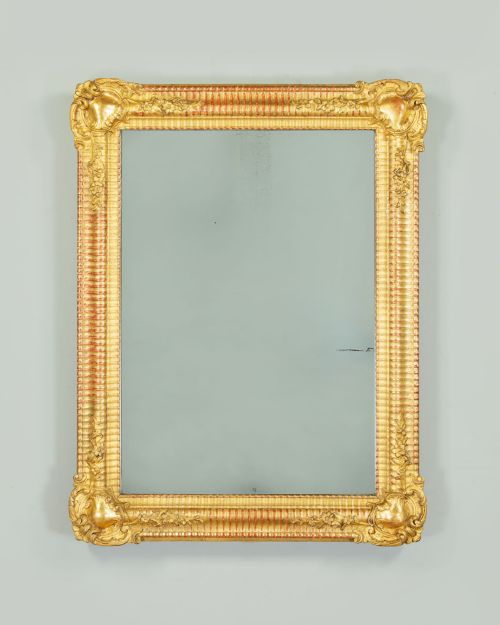
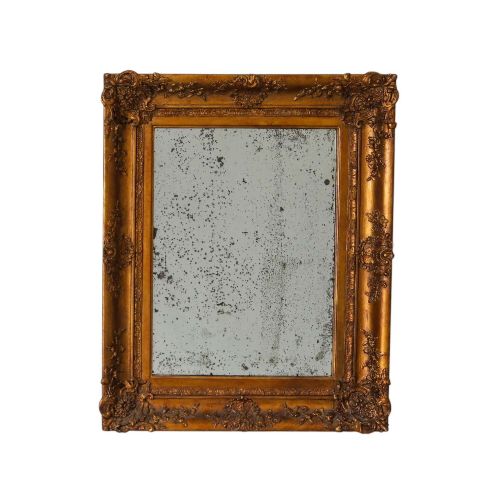
The evidence shows forms ranging from compact Victorian wall mirrors to expansive French chateau leaner mirrors exceeding two metres in height. Styles span classical Regency lines, ornate Victorian Rococo revival motifs, and Florentine carved frames.
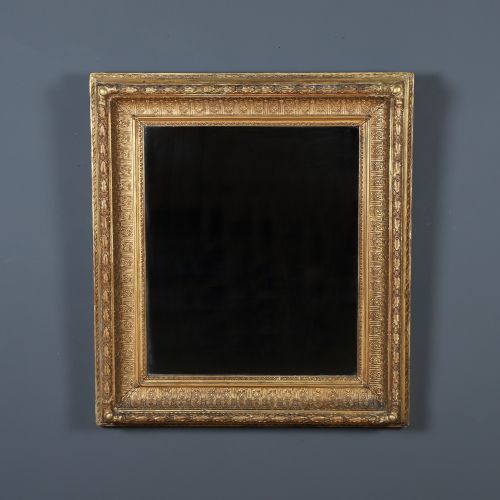
Most pieces date from the nineteenth century, utilising wood, gesso, and gold leaf or composition to create decorative surfaces adorned with floral and mythological carvings.
How they were made
Carpenters constructed the primary frames from timber such as pine and wood, applying layers of gesso to build up intricate relief details like floral and mythological carvings. Artisans then laid gold leaf or applied oil gilding over the prepared surface, often complemented by painted elements.
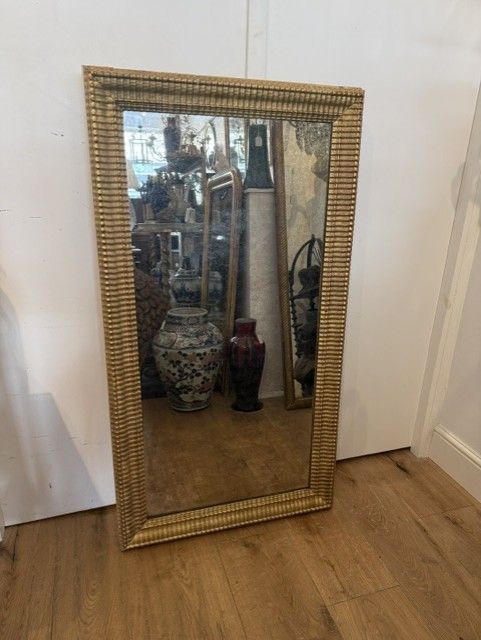
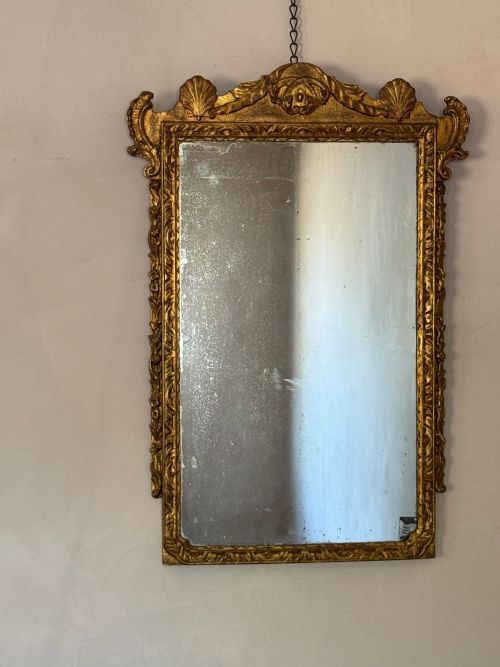
Mirror plates consisted of traditional glass, sometimes remaining original with foxed plates or replaced with new glass during restoration. Frame construction varied between simple ribbed mouldings, ripple frames, cushion frames, and deeply carved, ornate architectural surrounds.
Giltwood Rectangular Mirror Retail Price Guide 2026
Typical asking prices for giltwood rectangular mirror among the pieces listed under this phrase on Sellingantiques today, from the lower quarter to the upper quarter. They describe what is for sale here now, not the wider market.
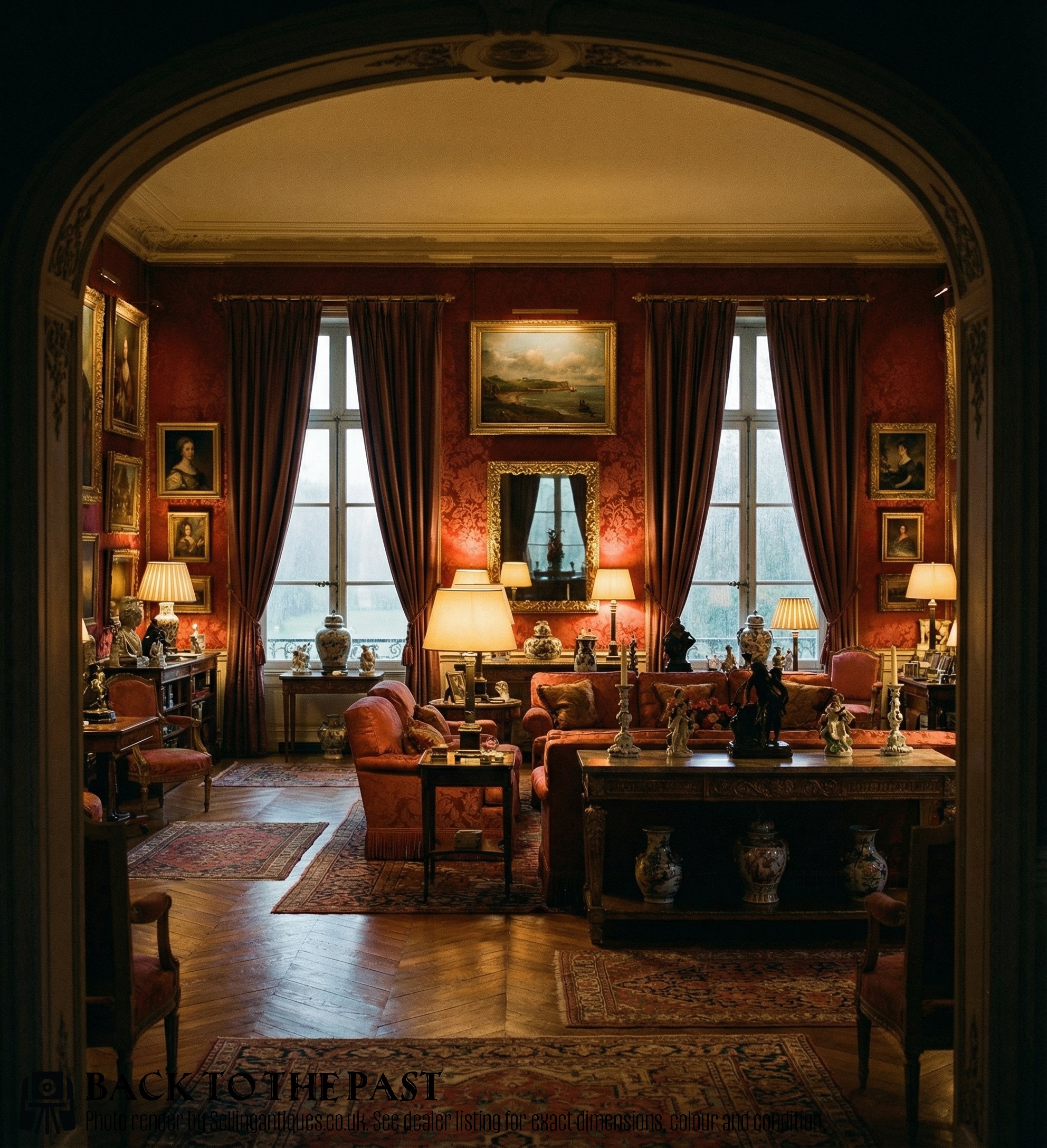
Several mirrors have watched the same French chateau fireplace for generations before crossing the channel.
What varies in quality
Quality rests in the crispness and depth of the hand-carved wood and gesso ornamentation, where sharply defined floral and mythological details distinguish superior frames from softer casts. The application of gold leaf versus cheaper composition or paint finishes alters both the brilliance and the ageing process of the surface.
The integrity of the frame construction and the preservation of the original mirror plate, including desirable foxing, separate standard decorative pieces from finer examples originating from English country houses and French ateliers.
The Giltwood Rectangular Mirror Glossary
- Giltwood
- Wood that has been coated with gold leaf or gold paint. This technique provides a luminous metallic finish characteristic of formal antique mirrors.
- Gesso
- A plaster-like mixture applied to wood frames and carved before gilding. It allows artisans to create high-relief ornamentation and smooth decorative surfaces.
- Overmantel mirror
- A large mirror designed to hang above a fireplace mantelpiece. These pieces frequently feature horizontal rectangular proportions suited to interior chimney breasts.
- Pier mirror
- A tall, narrow mirror traditionally hung on the wall space between two windows. They often reflect additional light into darker Victorian and Regency rooms.
- Foxed plate
- Mirror glass displaying dark spots and blemishes caused by the degradation of the backing over time. Collectors often value this natural ageing as a sign of authenticity.
Giltwood Rectangular Mirror: Frequently Asked Questions
Where should I hang a giltwood rectangular mirror?
These mirrors suit placement above a fireplace mantelpiece, in a hallway, or as a full-length leaner against a bedroom wall.
Their reflective glass and gilded frames help distribute light into darker corners while serving as a central decorative focal point.
How do I identify a nineteenth-century mirror?
Examine the construction materials, frame joinery, and the backboards for signs of age such as hand-cut fixings and oxidized timber.
Nineteenth-century examples frequently combine pine frames with gesso relief work and hand-applied gold leaf.
Are mirror plates usually original?
Many surviving pieces retain their original glass, which often exhibits characteristic foxing, light clouding, or minor oxidation.
Some pieces feature replacement glass installed during later maintenance to provide a clearer reflection.