

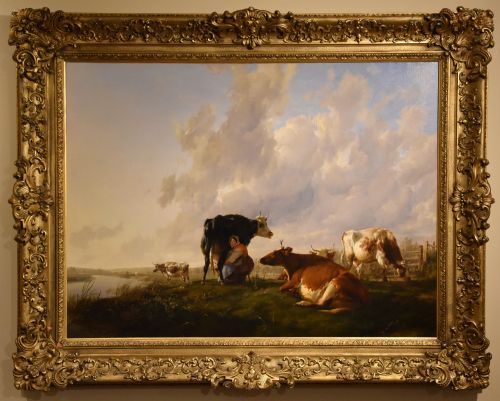
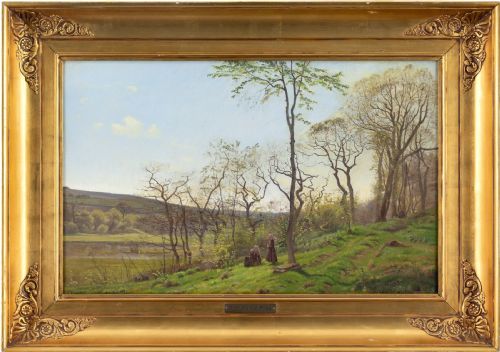
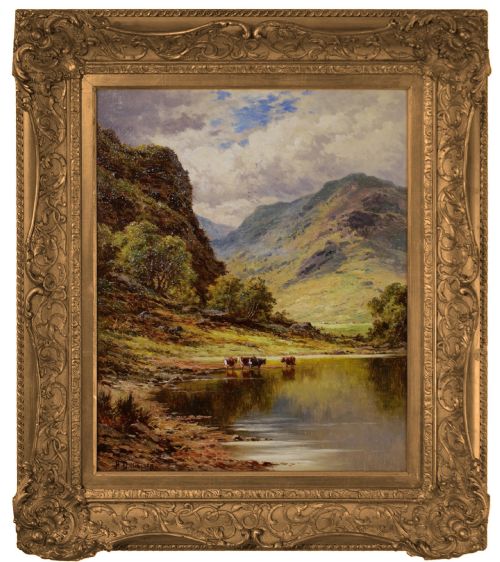
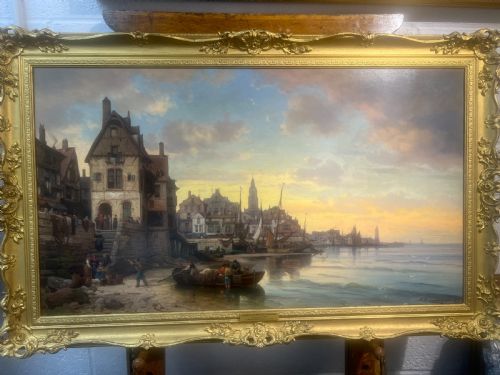
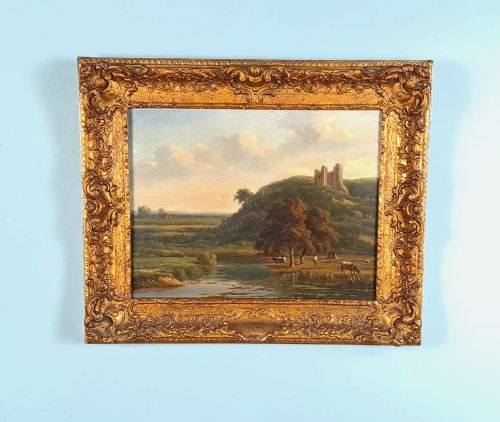
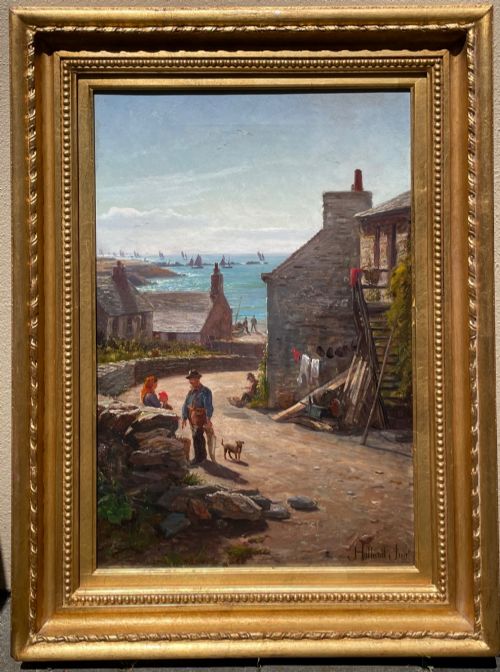
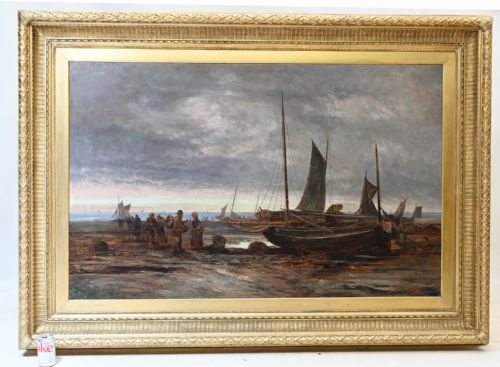
Giltwood Framed Landscape
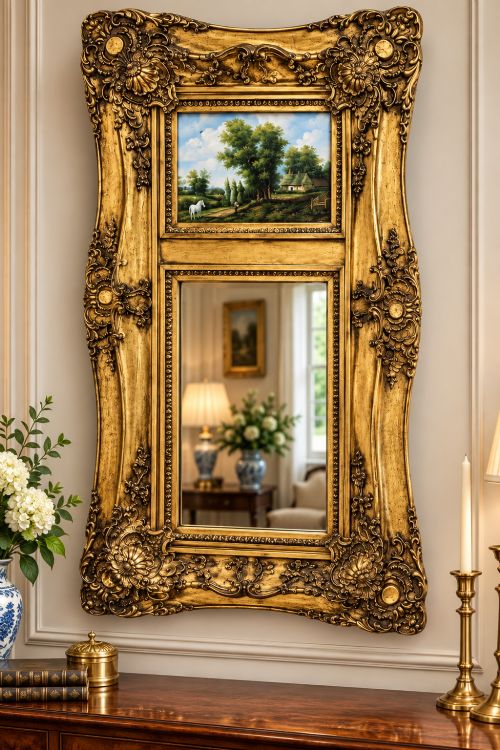
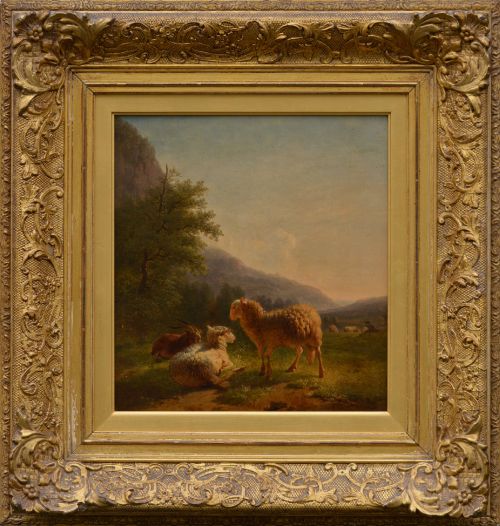
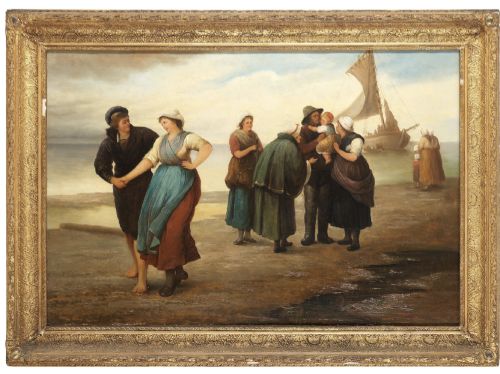
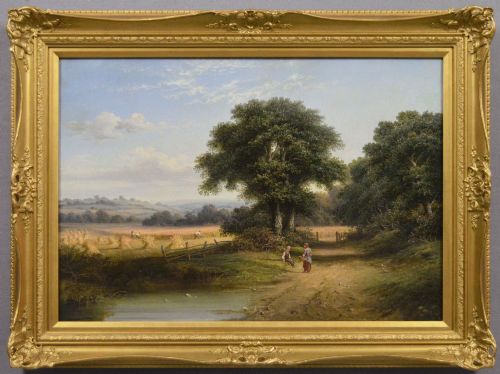
These giltwood framed landscape works unite carved wooden frames with oil paint on canvas to anchor traditional interiors.
Giltwood Framed Landscape
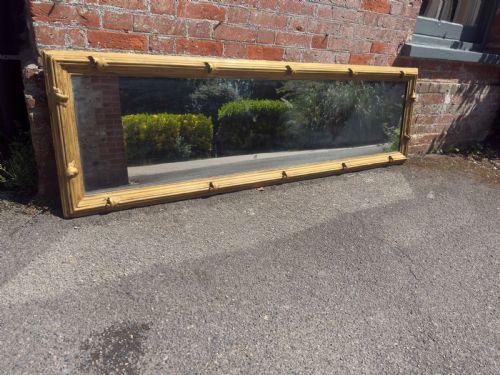
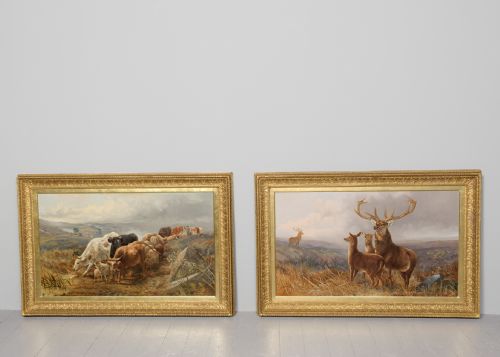
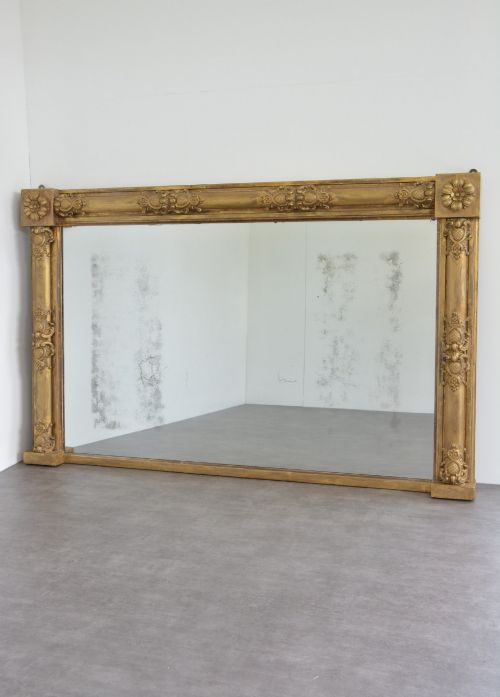
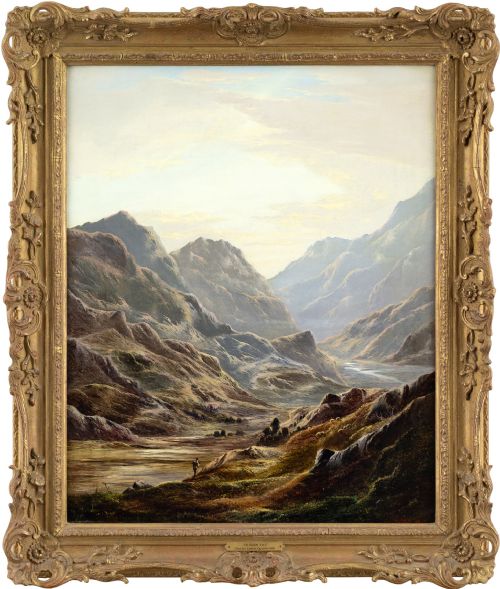
A giltwood framed landscape brings together traditional oil paintings and carved mirrors designed to capture pastoral, maritime, or classical scenes within a gilded setting. Buyers searching for a giltwood framed landscape encounter works originating primarily from the 18th century, the Regency era, and the Victorian period.
The selections span oil paintings on canvas or board alongside carved wood and gesso mirrors with gilded surfaces. These pieces function as focal points in traditional rooms, serving as either expansive wall art or architectural overmantel mirrors.
Most examples hail from British, French, Dutch, and Danish schools of the 19th century, featuring subjects from harvest fields and coastal views to mountain ranges.
How They Were Made
Makers constructed the frames using carved wood and applied gesso layers to build up relief details before finishing the surfaces with gold leaf. Artists painted the landscape scenes using oil paint on stretched canvas or wooden panels.
The gilding process required meticulous application of fine gold leaf over prepared gesso grounds to achieve a luminous, reflective metallic sheen. Craftsmen shaped intricate mouldings for mirrors and picture frames by hand, often incorporating neoclassical motifs or floral scrollwork.
Materials recorded across the inventory include giltwood, gesso, oil on canvas, oak panels, and glass.
What Varies in Quality
The depth and precision of the carved wood and gesso ornamentation dictate the calibre of the frame, with hand-tooled details surpassing simpler moulded compositions. In the paintings, the subtlety of brushwork, handling of light, and anatomical accuracy of figures or animals distinguish finer works.
The preservation of the original gold leaf surface and the clarity of the underlying gesso influence desirability. Mirror glasses show varying degrees of age-related foxing, while canvases maintain different states of original tension and surface cleaning.
Eugène Verboeckhoven·Benjamin Barker of Bath·Walter Heath Williams·Thomas Sidney Cooper·Harald Foss·Henry H. Parker·Charles Euphraisie Kuasseg·Robert Cleminson·Charles Leslie·T C Hofland·John Holland·George Morland·Pieter Cornelis Dommersen·John Hamilton Mortimer·James Mallard Bromley·Henry John Boddington·Cornelis Christian Dommersen·Johannes Philippus Galjaard·Frederick Waters Watts·Percival Glenfern
The Giltwood Framed Landscape Glossary
- Giltwood
- Wood that has been coated with gold leaf or gold paint. This finish creates a bright, reflective surface characteristic of formal antique frames and mirrors.
- Gesso
- A plaster-like mixture applied to wood frames to create a smooth base for carving and gilding. Artisans built up relief decorations in this material before applying gold leaf.
- Overmantel Mirror
- A large mirror designed to hang above a fireplace mantel. These architectural pieces often feature landscape scenes or tripartite glass panels within gilt frames.
- Foxing
- Brown age spots or discolouration appearing on mirror glass or paper. This chemical process occurs naturally over decades due to oxidation.
- Trumeau
- A decorative wall mirror or panel featuring a painted or carved scene above the glass. These pieces were popular in period interiors for vertical wall spaces.
Giltwood Framed Landscape: Frequently Asked Questions
How do I hang a heavy giltwood framed landscape?
These substantial pieces require secure wall fixings distributed evenly across the primary wooden structure of the frame. Heavy mirrors and large canvases benefit from professional installation using appropriate wall anchors.
Verify that the hanging wire or brackets attached to the back are rated for the considerable weight of carved wood, gesso, and glass.
What is the difference between a pier mirror and an overmantel mirror?
Pier mirrors were built to hang on the narrow wall space between windows, often featuring tall, vertical proportions and decorative panels. Overmantel mirrors are wider horizontally to sit comfortably above a fireplace hearth.
Both forms utilise giltwood frames, but their intended architectural placement dictates their distinct dimensions.
How should I clean a antique giltwood frame?
Dust the carved surfaces gently with a soft, dry brush to remove particulate matter without disturbing the delicate gold leaf. Avoid liquid cleaners, polishes, or abrasive cloths that can strip or dull the historic gilding.
Professional conservators should handle any repairs to chipped gesso or worn metallic leaf.
Can I date a painting by its frame?
Frames and paintings were frequently paired together centuries ago, though original combinations remain highly desirable. Stylistic clues in the gesso moulding and carving techniques help establish the period of the frame.
Neoclassical motifs suggest the Regency or late Georgian eras, while heavier floral relief work often points to Victorian production.