
Giltwood Framed Canvas
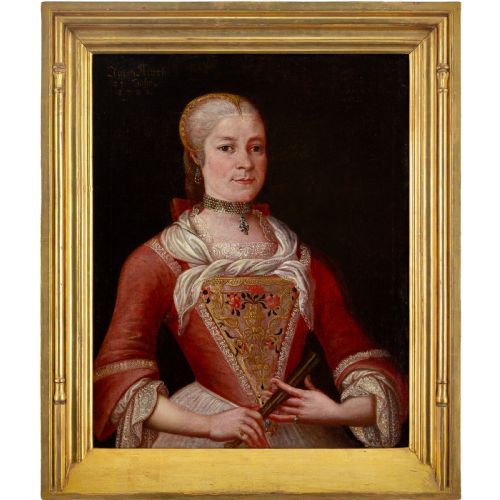
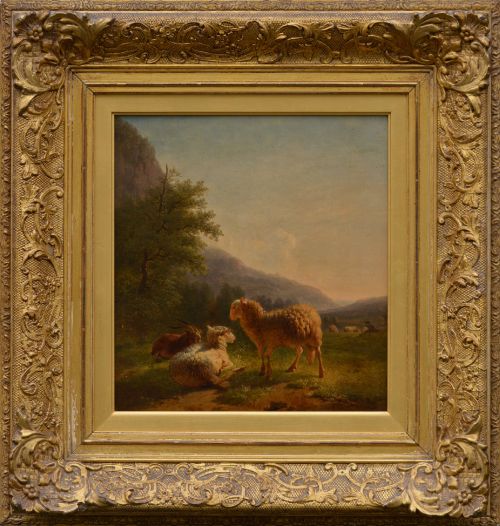
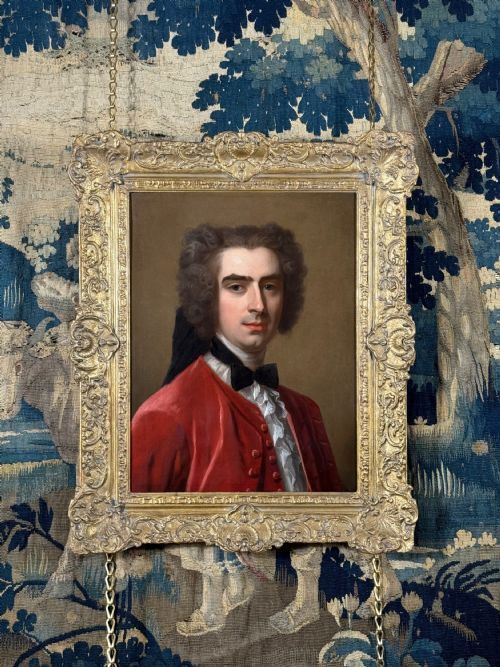
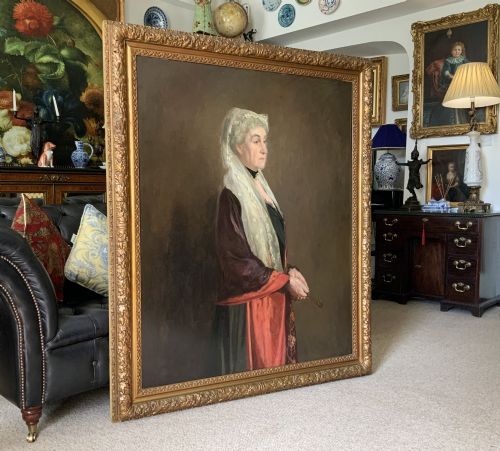
Giltwood framed canvas brings together historic oil paintings and ornate wooden surrounds that define centuries of classical portraiture and landscape art.
Giltwood Framed Canvas
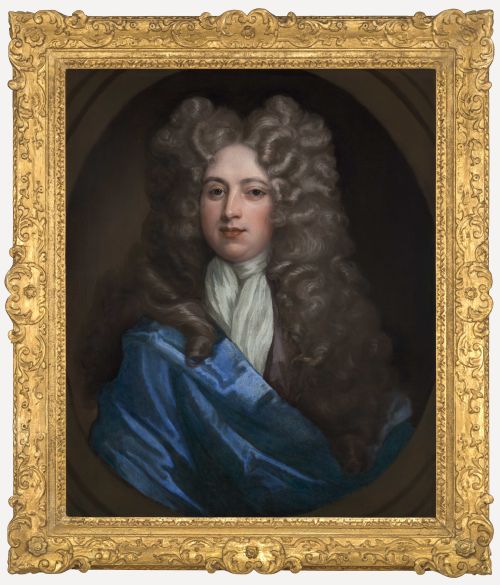
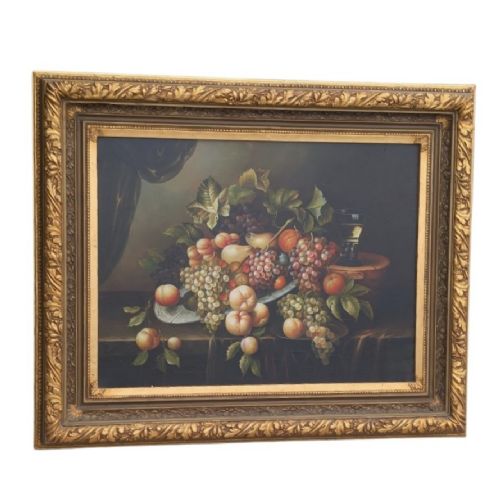
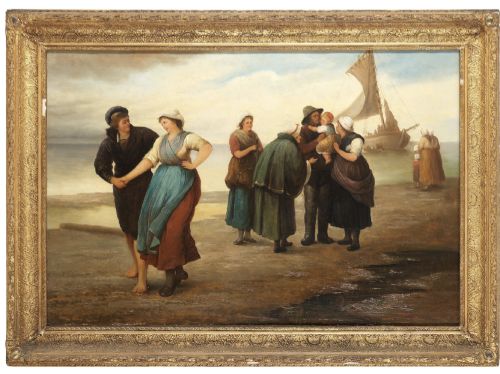
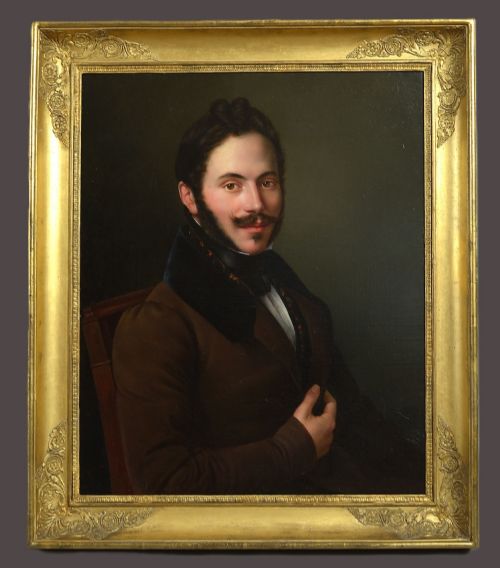
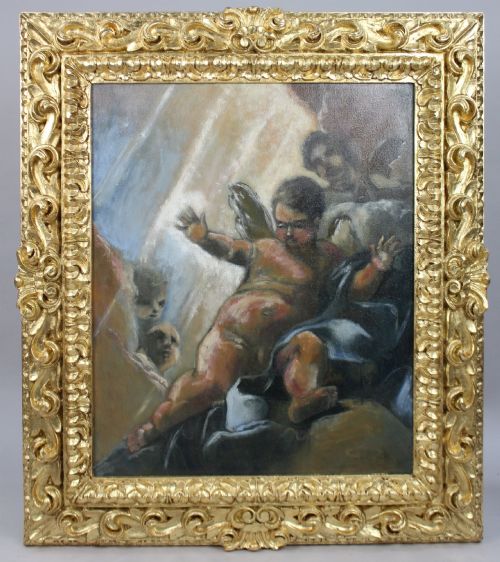
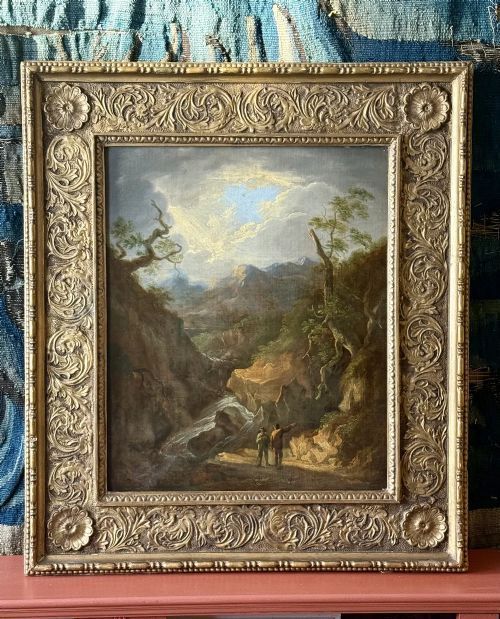
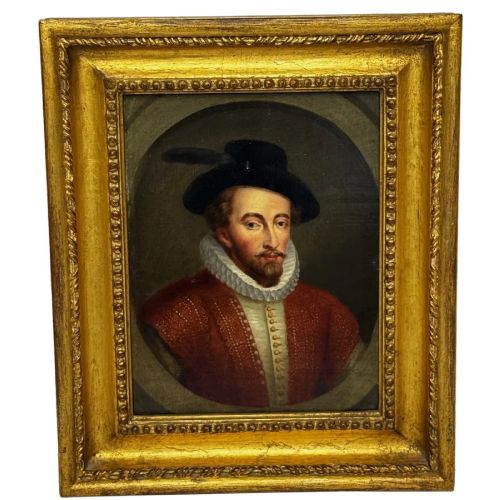
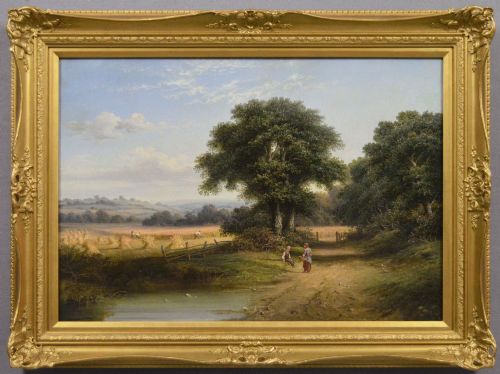
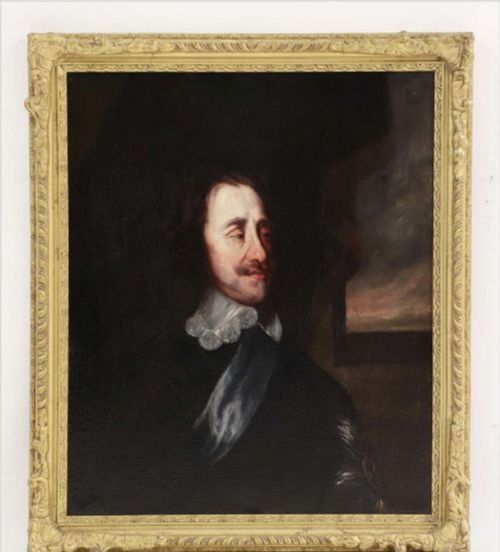
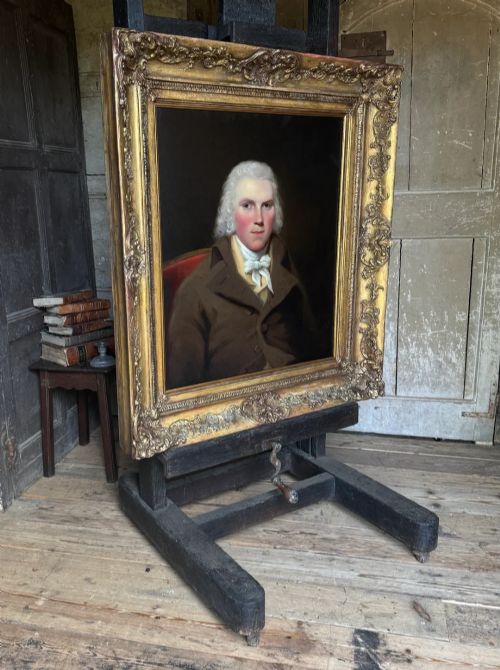
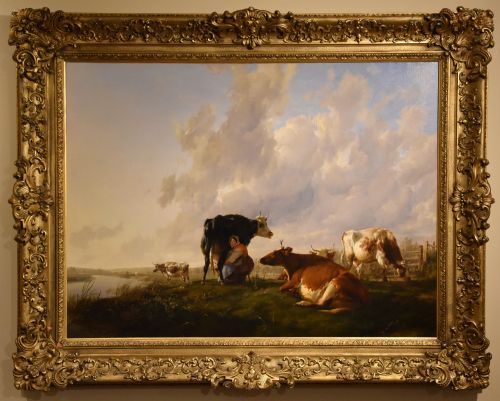
A giltwood framed canvas combines oil paint applied to woven fabric with a decorative wooden perimeter finished in gold leaf or gesso. These works span multiple centuries, ranging from seventeenth-century portraits to nineteenth-century romantic landscapes.
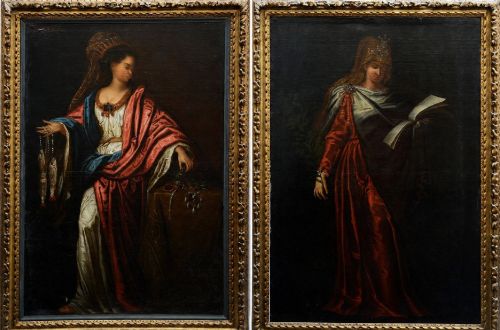
The objects listed on this page appear predominantly as framed artwork, including individual oil paintings, pairs, and monumental pieces. Subject matter varies from maritime scenes and tavern interiors to depictions of nobility and military officers.
Stylistic influences recorded in the evidence cover Victorian, Georgian, Baroque, and Rococo periods. Buyers encounter both signed works by known artists and pieces attributed to specific historical schools.
Materials and construction methods
The primary support comprises oil paint on stretched canvas, while the surrounding structure utilises timber such as wood prepared with gesso. Artisans then applied gold leaf to the moulded surfaces to achieve a luminous metallic finish.
Carving techniques on the frames dictate the depth of relief, often featuring scrolling foliage or geometric patterns designed to complement the period of the painting. The canvas itself remains secured behind the rebate of the frame, occasionally protected by later restorations.
Listings span centuries from the sixteenth to the twentieth, featuring oil on canvas mediums within gesso and giltwood frames across various European schools.
Factors influencing quality
Quality in a giltwood framed canvas rests on the preservation of both the painted surface and the original gilding. Finer works retain crisp hand-carved details in the wooden frame without excessive losses to the gold leaf.
The skill of the artist dictates the depth of the oil painting, visible in the handling of fabric folds, facial expressions, and atmospheric perspective. Original pairings and monumental proportions further distinguish superior examples from standard decorative pieces.
Eugène Verboeckhoven·Jean-Baptiste van Loo·Thomas Murray·Edouard Pingret·Benjamin Barker of Bath·Walter Heath Williams·Thomas Sidney Cooper·Toussaint Gelton·Harald Foss·Francis Hayman·Henry H. Parker·Charles Euphraisie Kuasseg·Sir Anthony van Dyck·Henry Pickering·Edgar Hunt·Robert Cleminson·Charles Leslie·Renato Moretti·Thomas Kent Pelham·John Holland·Nicolaes Maes·John Arthur Lomax·Benvenuto Tisi
The Giltwood Framed Canvas Glossary
- Giltwood
- Wood decorated with gold leaf or gold dust applied over a prepared surface. This finish provides the characteristic metallic sheen seen on antique picture frames.
- Gesso
- A plaster-like mixture applied to wood frames to create a smooth surface for carving and gilding. It allows craftsmen to mould intricate relief ornamentation before applying gold leaf.
- Oil on Canvas
- A painting medium where pigments are suspended in drying oils and applied to a woven fabric support. This combination offers flexibility and durability over centuries.
- Baroque
- An artistic style prevalent from the seventeenth into the eighteenth century, characterised by drama, rich detail, and grand scale. Pieces from this era often feature deep, dynamic compositions.
- Rococo
- An eighteenth-century style known for asymmetrical designs, scrollwork, and lighter pastel aesthetics. Frames from this period display ornate, flowing floral motifs.
Giltwood Framed Canvas: Frequently Asked Questions
How do I date a giltwood frame?
Dating relies on the profile of the wooden moulding, the composition of the underlying gesso, and the ageing of the gold leaf. Earlier frames often feature hand-carved wooden ornament, whereas later Victorian examples utilise moulded plaster compositions.
Examining the construction joints at the reverse corners provides further evidence of the period. Master craftsmen changed their assembly methods across the seventeenth, eighteenth, and nineteenth centuries.
Are these paintings original or reproductions?
The listings consist of antique oil paintings created across the sixteenth to early twentieth centuries. Each canvas reflects the painting techniques, pigments, and canvas weaves characteristic of its specific historical era.
Signatures, historical attributions, and subject matter help confirm the period of origin. Archival records and stylistic traits link many works to known schools or individual artists.
What subjects are most common?
Portraiture forms a significant portion of the selection, depicting gentlemen, ladies, military officers, and nobility. These portraits often capture the sitter in formal attire with detailed period costume.
Landscape and maritime scenes also appear frequently, capturing harvest fields, coastal waters, and mountainous terrain. Animal studies and domestic interiors represent other prominent themes from the Victorian era.