

Traditional Kitchen Art
Traditional kitchen art brings character to a room through centuries of fine dining furniture and oil paintings.
Traditional Kitchen Art
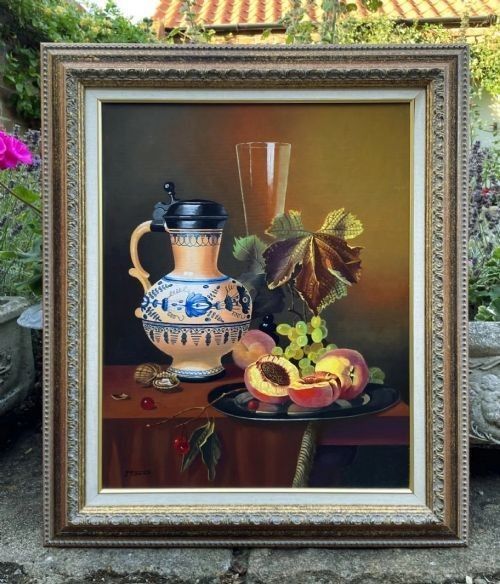
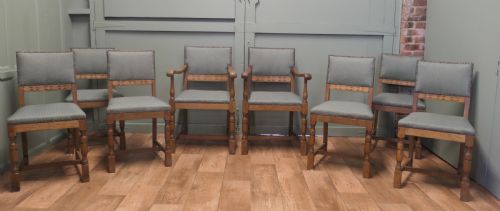
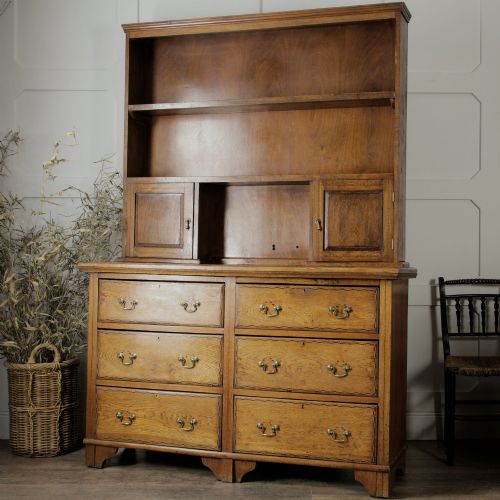
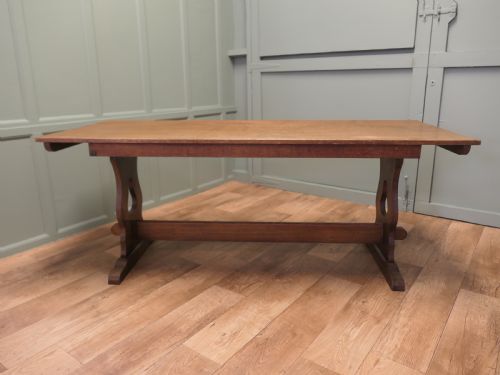
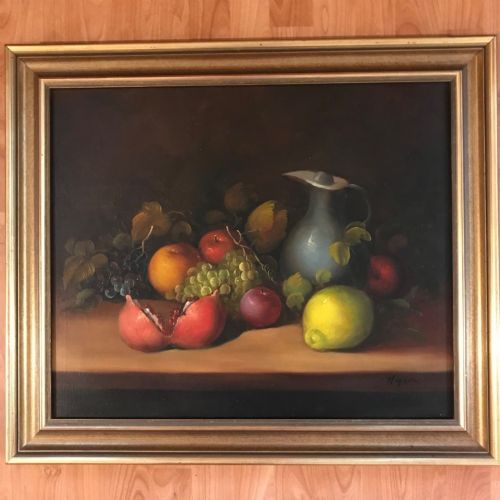
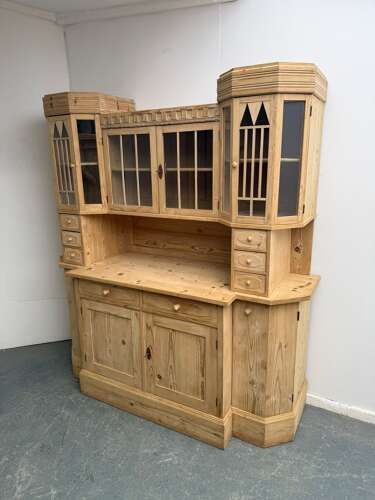
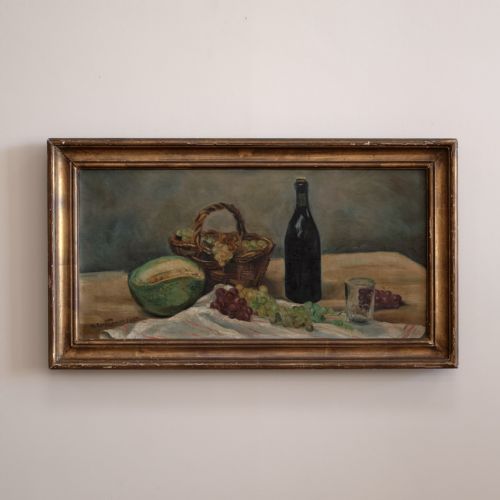
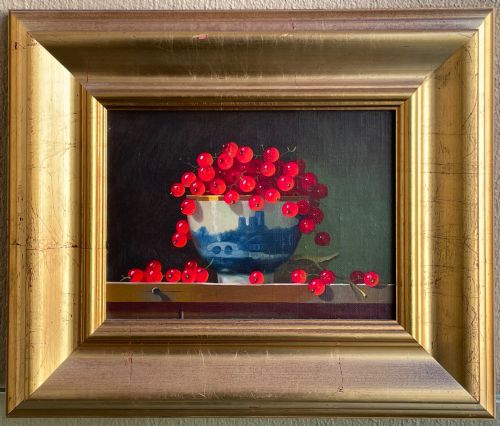
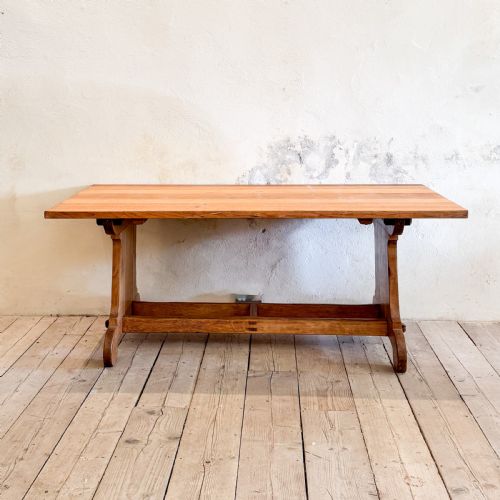
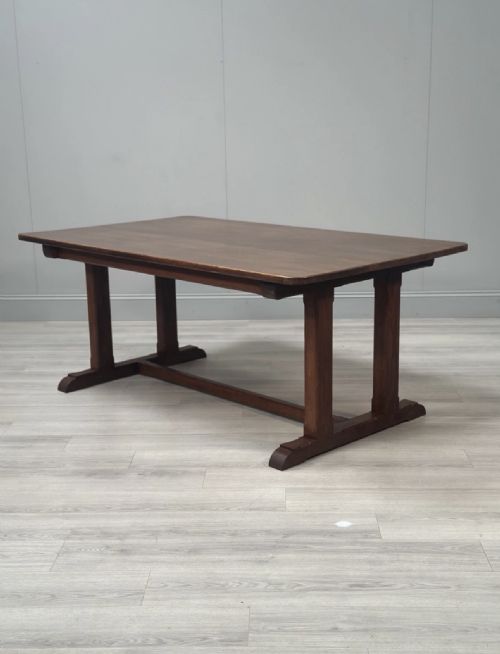
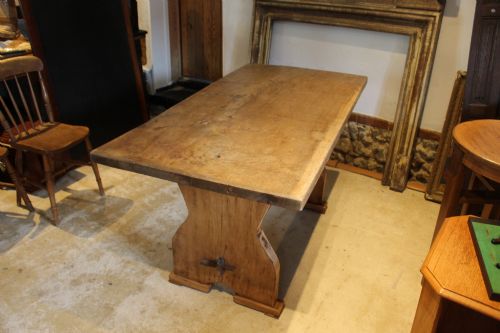
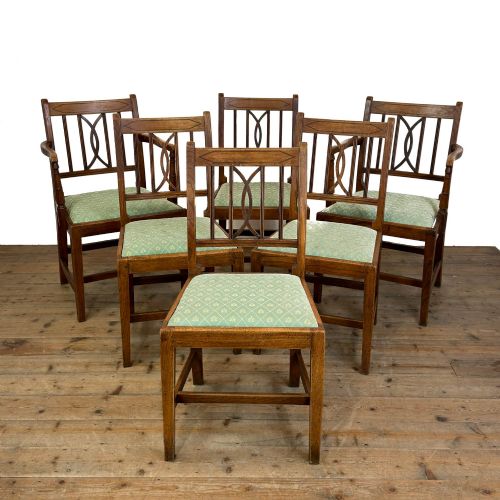
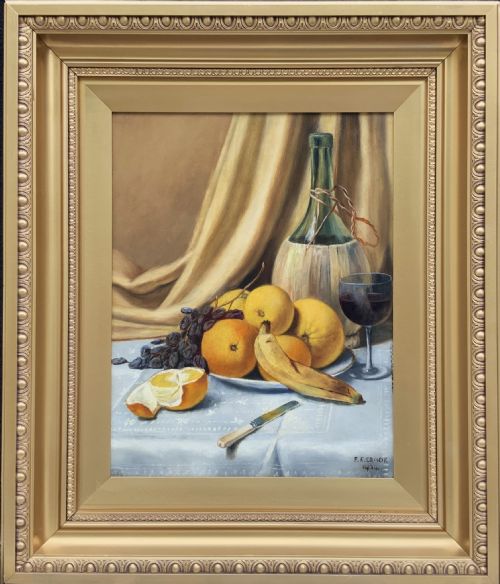
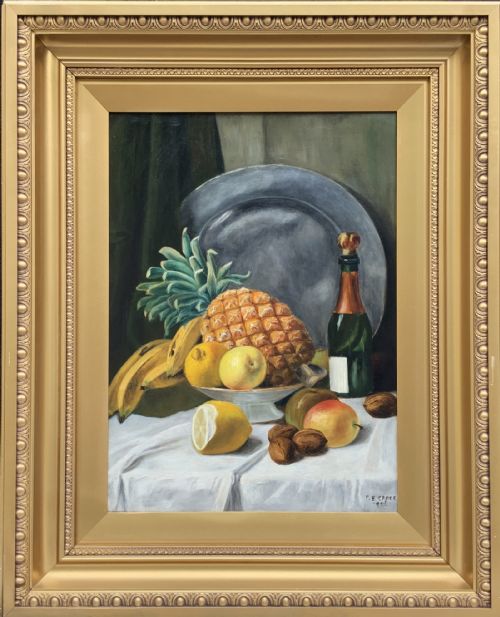
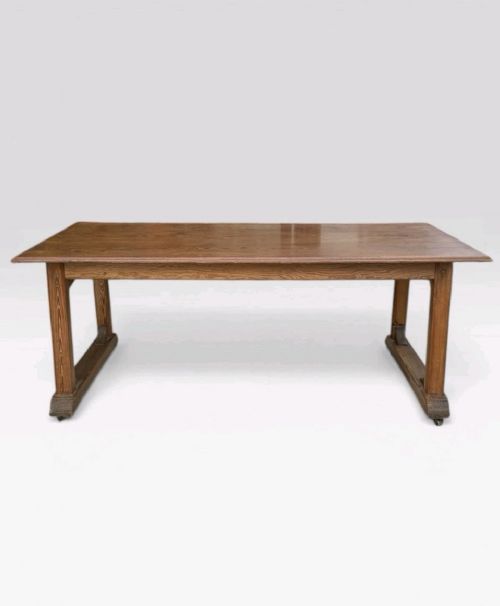
Traditional kitchen art encompasses solid wood dining furniture and still life oil paintings spanning the nineteenth and twentieth centuries. Buyers seeking traditional kitchen art encounter sturdy oak refectory tables, kitchen dressers, and canvas fruit studies.
The pieces reflect domestic life and utility across English, Edwardian, and folk art traditions. Oak chairs, painted pine cupboards, and framed oil panels dominate the selection available on this page.
Materials and construction
Carpenters utilised solid oak, pine, and mixed woods to build lasting dining tables, benches, and dressers. Joinery techniques from the nineteenth and early twentieth centuries relied on heavy timbers and pegged joints rather than modern fasteners.
Artists painted still life subjects and kitchen interiors on canvas and wood panels using oil and watercolour. Frames were frequently fashioned from solid wood and gilded details to complement the canvas.
Several centuries of domestic life captured on canvas suggest that past households spent a remarkable amount of time staring intensely at apples.
Judging quality in these pieces
Quality rests in the weight of the timber, the depth of the carved or turned details, and the preservation of original painted surfaces. Superior tables and cupboards display dense oak grain and robust structural joinery.
In paintings, quality shows in the brushwork of fruit and interior scenes, alongside the authenticity of period frames. Unaltered patination on pine dressers and oak chairs indicates superior historical survival.
Ian Parker·Leonardo Morello·Gustav Goemans·John Robertson Reid·Pauline Delacroix Garnier·Jan Steen
The Traditional Kitchen Art Glossary
- Refectory table
- A long dining table traditionally used in communal dining halls and constructed from solid timber such as oak.
- Still life
- An artwork depicting inanimate subject matter, typically commonplace objects such as fruit, flowers, or kitchen utensils.
- Dresser
- A piece of kitchen storage furniture combining lower cupboards or drawers with upper display shelving for crockery.
- Folk art
- Art produced by indigenous or untrained artists working within a popular tradition, often featuring painted pine surfaces.
- Oil on canvas
- Pigment mixed with a drying oil binder applied to a stretched canvas support, common in nineteenth century art.
Traditional Kitchen Art: Frequently Asked Questions
How do I clean an old oak table?
Wipe surfaces gently with a dry or barely damp cloth to remove dust without damaging the timber.
Avoid chemical polishes that build up residue over decades of use.
Where should I hang a still life painting?
Display oil paintings away from direct sunlight and damp kitchen heat to protect the canvas and pigments.
Dining rooms and traditional kitchens offer a natural setting for fruit and interior studies.
How do I date a pine dresser?
Examine the construction methods, drawer dovetails, and tool marks left by the carpenter.
Original paint layers and backboards provide further clues to the nineteenth or early twentieth century origin.
Are refectory tables practical for daily dining?
Solid oak refectory tables provide sturdy surfaces designed for heavy daily use and seating large families.
Ensure you measure chair clearance beneath the aprons before pairing seats with the table.