


Canvas Wall Hanging Art
Canvas wall hanging art brings texture and historic pigment directly to a room, offering large-scale presence through oil paint, wool, and mounted fabric panels.
Canvas Wall Hanging Art
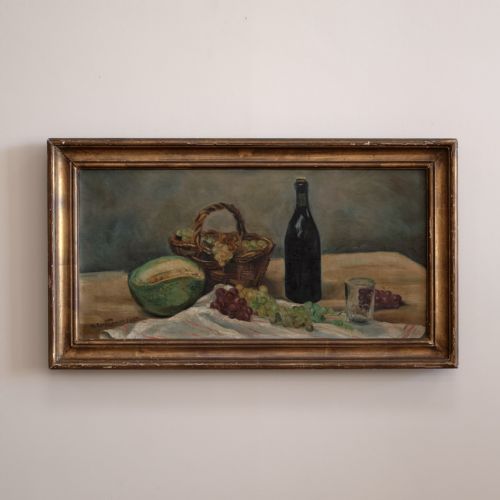
Canvas wall hanging art comprises oil paintings, decorative panels, and framed artwork spanning the eighteenth, nineteenth, and early twentieth centuries. Buyers search this phrase to find substantial decorative textiles and painted cloths intended for prominent interior display.
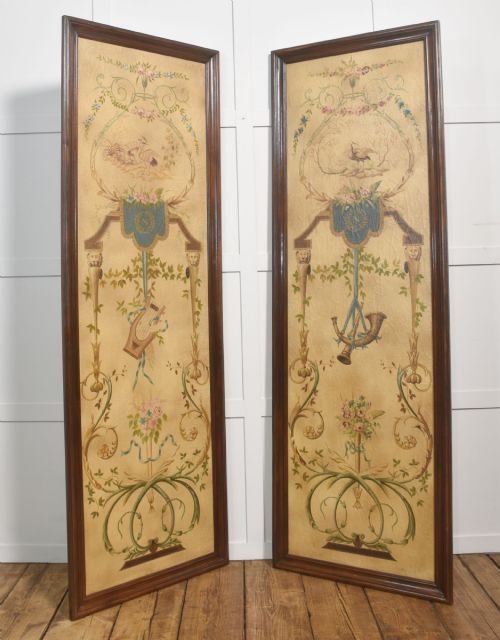
The selections on this page centre on European and Indian traditions, ranging from French Chinoiserie and Neoclassical panels to British still lifes and Indian painted wall cloths. Each piece utilises traditional mounting or framing methods appropriate to its period and geographical origin.
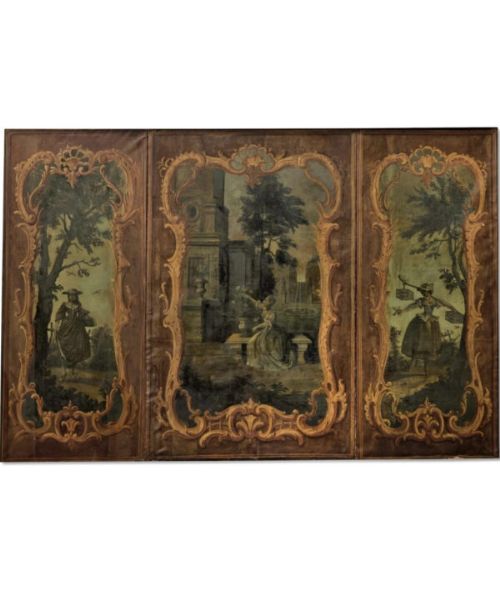
Victorian, Edwardian, and French Chateau styles dominate the current offerings, alongside specific works from the nineteenth and early twentieth centuries. These pieces function as architectural wall panels, triptychs, and standalone canvas paintings designed to transform vertical spaces.
Materials and construction methods
Makers utilised heavy woven canvas, wood supports, and specialised textiles such as wool for gros point needlework. Pigments and oil paints were applied by hand to create durable decorative surfaces that survived centuries of domestic placement.
Gilt highlights, hand-painted details, and structural wooden frames or backing panels provide the physical framework for these works. Artisans combined traditional oil painting techniques with textile arts like needlework to produce panels suited for hanging.
Krishna and his wives gaze perpetually from nineteenth-century Indian wall cloth, sharing space with French chateau florals.
Distinctions in quality
Quality rests upon the preservation of the original pigment, the stability of the canvas support, and the skill evident in the brushwork or needlepoint execution. Hand-painted French panels and detailed oil paintings demonstrate higher artistic competency than standard decorative reproductions.
The integrity of the wooden frames, the depth of the colour palette using traditional pigments, and the historical authenticity of the period mounting define the upper tier of these pieces.
Frank Myers Boggs·Robert John Hammond
The Canvas Wall Hanging Art Glossary
- Canvas
- A heavy woven fabric typically made from hemp or flax, serving as the primary support surface for oil paintings and decorative panels.
- Grisaille
- A painting executed entirely in shades of grey or neutral monochromatic tones, often used to imitate sculpture or architectural relief work.
- Gros Point
- A type of needlepoint embroidery worked on coarse canvas with wool yarn, producing a durable textured surface seen in nineteenth-century wall hangings.
- Chinoiserie
- A European decorative style influenced by Chinese art and design, prevalent in eighteenth and nineteenth-century painted panels and wall art.
- Triptych
- A work of art divided into three sections or panels, usually hinged or designed to be displayed together as a unified composition.
Canvas Wall Hanging Art: Frequently Asked Questions
How do I hang canvas wall hanging art safely?
Ensure the wall can support the weight of the wooden frame and canvas structure. Use appropriate picture hooks and fixings suited to the specific wall type.
Keep pieces away from direct sunlight and excessive moisture to protect the historic oil paint, pigment, and woven fabric over time.
What periods do these wall panels come from?
The pieces span the eighteenth, nineteenth, and early twentieth centuries. You will find Victorian, Edwardian, and French Empire aesthetic influences represented across the collection.
Dates range from specific years like nineteen-ten back to broader eighteenth-century French traditions, reflecting diverse European and Indian craftsmanship.
How should I clean historic painted canvas?
Dust the surface gently with a soft, dry brush to remove loose particles. Avoid using water, household cleaners, or chemical solvents on aged oil paint.
Consult a professional conservator if the canvas shows signs of flaking pigment or structural damage to the fabric.