



Giltwood Accent Table
A giltwood accent table brings warmth and golden reflection to a room through carved surfaces and classical form.
Giltwood Accent Table
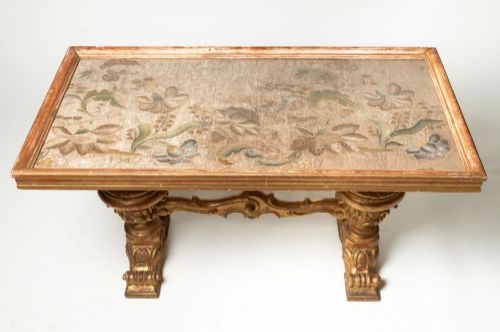
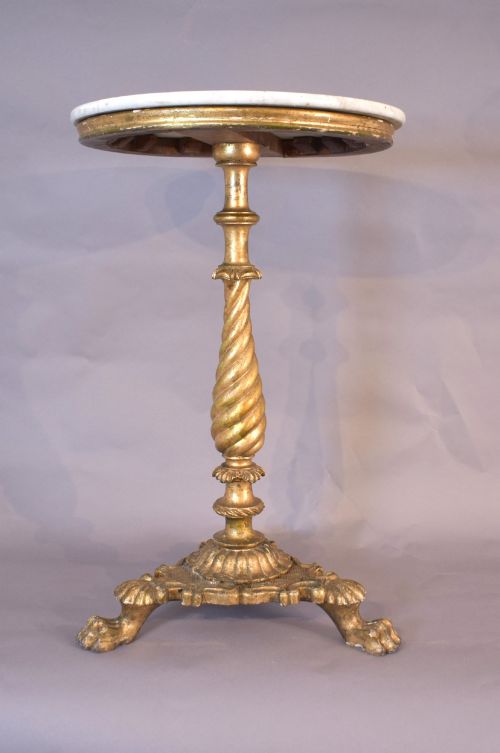
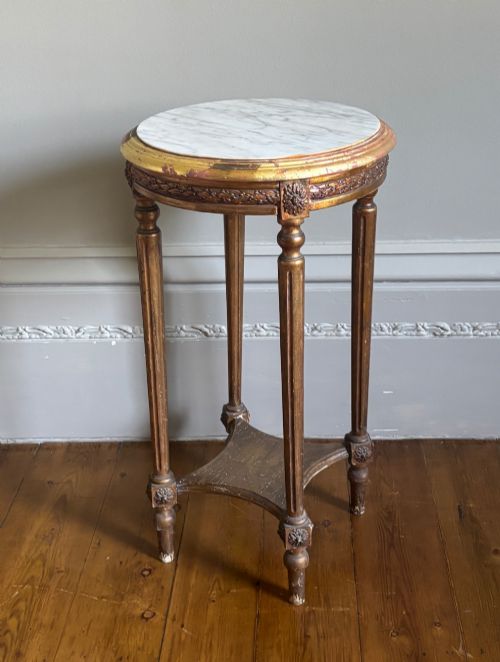
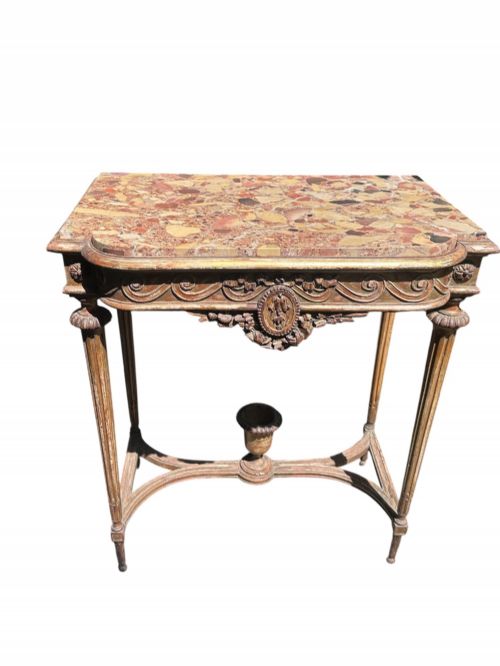
A giltwood accent table provides a decorative surface for corners, halls, and drawing rooms, combining functional wood structure with reflective metallic finishes. When looking for a giltwood accent table, you encounter forms ranging from tripod lamp bases and small wine tables to grand console tables with marble tops.
The pieces on this page span several centuries, with particular emphasis on nineteenth-century examples and twentieth-century revivals. French and Italian workshops dominate the origin of these designs, often drawing on Louis XVI, Baroque, and Rococo vocabulary.
Makers utilised various formats to suit domestic spaces, including side tables, centre tables, and occasional tables. These items frequently incorporate stone tops, carved wooden mounts, and elaborate column supports.
Materials and construction methods
Makers formed the core structure from timbers such as lime wood, mahogany, and general wood framing, which provided a stable base for detailed carving. Gesso was then applied to smooth the surface before artisans laid down gold leaf or paint to achieve the characteristic metallic sheen.
Marble and onyx frequently form the inset tops of these tables, secured within carved wooden frames and supported by pedestals, tripods, or dolphin motifs. Secondary materials like red velvet and fabric appear in specific forms, adding textural contrast to the gilded frames.
Listings feature pieces spanning from the eighteenth century to the mid-twentieth century, with French and Italian origins appearing frequently.
Distinctions in quality and execution
The depth and crispness of the hand-carving separate standard pieces from exceptional examples, particularly in the rendering of floral mouldings, swans, and figurative elements. Tables featuring original gilded surfaces and genuine marble inserts retain greater integrity than later replacements.
Proportion and structural balance also dictate the standing of a piece, with well-engineered tripod bases and console frames showing superior architectural design. The application method of the gold leaf and the preservation of the underlying gesso layer reveal the original workshop standard.
The Giltwood Accent Table Glossary
- Giltwood
- Timber that has been coated with gold leaf applied over a prepared gesso ground. This finish provides a bright metallic appearance that ages with a warm patina.
- Gesso
- A plaster mixture applied to wood frames to create a smooth, sealed surface for subsequent gilding or painting. It allows carvers to achieve fine detail before the metal leaf is laid.
- Console table
- A table designed to stand against a wall, frequently secured to it with brackets or resting on front legs. These pieces often feature elaborate carved decoration and heavy marble tops.
- Guéridon
- A small French round table, typically supported by a central column or tripod base. The form originated in the seventeenth century and remained popular through the nineteenth century.
- Tripod table
- A freestanding table supported by three legs stemming from a central column. This construction style ensures stability on uneven floors.
Giltwood Accent Table: Frequently Asked Questions
Where should I place a giltwood accent table?
These tables suit hallways, drawing rooms, and empty wall spaces where their reflective surfaces can catch the light. They function well as lamp stands or display points for decorative objects.
Because of their decorative nature, they are best kept away from heavy daily wear and direct moisture.
How do I care for giltwood surfaces?
Dust the carved areas gently with a soft, dry brush to prevent dirt from settling into the intricate recesses of the gesso and gold leaf. Avoid liquid cleaners and chemical polishes, which can strip or damage the delicate metallic finish.
Keep the tables away from direct sunlight and heat sources to prevent the wood underneath from drying and cracking.
What is the difference between a console table and an occasional table?
A console table is designed to stand flush against a wall, often serving a decorative purpose in an entryway or formal room. An occasional table is a smaller, movable piece meant to be used flexibly around seating areas.
Console tables frequently feature heavy marble tops and wall-anchored designs, whereas occasional tables prioritize mobility.
How can I tell a nineteenth-century table from a later revival piece?
Examine the construction joints, the tool marks left by the carver, and the natural wear patterns within the gesso and gold leaf. Nineteenth-century pieces often show hand-wrought assembly details and older patination on the timber.
Twentieth-century revival pieces may display more uniform machine shaping beneath the surface layers while still employing traditional gilding techniques.