
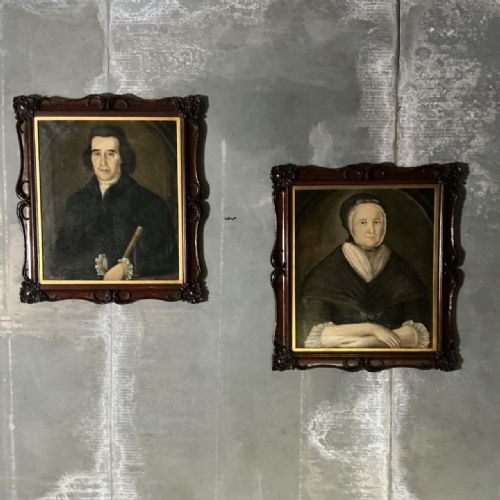
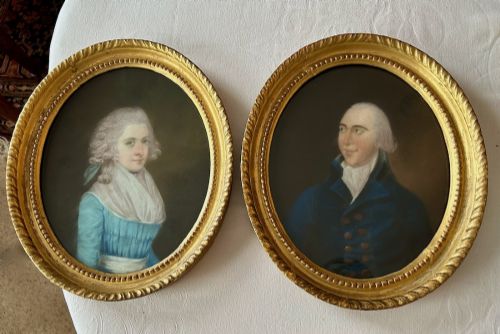

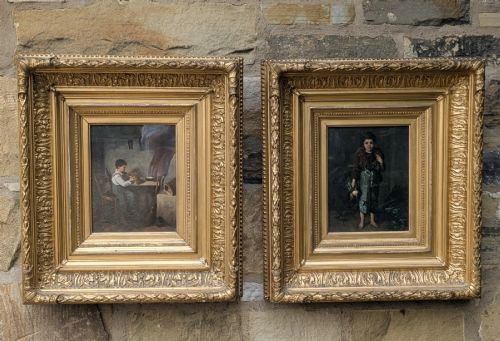
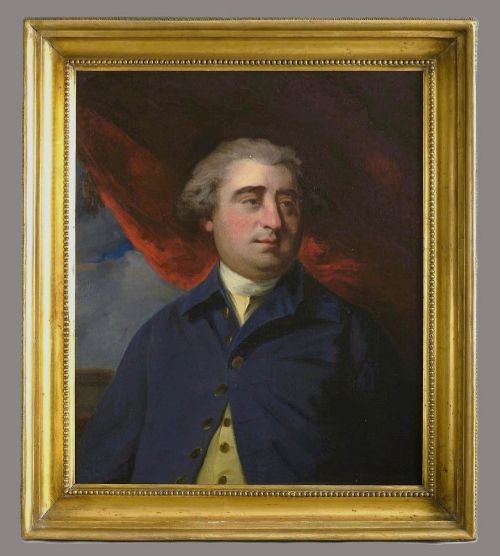
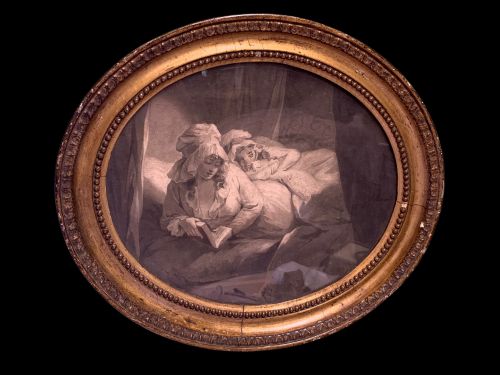
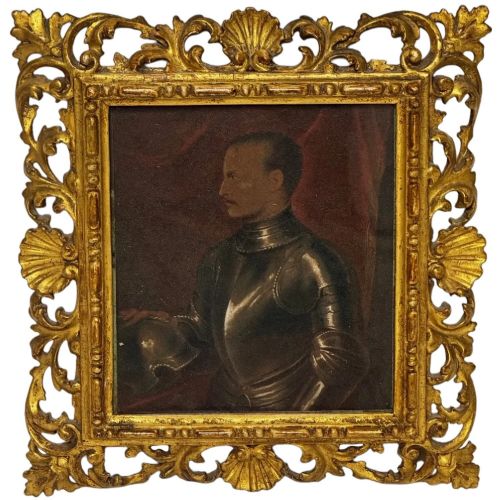
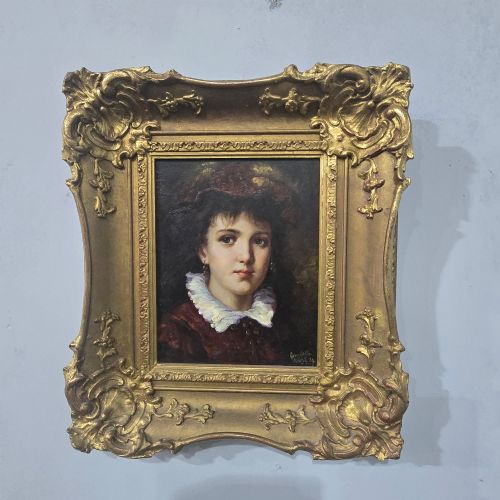
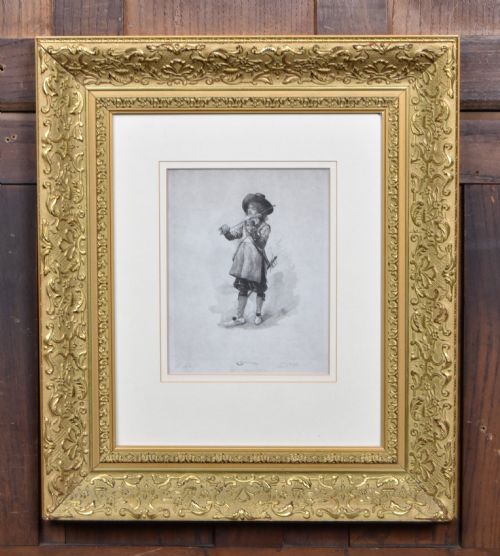
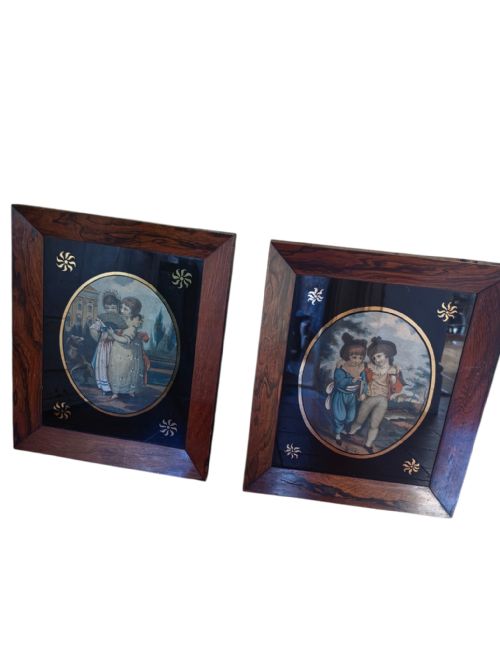

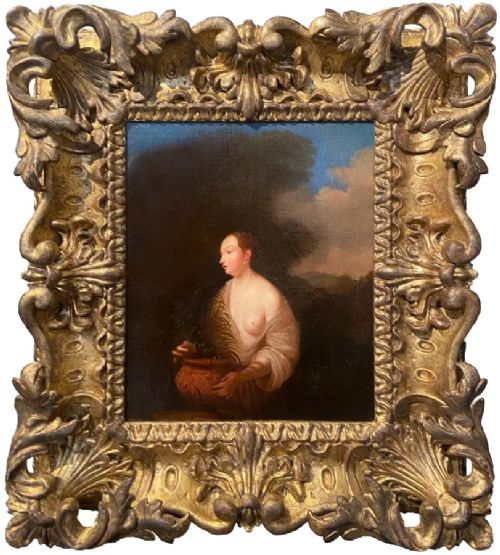
Gilt Wood Portrait Frame
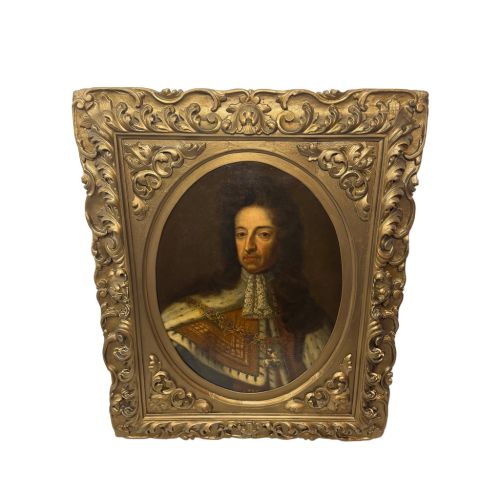
A gilt wood portrait frame holds the likenesses of past centuries, combining carved timber and brilliant leaf to elevate a face.
Gilt Wood Portrait Frame
A gilt wood portrait frame is a protective and decorative border designed to house likenesses rendered in oil, pastel, or engraving. Buyers seek these objects to enclose historic artworks or to display them as decorative wall pieces in their own right.
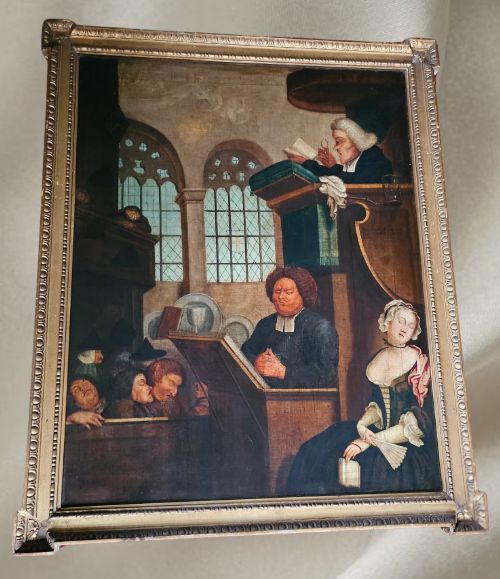
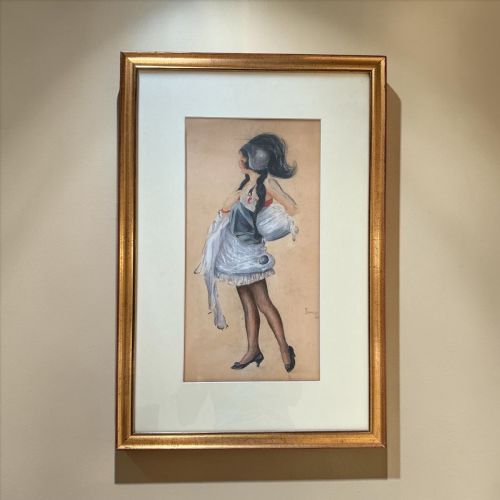
The selections available here span several centuries, encompassing Georgian, Victorian, and Edwardian examples alongside earlier 17th-century specimens. These pieces frequently appear framing oil paintings, prints, and pastels of human subjects.
How they were made
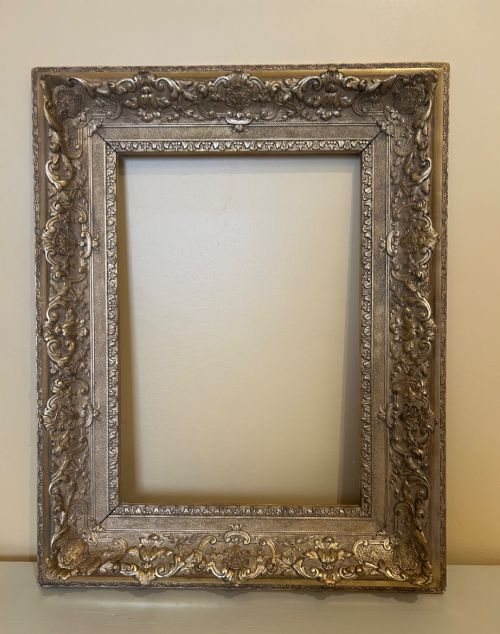
Makers constructed the foundation of these surrounds from seasoned wood, shaping the timber through carving or moulding. Artisans applied layers of gesso to smooth the surface before adding thin sheets of gold leaf.
Surrounds from earlier eras often utilise hand-carved wooden profiles finished with burnished gold leaf, while later examples incorporate moulded plaster and composition ornament over timber.
Cats, dogs, and royal princes in Scottish dress occasionally share wall space with the stern military officers and dignified ladies.
What varies in quality
The standard of a gilt wood portrait frame depends upon the depth and crispness of the hand-carved detail within the wood or gesso. Superior examples display sharp enrichment along the mouldings and intricate corner work.
Preservation of the original gilding distinguishes finer survivals from pieces that have undergone extensive over-painting or surface stripping. The integration between the picture and its surrounding border remains vital.
Hubard Gallery·Emily Eyres·Alfred Egerton Cooper
The Gilt Wood Portrait Frame Glossary
- Giltwood
- Wood that has been coated with gold leaf or gold paint. This finish provides the characteristic metallic gleam seen on historic surrounds.
- Gesso
- A plaster mixture applied to wood as a base for gilding. It fills grain and allows artisans to carve fine decorative details.
- Oil on Canvas
- Pigment mixed with oil binder applied to a woven fabric support. This medium frequently appears housed within period surrounds.
- Pastel
- A dry medium of powdered pigment bound into sticks for drawing. Pastels are typically mounted under glass within their frames.
- Oleograph
- A colour lithograph created to imitate an oil painting. These mechanical reproductions gained popularity in the 19th century.
Gilt Wood Portrait Frame: Frequently Asked Questions
How do I date a frame?
Dating relies on examining the construction methods, the wood type, and the composition of the gesso layer beneath the leaf. Earlier centuries show hand-carved joinery and deep profiles, while later items employ moulded ornament.
Examining the backboards, fixings, and nail types also aids in establishing the age of the item relative to the artwork it holds.
Can I reframe a modern painting?
Placing a modern canvas into an antique surround requires careful measurement of the rebate depth and canvas dimensions. The artwork must fit securely without putting pressure on the historic timber.
Matching the period aesthetic of the painting to the style of the border ensures a visually balanced presentation on the wall.
How should I clean giltwood?
Dusting requires only a soft, dry brush to remove particles from delicate carved recesses without disturbing the leaf. Moisture and chemical cleaners must be avoided entirely to prevent lifting the fragile surface.
Preserving the original finish maintains the historic character and long-term stability of the timber underneath.
Are these frames original to the art?
Some artworks retain their original period surrounds, whilst others have been paired together over the course of their histories. Evidence of original pairing often includes matching wear patterns and contemporaneous framing techniques.
Reviewing the construction of both the artwork and the border helps determine whether they have a shared provenance.