
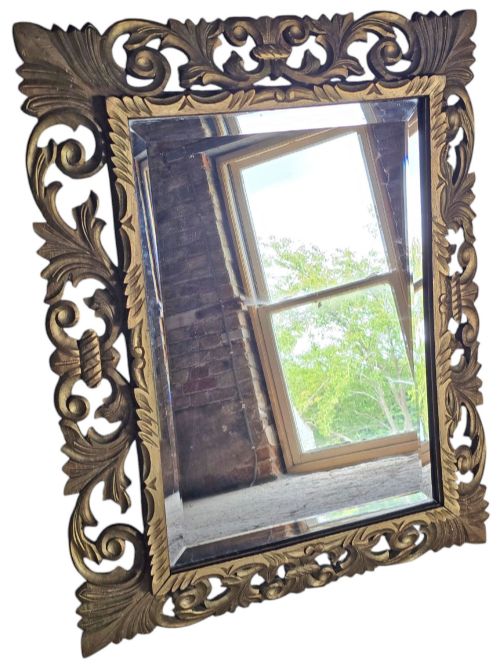
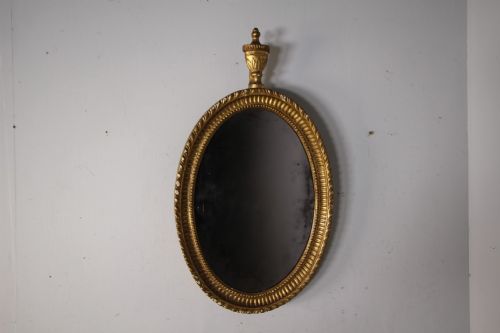
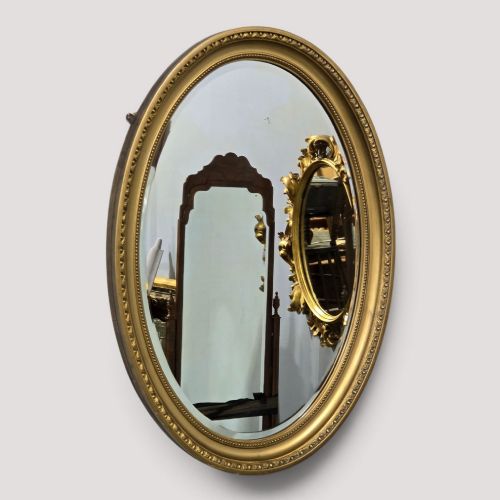
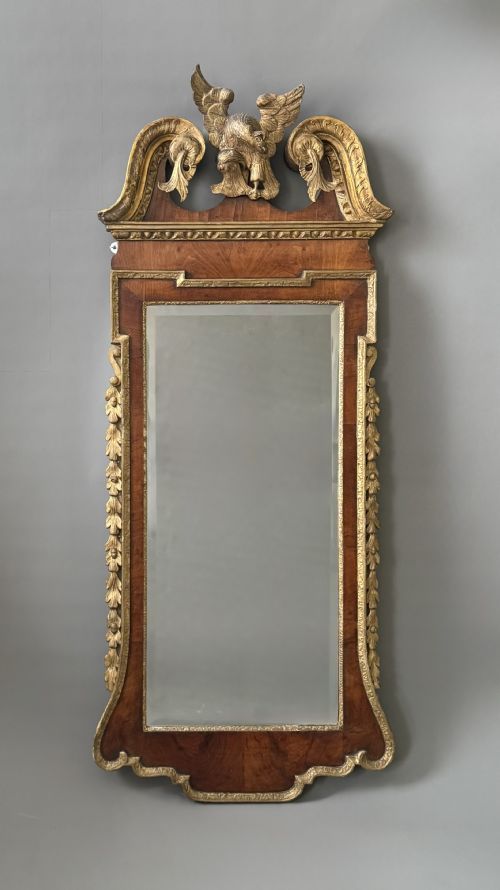


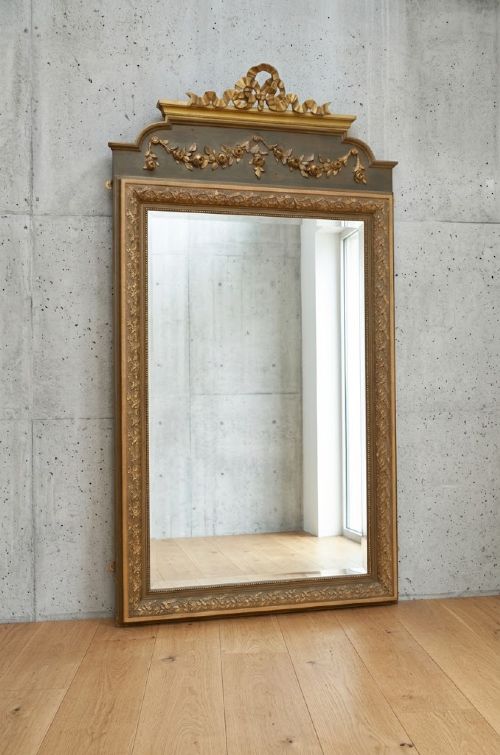
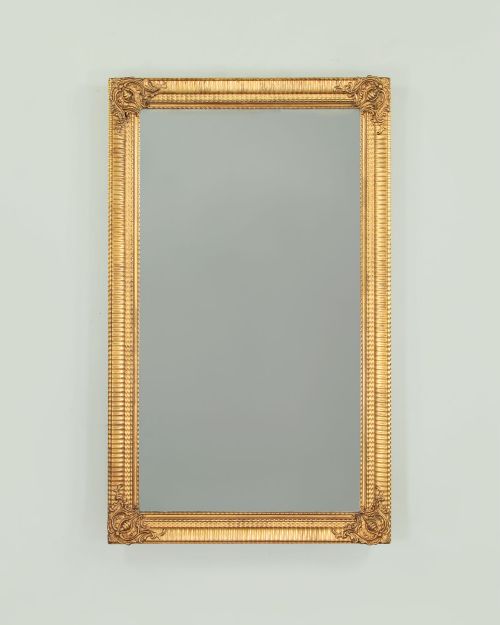
Gilt Wood Framed Mirror
These pieces combine reflective glass with ornate metallic frames to brighten rooms and anchor interiors.
Gilt Wood Framed Mirror
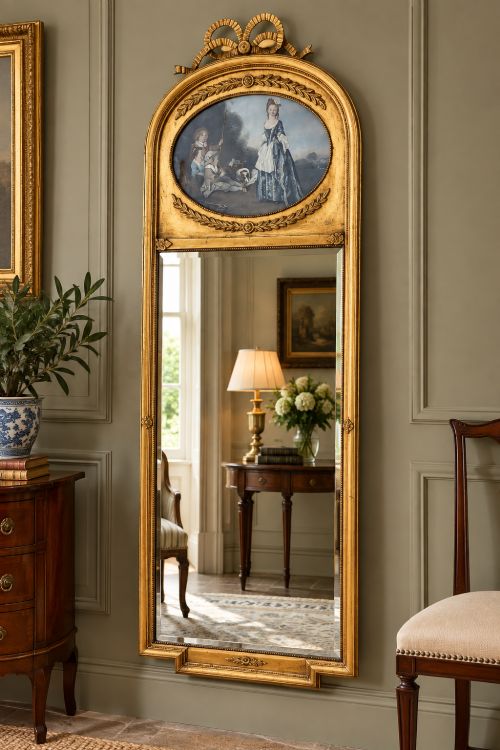
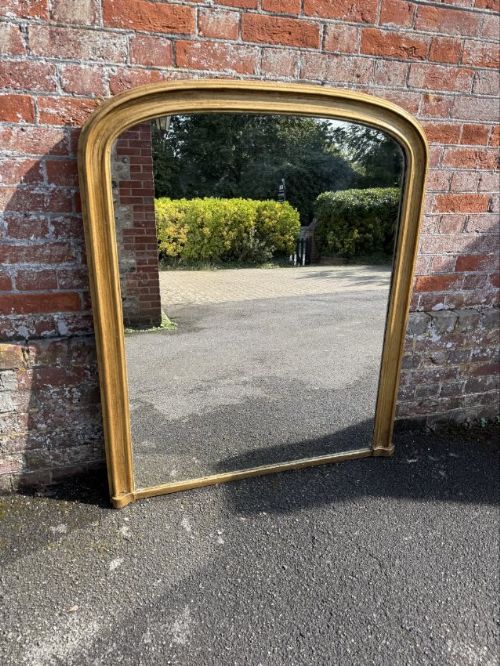
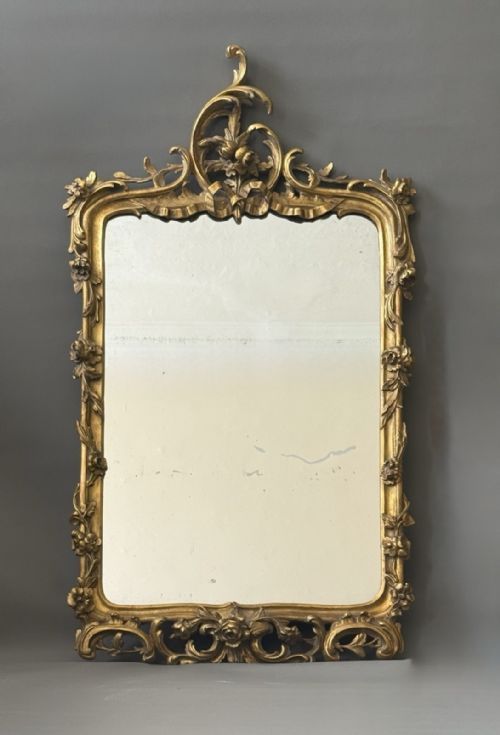
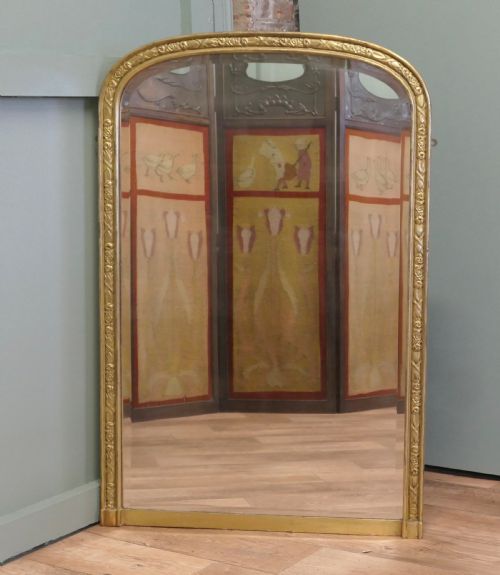
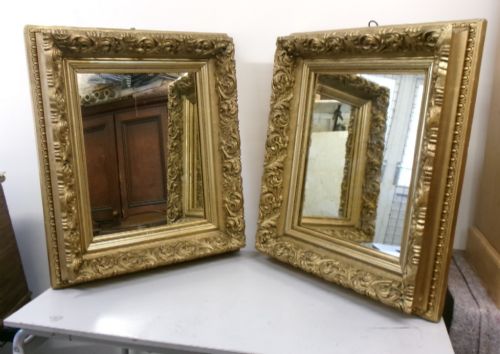
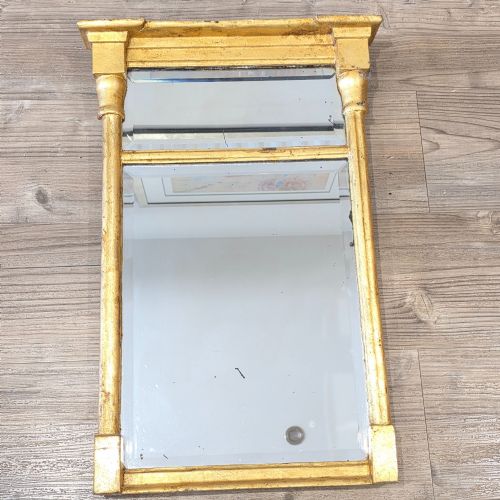
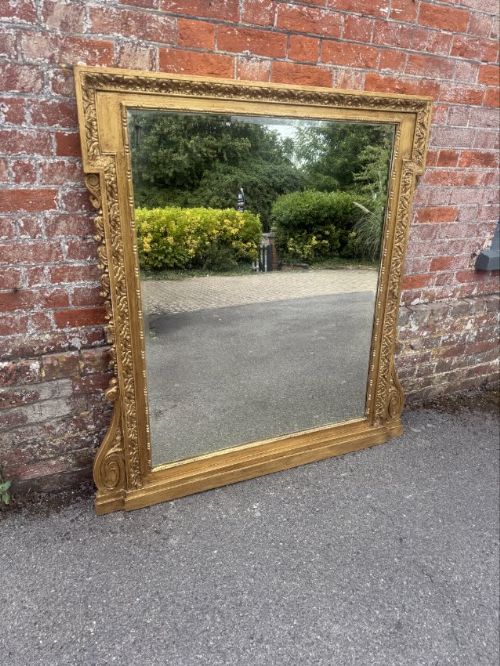
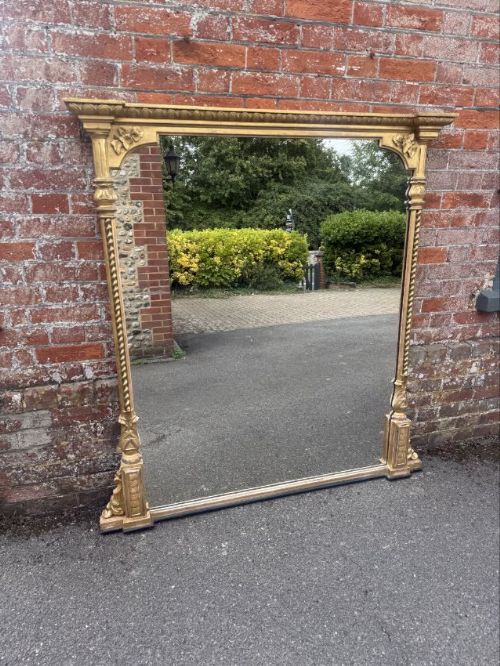
When searching for a gilt wood framed mirror, collectors encounter wall-hung, pier, and overmantel forms originating from eighteenth, nineteenth, and early twentieth-century workshops. English and French examples dominate the selection, spanning styles from Rococo and Neoclassical to Victorian and Louis Philippe.
Grand overmantels designed to sit above hearths frequently appear alongside smaller oval, rectangular, and girandole variants fitted with candle sconces. Surviving plates range from clear nineteenth-century mirror glass to older mercury-backed variants showing characteristic foxing and age spots.
Frames combine structural timber with applied ornament, utilising traditional joinery and moulded details that reflect the aesthetic preferences of Georgian, Regency, and Belle Époque periods.
How they were made
Craftsmen shaped structural carcases from solid timber such as pine, walnut, or oak, often applying layers of gesso to build up intricate surface decoration. This plaster-like medium allowed artisans to carve or press complex floral, acanthus leaf, and rope-twist motifs before gilding.
Foil sheets of genuine gold leaf or composition metal were applied over a preparatory bole ground and burnished to achieve a brilliant metallic sheen. Alternatively, parcel gilt techniques highlighted specific carved details against painted or varnished wooden surfaces.
Some nineteenth-century mirrors secretly doubled as Masonic meeting room markers, hiding symbolic motifs within their gilded rope-twist frames.
What varies in quality
The crispness of the hand-carved or moulded gesso ornament dictates the refinement of the piece, with superior examples exhibiting deep, well-defined undercut details rather than soft, shallow contours. Original gilding retaining its varied burnished and matte passages demonstrates better craftsmanship than later, uniform overpainting.
The integrity of the frame construction and the survival of the original mirror plate heavily influence desirability. Plates displaying genuine foxing or original mercury backing hold greater authenticity than modern glass replacements.
The Gilt Wood Framed Mirror Glossary
- Gesso
- A prepared mixture of plaster of Paris and glue used as a base for moulding and gilding intricate frame details. It provides a smooth surface capable of taking fine carved definition before the application of gold leaf.
- Giltwood
- Timber that has been coated with thin sheets of gold leaf or metal foil. This material gives frames their characteristic bright, reflective metallic finish.
- Overmantel mirror
- A large horizontal mirror specifically scaled to hang above a fireplace mantelpiece. These pieces often feature arched or shaped tops designed to fill wall spaces in formal nineteenth-century reception rooms.
- Girandole
- A decorative wall mirror fitted with attached candle sconces or branch holders. The candle light reflects directly off the glass and gilded frame to illuminate surrounding spaces.
- Mercury glass
- An early type of mirror plate created by pouring a mercury and tin amalgam behind double-walled blown glass. Over time, chemical reactions produce characteristic dark patches known as foxing.
- Parcel gilt
- A decorative treatment where only specific carved elements or raised details of a wooden frame are gilded. The remaining areas are left exposed as natural walnut or painted surfaces.
Gilt Wood Framed Mirror: Frequently Asked Questions
How do I date an antique gilt mirror?
Dating relies on examining the construction methods of the wooden frame, the composition of the gesso, and the characteristics of the mirror plate itself. Assemblage techniques and backing boards often provide clear clues to the manufacturing period.
Stylistic indicators such as acanthus leaf carvings, ribbon crests, or specific neoclassical proportions further help narrow down the decade of production.
What is an overmantel mirror used for?
These large horizontal mirrors were historically hung directly above fireplace mantels to bounce natural light around the room and visually expand the interior space. Their broad proportions anchored the hearth visually within nineteenth-century reception rooms.
Today they function similarly above modern fireplaces or as grand focal points on feature walls in living spaces.
What causes foxing on antique mirror glass?
Foxing occurs when moisture penetrates behind the glass plate over many decades, causing the reflective silvering or mercury backing to oxidise and degrade. This process creates characteristic dark spots, cloudy patches, and speckled patterns.
Many collectors prize this natural ageing process as proof of genuine antique status and historical depth.