
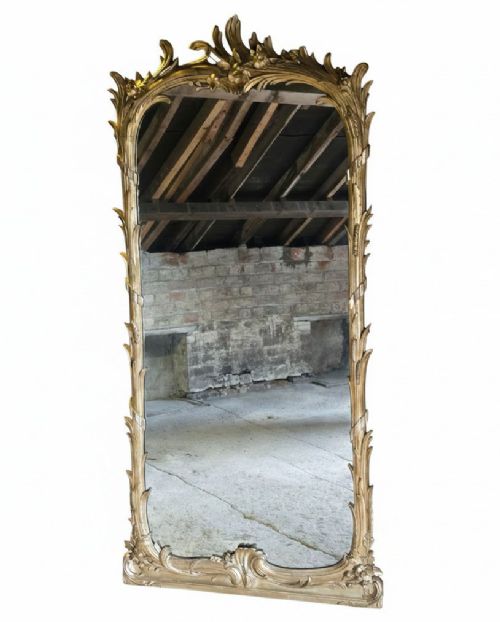
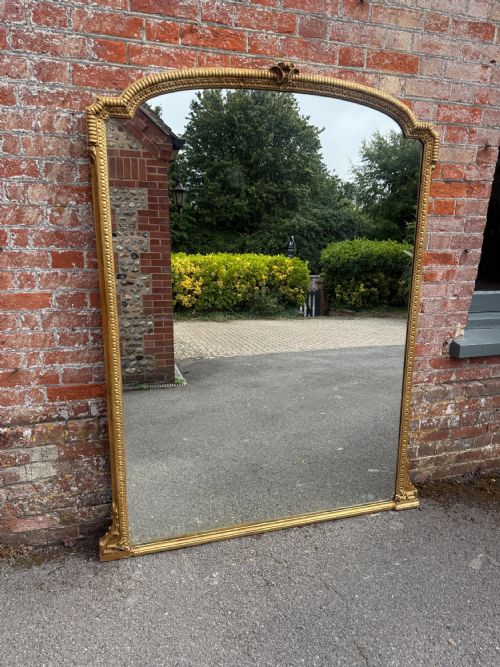
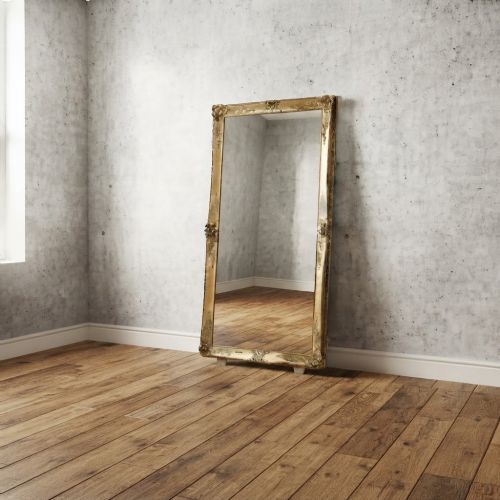
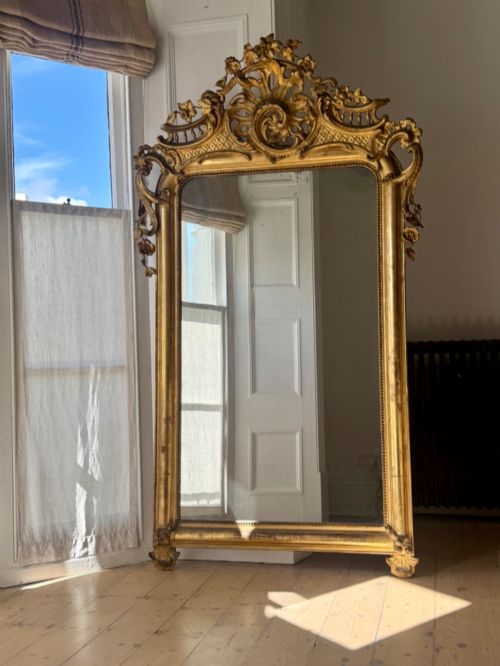


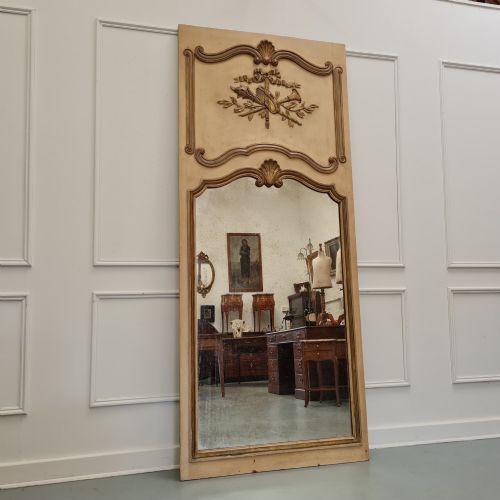

Gilt Wood Floor Mirror
A gilt wood floor mirror brings scale and reflected light into a room, spanning grand nineteenth-century frames and tall leaner designs.
Gilt Wood Floor Mirror
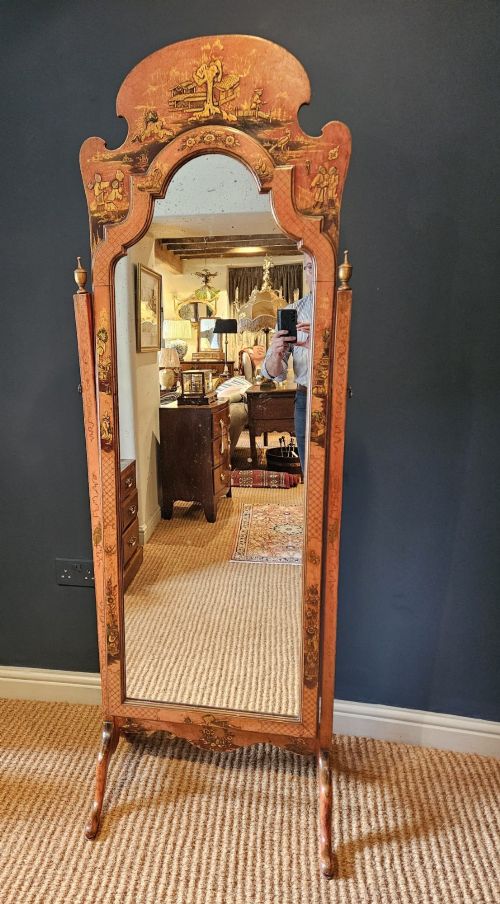
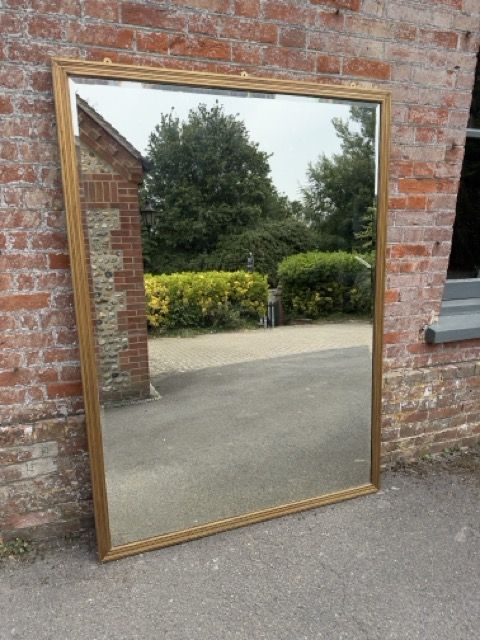
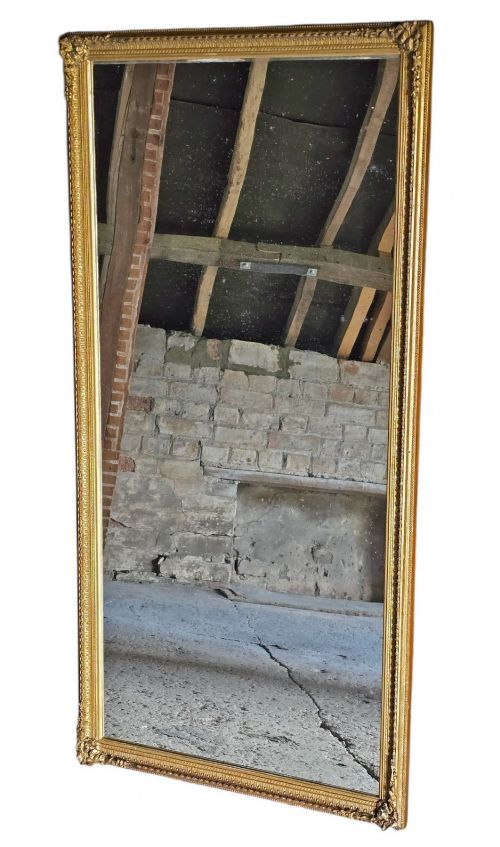
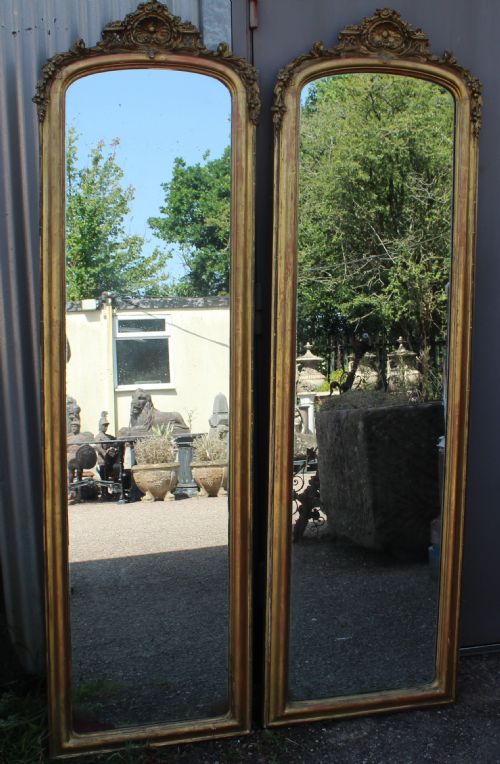
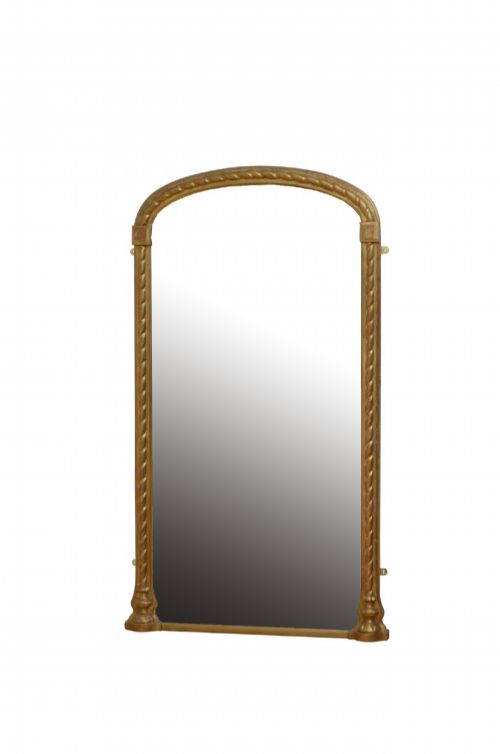
A gilt wood floor mirror stands tall enough to reflect the full figure, frequently taking the form of a leaner, cheval, or tall wall glass.
The pieces seen here span the eighteenth century through to the early twentieth century, with nineteenth-century French and English examples forming the core of the selection.
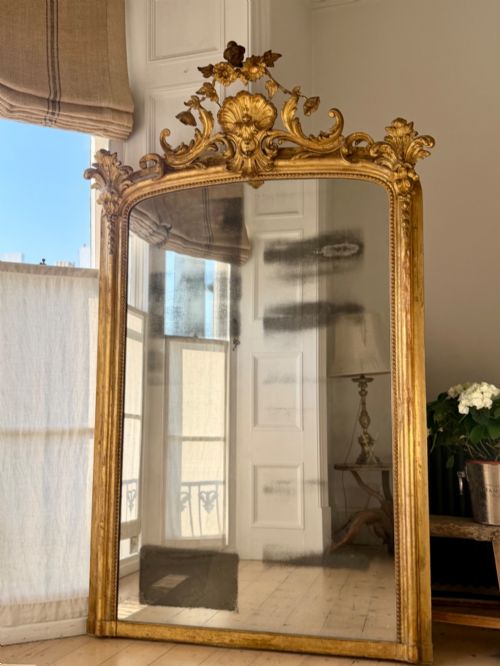
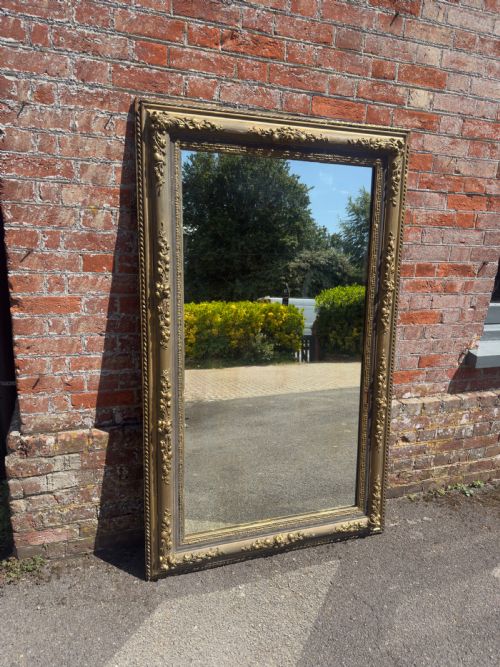
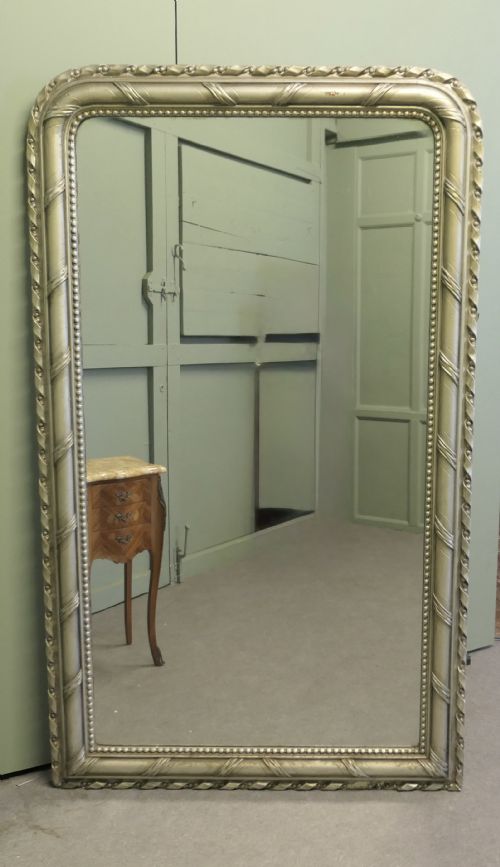
Framing ranges from straightforward moulded profiles to ornate carved crests, arched tops, and shaped frames designed to command a wall or corner.
Materials and construction
Carved wood provides the structural skeleton for these frames, often built from timber coated with layers of gesso to receive fine surface detail.
Gold leaf or silver leaf is applied over the gesso, sometimes combined with paint or parcel gilt treatments to create varied metallic finishes.
Original mirror glass, including mercury plates which may show foxing or age spots, sits within the heavy wooden rebates.
Listings span periods from the eighteenth century to the 1920s, incorporating French Rococo, Neoclassical, Louis Philippe, and Edwardian design styles.
Judging quality and craftsmanship
Depth and crispness in the wood carving set finer examples apart from simpler moulded frames, particularly around corners and crestings.
The integrity of the original gilding and the preparation layers beneath determine the visual resonance of the metallic surface over time.
The Gilt Wood Floor Mirror Glossary
- Giltwood
- Wood coated with gold leaf applied over a prepared gesso ground. This technique gives traditional frames their warm metallic lustre.
- Gesso
- A plaster mixture applied to wood frames to create a smooth surface for carving and gilding. It allows for sharp relief details.
- Cheval mirror
- A freestanding full-length mirror hung in a frame on pivots. This allows the glass to tilt to various angles.
- Trumeau
- A decorative wall mirror incorporating a painted panel or artwork above the glass plate. These originated in eighteenth-century interior decoration.
- Foxing
- Small dark spots and ageing marks that develop within the silvering of antique mirror glass. Many collectors value this evidence of age.
Gilt Wood Floor Mirror: Frequently Asked Questions
How do I secure a heavy leaner mirror?
Large floor mirrors require secure anchoring to the wall behind them to prevent tipping. Heavy timber frames demand appropriate fixings into structural masonry or studs.
Most tall frames include or accommodate discreet security brackets at the top rear corners. This keeps the glass stable against the wall while allowing the base to rest firmly on the floor or skirting board.
What is the difference between a pier mirror and an overmantel?
Pier mirrors are designed to hang in the narrow wall space between windows, often featuring tall, slender proportions. Overmantel mirrors are traditionally wider, shaped to sit directly above a fireplace mantel.
Floor-standing variations of these forms adapt the traditional wall formats for placement directly on the floor. Proportions and frame shapes usually indicate whether a glass was originally intended for a pier or a mantel.
Can I adjust the angle of a cheval mirror?
Cheval mirrors hang on lateral pivots set into vertical floor-standing side posts. This mechanical arrangement allows the user to tilt the entire frame forward or back.
Original brass or iron pivot screws should be adjusted with care to support the weight of the glass safely. The surrounding side supports stabilise the moving frame against the floor.
How should I clean antique gilt surfaces?
Giltwood frames require gentle dusting with a soft, dry brush rather than liquid cleaners. Moisture and chemical sprays can damage historic gesso and lift fragile gold leaf.
Glass panels can be wiped with a clean cloth dampened sparingly with water or glass cleaner, taking care not to let liquid seep behind the frame rebate.