

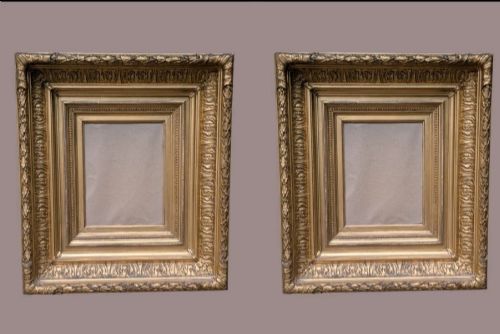
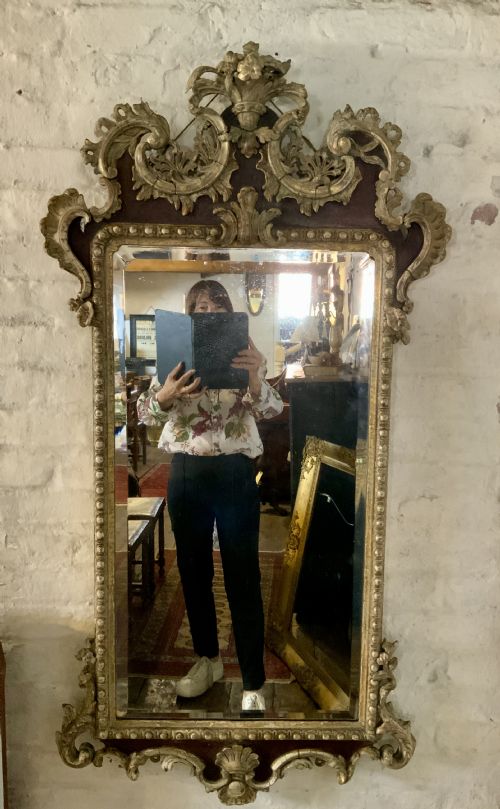
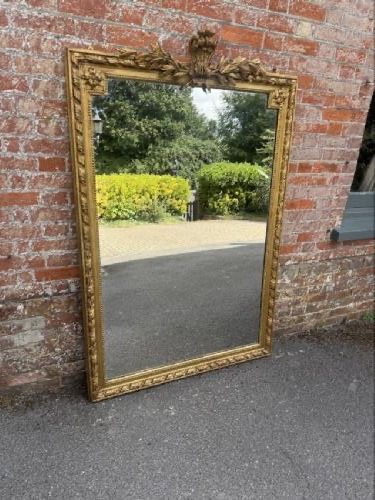
Gilt Wood Decorative Mirror
A gilt wood decorative mirror brings light, proportion and ornate historic character to an interior.
Gilt Wood Decorative Mirror
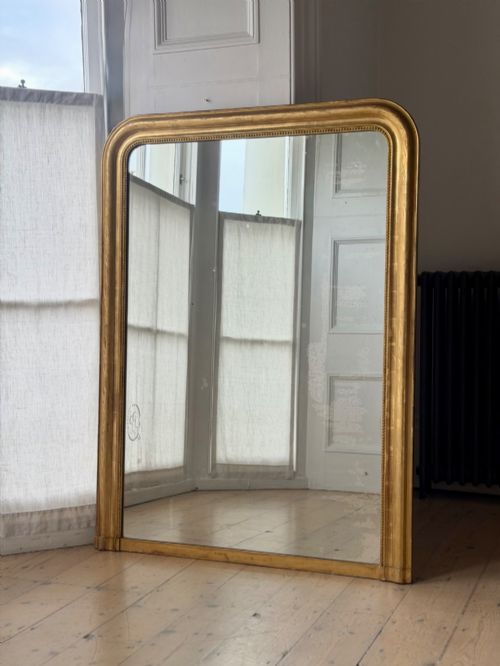
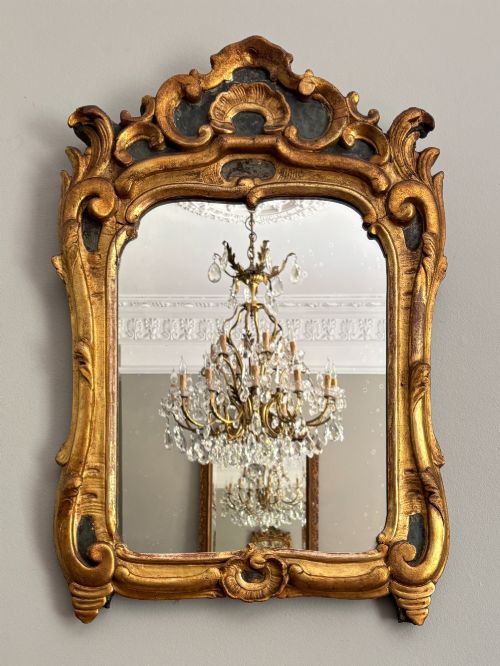
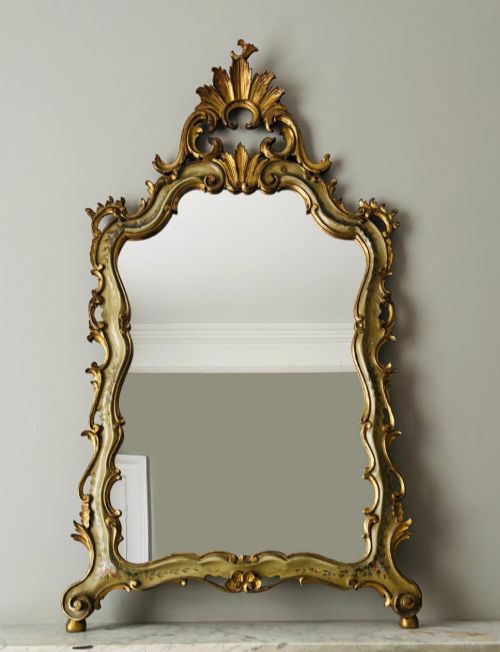
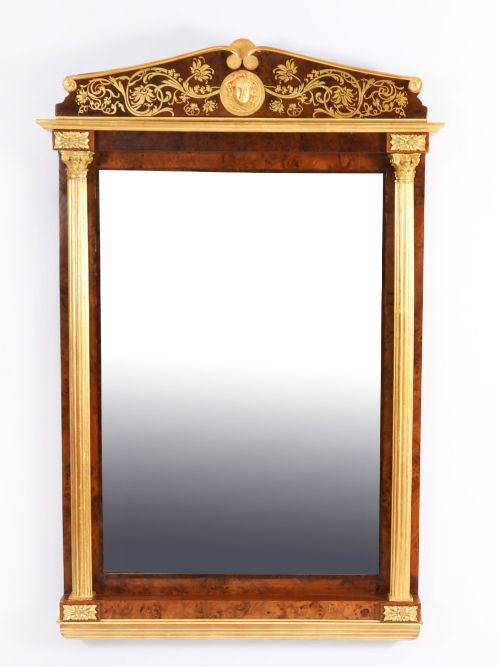
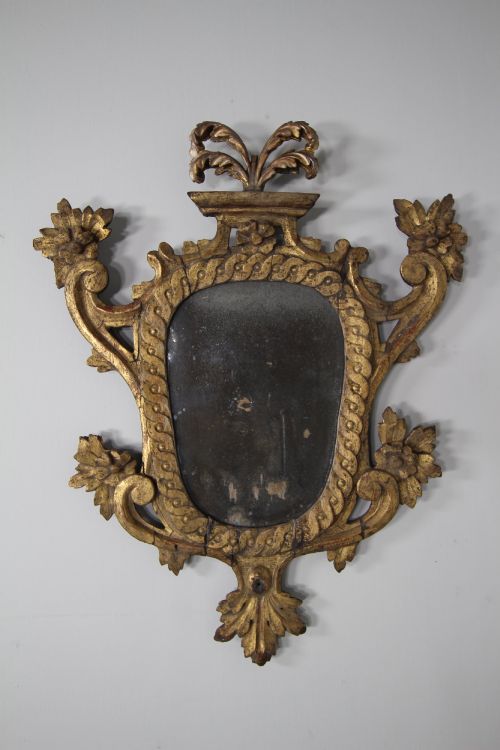
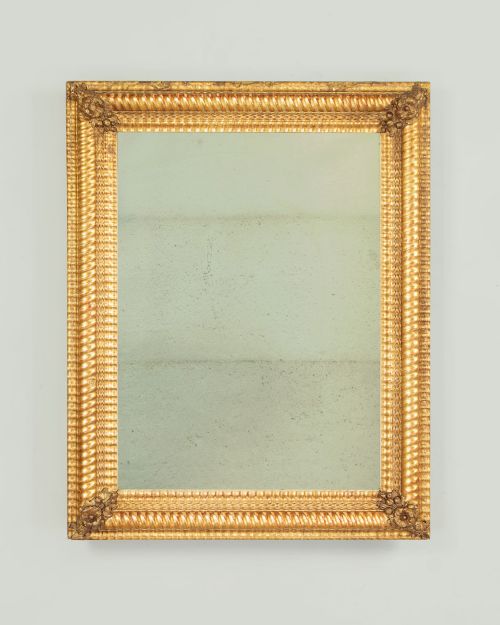
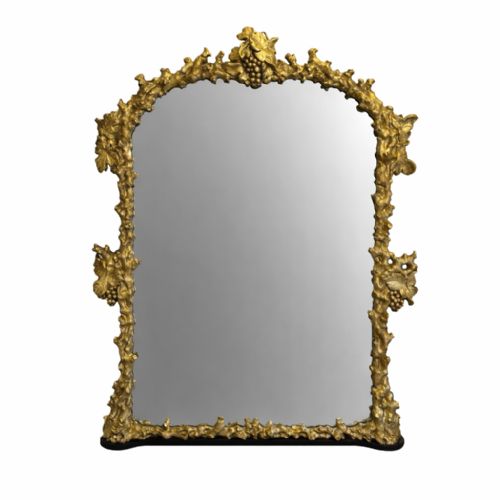
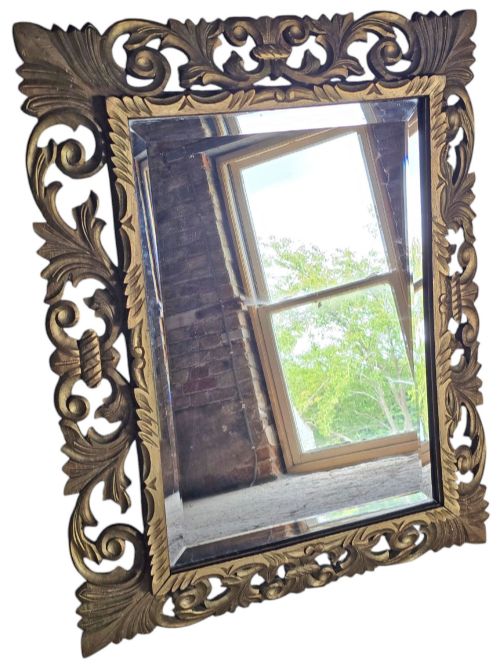
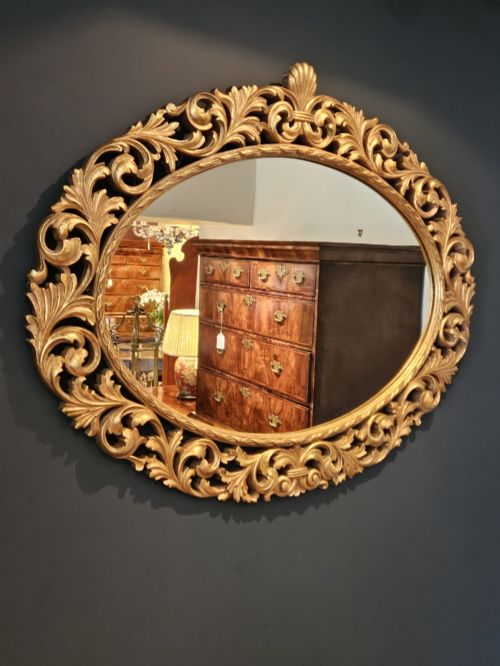
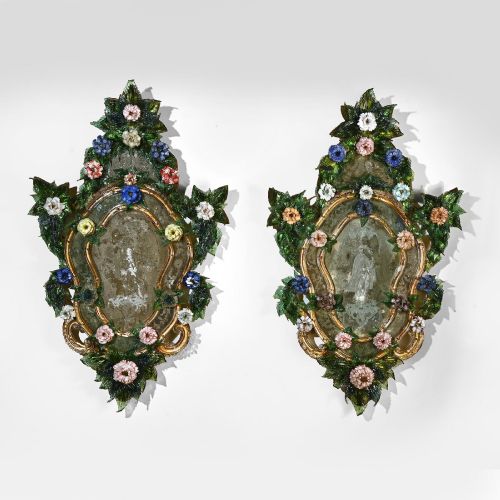
When searching for a gilt wood decorative mirror, buyers encounter a diverse selection of wall-hanging, overmantel and dressing pieces spanning the eighteenth, nineteenth and early twentieth centuries. These objects primarily originate from English, French and Italian workshops, reflecting stylistic movements from grand Rococo revival to restrained classical designs.
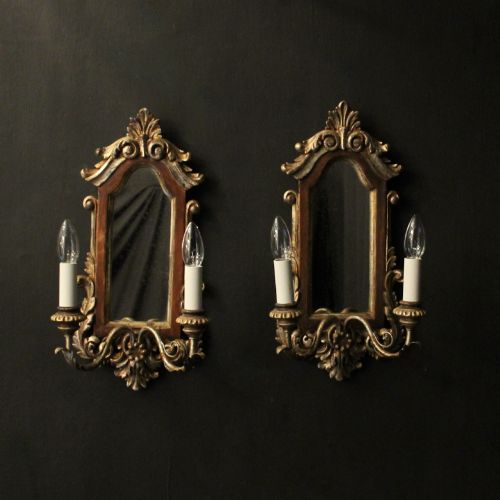
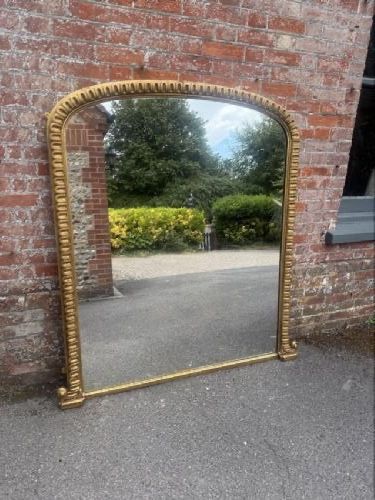
The most common forms on this page include large nineteenth-century overmantel mirrors with arched or shaped tops, alongside smaller Italian Florentine carved wood and gesso frames. Wall mirrors and girandoles with twin candle arms also appear frequently, alongside convex porthole formats and pier glasses designed for specific architectural spaces.
How They Were Made
The construction of these pieces relies on a timber base, typically carved pine, walnut, or oak, which provides structural integrity for the frame. Artisans applied layers of gesso - a fine plaster mixture - onto the wood to build up intricate decorative reliefs, scrolls and floral motifs before smoothing the surface for gilding.
Gold leaf or silver leaf was then meticulously laid over the prepared gesso surface, often burnished to a high shine or subtly distressed. Some examples incorporate painted wood elements, ebonised details, or parcel-gilt finishes where exposed timber contrasts with gilded highlights.
Some nineteenth-century convex mirrors include an eagle surmount perched proudly on top, keeping a watchful glass eye on the room.
What Varies in Quality
The depth and crispness of the hand-carving separate standard pieces from exceptional examples, as skilled artisans achieved superior definition in floral swags, scrolls and moulded borders. The integrity of the underlying gesso layer determines how well the ornament survives centuries of movement without chipping or cracking.
The quality of the mirror plate itself and the originality of the gilding surface heavily influence the character of the piece. Period glass often shows subtle distortions or foxing, whereas later replacements offer clarity, and original gold leaf retains a warmer, deeper luminosity than later repainted surfaces.
The Gilt Wood Decorative Mirror Glossary
- Gesso
- A preparation mixture consisting of a binder mixed with chalk, gypsum, or pigment, applied to wood frames to create a smooth surface for carving and gilding. This material allows artisans to achieve sharp, raised decorative details.
- Giltwood
- Timber that has been decorated with gold leaf or gold paint applied to its surface. It provides a luminous finish characteristic of formal historic interiors.
- Overmantel mirror
- A large mirror specifically proportioned to hang on the wall above a fireplace mantelpiece. These pieces often feature horizontal formats and arched tops.
- Girandole
- A decorative wall-mounted mirror featuring attached candle sconces or arms. The reflective glass multiplies the candlelight within a room.
- Parcel-gilt
- A decorating technique where only specific parts of an object are gilded, leaving areas of natural or painted wood exposed. This creates a striking contrast between the wood grain and the metallic finish.
- Pier glass
- A tall, narrow mirror designed to be hung on the pier, the solid wall space between two windows. They frequently match the narrow proportions of the architectural gap.
Gilt Wood Decorative Mirror: Frequently Asked Questions
How do I hang a heavy overmantel mirror safely?
Large overmantel mirrors carry substantial weight due to their dense timber frames and thick glass plates. They require secure fixing directly into structural wall studs or masonry using appropriate heavy-duty brackets.
Professional installation ensures the weight distributes evenly across the frame rather than stressing the hanging hardware or upper joints.
How should I clean a antique gilt wood surface?
Historic gilded surfaces demand gentle care to prevent lifting the delicate gold leaf or damaging the underlying gesso. Dusting should be done lightly with a dry, soft-bristled brush rather than a cloth that might snag on intricate carvings.
Moisture and modern chemical cleaners must be avoided entirely, as they dissolve the traditional water-gilding binders and ruin the finish.
Are the mirror plates original to the frames?
Many nineteenth-century and earlier mirrors retain their original glass, which often exhibits characteristic foxing, minor pitting, or wavy distortions. Some pieces received replacement mirror plates during their history to restore a clear reflection.
Close inspection of the silvering behind the glass and the way the plate is secured in the rabbet helps determine its age relative to the frame.
How do I distinguish Rococo revival from earlier styles?
Nineteenth-century Rococo revival pieces generally feature asymmetrical scrollwork, C-scrolls and exuberant floral motifs executed with deep, heavy gesso mouldings. Eighteenth-century originals tend to display sharper hand-carving directly into the timber with finer, more integrated proportions.
Examining the construction joints, backing boards and the composition of the gesso helps clarify the true age of the piece.