


Gilt Wood Cupboard
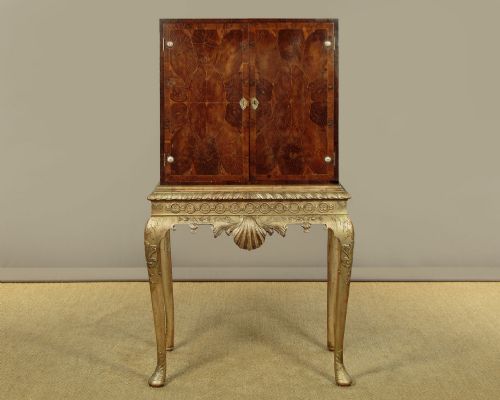
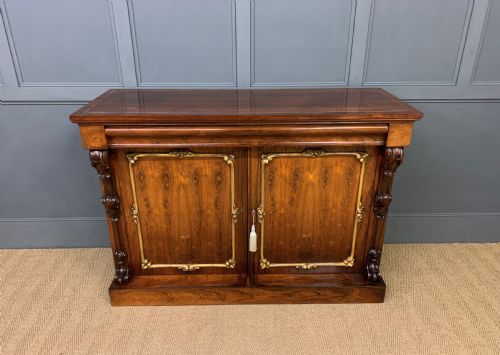
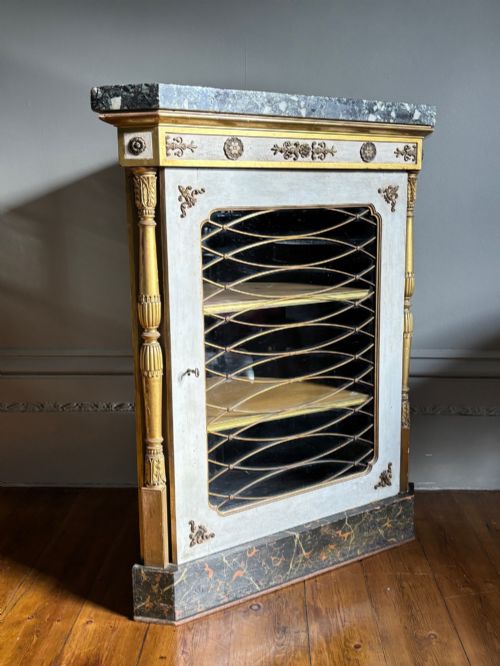
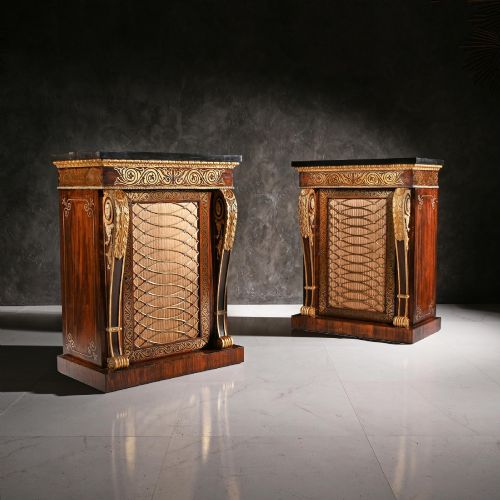
These gilt wood cupboard pieces bring gilded surfaces and architectural presence into a room, spanning revival styles, Regency periods and Italian workshops.
Gilt Wood Cupboard
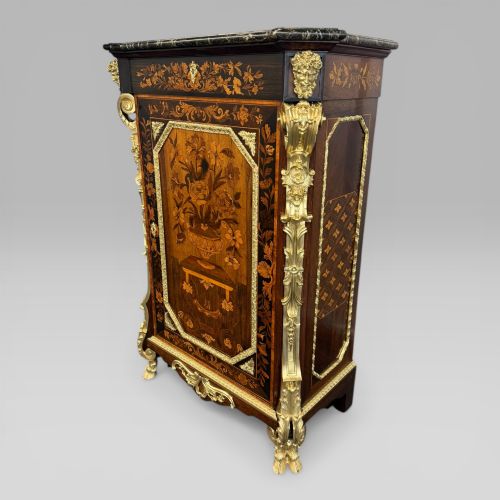
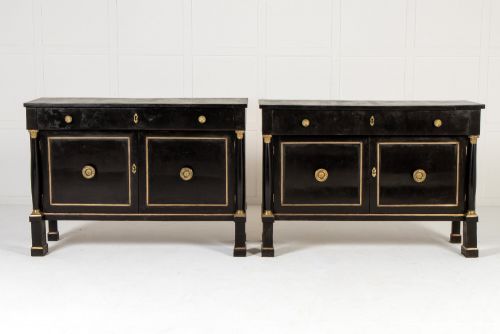
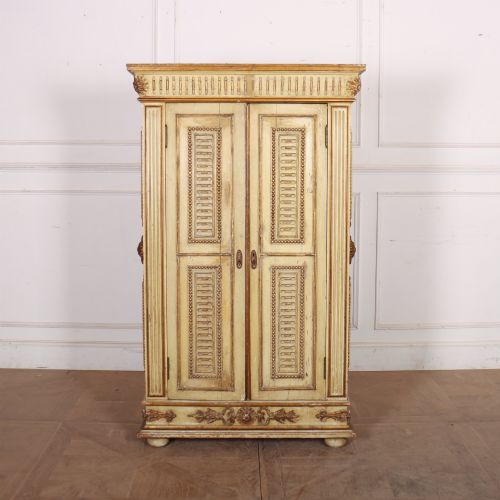
A gilt wood cupboard combines timber construction with applied gold leaf or metallic decoration, serving as a functional storage piece while introducing decorative brilliance to an interior. The selection here ranges from compact bedside cabinets and corner cupboards to grand side cabinets and display pieces.
Italian workshops and French cabinetmakers dominate the aesthetic lineage, often employing Louis XV or Louis XVI revival motifs alongside Chinoiserie lacquering and Regency proportions. Buyers encounter various formats, including wall-hanging vitrines, marble-top side cabinets and cabinets mounted on stands.
The periods represented stretch from the seventeenth century through the Victorian era into the early twentieth century, showing sustained interest in gilded and painted timber. Pieces take diverse structural forms, including bow fronts, demi-lune commodes, and architectural tabernacle shapes.
How they were made
Craftsmen built the carcasses from woods such as mahogany, rosewood, kingwood, burr walnut and ebonised timber, providing stable foundations for decorative surfaces. These structural timbers were frequently combined with applied giltwood, gold leaf and parcel gilt highlights to catch the light.
Mounts of ormolu and brass added metallic contrast, while marble tops in varieties such as breche d'alep provided durable and decorative surfaces. Surface techniques extended to Chinoiserie lacquer work, painted decoration, and intricate marquetry involving floral or geometric motifs.
Papilleros and varguenos bring seventeenth-century Spanish stationery habits right into nineteenth-century revival interiors.
What varies in quality
The refinement of the carving and the application of the gold leaf establish the initial visual distinction between standard examples and exceptional pieces. Hand-tooled ormolu mounts and authentic period marbles rather than later replacements elevate the standing of a cabinet.
Execution of decorative programmes such as Chinoiserie lacquer, hand-painting or intricate wood marquetry determines the level of craftsmanship achieved by the workshop. Structural integrity in the joints and original stands or mounts preserved intact contribute significantly to the standing of the piece.
Louis Constantin Le Gaigneur·Edward Holmes Baldock·Edmond Poteau
The Gilt Wood Cupboard Glossary
- Ormolu
- Gilded bronze mounts applied to furniture for decorative enrichment. These metallic ornaments characterises high-end French and English cabinet work.
- Chinoiserie
- European imitation of Chinese and East Asian artistic traditions, often expressed through lacquered finishes and painted scenes. This style appears frequently on cabinets and stands from the Edwardian era.
- Marquetry
- Decorative veneer patterns formed by fitting together pieces of various woods, metals or other materials. Craftsmen used this technique to create intricate pictorial or geometric surface designs.
- Vitrine
- A glass-fronted cabinet or display case designed to showcase porcelain, books or curiosities. These pieces often incorporate mirrored backs and glazed side panels.
Gilt Wood Cupboard: Frequently Asked Questions
Where should I place a gilt wood cupboard?
These cabinets work effectively in reception rooms, halls or bedrooms where their reflective surfaces and decorative finishes can catch natural light. Pairing them with neutral walls allows the gilded wood and painted details to become focal points in the interior.
Smaller formats such as corner cupboards or bedside cabinets fit into transitional spaces or alcoves while offering practical enclosed storage. Larger side cabinets and display pieces anchor larger walls and serve as surfaces for lamps or decorative objects.
How do I care for giltwood surfaces?
Giltwood requires gentle maintenance to protect the delicate layer of gold leaf or metallic paint from abrasion and moisture. Dusting should be performed softly with a dry, lint-free cloth without applying chemical polishes or modern cleaning sprays.
Positioning the furniture away from direct sunlight and steady heat sources prevents the underlying wood from warping and protects the metallic finish from fading or flaking over time.
How do I identify Regency period pieces?
Regency furniture often exhibits classical restraint, architectural symmetry, and inspiration from ancient Greek, Roman and Egyptian forms. These pieces frequently utilise rosewood or mahogany, sometimes enhanced with brass inlay or gilt mounts.
Proportions tend to be clean and well-defined, with architectural cornices and restrained bracket feet or sabre legs. The presence of simulated rosewood or brass marquetry further points to this specific nineteenth-century design vocabulary.