
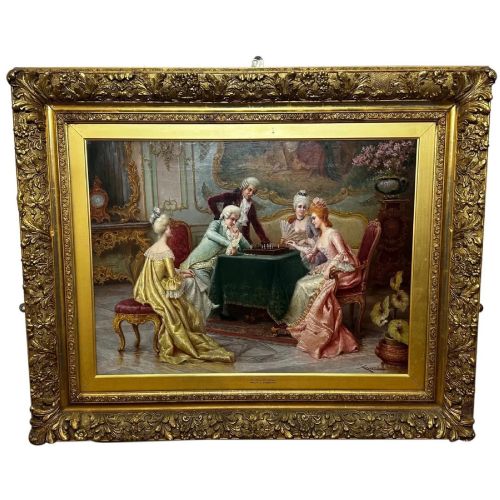
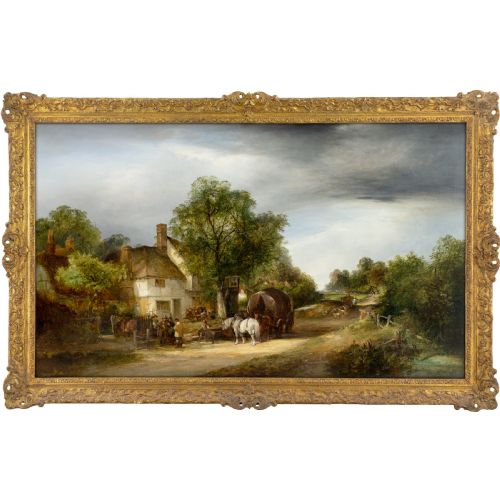
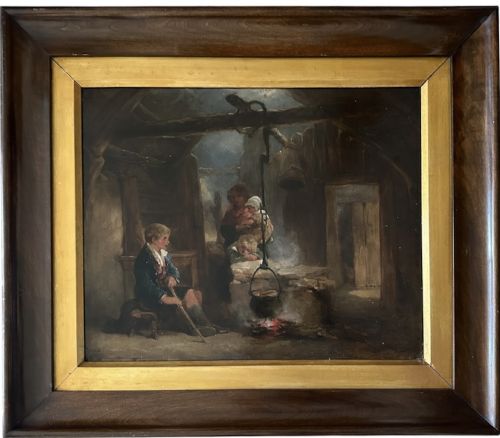
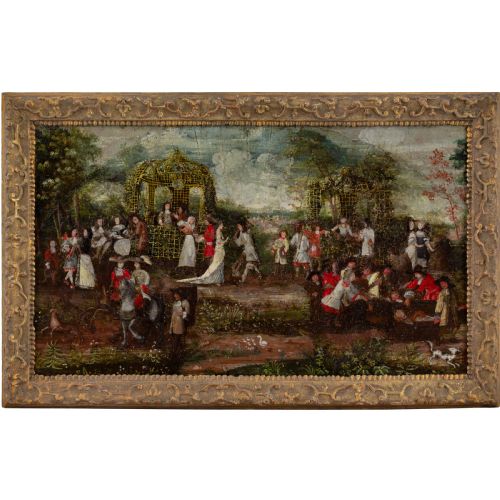
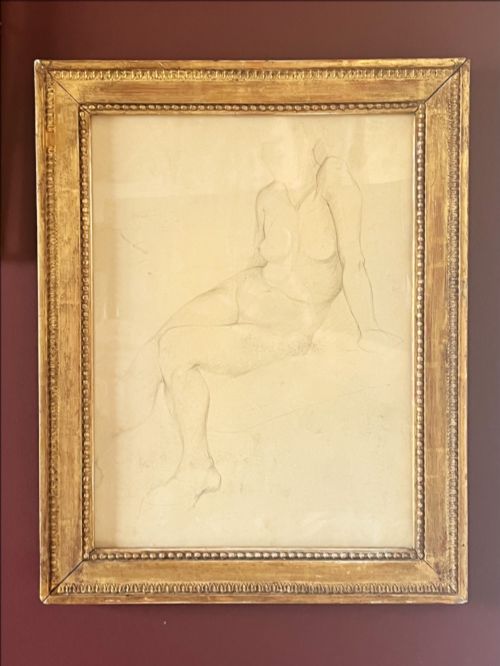
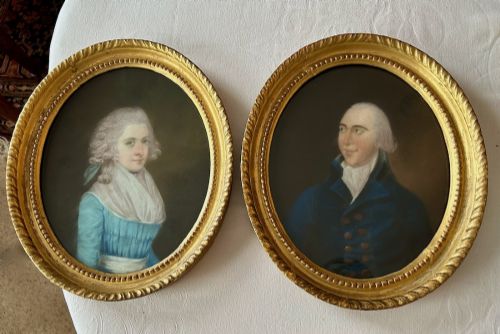
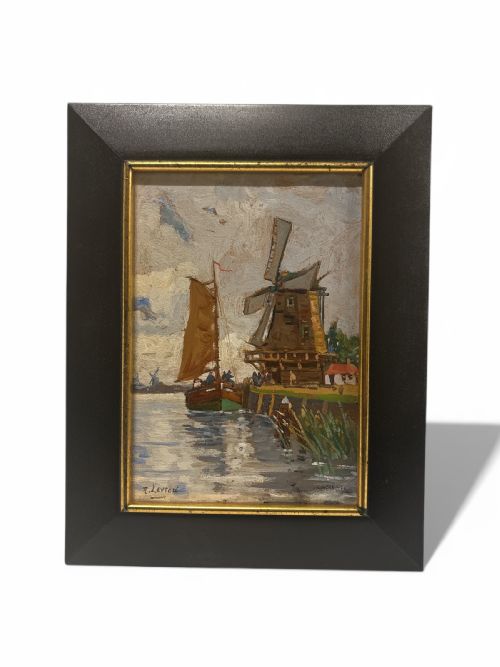

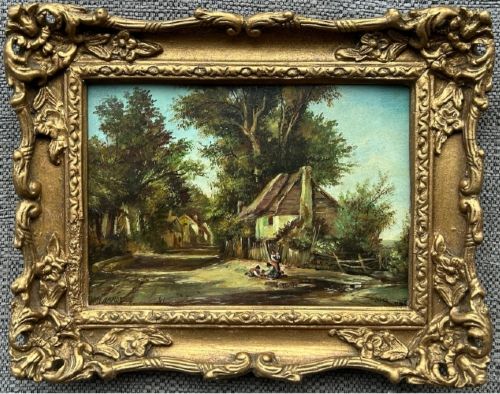



Gilt Wood Artwork Frame
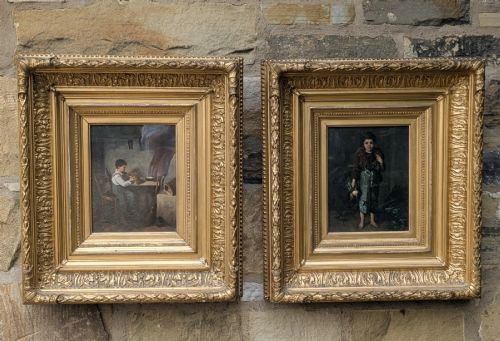
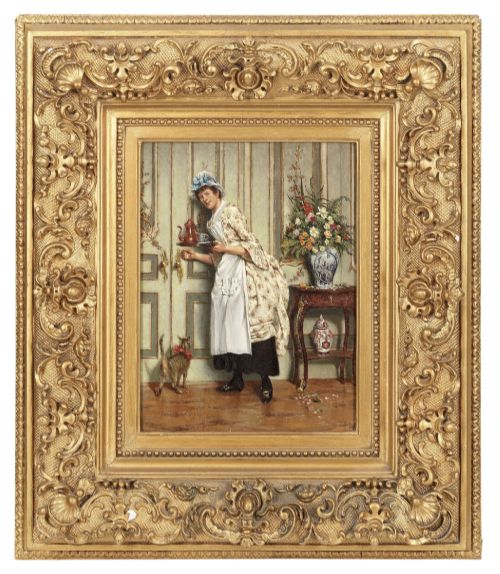
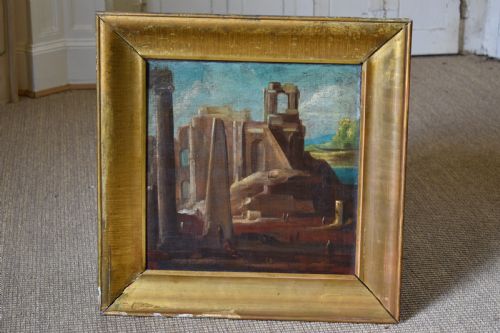
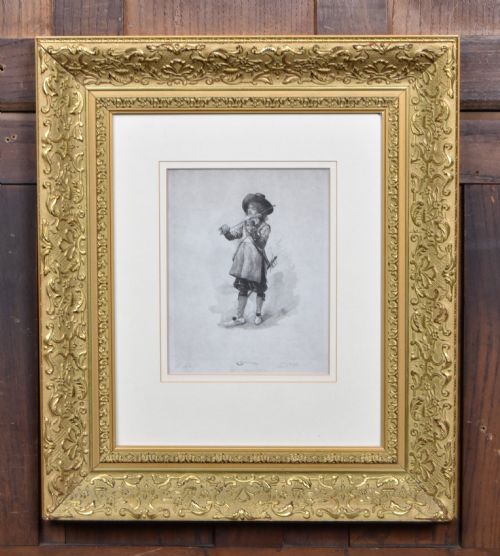
When you search for gilt wood artwork frame, you are looking at moulded borders that hold paintings, drawings and prints.
Gilt Wood Artwork Frame
A gilt wood artwork frame provides an enclosure for paintings, prints, and drawings, functioning as both protection and visual enhancement. Buyers search for these pieces to house historic works or to display contemporary paper and canvas using period surrounds.
The selection here encompasses items from the seventeenth, eighteenth, and nineteenth centuries, alongside Edwardian examples. Forms range from dedicated picture frames to framed oil paintings, watercolours, and pastel portraits.
Originating across British and European workshops, these items mirror shifts in taste from Baroque ornamentation to Victorian and Regency styling. The primary iteration on this page is the antique frame housing an oil painting or pastel portrait.
What varies in quality
The depth of hand-carved detail and the crispness of the moulding distinguish superior examples from simpler productions. Elaborate ornamentation requires skilled artisan work that holds its definition across centuries of handling.
The preservation of the original gilt surface dictates the integrity of the piece. Finishes that retain their original gold leaf without heavy over-painting demonstrate superior survival through successive generations of ownership.
Materials recorded in the inventory include canvas, oil paint, glass, paper, gold leaf, and various types of wood.
Joseph Clover RA·Emily Eyres·William Howard Hardy·Stephen Samuel Lewin·Thomas Creswick·Johannes Lingelbach·Guillaume Courtois·George Oyston·Sir Alfred East·Hendrik Valkenberg·Albin Mattenheimer·John Moore of Ipswich·Alfred Arthur Brunel de Neuville·William Hogarth·Luke Sullivan
The Gilt Wood Artwork Frame Glossary
- Giltwood
- Wood that has been coated with a thin layer of gold leaf or metal powder. This surface treatment provides a brilliant metallic sheen while protecting the timber beneath.
- Regency
- A British stylistic period spanning the early nineteenth century. Pieces from this era often feature restrained classical motifs and refined proportions.
- Baroque
- An ornate artistic style prevalent in the seventeenth and eighteenth centuries. Frames from this period display dramatic curves, deep relief carving, and dynamic movement.
- Oleograph
- A mechanical colour lithograph produced on canvas to simulate an oil painting. These pieces replicate the visual texture of traditional brushwork through layered pressure printing.
- Rebate
- The recessed channel on the reverse side of a frame designed to hold the artwork and glass securely in place. Its dimensions determine the maximum size of the piece that can be inserted.
Gilt Wood Artwork Frame: Frequently Asked Questions
How do I measure for a frame?
Measure the exact height and width of your artwork to find the correct internal dimensions needed for the housing. Ensure you account for the rebate depth so the piece sits flush against the inner edge.
Compare your measurements against the listed rebate size of the frame to guarantee a secure fit. Allow a fraction of a millimetre for expansion if the artwork is on paper or canvas.
Can I hang oil paintings without glass?
Oil paintings on canvas or panel traditionally hang exposed to the air without a glass covering. The varnished surface of the paint acts as a protective barrier against dust and environmental moisture.
Works on paper, pastels, and watercolours require glass to prevent permanent degradation from humidity and handling. Ensure a small gap remains between the glass and the artwork surface to avoid condensation damage.
How do I date a gilt frame?
Examine the timber construction methods, tool marks, and the composition of the gesso layer beneath the gold leaf. Earlier periods utilise hand-carved wooden foundations, while later examples often incorporate moulded composition ornament.
Stylistic cues such as corner decorations and profile shapes correspond directly to periods like the Regency or Victorian eras. Look for signs of age in the wood grain and the patina of the underlying bole layer.