



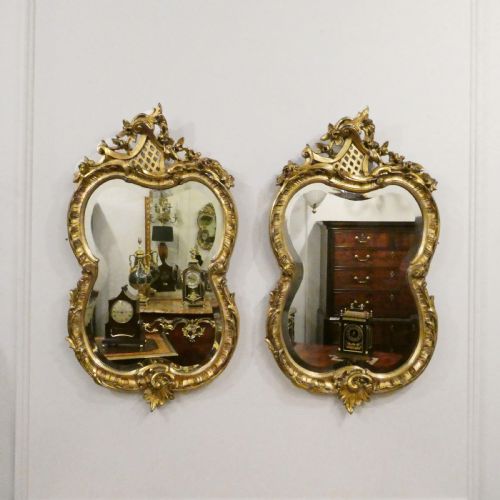
Gilt Wall Accent Mirror
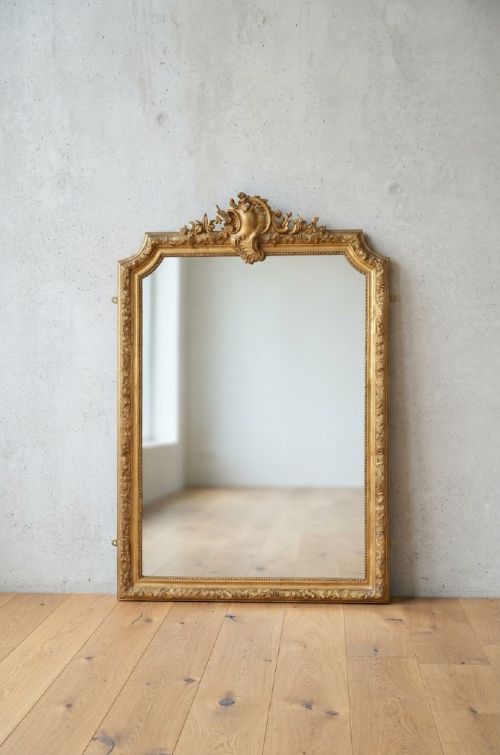
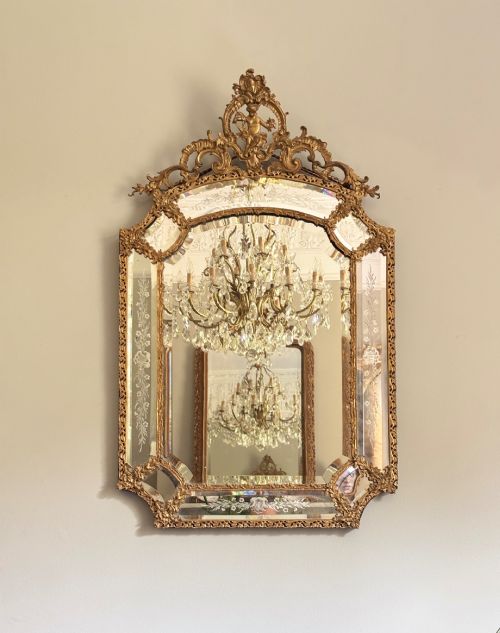
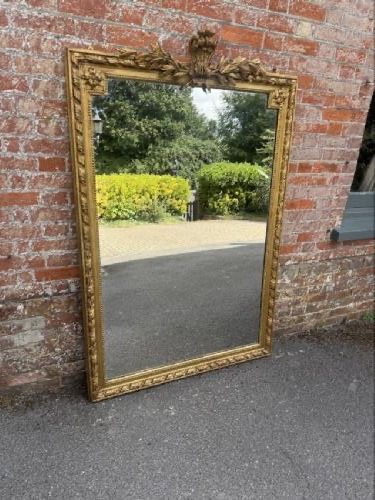
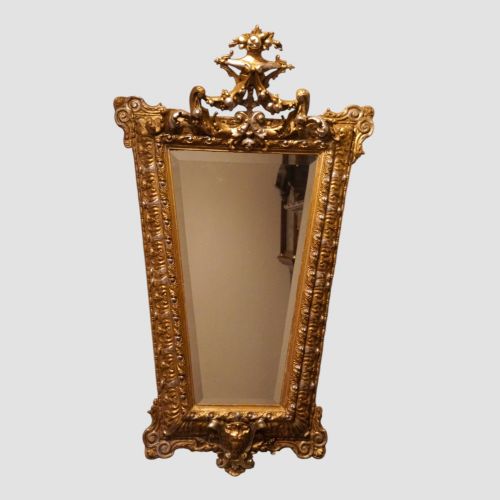
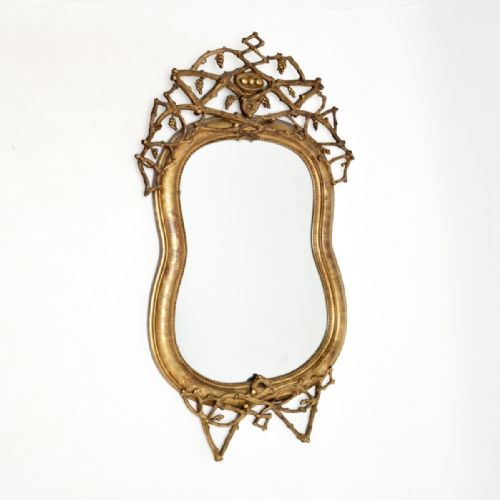
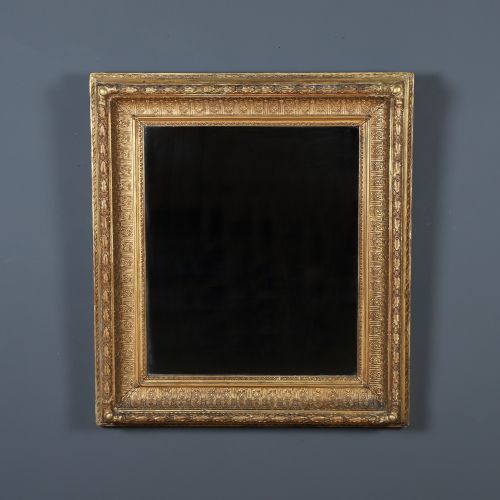
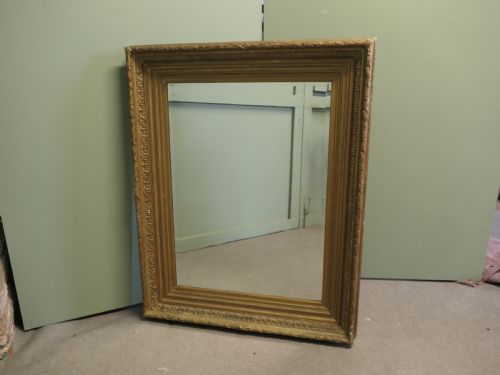
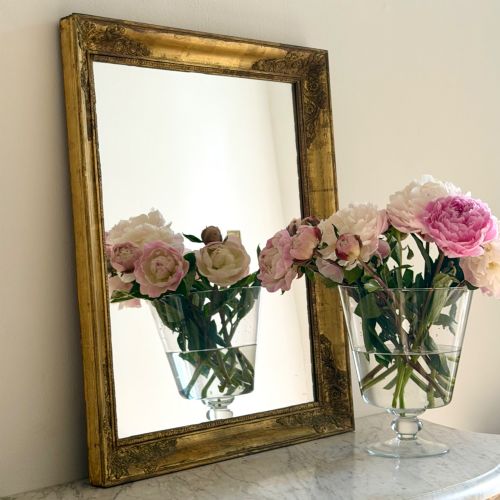
A gilt wall accent mirror brings light and decorative presence to a room through gilded wooden frames and reflective glass.
Gilt Wall Accent Mirror
A gilt wall accent mirror is a decorative looking glass designed to hang on a wall, capturing light and adding architectural interest to an interior space. These pieces span centuries of design, with particular representation from the Victorian and nineteenth-century periods.
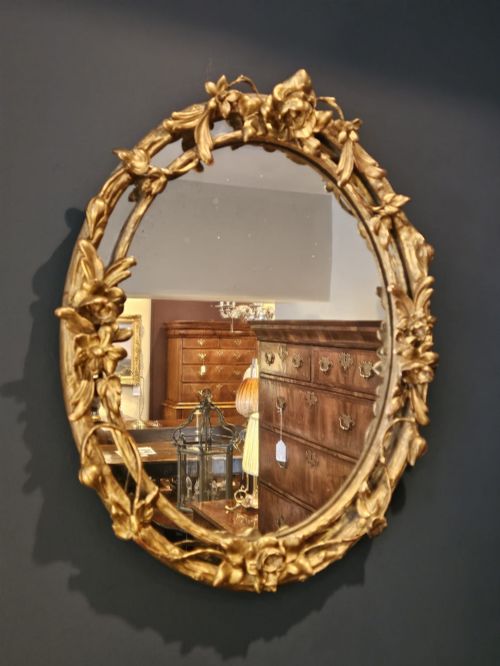
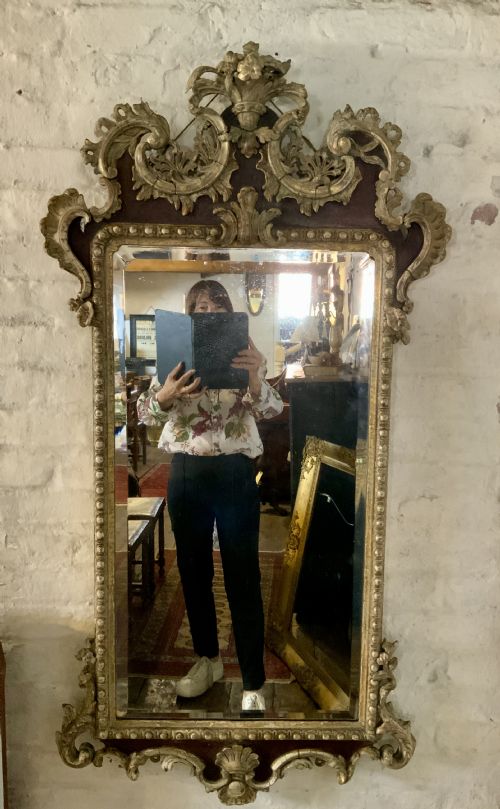
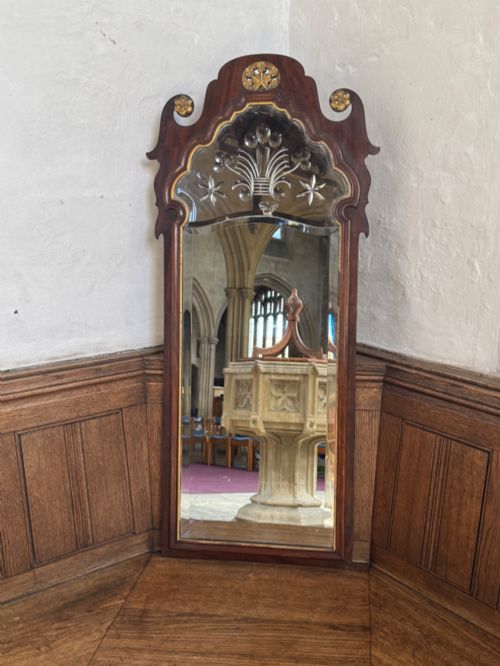
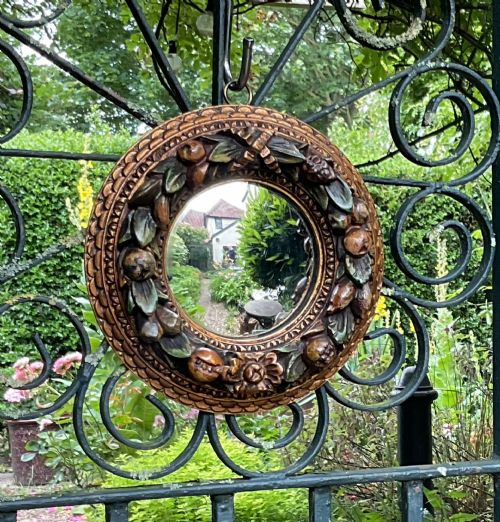
The selections on this page range from small convex mirrors and oval pier glasses to large overmantel frames. Common stylistic influences include French and Italian Rococo, Baroque Revival, and Georgian designs.
Originating largely from English, French, and Italian workshops, these items utilise traditional carving and gilding techniques on wood and gesso substrates to achieve their ornate appearance.
How they were made
Makers shaped solid timber such as walnut, oak, and mahogany into structured frames before applying layers of gesso to build up intricate relief ornaments. Artisans then laid fine sheets of gold leaf or silver-gilt onto the prepared surfaces, burnishing selected areas to create a varied lustre.
Carving was executed by hand, resulting in deep relief motifs including foliate scrolls, rose vines, and architectural flourishes. Mirror plates were traditionally silvered and sometimes engraved or reverse cut, then fitted into the finished wooden frameworks.
Current listings feature pieces spanning the eighteenth, nineteenth, and twentieth centuries, incorporating materials such as carved wood, gesso, and mirror glass.
What varies in quality
The distinction between standard and superior examples lies in the depth and crispness of the hand carving on the wooden or gesso frame. Finer pieces exhibit fluid, highly detailed scrollwork and delicate relief ornamentation without the softening of edges often seen in mass-produced alternatives.
The quality of the gilding and the preservation of the original mirror plate also determine the standing of a piece. Deeper application of gold leaf over carefully prepared grounds provides a richer visual depth, while original glass retains subtle imperfections that signal age and authenticity.
John Belchier
The Gilt Wall Accent Mirror Glossary
- Giltwood
- Wood that has been coated with gold leaf or gold paint. This technique provides a metallic sheen while maintaining the lighter weight of a carved wooden core.
- Gesso
- A mixture of gypsum or chalk and size used as a surface preparation for wood before gilding. It allows artisans to carve intricate relief details smoothly.
- Pier glass
- A tall mirror designed to hang on the wall between windows, often placed above a small table or pier. These pieces historically served to reflect additional light into darker drawing rooms.
- Convex mirror
- A round looking glass with a curved surface that provides a wide-angle reflection of the room. They are frequently framed with gilt balls or classical bezels.
Gilt Wall Accent Mirror: Frequently Asked Questions
How do I hang a heavy gilt mirror?
Heavy carved wood and gesso frames require secure wall fixings anchored directly into masonry or substantial wall studs. Using appropriate mirror brackets or heavy-duty picture wire distributes the weight evenly across the structure.
Consulting a professional installer ensures the piece remains safely supported without placing undue stress on the antique frame joints.
How do I clean an antique gilt frame?
Dust the carved surfaces gently with a soft, dry brush to remove particulate matter without disturbing the delicate gold leaf. Avoid liquid cleaners, modern detergents, or abrasive cloths, which can strip the historic finish.
Professional conservation is recommended for frames showing significant flaking of the gesso or gilding layers.
How do I identify a 19th-century gilt mirror?
Examine the construction methods visible on the reverse of the frame, including timber types, fastening nails, and the composition of the gesso base. Nineteenth-century pieces often display hand-carved details and period-specific proportions associated with Victorian or Rococo Revival tastes.
Original mirror glass frequently shows oxidation spots, slight distortion, or foxing that distinguishes older plates from modern replacements.
Where should I place an accent mirror?
Position the piece opposite a window or light source to maximise natural illumination and create the illusion of greater spatial depth within a room. Placing a mirror above a mantelpiece or console table establishes a traditional focal point for interior arrangements.
Consider the height of surrounding furniture to ensure the frame anchors the wall space harmoniously.