


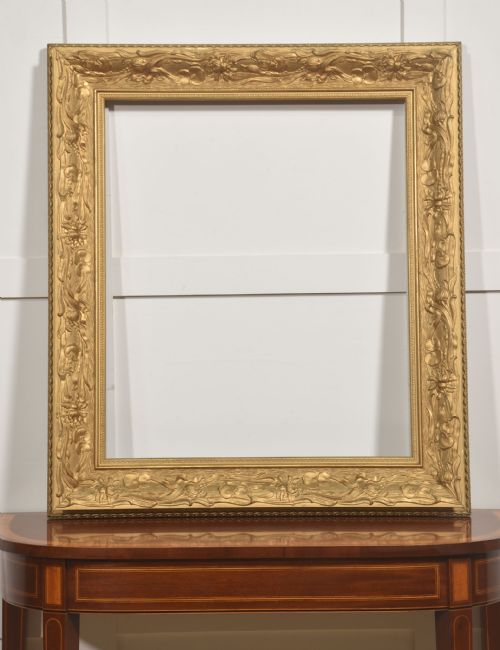
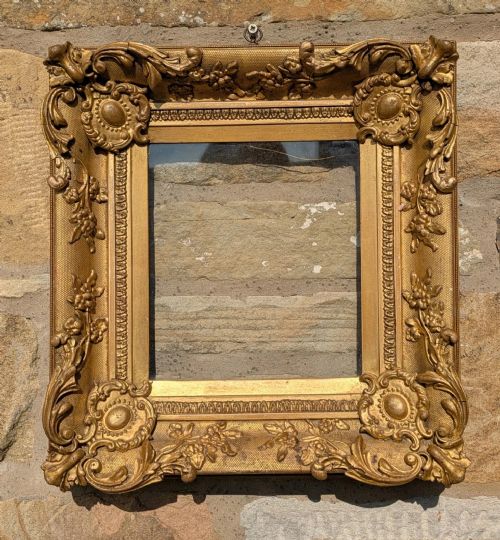
Antique Carved Picture Mirror
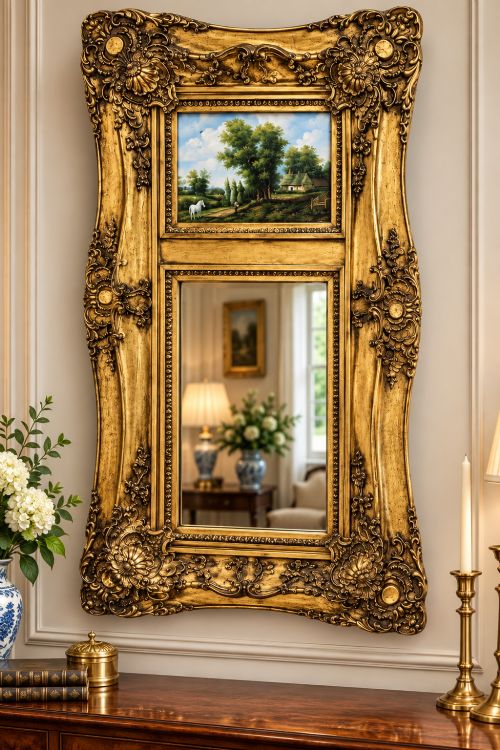
An antique carved picture mirror brings deep nineteenth-century gilding and ornate timber frames straight into domestic spaces.
Antique Carved Picture Mirror
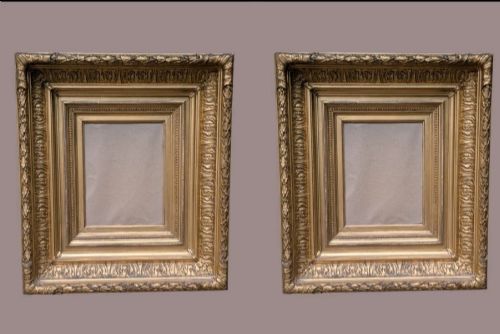
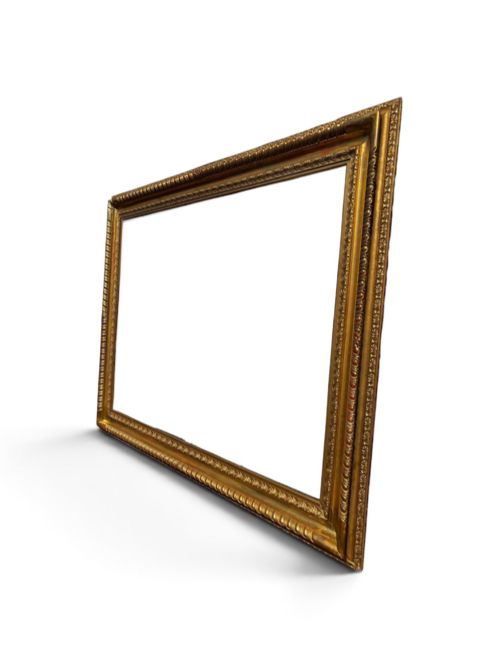
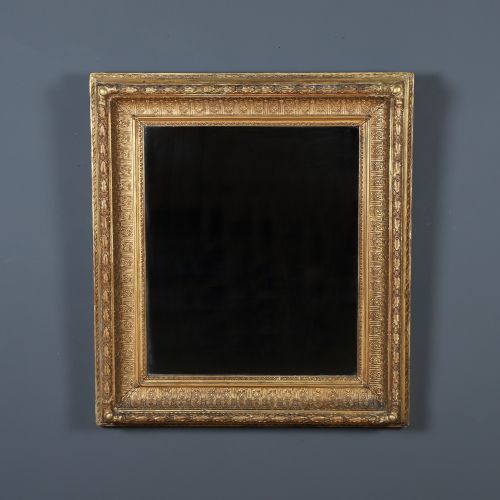
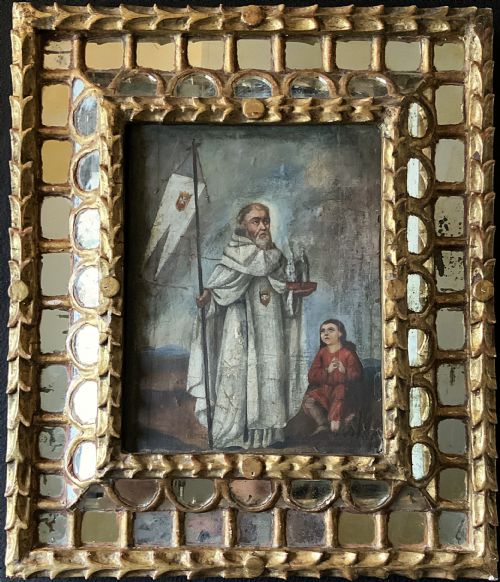
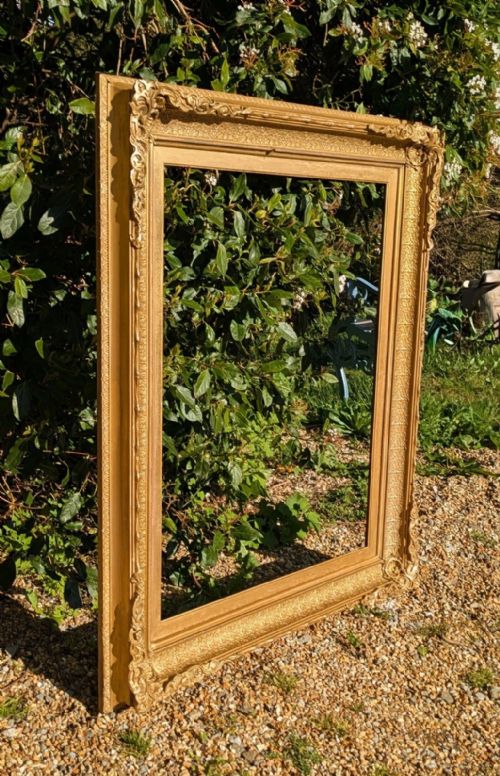
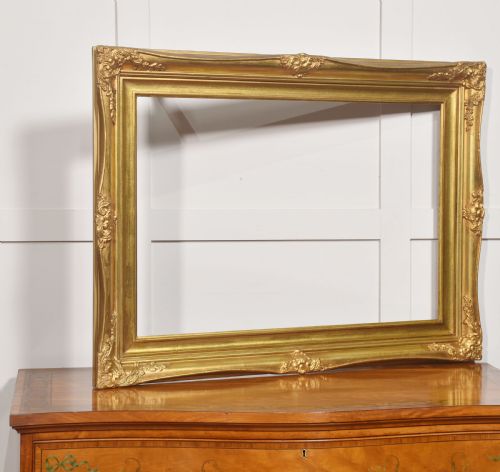
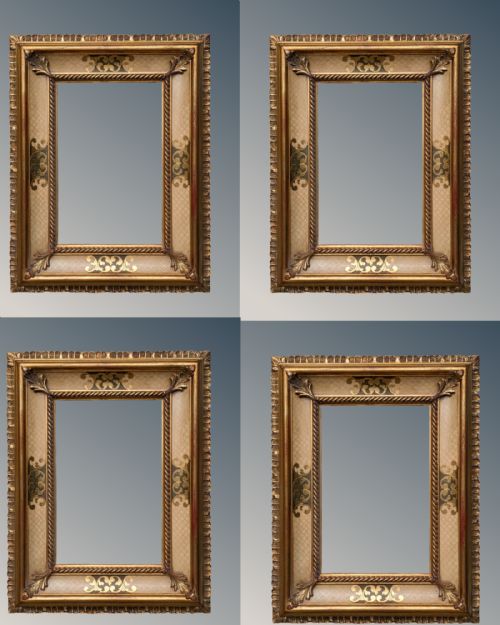
An antique carved picture mirror bridges the gap between functional looking glass and decorative fine art framing. When searching for an antique carved picture mirror, buyers encounter a range of forms including wall mirrors, overmantles, and converted picture frames housing new or reverse-painted glass.
The selection on this page leans heavily toward nineteenth-century Victorian examples alongside earlier continental styles. Pieces span from seventeenth-century Spanish and Italian formats to twentieth-century revivals.
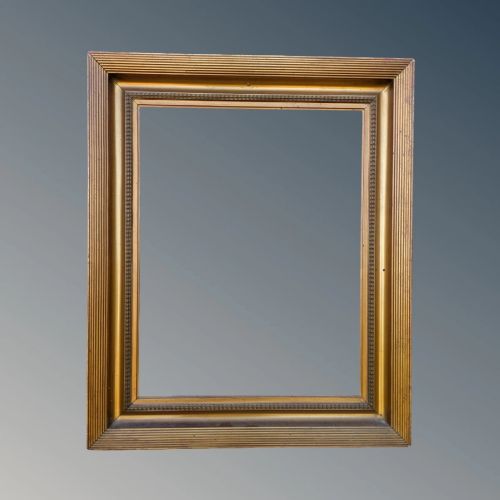
Many items function equally as deep picture frames or dedicated hallway and wall mirrors. The core of the selection relies on giltwood and gesso constructions designed to catch light.
How they were made
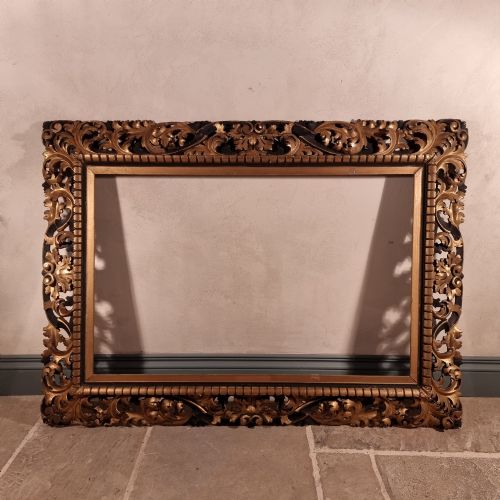
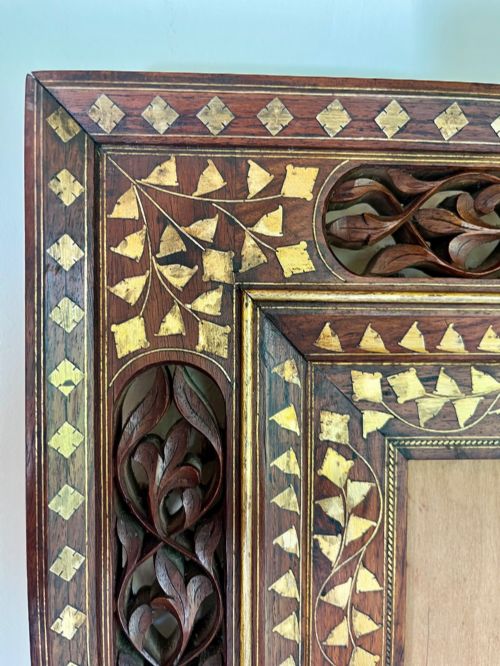
Carvers shaped timber bases from pine and other foundational woods before applying layers of gesso to build up relief decoration. This plaster-like mixture received intricate hand-carving of acanthus leaves, floral motifs, and figural elements like lions' heads.
Gilders applied thin sheets of gold leaf over boluses to create the characteristic metallic brilliance seen on these frames. Surface manipulation often combined matte and burnished areas to accentuate the depth of the carving.
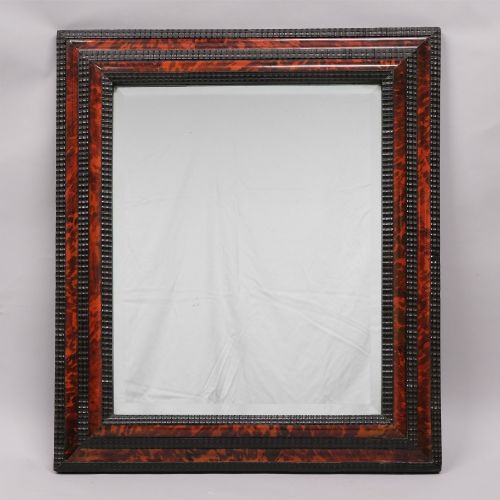
Some examples utilise tortoiseshell ripple mouldings or dark finishes rather than standard gilding. Glass was subsequently fitted behind the rabbet, either retained as original silvered plates or replaced in later centuries.
The listings span from seventeenth-century Spanish Baroque to twentieth-century Art Nouveau styles.
What varies in quality
The crispness of the hand-carved detail dictates much of the visual success in these frames. Crisp, deep relief work in gesso and wood separates superior examples from soft, mechanical moulding.
Originality of the gilding and surface patination plays a major role in establishing the character of a piece. Retaining the authentic gold leaf with minimal later intervention preserves the integrity of the object.
The Antique Carved Picture Mirror Glossary
- Gesso
- A plaster mixture applied to wood frames as a base for gilding and fine relief carving. This material allows for sharp, intricate decorative details that timber alone cannot hold.
- Giltwood
- Timber that has been coated with gold leaf or gold paint for a decorative metallic finish. It forms the primary visual vocabulary for nineteenth-century wall mirrors.
- Cassetta frame
- A flat-profile picture frame style originating in the Italian Renaissance featuring raised inner and outer mouldings. These architectural surrounds frame both paintings and mirrors alike.
- Rabbet
- The recessed channel cut along the back inner edge of a frame to hold the glass or canvas securely. Its depth determines how well the mirror plate sits within the structure.
- Overmantle
- A large mirror specifically designed to hang on the wall directly above a fireplace mantel. These expansive pieces often feature horizontal proportions suited to domestic hearths.
Antique Carved Picture Mirror: Frequently Asked Questions
How do I hang a heavy gilt mirror?
These substantial wooden and gesso frames require robust wall fixings anchored directly into masonry or heavy studs. Professional mirror hangers utilise heavy-duty D-rings and steel wire rated well above the weight of the piece.
Position the mirror at a height that balances the surrounding room proportions while protecting the delicate gilt corners from accidental knocks.
Are these original mirror plates?
Some pieces retain their original mercury or early silvered glass, showing characteristic oxidation spots and soft foxing. Other listings incorporate new glass fitted safely into antique frames.
Examining the depth and backing of the glass helps determine whether the plate dates alongside the original timber surround.
How do I clean antique giltwood?
Dust these carved surfaces gently using a very soft, dry brush to remove particles without disturbing the delicate gold leaf. Avoid all commercial cleaning sprays, water, and abrasive cloths entirely.
Moisture can soften the underlying gesso and cause the historic gilding to flake away from the carved wooden base.
What is a cassetta frame?
A cassetta frame is a classic Italian Renaissance form featuring a wide, flat central frieze flanked by raised inner and outer mouldings. Originally built for fine art paintings, these robust structures frequently house mirrors.
Their architectural symmetry brings a structured, historical presence to contemporary interiors.
Can I use a picture frame as a mirror?
Many deep antique frames sold on this page started life as artwork surrounds before receiving mirror glass. This historic practice repurposes grand architectural mouldings into functional wall looking glasses.
Check the rabbet depth to ensure the frame accommodates both a mirror plate and a secure backing board.