



Gilt Slip Framed Painting
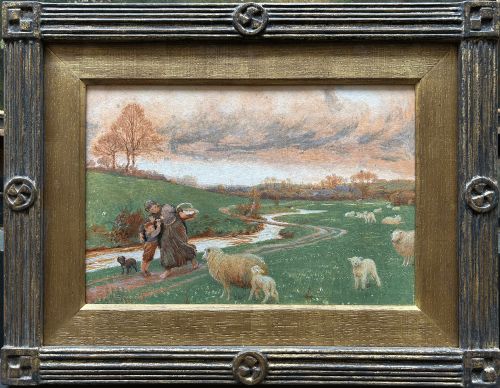
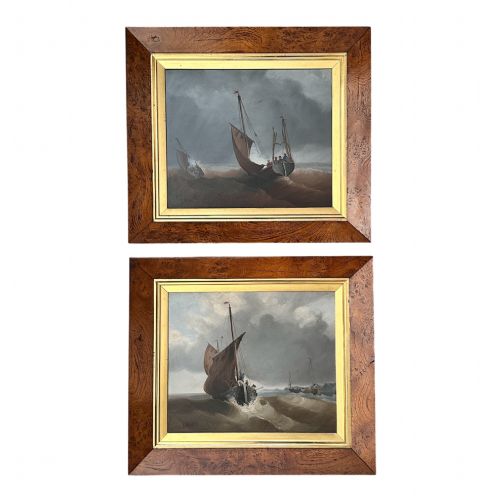
A gilt slip framed painting brings a warm, reflective edge to a wall, framing fine portraits and coastal scenes with golden inner borders.
Gilt Slip Framed Painting
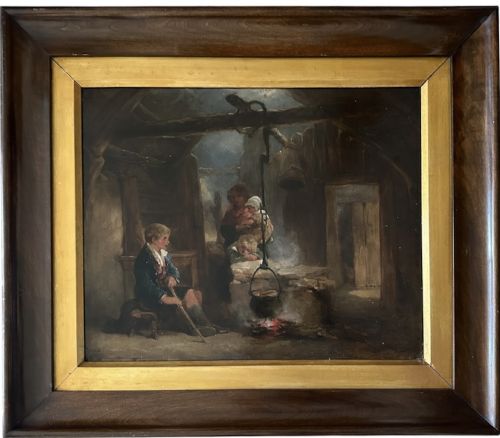
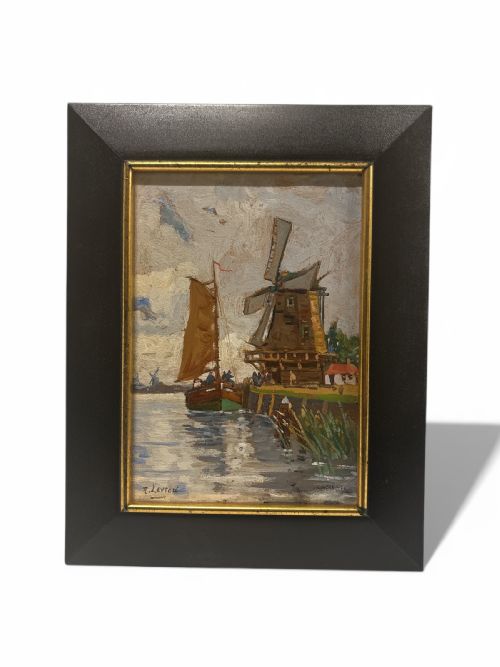
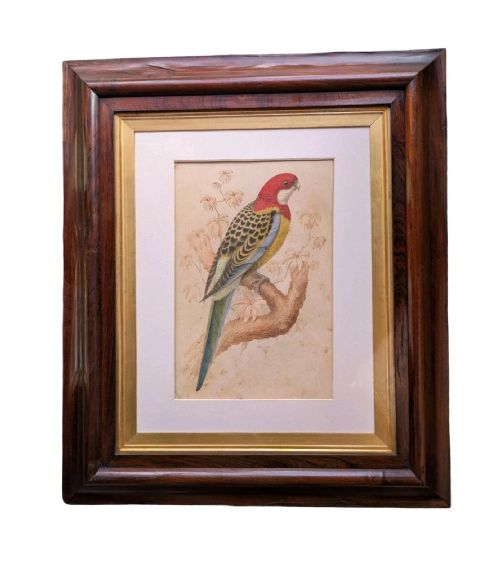
The pieces on this page span several distinct periods including the Regency, Victorian, and Edwardian eras. Works originate from the eighteenth, nineteenth, and early twentieth centuries, capturing traditional painting styles such as Impressionist, Victorian Genre Realism, and Natural History.
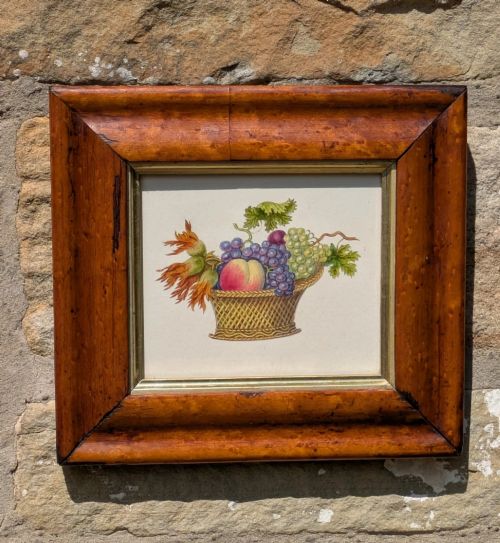
Forms vary from large oil paintings on canvas and board to delicate watercolours, miniature portraits, and silhouettes. Wooden frames often incorporate traditional gold leaf treatments or ebonised surrounds that complement the interior slip.
Materials and construction
Artisans built the structural supports using seasoned wood, shaping timber into robust frames designed to protect the fragile surfaces within. Canvases, wooden boards, and heavy paper sheets served as the primary grounds for oil and watercolour pigments.
Gilt wood and applied gold leaf provided the luminous slip inner borders that define these pieces, catching ambient light to illuminate the painted scenes. Glass protected sensitive watercolours, silhouettes, and reverse glass engravings from dust and atmospheric moisture.
Listings feature works spanning from the 18th century through the Edwardian era, utilising oil, watercolour, and gold leaf.
Assessing quality in framing and works
Quality rests upon the harmony between the artwork and its surrounding frame, where hand-gilded slips exhibit subtle tool marks and rich metallic depth rather than uniform modern finishes. The preservation of the original wooden frame structure indicates how well the piece has survived through successive generations.
In the paintings themselves, the crispness of brushwork, the stability of the canvas or board, and the preservation of delicate pigments distinguish finer works. Evidence of period mounting techniques adds integrity to miniatures, silhouettes, and works on paper.
George Whitton Johnstone·R Leyton·R Hurst·Frederick Walker·John Moore of Ipswich·Gustave De Bréanski·Edwin Hughes·W A Clark·Arthur H Enock·Henry Birtles·Alfred Graham·John Ferneley Jnr
The Gilt Slip Framed Painting Glossary
- Gilt slip
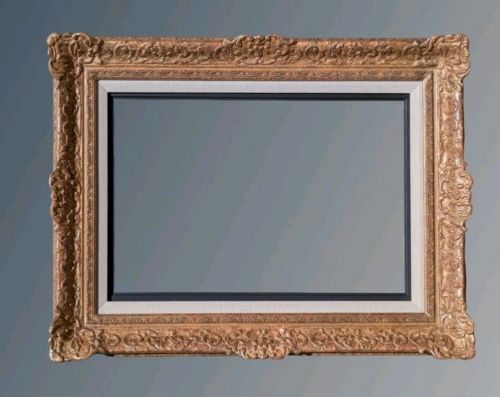
- A narrow inner frame moulding coated in gold leaf that sits between the main outer frame and the painting. This component provides a visual transition and focuses attention on the central image.
- Reverse glass engraving
- An image incised and painted directly onto the rear surface of a glass panel. This technique creates a glossy finish and was frequently employed during the Regency period.
- Miniature painting
- A highly detailed, small-scale portrait or landscape executed on ivory, vellum, or paper. These intimate works often feature dedicated protective cases or specialised frames.
- Silhouette
- A profile portrait cut from black paper or painted onto a pale ground. Georgian and Victorian examples frequently appear in rosewood or ebonised frames.
- Ebonised frame
- A wooden moulding treated with a chemical stain or black finish to imitate expensive ebony. This dark border creates a sharp contrast against gilt slips and painted highlights.
Gilt Slip Framed Painting: Frequently Asked Questions
What is a gilt slip?
A gilt slip is the narrow golden inner border fitted between the painting and the outer frame. It creates a bright transition that accentuates the depth of the artwork.
These slips were traditionally coated in genuine gold leaf, which develops a softer patina over decades of exposure to light.
How should I hang these paintings?
Select a spot away from direct sunlight to protect delicate watercolours, paper grounds, and gold leaf surfaces from fading. Ensure the wall fixings match the substantial weight of wooden frames.
Grouping smaller works like miniatures or silhouettes together creates a balanced display that reflects historic salon arrangements.
Are the frames original to the art?
Many period pieces retain their original frames, particularly when the wood and gold leaf wear match the age of the canvas or board inside. Makers often paired specific mouldings with particular painting styles.
Changes in framing over time do happen, but matched period replacements still complement the historical character of the artwork.
How do I identify a Victorian work?
Victorian pieces often display realistic brushwork, narrative subjects such as genre scenes or animal studies, and heavier gilt wood frames. Look for materials like canvas, board, and standard watercolour paper common to the nineteenth century.
Artist signatures, inscriptions on the reverse, and construction methods of the wooden backing boards also help confirm the period.